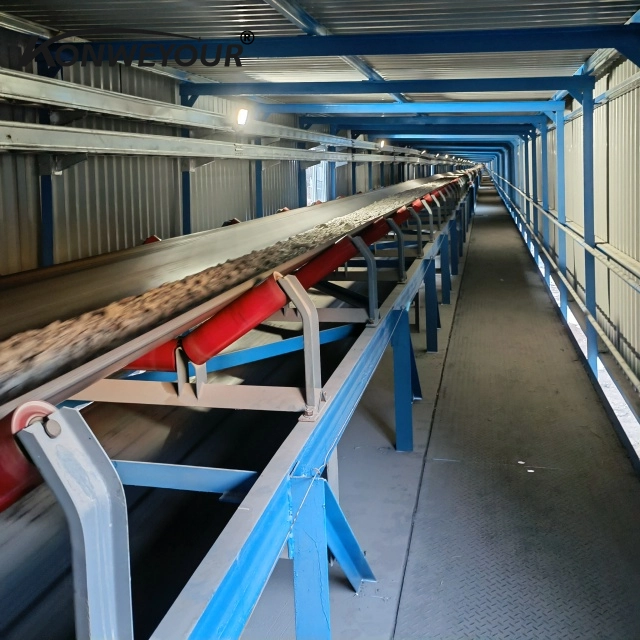
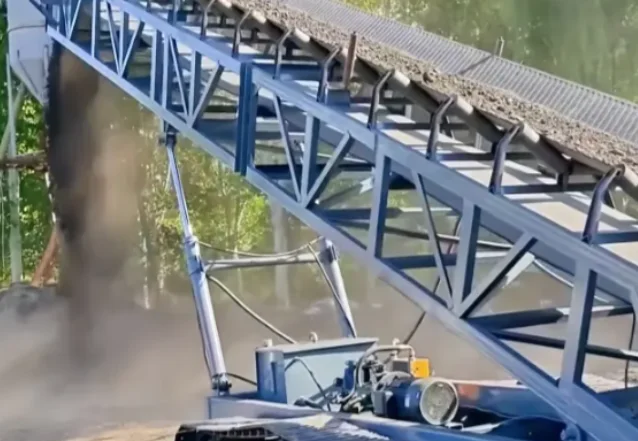
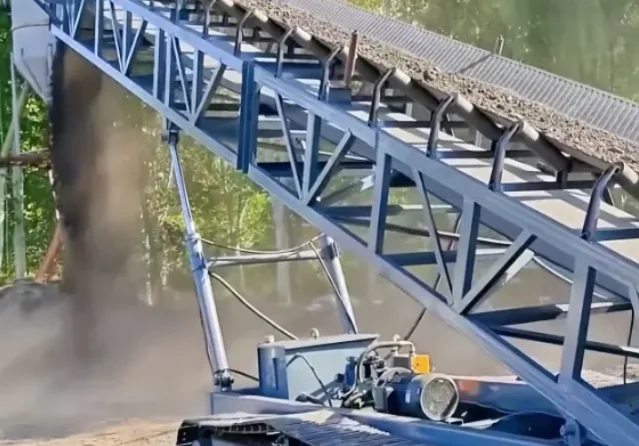
If you’ve spent time around transfer points, you know the ritual: spillage, dust curtains, cleanup crews, and complaints from EHS. The pivot to pipe conveyors isn’t just hype; it’s practical. In fact, over the past two years we’ve seen mines and cement plants nudge budgets toward enclosed belts to control dust and environmental exposure while maintaining throughput. And yes, the Wear Resistant Pipe Rubber Conveyor Belt is at the center of that story.
What it is and why ops teams care
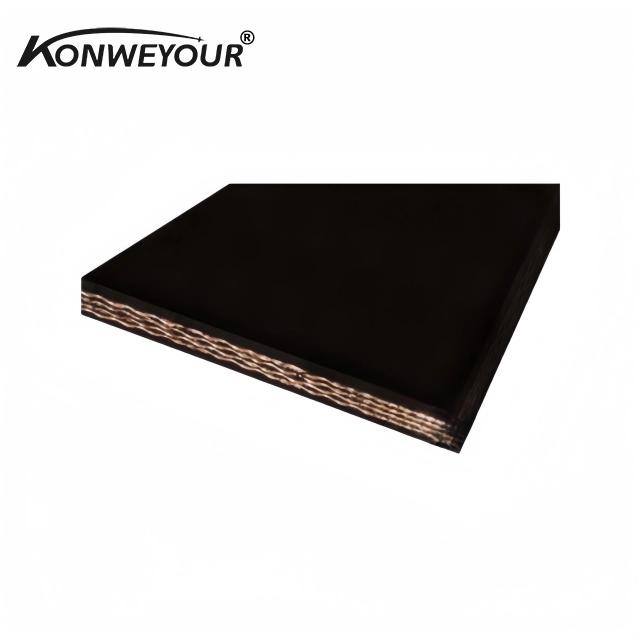
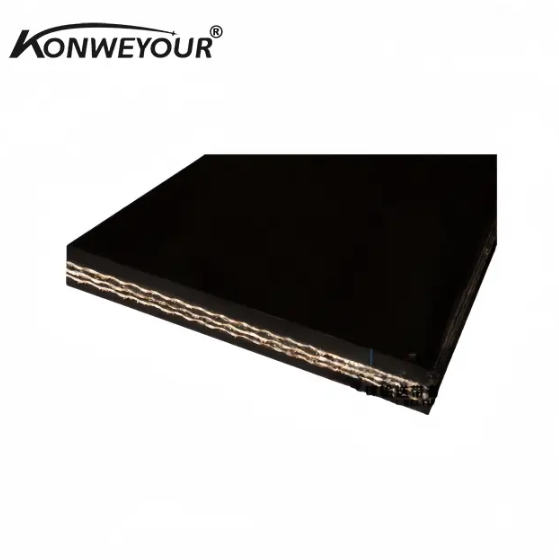
This belt runs tubular—fully enclosed—so the material stays put, even on steep grades and windy overland routes. Built from wear-resistant rubber compounds over textile (EP) or steel-cord carcasses, it’s designed for hard-running lines in mining, cement, chemicals, and power plants. Many customers say the first thing they notice is quieter transfer points and, surprisingly, less housekeeping overtime.
Typical applications
- Overland limestone, clinker, coal, petcoke, fly ash
- Urban corridors where dust control is non‑negotiable
- Curvy terrain needing tight radii with minimal spillage
Process and build (quick tour)
Materials: premium abrasion-resistant covers (X/Y/W grades), EP or steel-cord carcass, optional breaker plies and rip-detection loops. Methods: mixing and calendaring, skim-coating cords, lamination, pipe-forming with overlap control, continuous vulcanization. Testing: abrasion per ISO 4649 (DIN 53516), adhesion ISO 252, tensile ISO 283, antistatic ISO 284, optional flame ISO 340. Real-world service life? Around 3–8 years depending on tonnage, loading, and idler maintenance.
Key specifications (typical, may vary)
| Pipe diameter |
≈ 150–650 mm |
| Belt width (flat before forming) |
650–2200 mm |
| Carcass |
EP 200–630 N/mm or Steel Cord ST 800–3500 |
| Cover compound |
Wear-resistant (X/H), heat options on request |
| Abrasion (ISO 4649) |
≤ 90 mm³ (X) or ≤ 120 mm³ (Y) |
| Adhesion (ISO 252) |
≥ 4.5 N/mm cover–ply |
| Temperature range |
-20°C to +80°C (standard); heat grades available |
| Min. curve radius |
≈ 300 × belt width (layout dependent) |
Industry trend check
Operators increasingly trade open troughs for enclosed systems to meet dust directives and ESG targets. To be honest, the capex looks steep at first—but OPEX, especially cleanup and spillage-related downtime, often swings the ROI within 18–30 months on long runs.
Advantages you actually feel
- Dust/spillage control in a compact right-of-way
- Long wear life thanks to tough cover chemistry
- Tighter horizontal/vertical curves than trough conveyors
- Cleaner environmental profile; fewer complaints from neighbors
Vendor snapshot (real-world factors)
| Vendor |
Compounds |
Diameter range |
Certs |
Lead time |
Warranty |
| JT Conveyor (Hebei, No.13 Gongqiang Rd.) |
X/Y/W, heat, antistatic |
150–650 mm |
ISO 14890, ISO 284, ISO 340 (opt.) |
4–8 weeks |
12–24 months |
| Global Brand A |
Premium heat/abrasion |
200–600 mm |
ISO/DIN, MSHA (opt.) |
6–10 weeks |
18–24 months |
| Value Supplier B |
Standard abrasion |
150–500 mm |
ISO (limited) |
3–6 weeks |
12 months |
Customization options
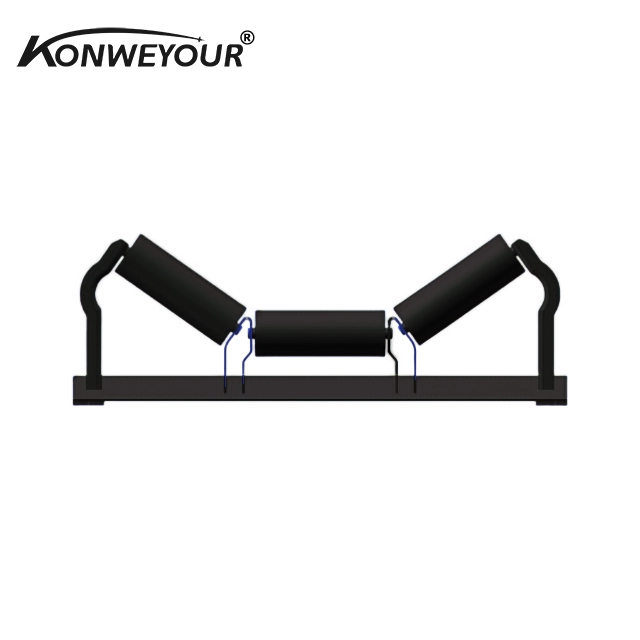
Pick your poison: pipe diameter, EP vs. steel cord, cover thicknesses, antistatic/fr flame grades, breaker plies, splice design, and even embedded rip-detection loops. Layout support (idler sets, overlap direction) is worth requesting early—saves headaches later.
Case note: limestone overland, Southeast Asia
3.2 km line, 450 mm pipe, ST 1400, X-grade cover. After 6 months, lab checks showed abrasion at 55 mm³ (ISO 4649), well inside spec. Spillage complaints dropped by ≈95%. Maintenance lead told me, “we finally retired two sweep crews.” Payback landed around month 20—faster than finance projected.
Compliance and data points
- Designed to ISO 14890; abrasion tested to ISO 4649; antistatic ISO 284; optional flame ISO 340
- Typical cover tensile ≥ 18 MPa; elongation ≥ 400% (real-world may vary with compound)
- Noise and dust reductions are application-specific but often noticeable from day one
If you’re scoping an enclosed route with tight curves and community constraints, the Wear Resistant Pipe Rubber Conveyor Belt is, frankly, the sensible shortlist pick.
Citations
- ISO 14890: Conveyor belts — Specification for rubber- or plastics-covered belts.
- ISO 4649: Rubber, vulcanized — Determination of abrasion resistance.
- ISO 284: Conveyor belts — Electrical conductivity of antistatic belts.
- ISO 340: Conveyor belts — Laboratory flammability characteristics.
- DIN 22102: Textile conveyor belts for bulk goods — Requirements.
- CEMA Belt Conveyors for Bulk Materials, latest ed.