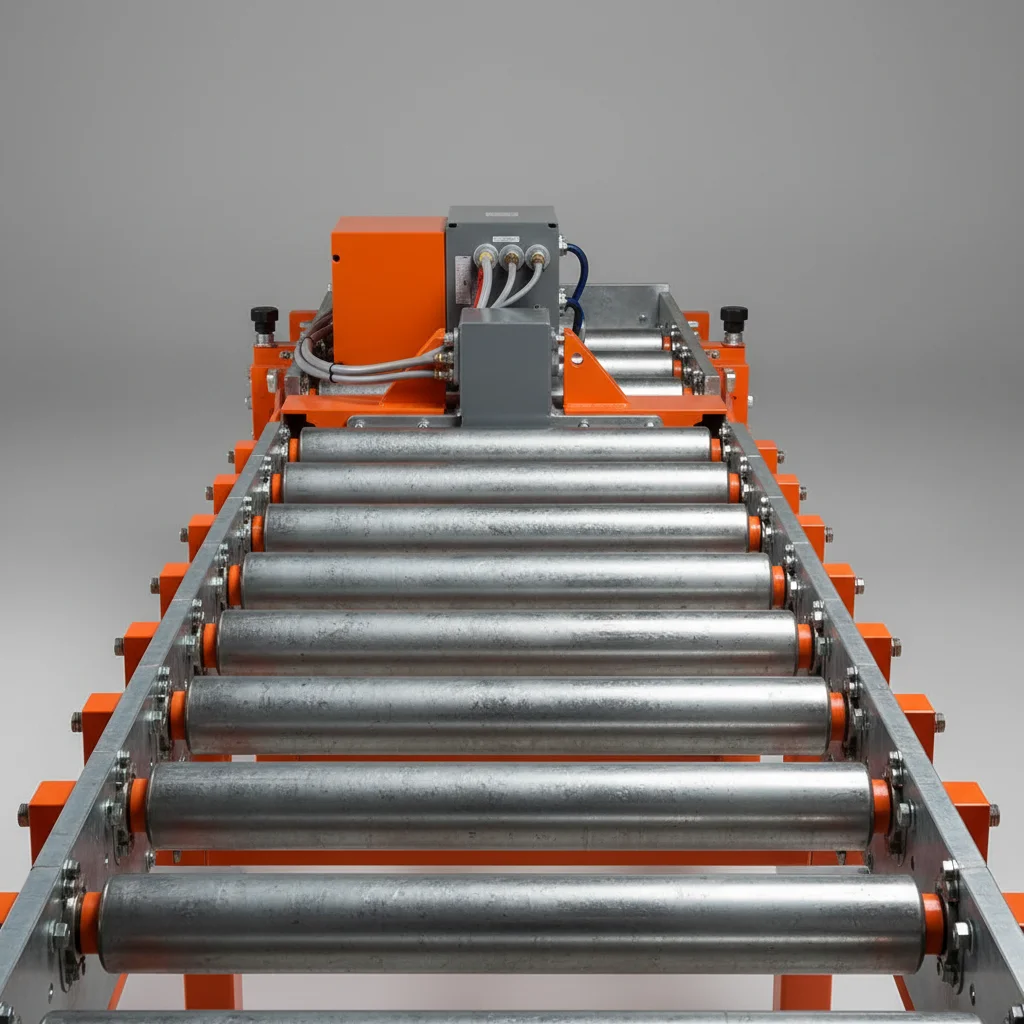
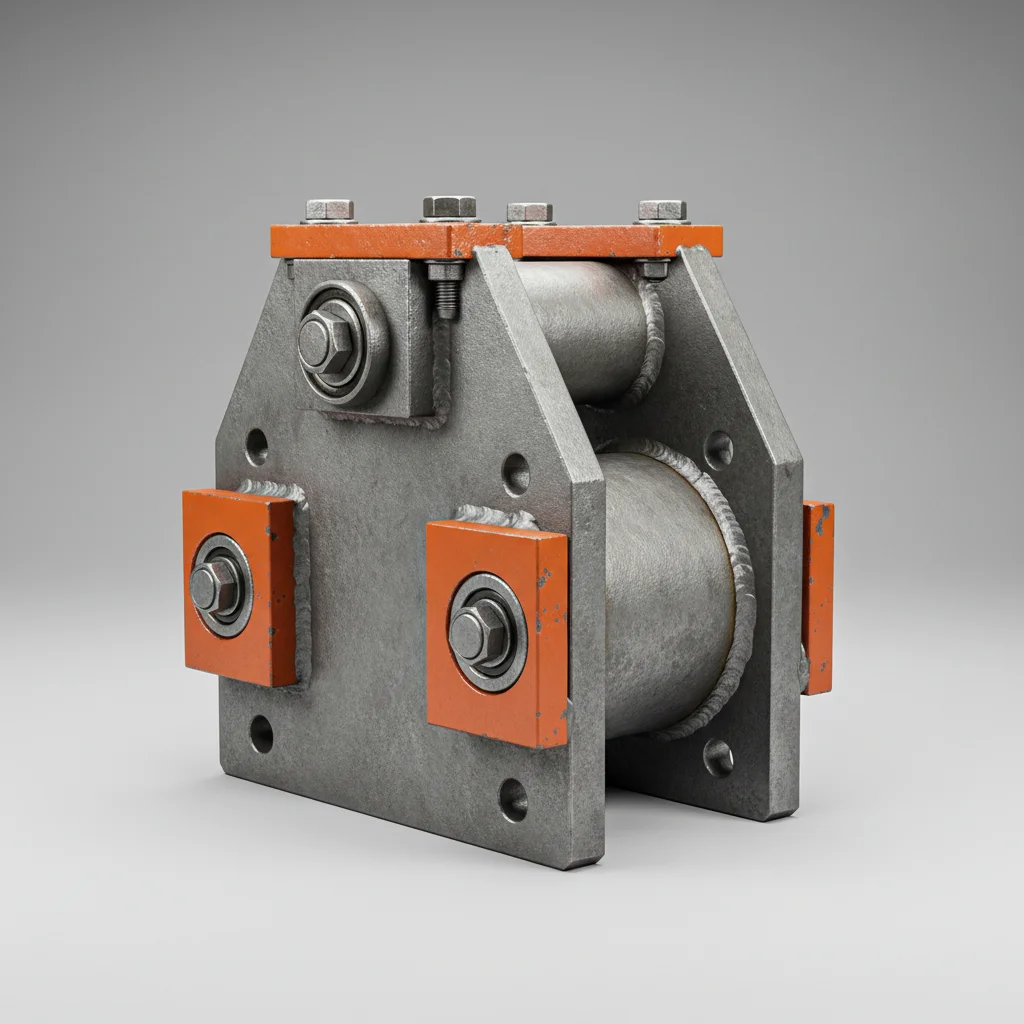
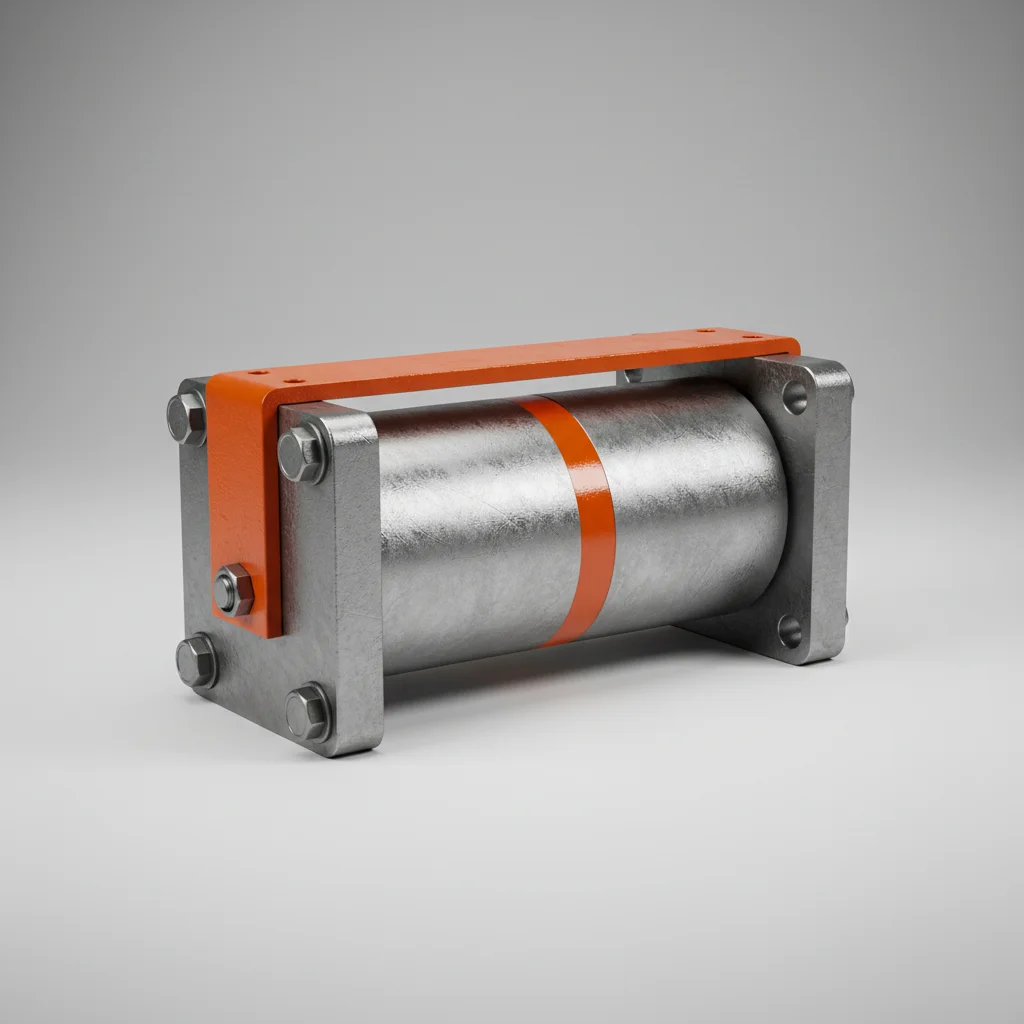
What Is a Timing Belt Conveyor and Why It Matters Globally
In the grand machinery of global industry—whether it’s food packaging in Europe, electronics assembly in Asia, or Amazon warehouse logistics in North America—the humble timing belt conveyor quietly keeps things moving. This is no exaggeration. Timing belt conveyors have revolutionized material handling by offering precision and reliability that traditional belts just can’t match. As industries strive to optimize operations for speed, safety, and sustainability, understanding these systems unlocks clearer insights into efficiency and innovation around the world.
At its core, the timing belt conveyor is a solution to one of the oldest industrial headaches: moving parts or products continuously without slipping or losing synchronization. Especially in sectors where accuracy is non-negotiable (like pharma or automotive), these conveyors have become indispensable.
Mini takeaway: Timing belt conveyors aren't just machine parts—they’re quiet heroes of global manufacturing and logistics.
The Global Pulse: Why Timing Belt Conveyors Are Essential Today
The International Organization for Standardization (ISO) and several UN reports highlight that global manufacturing output has increased by over 30% in the last decade, with material handling playing a critical role (1, 2). As factories become more automated and supply chains more complex, the demand for conveyors that maintain exact product positioning and speed consistency is skyrocketing.
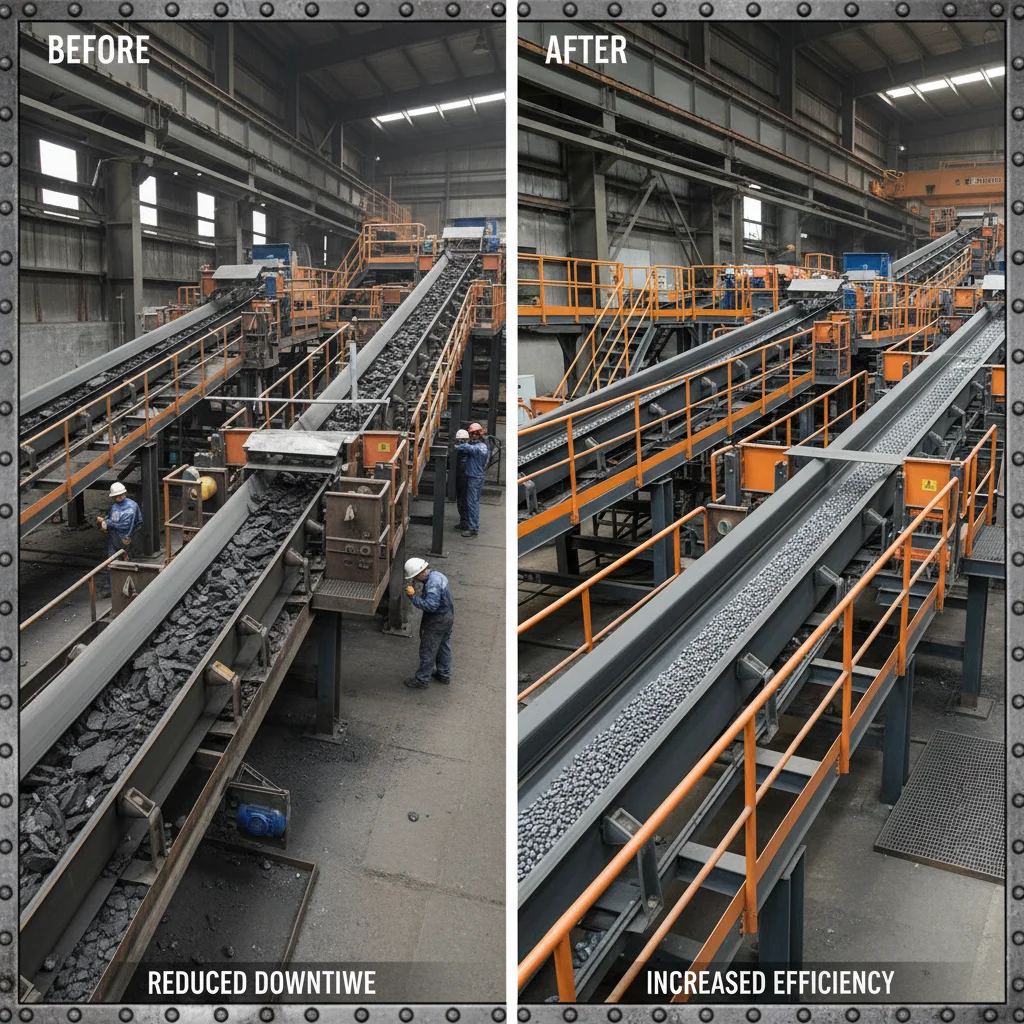
However, this progress is challenged by ever-tightening efficiency goals, space constraints, and environmental concerns. Timing belt conveyors address these by minimizing maintenance downtime while ensuring product integrity, making them an indispensable pillar for industries worldwide.
Mini takeaway: In an era of automation and sustainability, timing belt conveyors solve practical problems—speed with precision, less waste, and adaptability.
What Exactly Is a Timing Belt Conveyor?
Simply put, a timing belt conveyor uses a synchronous belt with teeth that mesh into sprockets, ensuring that the belt and the conveyor pulleys rotate in perfect harmony. Unlike flat belts, this setup prevents slippage, preserves product alignment, and allows for more complicated routing, like inclines or precise stop-start movements.
This is more than just a shape or component—it’s a foundational technology tied closely to modern manufacturing principles, including lean processing, just-in-time delivery, and high-throughput systems. Without these conveyors, sectors ranging from electronics assembly lines to food production would face costly inefficiencies and quality issues.
Mini takeaway: Timing belt conveyors blend mechanical precision and reliability, making them a backbone of modern industrial material flow.
Core Components and Key Factors Behind Timing Belt Conveyors
Durability and Material Quality
Many engineers point out the importance of using reinforced materials such as fiberglass or steel cords embedded in belts. This boosts the conveyor's lifespan under heavy load and harsh conditions. Choosing high-quality polyurethane or rubber compounds also greatly affects wear resistance and noise levels—factors crucial in food or pharmaceutical sectors.
Precision and Synchronization
The fundamental advantage lies in the 'toothed' design. Sprockets and belts interlock, ensuring zero slippage. This precision supports complex product orientations and split conveyor lines, essential in packaging and assembly processes where timing is everything.
Scalability and Flexibility
Timing belt systems adapt to various lengths, speeds, and even configurations—horizontal, vertical, or curved conveyors require specific belt profiles. This scalability brings value especially where production lines need quick adjustments or expansions, like electronics or automotive sectors.
Cost Efficiency Over Time
While initial investment can be higher than traditional belts, experts note a significant drop in downtime and maintenance costs over five years. The belt’s longevity and stable operation reduce spoilage, rework, and safety incidents.
Compact Design for Small Footprints
Modern factories often face tight real estate. Timing belt conveyors can be designed to fit compactly without sacrificing throughput, allowing more efficient use of floor space.
Mini takeaway: Durability, precision, and scalability make timing belt conveyors a balanced investment for industries focused on quality and optimization.
Product Specifications: A Typical Timing Belt Conveyor Example
| Specification |
Details |
| Belt Material |
Polyurethane with steel cord reinforcement |
| Belt Width |
250 mm |
| Max Load Capacity |
100 kg/m |
| Speed Range |
0.5 – 3 m/s (adjustable) |
| Temperature Range |
-10°C to 80°C |
| Belt Pitch |
5 mm increment (customizable) |
How Timing Belt Conveyors Are Changing Industries Worldwide
From the automated confectionery lines in Belgium to remote mining operations in Australia, timing belt conveyors add value everywhere. Consider the pharmaceutical industry in North America, where hygiene, accuracy, and strict regulatory compliance demand conveyors that won’t slip or introduce contamination risks.
In post-disaster relief efforts, timing belt conveyors enable quick assembly and transport of medical kits or packaged food, optimizing logistics during crises. Food processing plants in South America have also adopted these systems to reduce waste and handle delicate products like fruits and baked goods more gently.
Oddly enough, remote industrial zones in Africa and Asia benefit not just from the technology but from its modularity and ease of repair — meaning lean teams can maintain operations without constant expert visits.
Mini takeaway: Timing belt conveyors are truly global enablers, integral in industries where precision, hygiene, or rapid deployment are critical.
Advantages and Long-Term Value of Timing Belt Conveyors
- Cost Savings: Reduced belt slippage means less product damage and less downtime.
- Sustainability: Durable materials translate to fewer replacements, less waste.
- Operational Trust: Industries run smoother with precise timing, improving safety and reliability.
- Emotional Impact: Workers feel safer and valued using reliable equipment, raising morale.
- Innovation Driver: Enables highly automated and flexible production lines.
The logical and emotional benefits work hand in hand. Knowing a line won’t stop unexpectedly? That peace of mind is priceless.
The Future of Timing Belt Conveyor Technology
Looking ahead, several exciting trends are converging around timing belt conveyors. First, greener materials and biodegradable belts are under research, aiming to reduce the carbon footprint of conveyors themselves. Second, digital sensors embedded directly into belts or sprockets allow real-time monitoring of tension, wear, and positioning—feeding data into AI-powered predictive maintenance systems.
Automation will grow bolder too. Imagine adaptive conveyors that adjust speed to real-time demand fluctuations or integrate seamlessly with robotic arms, making entire lines smarter, faster, and more resilient.
Mini takeaway: The timing belt conveyor of tomorrow looks smarter, greener, and more interactive, promising even greater industrial impact.
Challenges and Smart Solutions in Timing Belt Conveyor Use
It’s not all smooth running. Some challenges include this: initial costs can be intimidating for small factories. Also, harsh chemical or abrasive environments occasionally outpace belt material limits, forcing costly replacements.
Experts recommend modular designs for quick part swaps and emphasize belt material innovation. For example, hybrid belts with embedded nano-coatings resist chemicals better, and flexible integration with IoT devices reduces surprise breakdowns.
What’s more, training maintenance teams on-site rather than remote specialists can flatten operating costs and accelerate repairs, especially in emerging markets.
Mini takeaway: Challenges exist but are met with innovation—smarter materials, modularity, and data-driven maintenance keep timing belt conveyors ahead.
Vendor Comparison: Key Players in Timing Belt Conveyor Products
| Vendor |
Belt Types |
Customization |
Typical Lead Time |
After-sales Support |
| JT Conveyor Co. |
Polyurethane, Rubber, Hybrid |
High (custom pitches, widths) |
2-4 weeks |
24/7 Technical Support |
| BeltTech Solutions |
Rubber, Nylon Reinforced |
Moderate (standard options) |
3-6 weeks |
Business Hours Only |
| GlobalConvey |
Polyurethane, Metal Hybrid |
Low (catalog products) |
1-2 weeks |
Limited Warranty |
FAQ: Common Questions About Timing Belt Conveyor Systems
1. How does a timing belt conveyor differ from a traditional conveyor belt?
Timing belt conveyors use toothed belts meshing with sprockets to ensure no slippage and precise positioning, unlike traditional flat belts that can slip under load. This makes timing belts better for applications needing accuracy and synchronization.
2. What industries benefit most from timing belt conveyors?
Industries such as food processing, pharmaceuticals, electronics, automotive, and packaging rely heavily on timing belt conveyors for their precision, hygiene standards, and ability to handle delicate products.
3. How often should timing belts be maintained or replaced?
Maintenance intervals depend on usage and environment, but generally, timing belts last 3-5 years with routine checks. Signs such as wear, fraying, or reduced tension indicate replacement is needed to avoid downtime.
4. Can timing belt conveyors be customized for complex factory layouts?
Absolutely. Timing belt conveyors can be designed with various belt widths, pitches, and configurations—including curves and inclines—to fit unique production floor layouts or specific process needs.
5. Are timing belt conveyors eco-friendly?
While the belts are mostly synthetic, advances in biodegradable materials and longer service life contribute to sustainability efforts. Additionally, their efficiency reduces energy waste over time.
Conclusion: Why Timing Belt Conveyors Are a Smart Investment
In a world where speed and precision matter, timing belt conveyors deliver tangible benefits that ripple through entire industries—from reducing waste to boosting product quality and worker safety. Their functional reliability, combined with growing innovations like digital monitoring and sustainable materials, makes them not just equipment, but strategic assets in modern manufacturing.
If you’re looking to optimize your production line or warehouse operations, taking a closer look at timing belt conveyor solutions is well worth it. Explore options, ask vendors about customization, and consider how this technology might quietly transform your workflow.
Ready to get started? Visit JT Conveyor for expert guidance and durable timing belt conveyor systems tailored to your needs.
Thanks for staying with me through this. Timing belt conveyors might not grab headlines, but they shape how industry ticks worldwide. Kind of like the backstage crew at a big show.
- ISO 8108:1991 — Belt Conveyors for Bulk Materials, International Organization for Standardization.
- United Nations Industrial Development Organization (UNIDO) Reports on Industry 4.0 Impact, 2023.
- World Bank Data: Global Manufacturing Output Growth, 2015-2024.