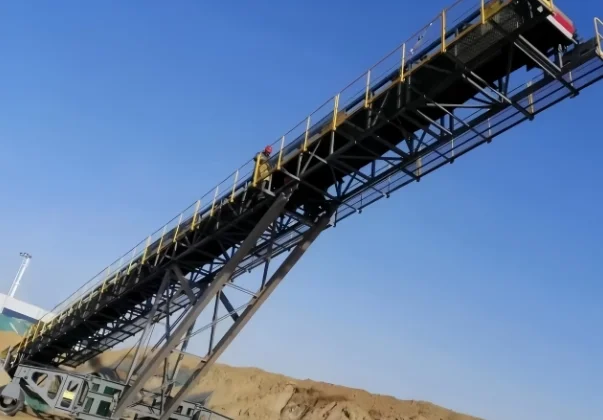
Understanding the Side Belt Conveyor: What It Is and Why It Matters
The side belt conveyor might not be a household name, but it’s a crucial piece of equipment in industries all over the world. Think of it as the unsung hero moving goods efficiently, safely, and reliably across vast industrial landscapes. Whether it’s mining, packaging, or humanitarian logistics, knowing how this technology works—and why it’s so widely trusted—can shed light on a whole world of global supply chain solutions. Plus, it brings serious benefits in terms of operational speed, cost savings, and safety.
In an era where industries scramble to optimize resources and reduce waste, understanding the nuances of side belt conveyors adds savvy to anyone who’s managing logistics or heavy materials. So, why should you care? Well, with the right conveyor technology, you can ensure smoother workflows, less downtime, and effectively tackle tough challenges like handling uneven loads or minimizing spillage.
The Global Importance of Side Belt Conveyors
You might be surprised, but conveyors—including side belt models—are quietly underpinning a staggering amount of global industry. According to the International Organization for Standardization (ISO), efficient material handling solutions contribute to reducing energy consumption by nearly 30% in manufacturing environments worldwide.[1] The UN’s reports on infrastructure development also highlight how conveyors shorten the time required for large-scale projects, especially in developing regions.
Now, here’s the rub: many industrial zones face uneven terrain, limited space, or the need for quick reconfiguration of equipment to meet shifting supply demands. This is exactly where the side belt conveyor solves a key problem—offering stability and precision in handling goods that might otherwise slip off traditional belts.
What Exactly is a Side Belt Conveyor?
In simplest terms, a side belt conveyor is a type of conveyor system where the belt runs along the sides of the conveyor frame to carry materials securely across distances. Unlike standard flatbelt conveyors, the side belt design supports materials on edges, helping prevent spillage and improving grip.
Modern industries, from mining to packaging to humanitarian logistics, rely on these conveyors to move varied loads—think parcels, powders, or even irregularly shaped goods. The side belt conveyor’s unique configuration makes it especially valuable when handling bulk materials or when the working environment demands heightened material retention.
Key Components and Design Features
1. Durability & Material Quality
Robust frame materials like steel or aluminum make sure the side belt conveyor withstands rough industrial settings, weather variations, or heavy loads without warping or failing unexpectedly.
2. Scalability & Modular Design
Most modern side belt conveyors are modular, letting operators scale length or modify belt width quickly. This feature means you can adapt the conveyor to fit cramped spaces or expand as your operations grow—a really practical way to future-proof equipment.
3. Precision & Stability
The “side belt” setup provides superior lateral stability. This prevents loads from slipping or rolling off—a big deal in risky or wet handling environments.
4. Cost Efficiency & Energy Use
These conveyors often demand less energy than bulkier alternatives, which cuts operational costs. Not to mention, easier maintenance routines translate to less downtime, meaning you get more running hours and less $$$ lost.
5. Customization Options
From belt materials (PVC, rubber, polyurethane) to speed controls and sensors, you can customize your conveyors to suit applications ranging from delicate packaging to harsh mineral transport.
Mini Takeaway: The combination of sturdy build, modularity, and material handling precision makes side belt conveyors a staple in industries that value efficiency and adaptability.
Where Around the World Are Side Belt Conveyors Making a Difference?
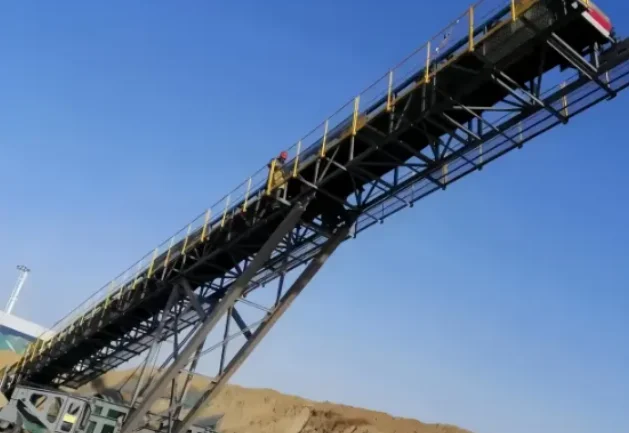
Interestingly, side belt conveyors appear in a diverse set of locations—from sprawling mining operations in Australia to agricultural processing plants in South America. I’ve also noticed humanitarian organizations deploying mobile side belt conveyors in post-disaster relief efforts to speed up the distribution of aid supplies effectively.
In Asia, manufacturing hubs rely on these conveyors to ensure fast assembly line throughput. In Europe, they’re common in food production plants where hygiene and spillage prevention are critical.
Here’s a quick snapshot of use cases:
- Mining: Transporting crushed ore with minimal loss.
- Packaging: Moving fragile goods securely along production lines.
- Disaster Relief: Rapidly distributing supplies over rough terrain.
- Agriculture: Handling grains and seeds with better control.
Specifications: What Should You Look For?
| Feature |
Typical Range |
Notes |
| Belt Width |
300 - 1200 mm |
Depends on material size |
| Conveyor Length |
1 - 50 m (modular) |
Expandable modules |
| Max Load Capacity |
Up to 2000 kg/m |
Varies by belt and frame |
| Belt Material |
PVC, Rubber, PU |
Selected per application |
| Operating Speed |
0.1 - 2.5 m/s |
Adjustable by motor specs |
A solid side belt conveyor blends performance specs with your industry’s unique demands.
How Do Vendors Stack Up? A Brief Comparison
| Vendor |
Customization |
Price Range |
Lead Time |
Notable Feature |
| JT Conveyor |
High (belt materials, lengths) |
$$–$$$ |
2–4 weeks |
Modular design, easy upgrades |
| Global Convey |
Medium |
$$ |
4–6 weeks |
Standardized product lines |
| EcoMove Systems |
High (eco-friendly materials) |
$$$ |
3–5 weeks |
Green energy compatible |
Advantages and Lasting Impact
What truly makes side belt conveyors worth their salt? Beyond the obvious mechanical benefits—think smooth transport, fewer errors—they bring cost savings over time by reducing maintenance needs. Plus, there’s a quieter hum to operations when spillage and wear drop significantly.
Psychologically, workers often feel safer around these conveyors due to reduced risk of material falling unexpectedly—this builds trust and improves workflow atmosphere. And, since many models now boast energy-efficient motors, your carbon footprint is lighter—always a good selling point in painstaking supply chains focused on sustainability.
Emerging Trends and Technologies
Recently, innovations like IoT-enabled monitoring and AI-driven predictive maintenance have gamified conveyor system management. Imagine being alerted before a belt wears out, avoiding costly downtime. Some conveyor belts integrate solar-powered motors too, nudging the industry toward greener futures.
Even materials science is evolving: reinforced polymers and anti-static coatings extend conveyor life and meet strict hygiene standards—especially important in food and pharmaceutical sectors.
Challenges and Clever Fixes
Of course, nothing's ever perfect. Challenges like belt misalignment or material build-up on side rails can still pop up. But smart design tweaks, such as self-adjusting rollers and easy-access cleaning ports, help reduce such hassles.
Logistically, a sometimes overlooked problem is fitting conveyors into irregular factory layouts; modular designs and adjustable components are a direct answer. Many companies provide on-site customization and installation services to adapt conveyors to unique environments.
FAQs About Side Belt Conveyors
Q: How do side belt conveyors differ from regular belt conveyors?
A: The key difference lies in their belt positioning. Side belt conveyors have belts running along the side frames, offering better lateral control of materials, which greatly reduces spillage—especially beneficial when handling loose or unstable goods.
Q: Can a side belt conveyor be customized for uneven terrains?
A: Absolutely. Many manufacturers offer modular sections and adjustable legs or frames to fit uneven surfaces, ensuring stability without sacrificing efficiency.
Q: What maintenance does a side belt conveyor typically require?
Routine cleaning to prevent build-up, belt tension adjustment, and occasional roller inspections are common. Advanced models may include automated sensor alerts for maintenance needs.
Q: Are side belt conveyors energy efficient?
Generally, yes. Their design often requires less motor power compared to bulkier conveyor types, especially when paired with energy-efficient motors.
Q: How quickly can a side belt conveyor be deployed in a new facility?
This varies, but thanks to modular designs, assembly can take anywhere from a few days to a couple of weeks, drastically faster than some traditional fixed conveyor systems.
Conclusion: Why a Side Belt Conveyor Might Be Your Best Logistics Partner
In the end, embracing a side belt conveyor means investing in a system that combines efficiency, adaptability, and long-term value. It’s a piece of industrial machinery that quietly elevates supply chain performance by minimizing waste, enhancing safety, and staying one step ahead of operational challenges.
If you’re looking for a conveyor solution designed to fit your unique needs, side belt conveyor experts like JT Conveyor provide tailored options with solid warranties and support options. It’s definitely worth exploring.
Thanks for reading. Hopefully, next time you spot a conveyor quietly humming away in a plant or port, you’ll appreciate the thoughtful engineering that goes into keeping the world’s wheels turning.
References
- International Organization for Standardization (ISO)
- United Nations Infrastructure Reports
- Wikipedia: Conveyor Belt