What Is an Infeed Belt Conveyor and Why It’s So Important Today
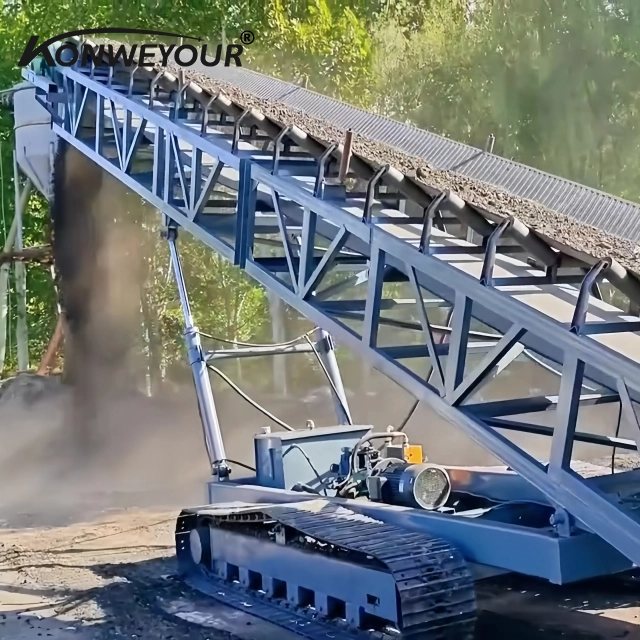
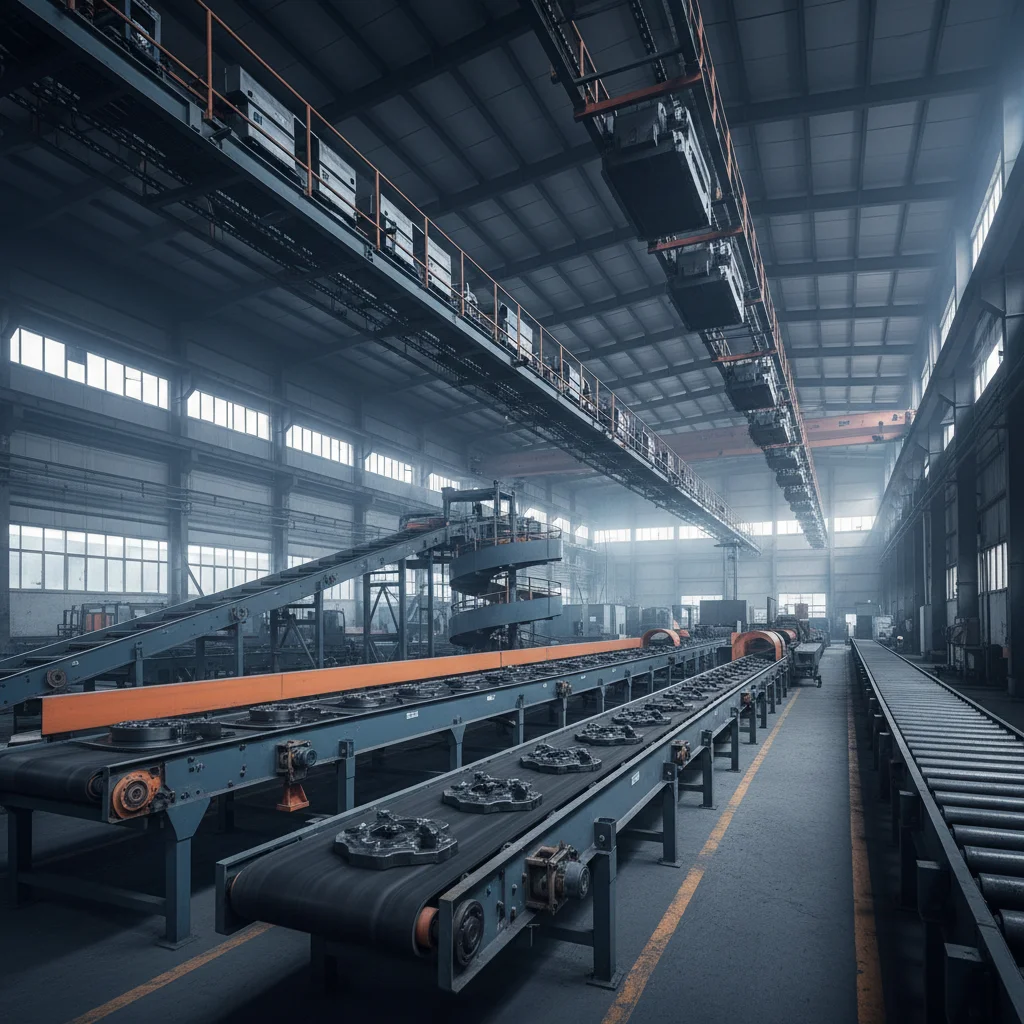
If you’re picturing some big, slow-moving, industrial contraption dragging boxes around, you’re not far off—but infeed belt conveyors are so much more than just “belts.” In simple terms, an infeed belt conveyor is the front-runner of a conveyor system, tasked with feeding materials smoothly into the next phase of a production or packaging line. This little hero makes all the difference when it comes to maintaining flow efficiency and reducing bottlenecks in manufacturing, logistics, and even disaster relief operations.
Globally, as industries scramble to become more efficient, automated, and environmentally friendly, understanding how these conveyors work can unlock new opportunities. Whether you’re in mining in Australia, automotive assembly lines in Germany, or humanitarian supply chains in crisis zones, infeed belt conveyors serve as the unsung muscle moving it all forward.
The Global Context: Why Infeed Belt Conveyors Matter More Than Ever
According to the International Organization for Standardization (ISO), the global conveyor belt market is slated to grow steadily over the next decade. This is largely driven by automation demands and shifting supply chains. For example, in 2022, over 60% of manufacturing companies worldwide integrated some form of conveyor technology — all relying heavily on effective infeed designs to maintain speed and accuracy.
But here’s the kicker: despite this growth, many plants wrestle with downtime caused by inefficient infeed conveyors—that slow or jerky material feeding that seats production rates and quality. So, the real challenge manufacturers and suppliers face is designing infeed belt conveyor systems that can adapt quickly to varied loads without causing delays or damage.
Defining the Infeed Belt Conveyor: What It Is and Why You Should Care
Put simply, an infeed belt conveyor is the initial conveyor segment that receives raw materials or goods to transport them onward—typically into processing machines or sorting stations. Unlike general conveyors that distribute loads over long distances, infeed belts focus on precise control and alignment.
Think of it as the welcoming gatekeeper at a busy factory; without it, the entire assembly line risks chaos. In broader humanitarian contexts, for instance, these systems expedite the handling of emergency supplies at ports and logistics hubs, speeding up aid distribution when every second counts.
Core Components and Features Every Infeed Belt Conveyor Needs
1. Durability Under Tough Conditions
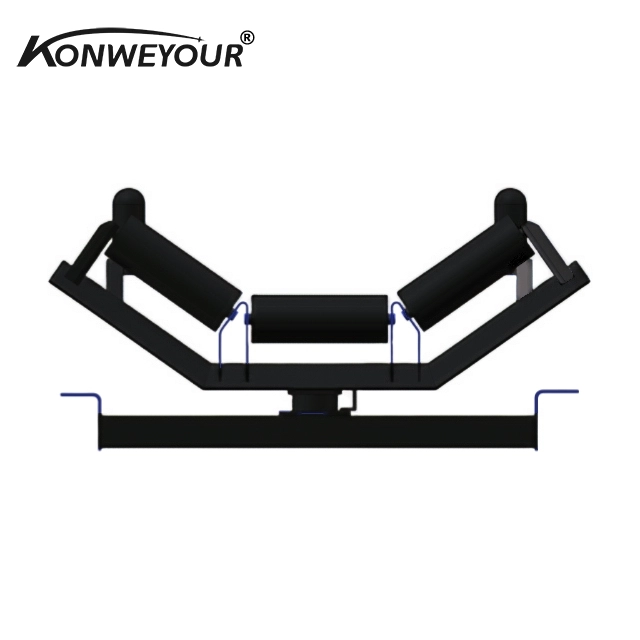
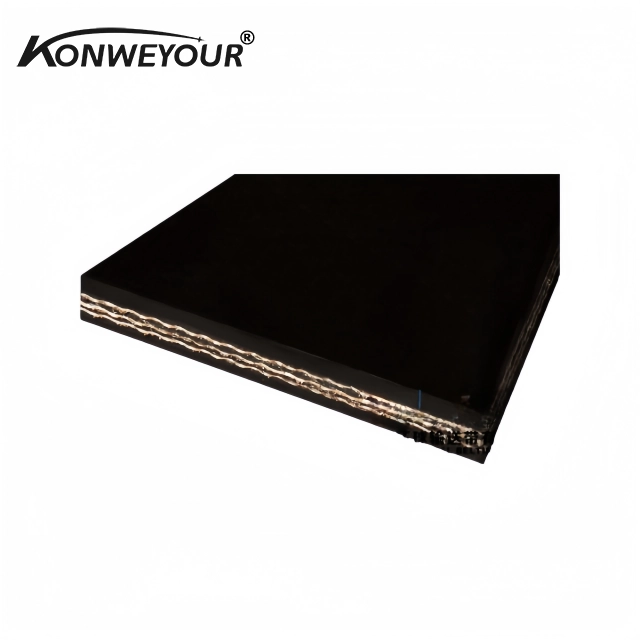
Industrial environments, especially mining or chemical processing, are harsh. Many engineers emphasize the use of abrasion-resistant materials and reinforced framing to ensure the conveyors don’t bow under stress or malfunction.
2. Scalability and Customization
One size hardly fits all. Thanks to modular designs, infeed belt conveyors can be expanded or reconfigured as production needs shift. Scalable motors and variable speed drives enable seamless changes in throughput without halting the line.
3. Accurate Speed & Load Control
Feeding the next process accurately requires tight control over belt velocity and load distribution. Sensors and advanced PLC (Programmable Logic Controllers) integration mean that the belt “knows” what’s coming and can adjust in real-time.
4. Energy Efficiency
With sustainability a global mandate, new belt materials like low-friction composites reduce power draw, while smart motors switch off automatically after idle periods, improving environmental performance.
5. Safety Measures
Emergency stops, safety guards, and fail-safe braking systems are must-haves. They not only protect equipment but also workers, which is critical when handling heavy or hazardous materials.
Mini takeaway: Infeed belt conveyors blend rugged design with smart technology to ensure seamless and reliable material feeding—a cornerstone of modern manufacturing efficiency.
Where Around the World Are Infeed Belt Conveyors Changing the Game?
Industries worldwide benefit from these systems. For instance, in Asia’s booming electronics sector, precise infeed conveyors facilitate the transfer of delicate components with minimal damage. In North America, agriculture companies use them for sorting fresh produce faster and more gently than manual handling would allow.
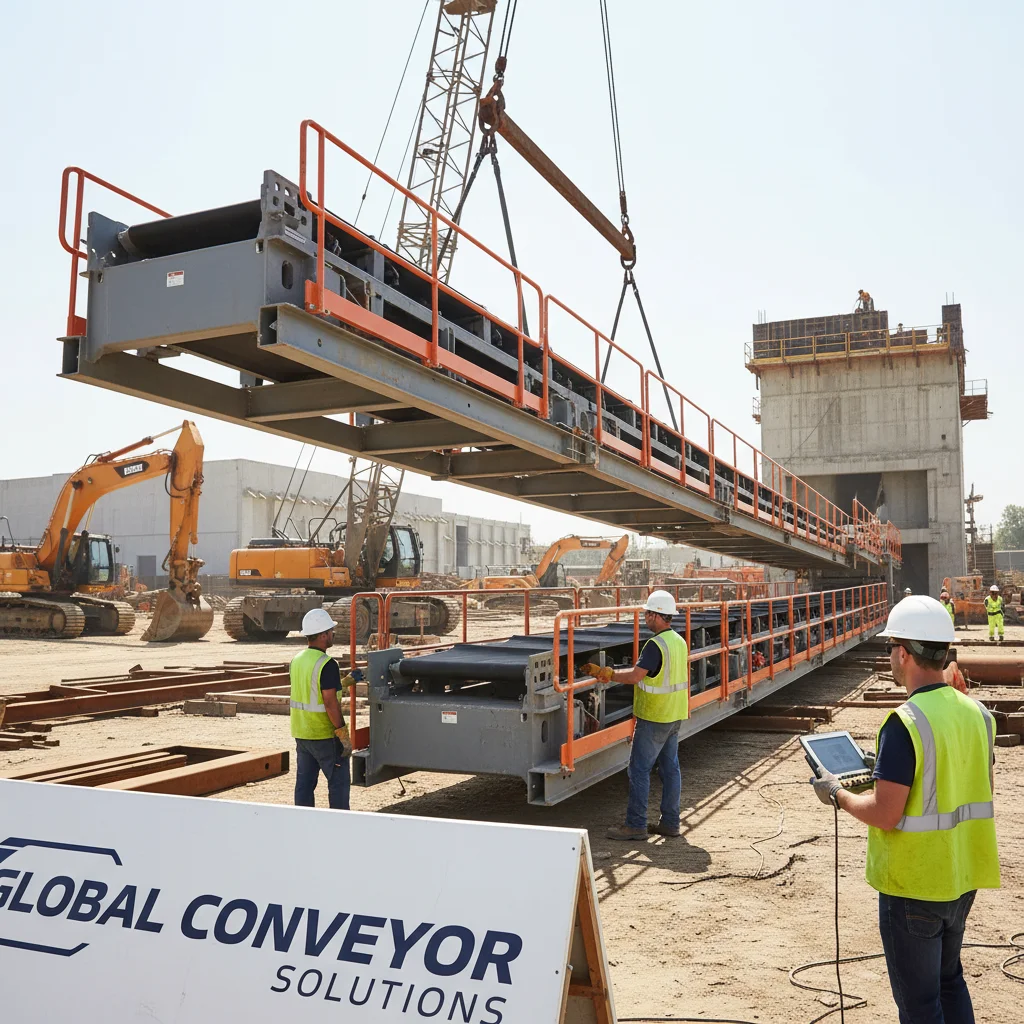
Humanitarian agencies like the United Nations Office for the Coordination of Humanitarian Affairs leverage mobile infeed belt conveyors in crisis zones to speed up the shipment and sorting of relief supplies—cutting delivery times and ensuring aid reaches those in need efficiently.
Oddly enough, the mining sector in Australia openly reports a 15% boost in output by upgrading to dynamic infeed belt solutions that can better handle varying ore grades and sizes.
Product Specification Snapshot: Typical Infeed Belt Conveyor Model
| Specification |
Value/Feature |
| Belt Width |
500 mm – 1500 mm |
| Motor Power |
1.5 kW – 7.5 kW |
| Speed Range |
0.5 – 3 m/s (variable) |
| Load Capacity |
Up to 2000 kg/m |
| Frame Material |
Carbon Steel (option for stainless steel) |
| Control Systems |
PLC-based with sensor input |
The Advantages of Using Infeed Belt Conveyors: More Than Just Speed
Beyond moving goods fast, these conveyors deliver lasting value:
- Cost Efficiency: Reduces labor needs and minimizes product damage.
- Sustainability: Energy-saving motor systems reduce carbon footprint.
- Reliability: Designed to operate 24/7 with minimum downtime.
- Safety and Dignity: Protects workers by automating dangerous loading tasks.
- Trust and Innovation: Adaptation to smart factory trends reassures clients.
It’s a rare piece of tech you can describe both as a “workhorse” and a “precision tool,” and that duality seems to be its winning formula.
Vendor Options: How Do Leading Infeed Belt Conveyor Suppliers Compare?
| Supplier |
Customization |
Tech Features |
Price Range |
Lead Time |
| JT Conveyor |
High – Modular & scalable |
PLC & sensor integration |
$$$ |
4-6 weeks |
| ConveyTech Pro |
Medium – Fixed models |
Basic speed control |
$$ |
6-8 weeks |
| Global Belt Systems |
Low – Standard products |
Manual controls |
$ |
2-3 weeks |
Emerging Trends & Innovations in Infeed Belt Conveyor Technology
Looking forward, the conveyor landscape is evolving fast. Many manufacturers experiment with smart infeed belt conveyor setups equipped with IoT sensors for predictive maintenance. This means less downtime because the system "phones home" before a breakdown happens.
Emerging belt materials are lighter with better grip and less friction, reducing energy consumption. There’s also talk about hybrid power systems that combine solar panels with traditional motors—particularly useful for remote operations where grid power is unstable.
Automation continues to push the boundaries: robotics arms often coordinate directly with infeed belts to streamline loading processes without human intervention, improving both speed and safety.
Facing Challenges: What Could Go Wrong and How to Fix It
Despite their many perks, infeed belt conveyors face challenges like belt misalignment, wear and tear, and sensor faults—especially in dusty or high-humidity settings. But it’s not all doom and gloom. Many engineers swear by regular preventive maintenance schedules and protective covers that extend component life.
Also, modular designs help operators swap out parts quickly without shutting down entire lines, reducing costly delays.
FAQ: Your Questions About Infeed Belt Conveyors Answered
Q1: How do I choose the right belt width for my application?
A1: The belt width depends largely on your material size and throughput needs. Smaller, lighter goods require narrower belts (around 500 mm) while heavier bulk items need wider belts (up to 1500 mm or more). Always consider future scalability when deciding.
Q2: Can infeed belt conveyors handle irregular shaped items?
A2: Yes, but it depends on the belt surface and speed control. Textured or cleated belts help grip uneven shapes better, reducing slip and jams. Slow and steady speeds also improve handling of tricky items.
Q3: Are infeed belt conveyors suitable for hazardous environments?
A3: Absolutely, provided you specify explosion-proof motors, stainless steel frames, and suitable control enclosures. Many vendors offer customized solutions for chemical or mining sites.
Q4: What kind of maintenance schedule is recommended?
A4: Routine weekly visual checks combined with quarterly deeper inspections ensure longevity. Look out for belt wear, alignment, and motor performance. Sensors should be tested regularly to prevent unexpected faults.
Q5: How can I integrate an infeed belt conveyor with other automation systems?
A5: Modern conveyors often include PLCs compatible with your plant’s control software, allowing smooth integration with robotic arms, sorters, or packaging machines. Communication protocols like Ethernet/IP or Modbus are common.
In Conclusion: Why Investing in Infeed Belt Conveyors is a Smart Move
We’ve rambled through definitions, specs, global contexts, and future trends, but it’s clear: a well-designed infeed belt conveyor is more than just a part of the supply chain—it’s a productivity multiplier, safety enhancer, and sustainability enabler. Whether you’re upgrading an existing line or building new infrastructure, choosing the right infeed conveyor is like hiring a reliable team member who never takes a coffee break.
If you’re ready to explore how modern infeed solutions can transform your operation, visit our website at JT Conveyor to learn more.
References & Further Reading
- Wikipedia: Conveyor Belt
- ISO Standards
- United Nations Office for the Coordination of Humanitarian Affairs