Truck Loading Belt Conveyor: The Unsung Backbone of Efficient Logistics
At first blush, a truck loading belt conveyor sounds like just another industrial gadget — but don’t be fooled. Globally, these conveyor systems quietly keep supply chains humming, saving time, reducing injuries, and cutting costs. Whether it's moving tons of grain in Kansas or loading relief supplies after flooding somewhere remote, their value is unmistakable. Understanding how truck loading belt conveyors work and why they matter is key if you're involved in logistics, warehouse management, or any field that needs fast, reliable truck loading.
Global Context: Why Truck Loading Belt Conveyors Matter More Than Ever
Let’s put things into perspective. According to the International Road Transport Union, over 70% of global freight moves (by weight) via trucks — yes, trucks still reign supreme in cargo transport despite the buzz about drones and autonomous vehicles. Loading and unloading these trucks efficiently is a logistical challenge worldwide. Add rising labor costs, workplace safety concerns, and tight delivery schedules, and suddenly the role of modern truck loading belt conveyors becomes glaringly crucial.
Beyond industry, these conveyors play roles in humanitarian efforts. The UN Office for Disaster Risk Reduction highlights how rapid supply chain setups save lives during crises; conveyors aid by quickly moving large volumes of aid materials. It’s not just "nice to have," it’s often “mission critical.”
Mini Takeaway: Truck loading belt conveyors bridge the gap between bulk material supply and speedy distribution, impacting everything from everyday commerce to emergency response.
What Exactly Is a Truck Loading Belt Conveyor?
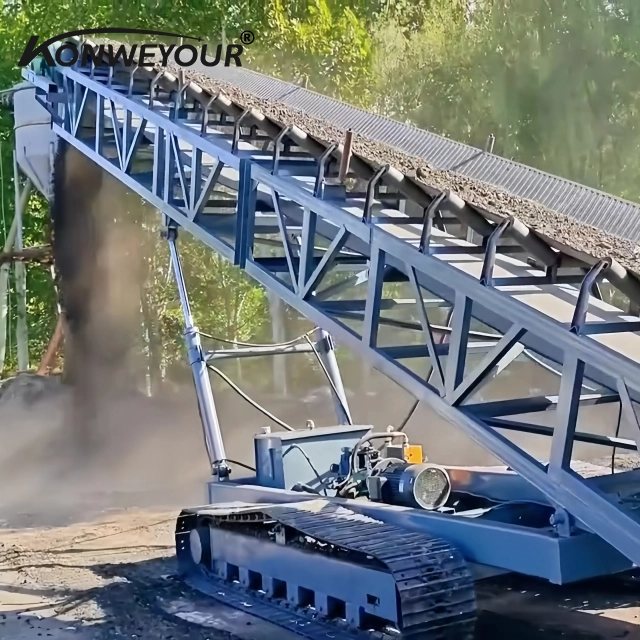
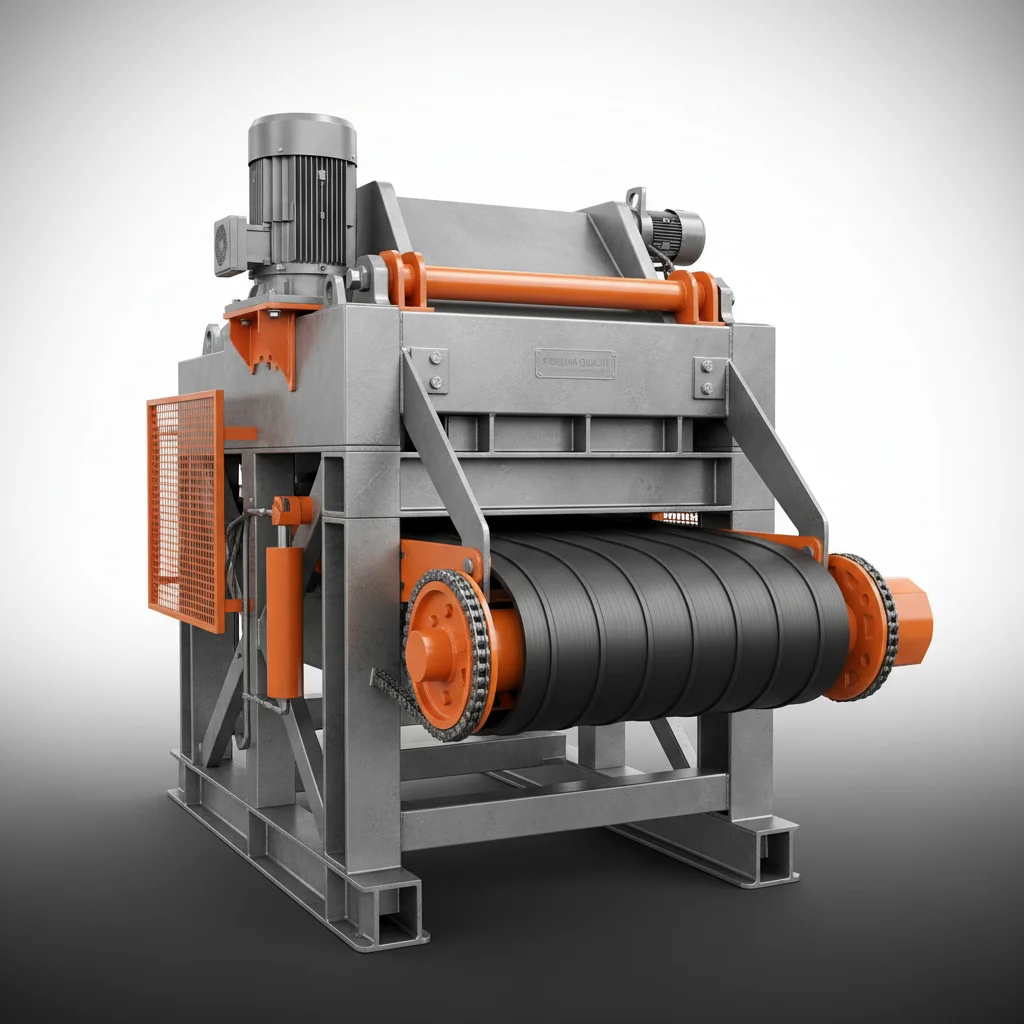
Simply put, a truck loading belt conveyor is a conveyor system designed specifically for loading trucks quickly, safely, and efficiently. It typically consists of a powered belt that transports materials — think anything from packaged goods to loose bulk like grains or coal — from a fixed point into the truck’s cargo area. This speeds up loading compared to manual forklifts or manual labor, but with more flexibility than totally fixed industrial conveyors.
They’re like the “middlemen” of modern logistics: connecting warehouses, silos, or packing lines to the truck loading dock without the chaos of forklifts zipping in and out, or workers hauling heavy loads. It’s a blend of practical design and industrial engineering.
Core Components and Design Features to Watch For
1. Durability & Material Quality
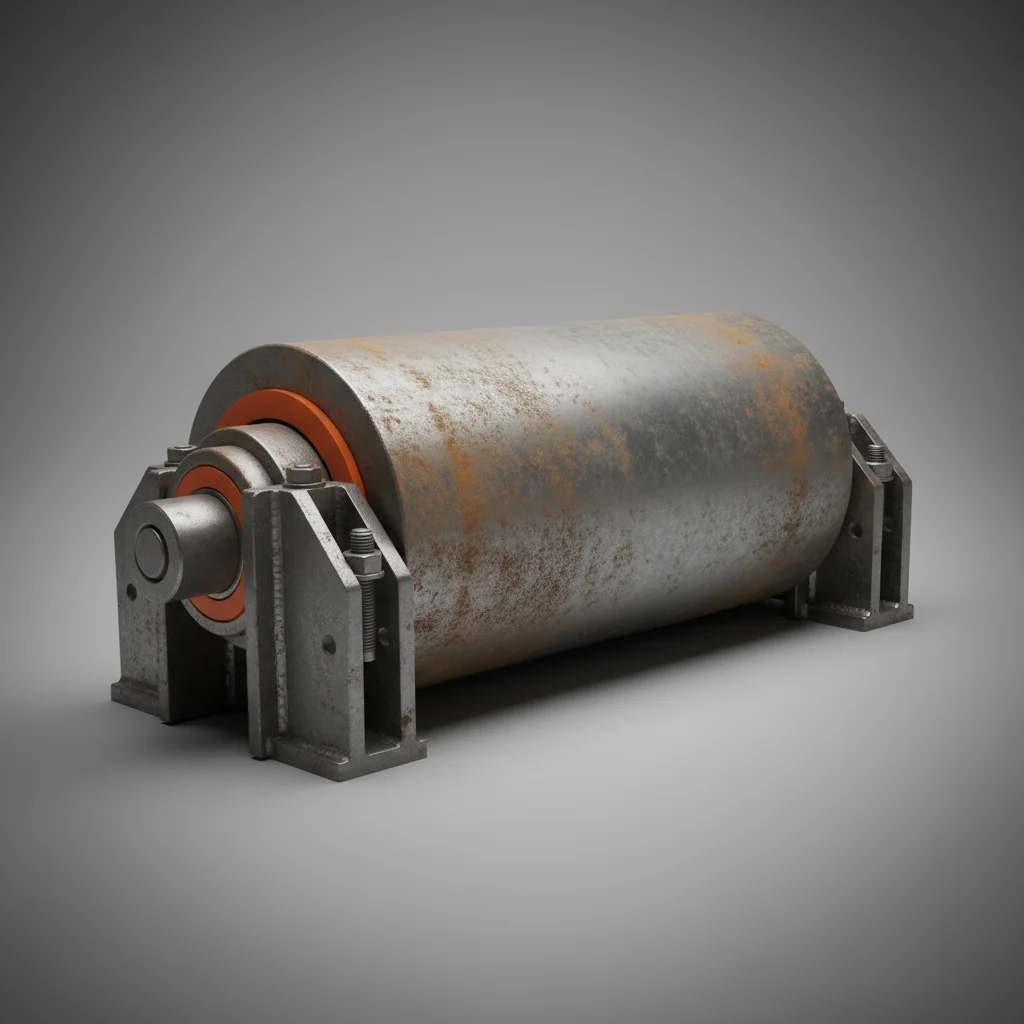
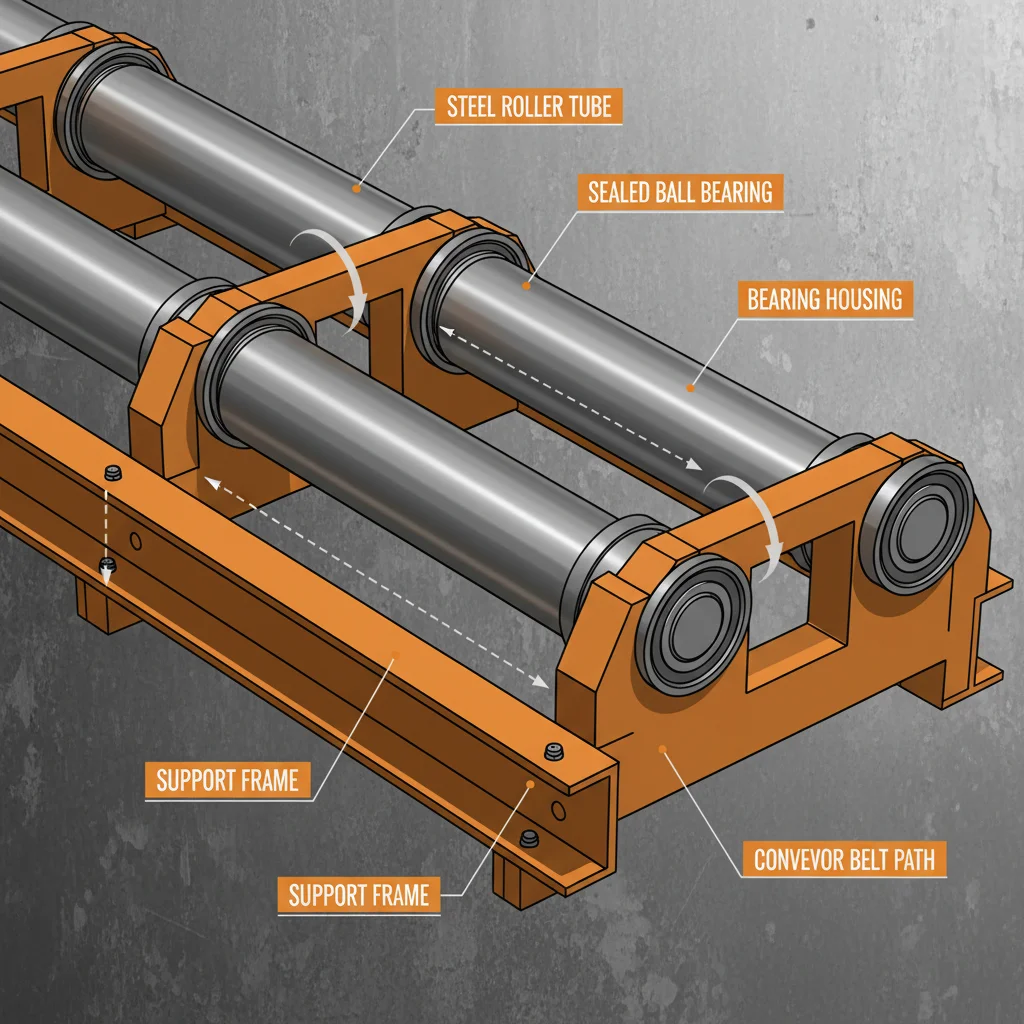
Whether you need to move grain or carton boxes, the conveyor’s belt and frame materials matter. Commonly, manufacturers use heavy-duty steel frames with belts made from nitrile rubber or PVC, designed to resist wear and tear. For corrosive or wet products, specialized belts come into play.
2. Portability and Scalability
Some conveyors need to travel between warehouse docks or disaster zones — others stay put. Portability features like wheels or foldable sections allow quick redeployment, while scalable lengths and adjustable heights enable diverse truck sizes.
3. Load Capacity & Speed
Load capacity hinges on belt width, motor power, and frame stability. Trucks aren’t uniform; some require fast loading rates if you’re running a tight schedule, whereas others prioritize heft over speed.
4. Cost Efficiency & Maintenance
More often than not, operators want conveyors that balance upfront investment with low maintenance costs. This includes easy belt replacement, simple motor setups, and minimal power consumption.
5. Safety Features
Emergency stop switches, non-slip surfaces, and guards to prevent accidental contact with moving parts help protect workers — a non-negotiable in any workplace.
Typical Specifications for a Truck Loading Belt Conveyor
| Specification |
Details |
| Belt Width |
500 mm – 1200 mm |
| Length (adjustable) |
5 m – 20 m |
| Load Capacity |
Up to 5,000 kg/hr |
| Motor Power |
1.5 kW – 5 kW |
| Portability |
Wheels and adjustable legs |
| Safety |
Emergency stop switches, guards |
Mini Takeaway: Choosing the right conveyor means balancing durability, speed, and safety — tailored to your unique loading demands.
How Truck Loading Belt Conveyors Are Helping Around the World
Their applications are surprisingly diverse. In North America and Europe, these conveyors streamline logistics hubs, ensuring trucks get loaded in hours rather than days. In agricultural zones — whether the vast wheat belts of Canada or rice paddies in Southeast Asia — conveyors help transition massive harvest volumes into trucks before spoilage sets in.
Oddly enough, in humanitarian settings, truck loading belt conveyors become invaluable assets. After hurricanes or floods devastate infrastructure, NGOs use these mobile conveyors to quickly transfer relief supplies from storage tents to waiting trucks, cutting delays and manual backbreaking labor. It’s a clear example of technology lending a helping hand when time is everything.
Vendor Comparison for Truck Loading Belt Conveyors
| Vendor |
Typical Price Range |
Customization Options |
Lead Time |
Warranty |
| JT Conveyor |
$8,000 – $25,000 |
Belt types, lengths, power |
4-6 weeks |
2 years |
| Global Conveyors Inc. |
$7,500 – $22,000 |
Modular sections, control panels |
6-8 weeks |
1.5 years |
| Conveyor Dynamics |
$9,000 – $30,000 |
Automation, sensors |
5-7 weeks |
3 years |
Why Invest in a Truck Loading Belt Conveyor? The Long-Term Value
Over the years, many operators report that early investment in reliable conveyors pays off in smoother operations. Less strain on workers means fewer injuries and vacations, a real hidden cost in supply chains. Faster loading trucks translate into more trips, so revenues often rise.
On the emotional side, there’s pride in knowing you operate safely and efficiently. You’re innovating, not just getting the job done. Sustainability also plays a growing role; conveyors can reduce energy consumption compared to older mechanical loaders or forklifts idling for hours. And we all know the world’s watching companies that take social responsibility seriously.
What’s Next? Trends Shaping the Future of Truck Loading Belt Conveyors
Manufacturers are riding the digital wave. Smart conveyors equipped with sensors can predict maintenance needs, reducing downtime. Integration with warehouse management software means full process transparency from stock to shipment.
Green energy is another hot topic — solar-powered conveyor motors and regenerative braking systems promise environmental benefits. Materials science is advancing too, with belts that better resist heat, abrasion, or even self-clean. Automation is still budding here but growing fast.
Overcoming Common Challenges
Sure, no system is perfect. Portability sometimes conflicts with robustness — a lightweight conveyor isn’t always as durable. Belt misalignment, motor burnout, or uneven loading are everyday headaches many face.
Expert advice? Regular preventative maintenance, investing in slightly oversized motors, and choosing a vendor known for responsive service can make a huge difference. Plus, operator training shouldn’t be underestimated — even the best conveyor can be ruined by careless use.
FAQ: Your Questions on Truck Loading Belt Conveyors
- How quickly can a truck loading belt conveyor be set up?
- Most conveyors can be deployed and operational within hours, especially portable models designed with quick assembly in mind. Simpler setups take less time, but site-specific factors like terrain and truck size can add to setup time.
- Are these conveyors suitable for all types of cargo?
- Generally, yes. They work best for bulk or packaged items suited to belt transportation. Extremely fragile or oddly shaped items might require alternative loading methods or specialized belt types to avoid damage.
- What maintenance is usually required?
- Routine checks include belt tension, motor lubrication, and safety switch testing. Belts may need replacing every few years depending on use. Keeping the system clean from debris extends lifespan greatly.
- Can conveyors be customized for specific truck sizes?
- Absolutely. Many suppliers offer adjustable height stands and modular belt lengths to fit different truck heights and bed widths, ensuring efficient loading without spillage or damage.
- Is automation common in these conveyor systems?
- Automation is increasingly integrated, especially in large logistics centers. Features like automatic speed control, sensors for load detection, and remote monitoring add efficiency, though many smaller operations stick with manual controls for flexibility.
Final Thoughts: Why Truck Loading Belt Conveyors Are a Smart Investment
In short, investing in a quality truck loading belt conveyor isn’t just about buying equipment; it’s about boosting operational reliability, worker safety, and environmental responsibility. When you factor in long-term savings and adaptability, it’s hard not to see these conveyors as essential for any modern logistics or industrial operation.
Want to learn more about how a truck loading conveyor can elevate your workflow? Check out trusted vendors like JT Conveyor for tailored solutions that fit your unique needs.
References
- International Road Transport Union - Global Freight Transport Statistics
- UN Office for Disaster Risk Reduction - Supply Chain Resilience in Humanitarian Aid
- Wikipedia on Conveyor Belts