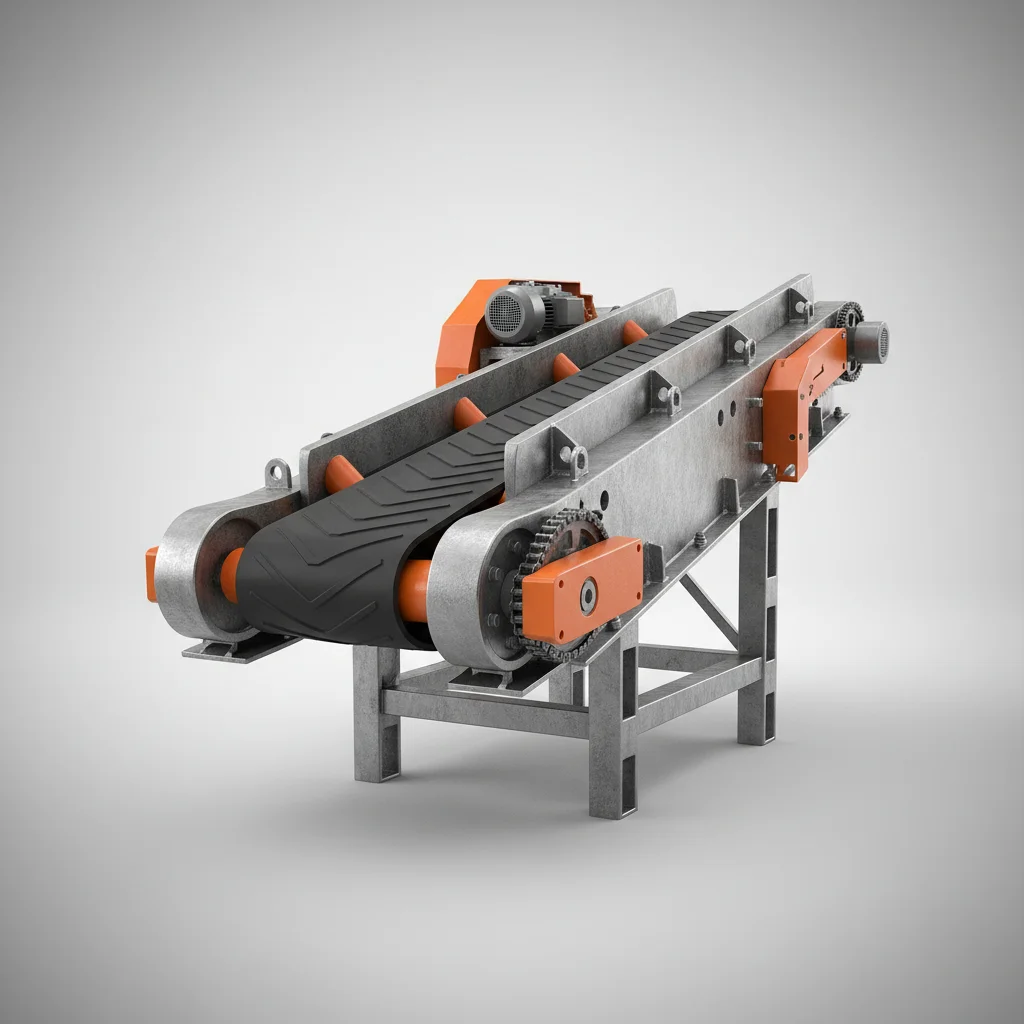
Understanding Hopper Belt Conveyor: Why It Matters Globally
You might wonder why hopper belt conveyors keep popping up in industrial talks and humanitarian logistics. At its core, this equipment streamlines movement of bulk materials — think grains, minerals, building debris — making operations faster, safer, and more efficient. Globally, industries like mining, agriculture, construction, and disaster relief hinge on reliable material transport. Inefficiencies here can ripple into huge losses in cost and time, sometimes even putting safety at risk.
To put it plainly: hopper belt conveyors aren’t just mechanical tools, they’re vital cogs in the machine of global development and crisis response. From remote mines in Australia to post-disaster cleanups in Southeast Asia, their role grows every year, underpinning supply chains and helping rebuild communities faster.
Mini takeaway: Knowing how hopper belt conveyors work and why they matter gives insight into the backbone of many modern industries—and why investing in the right system is more than just machinery choice; it’s about resilience and efficiency worldwide.
The Global Context: Hopper Belt Conveyor in Industry and Logistics
Worldwide, industrial output has tripled over the last two decades, with material handling technology keeping pace through innovation and adaptation. According to the International Organization for Standardization (ISO 5048 on bulk material handling), conveyors akin to hopper belt types boost productivity by as much as 40% compared to traditional manual or wheeled transport methods.
But there’s a problem. Many rapidly developing regions still grapple with inefficient material transfer methods — think dusty, slow, often dangerous. Hopper belt conveyors tackle this by offering controlled, continuous transport that can be tailored for bulk flow rates and tough environments. Emerging economies, heavy freight hubs, and humanitarian agencies rely increasingly on these to reduce bottlenecks and hazards, especially when time and safety are at premium, such as in disaster zones or large-scale construction projects.
Mini takeaway: The relevance of hopper belt conveyor goes beyond factory walls—it’s about enabling infrastructure and relief globally, improving safety, speed, and scale.
What Exactly Is a Hopper Belt Conveyor?
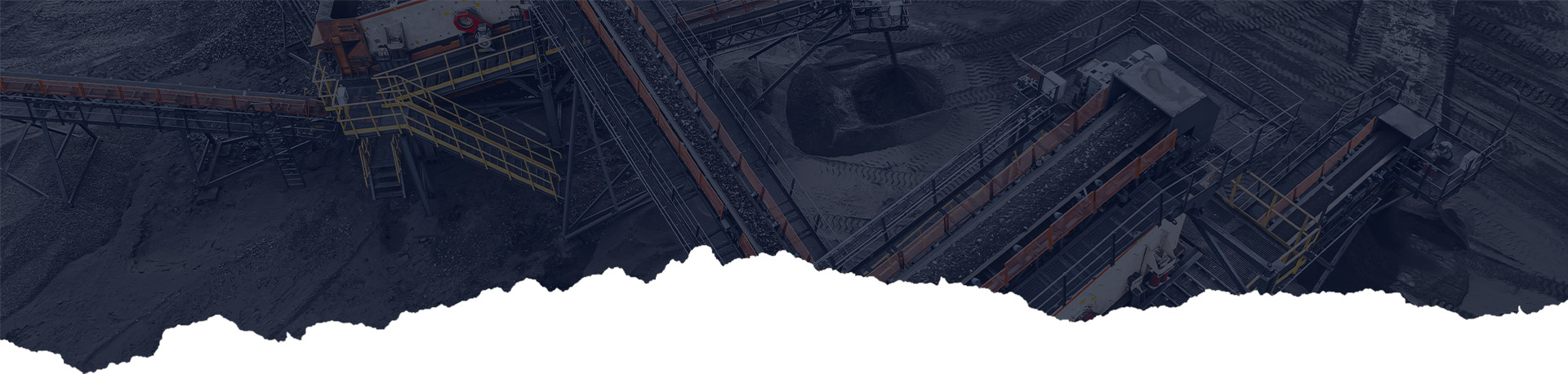
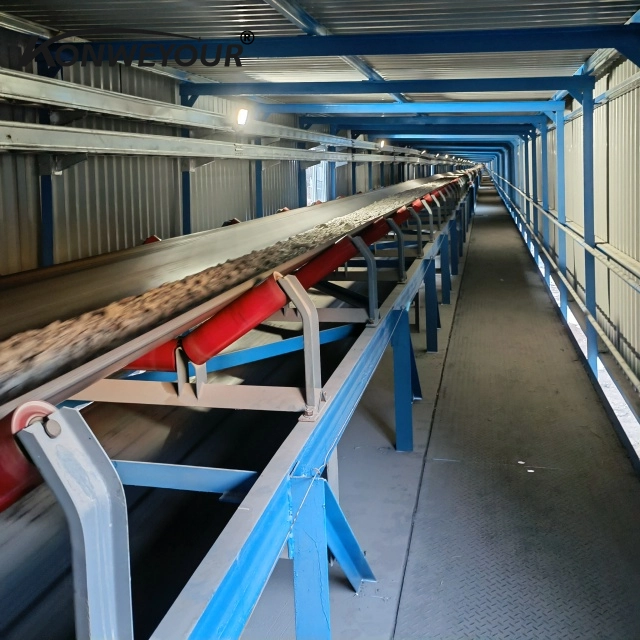
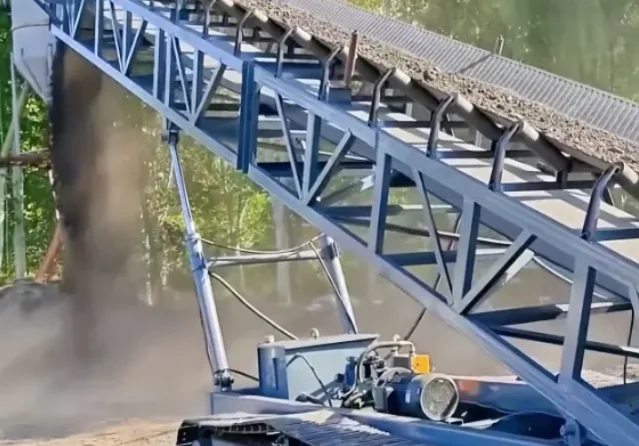
Simply put, a hopper belt conveyor consists of a trough-like hopper feeding bulk materials onto a continuous belt that moves them efficiently from one area to another. Imagine a giant, slowly moving conveyor belt with a funnel-shaped hopper continuously feeding materials like sand, coal, or grain onto it in a controlled stream so nothing spills or clogs up the system.
This technology connects modern industry’s need for fast, reliable transport with humanitarian aims—ensuring materials (food, shelter supplies, construction debris) get where they’re needed without manual heavy lifting or contamination risks. The hopper reduces dust and spillage, while the belt’s steady motion manages flow volume smoothly.
Core Components of Hopper Belt Conveyor Systems
1. Durability and Materials
Because hopper belt conveyors often face abrasive, heavy bulk materials, their construction demands wear-resistant materials like rubberized belts, hardened steel frames, and corrosion-resistant alloys. Durability ensures longer service life and less downtime — something every facility manager dreams of, honestly.
2. Scalability and Flexibility
The conveyor length, belt width, and hopper capacity must be customizable. Whether you’re moving 1 ton per hour or 100, the system’s modular design allows workers to adapt to fluctuating throughput without replacing everything.
3. Cost-Efficiency and Maintenance
While upfront investment can be significant, over the conveyor’s lifespan it reduces labor costs, material waste, and accident risk. Modern designs incorporate quick-change components and self-cleaning belts to minimize maintenance hassles.
4. Safety Features
Integrated safety shields, emergency stop buttons, and dust control mechanisms reduce injury risks. Especially in busy industrial settings, these features are essential to safeguard operators and equipment integrity.
5. Environmental Resistance
From desert heat to Arctic chill, hopper belt conveyors need to operate reliably. Sealed bearings, UV-resistant belts, and weatherproof motors keep the system humming amidst extreme conditions.
Mini takeaway: Hopper belt conveyors are engineered thoughtfully to balance durability, adaptability, and safety—key for real-world use where conditions and demands change constantly.
Global Applications and Real-World Examples
Across industries and continents, hopper belt conveyors shine:
-
Mining in South America: Moving crushed ore from extraction points to processing plants, dramatically cutting down hauling time and dust pollution.
-
Agriculture in Eastern Europe: Automated grain loading for export, streamlining warehouse management and shipment prep.
-
Disaster Relief in Southeast Asia: Rapid debris removal and supply distribution post-typhoon, enabling faster recovery and shelter rebuilding.
-
Hopper belt conveyor technology even pops up in sectors like recycling, pharmaceuticals, and food processing — anywhere controlled movement of bulk solids counts.
Mini takeaway: Real-life cases demonstrate how hopper belt conveyors not only speed production but directly support communities in crisis and complex industrial environments.
Advantages and Long-Term Value of Hopper Belt Conveyors
When thinking about conveyor systems, the ROI often stretches beyond dollars.
-
Cost Savings: Reduced manual labor and lower spillage translate to real money saved.
-
Sustainability: Efficient material handling means less waste, lower energy consumption, and fewer emissions when compared to trucks or forklifts.
-
Safety & Dignity: Workers avoid heavy lifting and exposure to dust or noise — leading to healthier conditions.
-
Reliability: Continuous operation without frequent breakdowns keeps projects on track.
-
Innovation Trust: Investing in modern conveyor tech signals commitment to progress and competitive advantage.
It’s a blend of emotional satisfaction and practical business sense. Companies say, “We sleep easier knowing materials are moving safely and efficiently.”
Product Specifications Table
| Specification |
Typical Range / Options |
| Belt Width |
400 mm to 2000 mm |
| Hopper Capacity |
0.5 to 5 cubic meters |
| Belt Speed |
0.5 to 3 m/s (adjustable) |
| Material |
Rubberized, PVC, Steel frame construction |
| Power Source |
Electric motor (~5-15 kW), solar-compatible options |
| Operating Environment |
Indoor/outdoor, temperature -20 to +60 °C |
Vendor Comparison: Leading Hopper Belt Conveyor Providers
| Feature |
ConveyorCo |
BulkFlow Systems |
JT Conveyor |
| Belt Width Options |
400-1500 mm |
600-2000 mm |
400-2000 mm |
| Hopper Material |
Mild steel |
Stainless steel |
Corrosion-resistant alloys |
| Customization |
Limited |
Moderate |
Highly flexible |
| Price Range |
$12,000–$30,000 |
$15,000–$35,000 |
$13,500–$33,000 |
| Warranty |
1 year |
2 years |
2 years + extended plans |
Looking Ahead: Trends & Innovations in Hopper Belt Conveyor Tech
The conveyor industry is buzzing with green ambitions and smart tech integrations. Emerging developments include:
-
Solar-powered motors: Especially vital where grids are unreliable.
-
AI and IoT sensors: For real-time monitoring, predictive maintenance, and adaptive speed control.
-
Eco-friendly materials: Belts made partly from recycled rubber or bioplastics reducing carbon footprints.
-
Modular quick-install designs: That reduce deployment time dramatically when disaster strikes or rapid plant expansion is needed.
It's odd but exciting to witness a decades-old technology morph into a smart, sustainable tool. Some engineers even joke about smart conveyors "communicating" with operators to avoid jams or detect wear.
Challenges and How to Overcome Them
Despite their obvious virtues, hopper belt conveyors aren’t flawless:
-
Material spillage and dust: Though improved, certain fine or sticky materials still challenge control.
-
Maintenance complexities: Especially in remote areas, spare parts and expertise might be scarce.
-
Power dependency: Many systems rely on steady electricity, problematic in some regions.
To counter these, experts recommend:
- Hybrid systems combining enclosed conveyors and dust suppression.
- Training local technicians and stocking critical parts on-site.
- Renewable power integrations like solar or wind mini-grids.
I noticed when visiting some remote sites, the blend of old-school know-how and high-tech was usually the magic ingredient: vintage conveyors upgraded with sensors, run by seasoned operators who know every creak.
FAQs About Hopper Belt Conveyor
Q1: How do hopper belt conveyors handle different types of materials?
Most systems offer adjustable hopper sizes and belt speeds to accommodate a wide range of materials—from granular grains to coarse aggregates. The key is choosing the right belt surface texture and hopper lining based on material abrasiveness and moisture content.
Q2: What maintenance practices keep these conveyors reliable?
Regular inspections for belt tension, wear, motor function, and hopper cleanliness are critical. Many recommend monthly checks, with lubrication schedules for moving parts and prompt replacement of worn belts or rollers to avoid costly downtime.
Q3: Can hopper belt conveyors be installed outdoors in harsh climates?
Yes. Models built with weather-resistant components like UV-stabilized belts, sealed bearings, and corrosion-protected frames perform well outdoors, from freezing winters to tropical rainforests. Protective covers also extend service life.
Q4: Are these systems scalable for small and large operations?
Absolutely. From small batch workshops to massive mining complexes, hopper belt conveyors can be tailored in length, belt width, and hopper capacity. Modular designs facilitate future expansions or reconfigurations.
Q5: How quickly can a hopper belt conveyor be deployed in emergency relief?
Deployment speed depends on size and site preparedness, but compact modular units can be operational within days, especially when combined with prefabricated components. Coordination with suppliers ensures rapid shipping and technical support.
Conclusion: Moving Forward with Hopper Belt Conveyors
All things considered, hopper belt conveyors stand as a quietly powerful link in the chain that keeps industries and aid efforts running smoothly. Their blend of engineering savvy, adaptability, and reliability means they’re here to stay and improve as technologies advance. Whether you manage a bustling port warehouse or coordinate post-disaster debris clearance, investing in a solid conveyor solution pays dividends in time saved, safety enhanced, and materials well-managed.
Interested in upgrading or learning more? Visit our website:
https://www.jtconveyor.com to explore hopper belt conveyor models designed for modern challenges.
---
### Mini takeaway reflection:
I suppose after all this, the humble hopper belt conveyor feels less like just a machine and more like a silent partner — quietly efficient, world-trusted. And it's fascinating how something so mechanical can impact so many lives, industries, and futures.
References
- Wikipedia: Conveyor Belt
- ISO Standard 5048: Bulk Material Handling
- UN Sustainable Industrial Development