Understanding Belt and Conveyor Systems: The Backbone of Modern Material Handling
If you’ve ever marveled at how a massive airport smoothly moves luggage around, or how raw materials find their way through gigantic manufacturing plants, you've witnessed the magic of belt and conveyor systems in action. These seemingly simple yet incredibly efficient systems are at the heart of moving goods, spare parts, food products—practically everything—in industries across the world. Why does it matter? Because globally, industries are pushed to be faster, safer, and more reliable while keeping costs down. Getting a grasp on belt and conveyor technology helps businesses streamline operations, reduce waste, and meet rising demand. Plus, in emergency scenarios like disaster relief or construction sites, these systems can be lifelines for swift logistics.
Mini takeaway: Belt and conveyor systems aren't just factory staples; they underpin many facets of daily life and global industry efficiency.
The Global Importance of Belt and Conveyor Systems
In a world increasingly connected through trade and technology, the humble belt and conveyor system quietly drives productivity across continents. According to the International Organization for Standardization (ISO), conveyor belts account for over 30% of bulk material transport worldwide, reducing manual labor and speeding up production cycles. The World Bank highlights that improving logistic infrastructure, including conveyors, can boost developing countries' industrial output by up to 20%. Yet, challenges like energy consumption, mechanical wear, and handling varying materials remain, which pushes innovation. As supply chains grow ever more complex, efficient belt and conveyor technologies become an irreplaceable asset to meet global demand even under pressure — say post-pandemic recovery or green energy pushes.
Mini takeaway: Belt and conveyor systems are critical infrastructure globally but still face hurdles that spur ongoing innovation.
What Exactly Are Belt and Conveyor Systems?
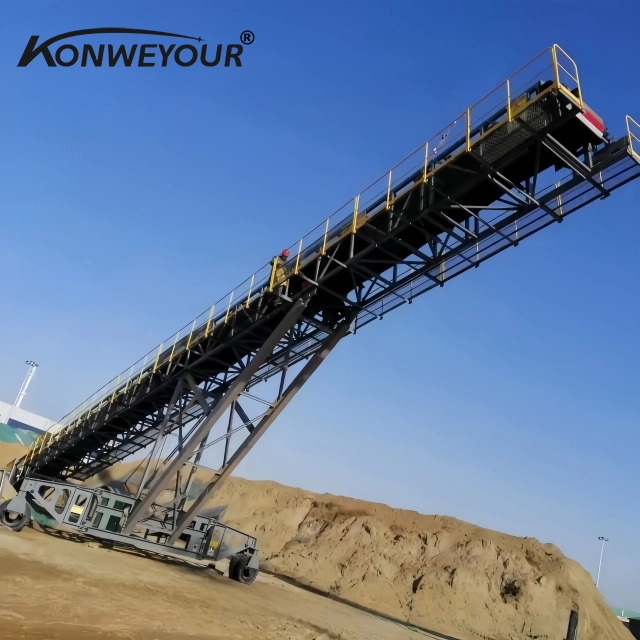
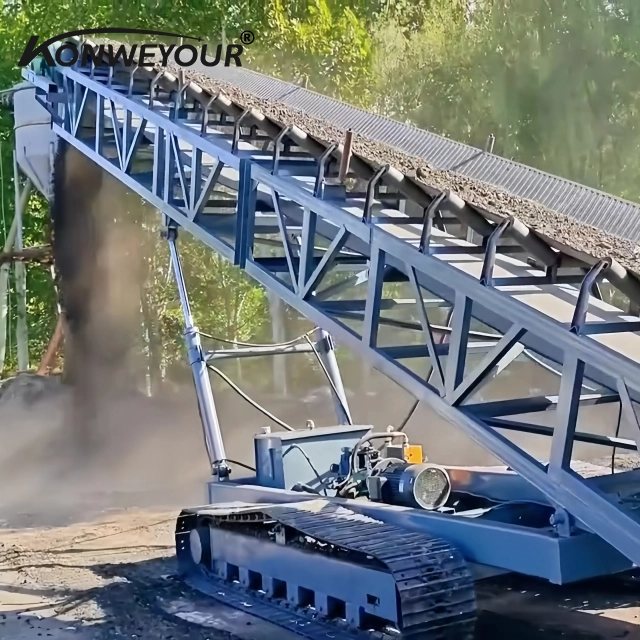
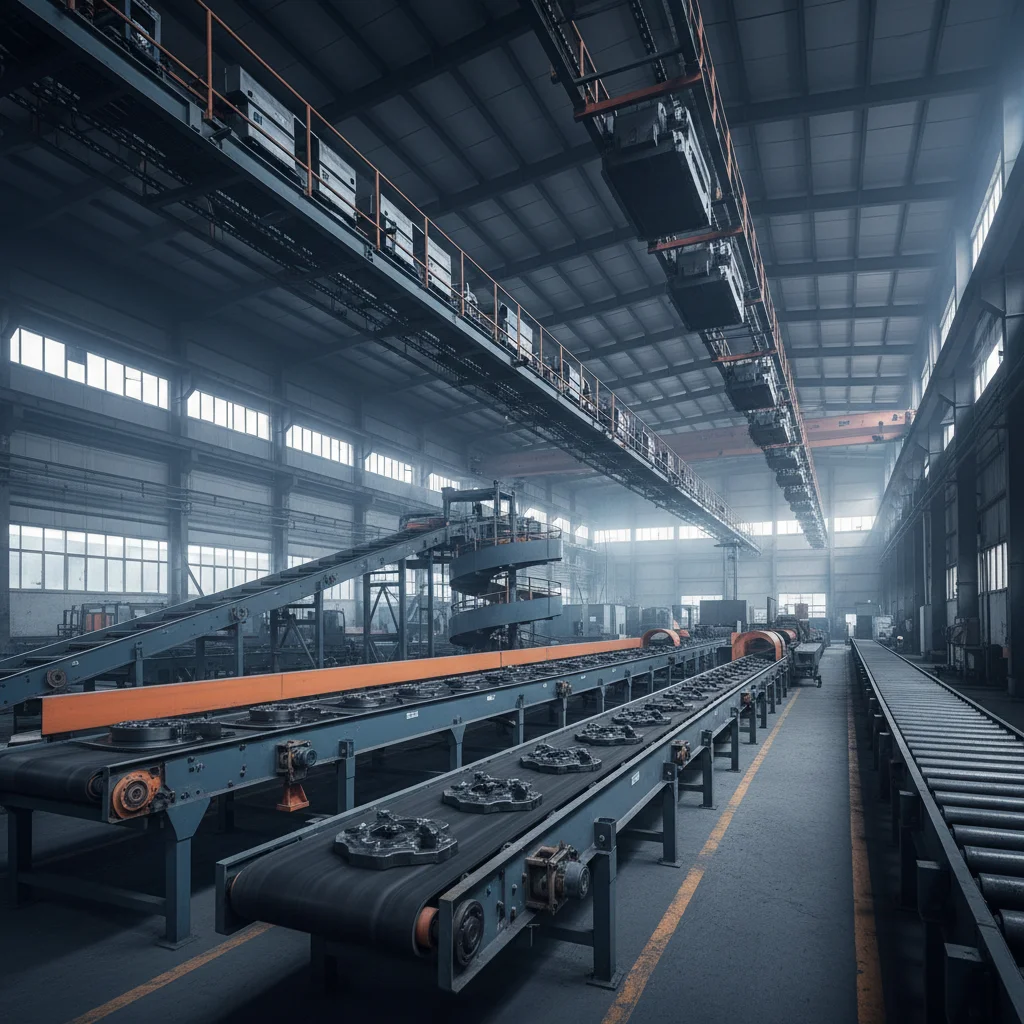
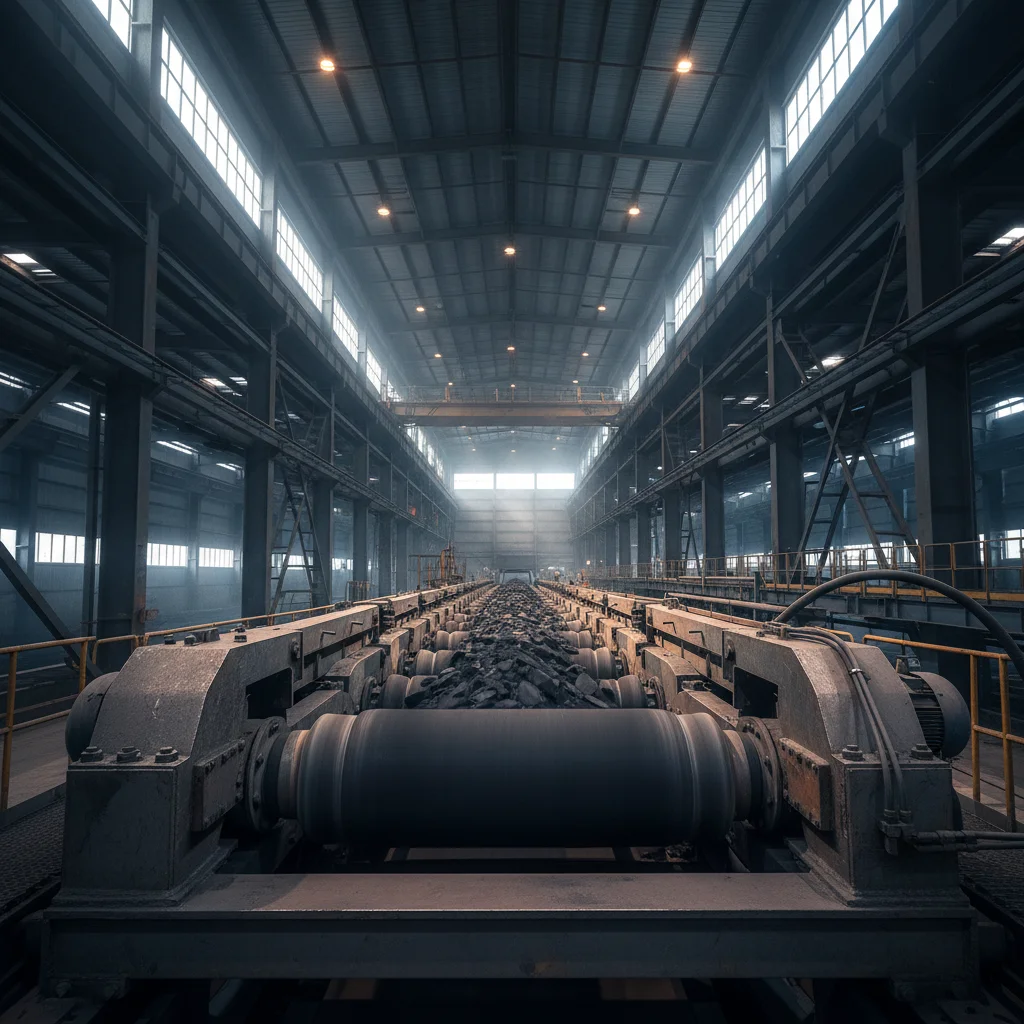
Put simply, a belt and conveyor system refers to a mechanism that moves materials from point A to point B along a continuous belt loop, powered by a motorized pulley. The belt can be made of various materials like rubber, PVC, or even metal, depending on the application. Often mounted with rollers and frames, the conveyor ensures steady, automated transfer of items—be they tiny electronic components, heavy coal chunks, or food packages. This technology is the backbone of many industrial sectors, including mining, food processing, logistics, and even humanitarian efforts, where endlessly repetitive, reliable transport is non-negotiable for efficiency and safety.
Mini takeaway: Belt and conveyor systems make material transport automated and scalable, key in modern industry and aid operations alike.
Key Factors Driving Belt and Conveyor Effectiveness
Durability
One of the biggest priorities is durability — conveyors often operate 24/7 under harsh conditions. Materials must resist abrasion, temperature swings, and even chemical exposure. It’s no surprise many engineers prefer belts with a steel or polyester core layered with protective rubber or fabric coverings for longevity. Without durability, downtime and repair costs can cripple industries.
Scalability
Whether your factory floor grows or you need temporary setups in disaster zones, modular conveyor designs make all the difference. Many systems offer scalable lengths, widths, and speed settings. For example, companies servicing industries with varying size shipments favor modular belts that can be quickly adapted or expanded.
Cost Efficiency
Frankly, the upfront cost is often a huge consideration, but the bigger picture is long-term operational savings. Modern belt and conveyor systems prioritize energy efficiency by adopting variable speed drives and high-performance rollers that reduce friction. Maintenance-friendly designs also cut labor and part replacement costs over time.
Safety Considerations
Conveyor belts must meet strict safety standards (ISO 13849 being one), with emergency stops, sensor warnings, and guarded moving parts to prevent injuries. Safety not only protects workers but also ensures consistent production.
Customization & Integration
Today’s belts are no longer “one size fits all.” They’re customizable to fit various industries with specific needs like anti-static properties for electronics, food-grade materials for hygiene, or incline belts for vertical lifts. Integration with smart sensors and digital controls also allows real-time monitoring and automated troubleshooting.
Mini takeaway: Durability, scalability, cost-efficiency, safety, and customization together define how belt and conveyor systems perform in real-world settings.
Global Use Cases: From Mines to Mega Warehouses
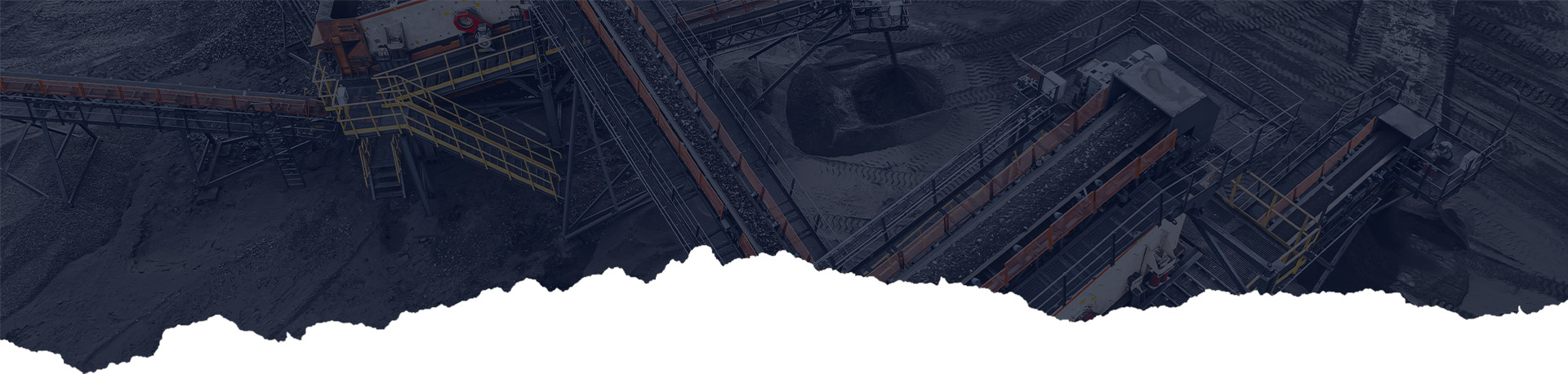
- Mining Operations in Australia and Canada: Heavy-duty conveyor belts transport tons of ore over miles, cutting down truck traffic and emissions.
- Food Processing in Europe: Stainless steel and food-grade conveyors minimize contamination risks—key to health authorities’ standards.
- Humanitarian Aid & Disaster Relief: In remote zones, portable conveyor systems help quickly distribute supplies where traditional trucking is impractical.
- Amazon & E-commerce Fulfillment Centers: Automated sorting conveyors enable lightning-fast order processing in massive warehouses.
Each environment requires uniquely engineered belts with specifications tailored to the operational tempo and material needs.
Advantages and Long-Term Value of Effective Conveyor Solutions
At their core, belt and conveyor systems enhance operational efficiency by reducing manual labor and streamlining workflows. The emotional impact shouldn’t be overlooked: a well-running conveyor means safer working conditions and lower accident risks, fostering worker trust and morale. Economically, they conserve energy compared to alternatives like forklift fleets rolling endlessly. They also reduce carbon footprints by optimizing material handling routes. From a sustainability standpoint, longer-lasting, recyclable belt materials are gaining ground, responding to increasing ecological awareness.
It’s kind of magical when you realize a simple loop of rubber and rollers keeps global industries humming, supports equitable working environments, and can even be part of a greener future.
Future Trends: What’s Next for Belt and Conveyor Technology?
- Smart Sensors & IoT Integration: Real-time monitoring can predict maintenance needs before systems break down, minimizing costly downtime.
- Energy-Efficient & Eco-Friendly Materials: New bio-based polymers and recycled composites are showing promise to reduce environmental impact.
- Automation & AI: Conveyor systems paired with robotics and AI streamline complex sorting, packaging, and loading processes.
- Green Energy Usage: Solar-powered conveyor units are emerging for off-grid applications.
So, engineers and manufacturers are definitely keeping an eye on sustainability and digital transformation to future-proof conveyor technologies.
Challenges and Solutions in Today’s Conveyor Landscape
Let’s be frank: conveyor systems face wear and tear issues, energy consumption challenges, and sometimes struggle with variable load demands. Limited flexibility in harsh terrain can also hinder deployment in undeveloped areas.
Yet, innovations like modular conveyor belts help solve the inflexibility challenge; advanced motor controllers reduce energy loads; and predictive maintenance can flag problems early. Some companies even experiment with lightweight composite materials to make conveyor systems more portable for emergency deployments.
Mini takeaway: Challenges remain, but ongoing innovations promise to keep belt and conveyor systems reliable, flexible, and greener.
Product Specification Table
| Specification |
Industrial Conveyor Belt XYZ-500 |
| Belt Width |
600 mm |
| Maximum Load Capacity |
1,200 kg/meter |
| Belt Speed |
Up to 3 m/s |
| Material |
Rubber with polyester core |
| Operating Temperature Range |
-20°C to 80°C |
| Power Source |
Electric motor (variable speed) |
Vendor Comparison Table
| Vendor |
Product Range |
Customization Options |
Average Delivery Time |
Special Features |
| JT Conveyor |
Broad (heavy-duty, food-grade, modular) |
High (tailored dimensions, materials) |
2–4 weeks |
IoT-enabled belts, energy efficient |
| Global Conveyors Inc. |
Medium (standard industrial belts) |
Medium (limited customization) |
3–6 weeks |
Focus on ruggedness |
| Eco-Conveyor Solutions |
Niche (eco-friendly, recycled materials) |
High (custom eco specs) |
4–8 weeks |
100% recyclable belts |
Frequently Asked Questions About Belt and Conveyor Systems
Q1: How do I choose the right conveyor belt material for my application?
Choosing the right belt material depends on what you’re transporting, environmental conditions, and safety needs. For example, rubber belts are great for heavy-duty operations, while PVC or PU belts excel in food processing due to hygiene standards. Consider temperature tolerance and chemical exposure too. Consulting your supplier with application details saves guesswork.
Q2: What maintenance is required to keep conveyor belts running smoothly?
Regularly inspecting belt tension, tracking alignment, and cleaning debris are basics. Lubricating rollers and checking motor function help, too. Many modern systems include sensor diagnostics for predictive maintenance, letting you act before faults occur, which saves time and money in the long run.
Q3: Can conveyor belts be customized for unusual shapes or sizes?
Absolutely. Modular conveyors are designed for scalability and can be configured to fit specific width, length, and even incline angles. This flexibility is vital for industries with unique spatial constraints or special transport needs.
Q4: Are conveyor systems energy intensive? How can I reduce consumption?
Energy consumption varies, but using variable speed drives, energy-efficient motors, and reducing unnecessary belt movement all help. Some companies also recover braking energy or opt for solar-powered units in remote locations.
Q5: How quickly can conveyor systems be deployed in emergency relief zones?
Portable modular conveyors can be deployed within days, depending on logistics and terrain. Their modularity allows NGOs and aid agencies to rapidly scale operations for effective, safe supply distribution.
Conclusion: The Quiet Power of Belt and Conveyor Systems
To wrap up, belt and conveyor systems may seem humble, but their role in shaping efficient, safe, and sustainable supply chains can’t be overstated. From mining ore in harsh climates to delicately handling packaged foods and supporting humanitarian missions, they are the often-overlooked heroes moving the world forward. Interested in upgrading your material handling? Visit our website at https://www.jtconveyor.com to explore cutting-edge, customizable conveyor solutions tailored to your needs.
After all, a smarter belt makes for a smoother, more productive future.
References:
- ISO Standards for Conveyor Safety
- World Bank on Logistics and Transportation
- Conveyor Belt - Wikipedia