Understanding Conveyor Belt Pulley Types: Why It Matters Worldwide
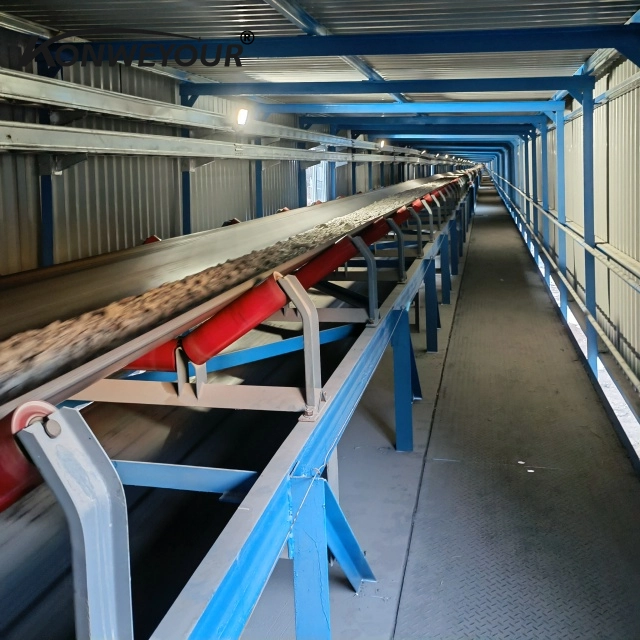
If you’ve ever peeked behind the scenes of a factory or a sprawling logistics hub, you might have spotted the mighty conveyor belts in action. But what's often overlooked is the silent hero spinning beneath it all: the conveyor belt pulley. Understanding conveyor belt pulley types isn’t just an engineer’s curiosity—it matters globally, touching industries from mining in Australia to food processing in Europe, and even humanitarian logistics in disaster zones.
At its core, conveyor technology helps move goods efficiently, supporting both economic growth and humanitarian needs like food distribution or emergency relief. Knowing the different pulley types and their applications can lead to better reliability, cost savings, and even safer operations worldwide.
Global Context: Why Conveyor Belt Pulley Types Remain Essential
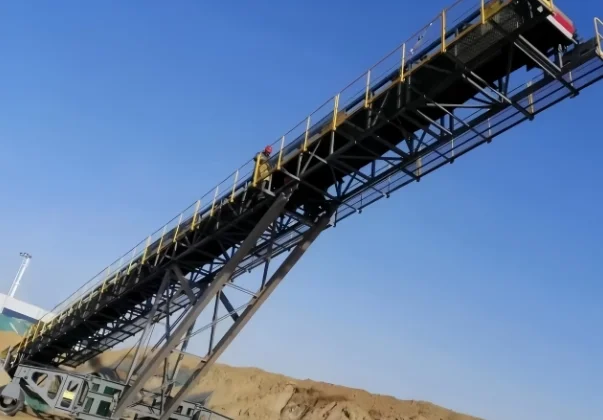
Conveyor systems underpin supply chains that connect continents, pushing billions of tons of materials every year. According to the International Organization for Standardization (ISO) and corroborated by global manufacturing data, conveyor belts are critical components in over 85% of manufacturing and distribution facilities worldwide.
Yet, challenges like wear, misalignment, and energy inefficiency persist. Selecting the right conveyor belt pulley types can mitigate these problems. For example, industries report that improper pulley choice increases downtime by up to 25% annually—a staggering figure given the scale of worldwide operations.
It’s not just about saving money; in remote or disaster-stricken areas, having reliable pulley systems enables the swift delivery of essentials. The UN and various NGOs have highlighted conveyor tech's role in improving logistic pipelines for relief distribution. So yes—the right pulley really does help keep the world moving.
What Are Conveyor Belt Pulley Types, Anyway?
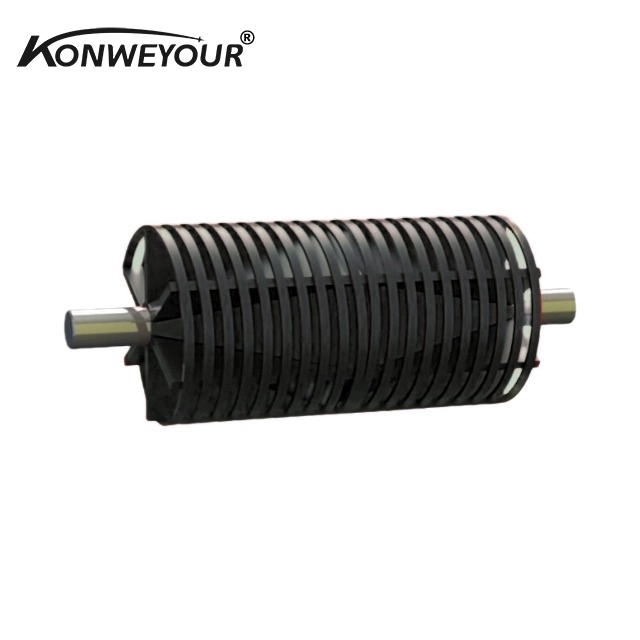
Simply put, a conveyor belt pulley is a rotating drum that drives or guides the conveyor belt. There are several types, each designed for specific purposes:
- Drive Pulleys — Provide the power to move the belt, usually connected to a motor.
- Snub Pulleys — Increase wrap angle to improve belt traction.
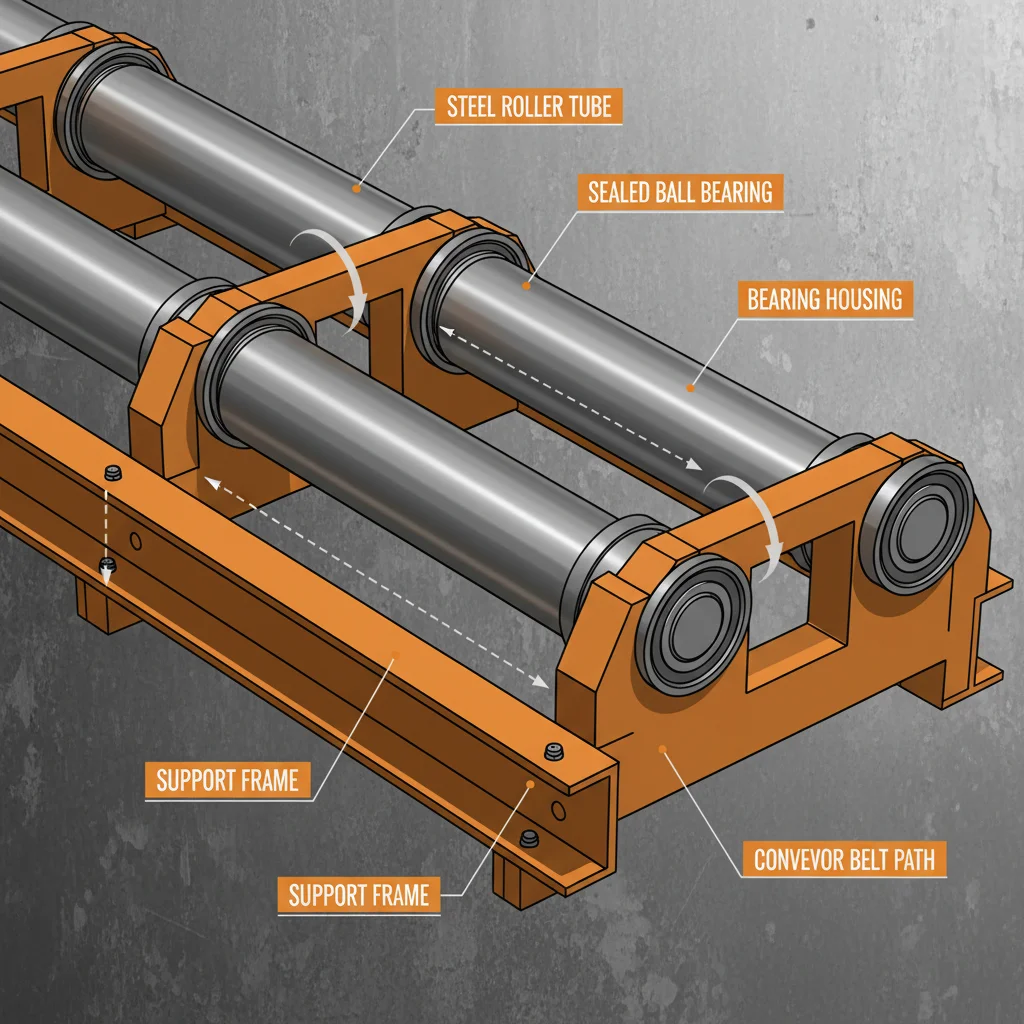
- Idler Pulleys — Support the belt and the load without driving it.
- Tension Pulleys — Maintain correct tension to prevent slippage.
These types vary not just by function but also by construction material, diameter, and surface condition—each impacting efficiency and longevity. Their design reflects decades of industrial evolution, responding to changes in material handling needs worldwide.
Mini Takeaway:
Understanding the basic types of conveyor belt pulleys is the first step toward optimizing any conveyor system, whether it’s in a city warehouse or a remote mining site miles from the nearest town.
Core Features That Make a Difference
Durability: Playing Long Games
Many engineers swear by steel pulleys for their resilience, but aluminum-based or rubber-coated options can shine where weight or belt friction is a factor. The key is matching pulley material and coating to the kind of environment—humidity, temperature, corrosiveness—that the system faces.
Scalability: From Small Lines to Mega Plants
Large distribution centers deploying hundreds of conveyors need repeatable, scalable pulley designs. Modular pulleys that adapt to different belt widths or can be repaired easily lead to less downtime and more predictable workflows.
Cost Efficiency: Not Just Sticker Price
Cheaper pulleys might seem like a bargain, but they can increase maintenance or energy costs long-term. Properly engineered pulley types with optimized diameter and lagging help reduce motor strain and extend belt life—translating to cost savings in energy and parts.
Ease of Maintenance
Features like sealed bearings or self-cleaning lagging make life easier for maintenance teams, especially in high-dust or sticky product environments.
Conveyor Belt Pulley Specification Comparison
| Pulley Type |
Material |
Typical Diameter |
Surface Treatment |
Primary Use |
Lifespan (Years) |
| Drive Pulley |
Steel |
300 - 1200 mm |
Rubber Lagging |
Power Transmission |
8 - 12 |
| Snub Pulley |
Aluminum |
150 - 600 mm |
Polyurethane Coating |
Increase Belt Wrap |
5 - 10 |
| Idler Pulley |
Steel or Plastic |
90 - 400 mm |
Galvanized |
Support Belt Load |
5 - 8 |
| Tension Pulley |
Steel |
200 - 700 mm |
Textured Rubber Lagging |
Maintain Belt Tension |
7 - 12 |
Mini Takeaway:
Choosing pulley features based on your operational environment can save headaches later—trust me, the maintenance team will thank you.
Real-World Applications: Conveyor Belt Pulley Types In Action
From quartz mining in Western Australia to grain silo operations in Kansas, conveyor belt pulley types are everywhere. Oddly enough, these components also play crucial roles in places you wouldn’t immediately think of—say, field hospitals set up after natural disasters or giant Amazon fulfillment centers.
Take the 2022 flood-relief efforts in Southeast Asia. Reliable conveyor belts with appropriate tension pulleys helped expedite food packaging and distribution at temporary warehouses. Likewise, Scandinavian timber processing plants rely on corrosion-resistant pulleys to deal with wet environments.
Even industries like recycling and waste management gain from specially designed snub pulleys that handle abrasive materials without premature wear.
Mini Takeaway:
The adaptability of conveyor belt pulley types allows them to meet the very different—and sometimes extreme—needs of industries globally.
Advantages and Long-Term Value of Correct Pulley Selection
- Cost-effectiveness: Lower energy costs thanks to efficient belt friction and tension.
- Productivity: Less downtime for repairs means smoother operations.
- Sustainability: Durable materials reduce waste and replacements.
- Safety: Proper tensioning reduces belt slippage and accidents.
- Innovation: Enhances mechanization, freeing human workers from repetitive strain.
Frankly, a well-chosen pulley type is an investment that pays dividends in reliability and trustworthiness over time. And in many sectors, trust is everything.
Emerging Trends in Conveyor Belt Pulley Technology
Looking ahead, the conveyor industry is embracing digital transformation. Smart pulleys equipped with sensors now monitor vibration, temperature, and wear in real-time, enabling predictive maintenance before a breakdown happens.
Moreover, eco-friendly materials and coatings are making pulleys lighter and more recyclable. Renewable energy integration with conveyor drives and variable frequency drives (VFDs) is reducing carbon footprints.
Automation, especially in warehouse robotics, also drives demand for pulleys designed to minimize noise and maximize precision—something quite different from heavy-duty mining pulleys.
Common Challenges and How Experts Overcome Them
Misalignment, lagging wear, and bearing failures are the usual suspects in pulley-related downtime. Experts recommend regular inspections aided by sensor tech and adhere to ISO standards for conveyor installation and maintenance.
Additionally, customizing pulley diameter and surface to specific belt types prevents excessive wear. For tricky environments—think sugar plants or paper mills—special coatings and self-cleaning lagging reduce sticky buildup and downtime.
Vendor Comparison: Which Supplier Fits Your Needs?
Top Conveyor Pulley Vendors
| Vendor |
Product Range |
Warranty |
Customization Options |
Lead Time |
| JT Conveyor Solutions |
Wide (Drive, Snub, Idler, Tension) |
3 Years |
High (materials, coatings, size) |
2-4 weeks |
| Global Pulley Corp. |
Standard Types Only |
2 Years |
Low |
4-6 weeks |
| EcoPulley Industries |
Eco-friendly materials focus |
3 Years |
Medium |
3-5 weeks |
| Advanced Conveyance Tech |
Specialty & Custom Pulley Systems |
5 Years |
Very High |
6-8 weeks |
Of course, the best choice depends on your project timeline and specific needs. If you want reliability paired with strong customization, I’ve heard many good things about conveyor belt pulley types from JT Conveyor Solutions.
FAQs: Your Questions About Conveyor Belt Pulley Types Answered
- What factors determine which conveyor belt pulley type to use?
- Key factors include the belt width, load type, environmental conditions (e.g., damp or corrosive), and desired lifespan. Drive pulleys power the system, while idler and snub pulleys support and improve belt tracking. Choosing the right type minimizes downtime and energy use.
- How often should conveyor pulleys be inspected or replaced?
- Inspection intervals vary, but many industries recommend at least quarterly checks focusing on lagging condition, bearing wear, and alignment. Replacement depends on wear patterns, but generally every 7-10 years, or sooner if operating in harsh conditions.
- Are there any eco-friendly pulley materials available?
- Yes, recent advances include pulleys with recycled metal content, polymer coatings that reduce friction, and designs that extend pulley longevity. Some vendors emphasize sustainable manufacturing and recyclable components.
- Can conveyor pulleys be customized for unique industrial applications?
- Absolutely. Many manufacturers offer custom diameters, materials, mounting styles, and lagging to suit special needs—such as food-grade belts or mining environments.
- How do conveyor pulley types affect energy consumption?
- The right pulley type reduces belt slip and friction, lowering the power the drive motor needs. An undersized or worn pulley increases drag, which directly translates to increased energy use and operational costs.
Wrapping Up: Why Conveyor Belt Pulley Types Can’t Be Ignored
As you can see, these seemingly humble rotating drums have a massive impact on global industry and humanitarian work alike. Choosing the right conveyor belt pulley type means smoother operations, cost savings, and more reliable logistics—and that’s something anyone involved with moving goods can appreciate.
If you want to dig deeper or find the right pulley for your needs, visit https://www.jtconveyor.com. They’re an excellent resource and supplier with extensive expertise.
Final thoughts:
In industries large or small, the right pulley is a little detail with big ramifications—kind of like the unsung heroes in every good story.
References
- Wikipedia: Conveyor Belt
- ISO 5048:2007 - Conveyor belts — Determination of effective tension and the grip factors
- United Nations Digital Library: Logistics for Disaster Relief