Unpacking the Value of Stainless Steel Gravity Conveyor in Industry
It might seem a humble piece of equipment, but the stainless steel gravity conveyor plays a quietly crucial role in industries worldwide. Think of it as that unsung hero moving goods effortlessly without power, fuss, or complicated gizmos. On a global scale, where efficiency and reliability are vital—especially in manufacturing, warehousing, and logistics—understanding the practicalities of these conveyors unveils how businesses keep their wheels turning smoothly.
These conveyors minimize manual handling, cut down energy costs, and improve workflow, driving better productivity. Plus, their stainless steel build ensures durability and hygiene—features that are non-negotiable in fields like food processing and pharmaceuticals.
The Worldwide Significance of Stainless Steel Gravity Conveyors
According to the International Organization for Standardization (ISO), streamlined material handling improves work safety and operational efficiency, which indirectly boosts global trade and industrial output. The global conveyor system market is projected to hit $6.1 billion by 2028, reflecting rapid adoption in emerging economies, where lean manufacturing principles are taking root (Source: ISO).
Yet the challenge remains: many industries still grapple with energy-intensive, noisy, or high-maintenance conveyor solutions. The beauty of stainless steel gravity conveyors is their simplicity—they require no electricity, decrease downtime, and stand resilient in harsh environments. This kind of rugged reliability is invaluable for sectors like mining, ports, and disaster relief logistics, where every minute counts and conditions can be unforgiving.
Mini takeaway:
- Stainless steel gravity conveyors are vital globally for improving workflow efficiency with minimal energy footprint.
- They address significant operational challenges in demanding industries and regions.
What Exactly Is a Stainless Steel Gravity Conveyor?
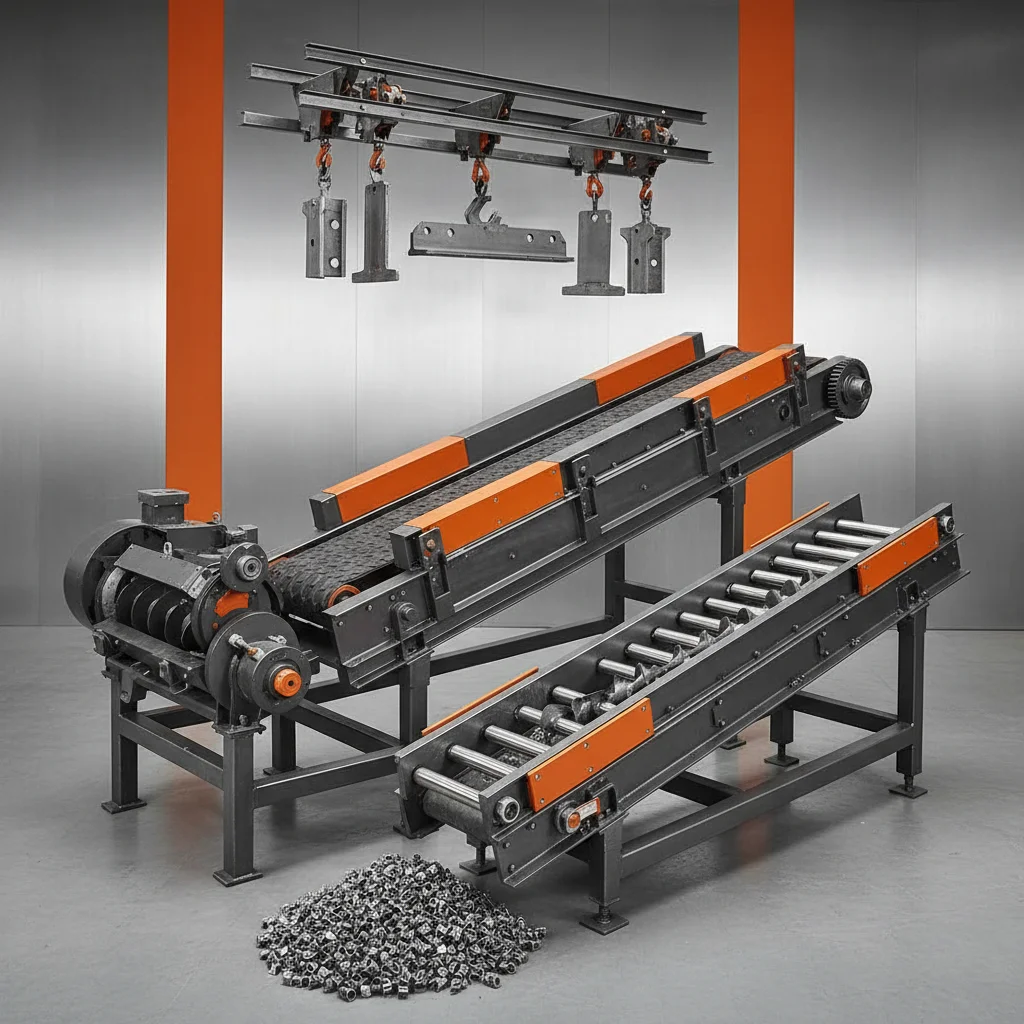
At its core, a stainless steel gravity conveyor is a passive conveyor system that uses inclined rollers or wheels made from stainless steel to move items by gravity alone. There’s no motor, no electric power—just the force of nature (gravity) doing its work.
From a technical standpoint, it's a simple yet elegant solution for transferring products on a production line or within a warehouse. Since stainless steel is corrosion-resistant and easy to clean, these conveyors fit perfectly into industries where hygiene and durability are top priorities, including food, pharmaceutical, and chemical sectors.
Interestingly, in humanitarian contexts, these conveyors have found their way into logistical setups for distributing aid supplies. The less maintenance and external power needed, the better the odds of smooth operations in disaster zones.
Mini takeaway:
- It’s a basic, power-free conveyor designed to move items using gravity.
- Stainless steel makes it strong, hygienic, and suitable for sensitive or tough environments.
Key Features and Core Components to Consider
Durability and Corrosion Resistance
Stainless steel naturally combats rust and chemical damage, meaning the conveyor survives wet, humid, and heavy-use conditions without degrading. For instance, in fish processing plants, conveyors get constant exposure to saltwater and cleaning agents—materials that would wreck ordinary conveyors but hardly faze stainless steel.
Ease of Maintenance
Without motors or complex parts, maintenance boils down to periodic cleaning and lubrication of rollers. This simplicity lowers long-term costs and downtime, which is music to operations managers’ ears.
Modularity & Scalability
Many gravity conveyors come in modular sections that can be easily extended or reconfigured. This flexibility supports evolving production lines or warehouse layouts. Because the components are standardized, it’s relatively straightforward to customize lengths or widths too.
Cost Efficiency
Since no energy input is needed, operational costs plunge dramatically. And the longevity of stainless steel means less frequent replacement.
Hygiene Compliance
Especially vital in food and pharma, stainless steel surfaces resist bacteria buildup and can withstand intense cleaning protocols without damage.
Portability & Installation
Gravity conveyors are often lighter and faster to deploy compared to powered systems. Oddly enough, this means even smaller companies or remote sites can quickly set up a reliable conveyor system.
Mini takeaway:
- Durability, hygiene, and low maintenance make stainless steel gravity conveyors practical over the long haul.
- Modularity allows them to evolve with business needs without major reinvestment.
Where in the World Are Stainless Steel Gravity Conveyors Making a Difference?
Industries from Asia’s booming electronics factories to Europe’s well-established food plants rely on these conveyors daily.
- Food processing plants: From sorting fruits to packaging baked goods, conveyors help reduce contamination and speed up handling.
- Pharmaceutical companies: These conveyors support sterile, cleanroom environments where product safety is critical.
- Mining and port terminals: Though often brutal environments, stainless steel gravity conveyors withstand dust, moisture, and heavy loads without fail.
- Humanitarian logistics: In regions affected by natural disasters, gravity conveyors help hasten aid distribution while keeping infrastructure demands minimal.
- Remote industrial zones: Where electricity supplies may be unreliable or costly, powered conveyors are not feasible, but gravity conveyors fill the gap perfectly.
One example that sticks out is a logistics hub in Singapore—a world leader in port efficiency—that uses these conveyors extensively for container unloading and sorting, dramatically cutting turnaround times.
Mini takeaway:
- These conveyors are globally versatile, aiding diverse sectors that require efficient, hygienic, and reliable material movement.
- They shine particularly where power or complex maintenance isn’t practical.
Product Specification Table: Stainless Steel Gravity Conveyor Overview
| Feature |
Typical Spec |
Benefit |
| Material |
304 or 316 stainless steel |
Corrosion resistance, durability |
| Roller Diameter |
38–50 mm |
Smooth product flow |
| Conveyor Width |
300–1200 mm |
Adaptability to product size |
| Load Capacity |
Up to 100 kg/m |
Handles heavy products easily |
| Slope Angle |
3° – 10° recommended |
Optimal gravity-driven flow |
| Finish |
Polished or brushed |
Easy cleaning, aesthetics |
Why Choose Stainless Steel Gravity Conveyors? Advantages and Long-Term Value
If you’re in logistics or manufacturing, sustainability and cost-efficiency often drive decisions. Stainless steel gravity conveyors tick these boxes:
- Energy savings: No electric motors mean zero power consumption, reducing carbon footprint and operating costs.
- Reduced maintenance: Simpler mechanical components reduce downtime and upkeep expenses.
- Longevity: These conveyors can last decades with minimal wear, particularly when using 316-grade stainless steel.
- Operational safety: Lower mechanical risks and consistent product movement improve workplace safety.
- Hygienic operations: Food and pharmaceutical plants benefit from non-porous, easy-to-clean surfaces.
- Supports innovation and trust: A reliable conveyor system fosters confidence among staff, partners, and customers — and that’s rarely discussed but incredibly important.
Mini takeaway:
- Long-term cost-effectiveness plus environmental and safety benefits keep these conveyors relevant for decades.
- They embody a pragmatic, sustainable innovation.
Vendor Comparison: Popular Stainless Steel Gravity Conveyor Providers
| Feature |
JT Conveyor |
Global Conveyors Inc. |
SteelFlow Solutions |
| Material Grades Offered |
304 & 316 Stainless Steel |
Primarily 304 |
316 with specialty coatings |
| Customization Options |
High (length, width, roller types) |
Moderate (standard sizes) |
High (modular & bespoke solutions) |
| Lead Time |
2–4 weeks |
3–6 weeks |
4–8 weeks |
| Price Range |
$$$ (competitive) |
$$ (budget-friendly) |
$$$$ (premium) |
| Notable Clients |
Multinational food processors |
Regional warehouses |
Pharmaceutical labs & ports |
Emerging Trends & Innovations in Stainless Steel Gravity Conveyors
Several pioneering directions are shaping the future of conveyors:
- Smart sensors and IoT integration: Though gravity conveyors are passive, some are now fitted with sensors to track product flow and inventory automatically.
- Eco-friendly manufacturing: Suppliers are increasingly adopting recycled stainless steel and greener fabrication methods.
- Modular automation: Gravity conveyors are combining with powered lines in hybrid systems for flexible production.
- Advanced coatings: Surface treatments that repel microbes or dust add value especially in sensitive sectors.
Though these innovations might seem high-tech, the core idea remains—making gravity conveyors smarter, safer, and greener without sacrificing their inherent simplicity.
Challenges and Practical Solutions in Conveyor Deployment
No product is perfect—gravity conveyors also come with hurdles. For example:
- Limited control over speed: Gravity means speed depends on slope and load—it’s not easily adjustable.
- Space requirements: They need incline space, which some facilities lack.
- Initial cost premium: Stainless steel is pricier than mild steel.
Experts recommend combining gravity conveyors with powered units where control is vital or adopting modular setups to optimize facility layouts. Moreover, cost is often offset by decades of low maintenance and energy savings.
Frequently Asked Questions About Stainless Steel Gravity Conveyors
- What makes stainless steel gravity conveyors better than powered conveyors?
- They consume zero energy, require less maintenance, and offer superior corrosion resistance, making them ideal for clean or harsh environments. Powered conveyors add complexity and cost, so gravity conveyors are perfect where speed control isn’t a priority.
- How do I choose the right stainless steel grade for my conveyor?
- Grade 304 is suitable for general use and most food industries, while 316 is recommended for high-corrosion environments like chemical plants or salt-exposed areas.
- Can gravity conveyors be integrated with automation systems?
- Yes, especially with the addition of sensors and hybrid conveyor lines. Gravity conveyors remain passive, but data from them can feed real-time inventory tracking or trigger automated downstream processes.
- Are stainless steel gravity conveyors eco-friendly?
- Absolutely. Their long service life, energy-free operation, and recyclable materials make them sustainable choices compared to power-dependent alternatives.
- How do I maintain a stainless steel gravity conveyor?
- Routine cleaning to prevent build-up, lubrication of rollers, and periodic inspections for wear typically suffice. The lack of motors simplifies maintenance significantly.
Wrapping Up: Why Stainless Steel Gravity Conveyors Are Worth Your Attention
In a world chasing fast, green, and reliable industrial processes, the stainless steel gravity conveyor holds a special place. It's like the quiet workhorse that doesn’t need flashy tech yet saves money, time, and headaches for decades. If you’re rethinking material handling solutions or scaling production lines without big energy costs, exploring these conveyors is a wise move.
For more information and to explore tailored solutions, feel free to visit our comprehensive range of stainless steel gravity conveyor products and support.
Do keep in mind, though, that conveyor choice isn't one-size-fits-all. Match your needs, space, and budget carefully; but seriously, a stainless steel gravity conveyor is often the hidden gem that keeps things moving.
References
- International Organization for Standardization (ISO)
- Wikipedia: Conveyor System
- World Bank - Industry Data