What Exactly Is a String Conveyor and Why Does It Matter?
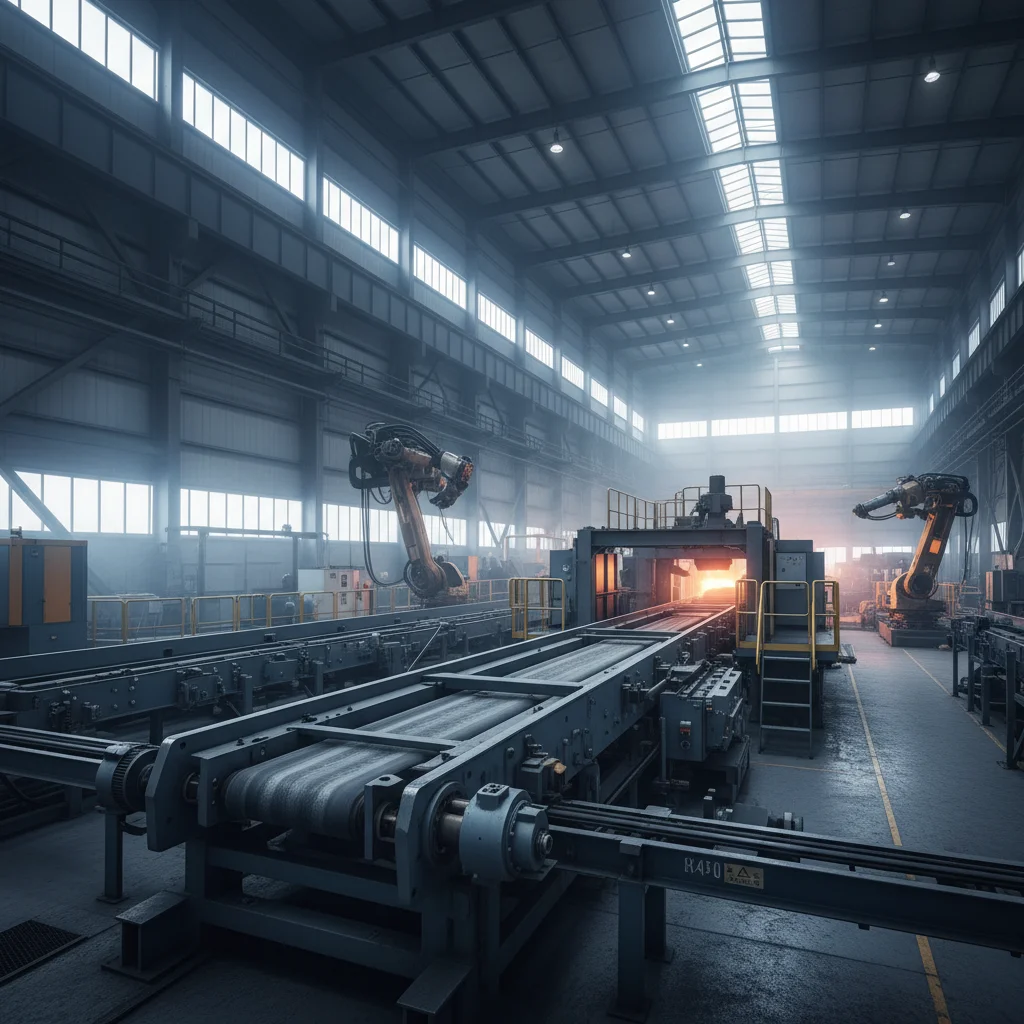
If you’re like me, you might be scratching your head wondering: string conveyor? Sounds a bit... niche. But in reality, string conveyors are quietly powering parts of global industry and humanitarian logistics in ways that too few get excited about. Simply put, a string conveyor is a conveyor system that uses a series of interconnected strings or belts—often modular—to move goods smoothly and efficiently. Whether it’s a factory in Germany or a relief distribution hub after a cyclone, these systems help keep things flowing without a hitch.
In a world that’s increasingly reliant on seamless supply chains and rapid response to crises, understanding this technology means tapping into better sustainability, cost efficiency, and flexibility. Plus, when you dig into their benefits, it’s a surprisingly human story about safety, innovation, and trust.
Global Context: Why String Conveyors Are More Relevant Than Ever
To give you some perspective, according to the International Federation of Robotics and the ISO, more than 90% of manufacturing processes rely on conveyor systems in some form. The global material handling market topped $30 billion in 2022, with steady growth driven by automation needs and supply logistics. Yet, in many developing regions or disaster-affected zones, conventional conveyors aren’t practical — which is where the modular, robust nature of string conveyors plays a key role.
More than 1 billion tons of cargo moves annually across facilities, airports, and ports worldwide, and string conveyors often fill the niche where adaptability and ruggedness are crucial—whether it’s handling delicate electronics or heavy industrial parts. The challenge? Many industries struggle with outdated conveyor methods that lack flexibility or require excessive maintenance. String conveyors offer a smart, scalable solution.
Mini takeaway: String conveyors bridge high-tech industrial demands with practical, often challenging environments—making them vital for global flow management.
String Conveyor: Simple Definition and Practical Meaning
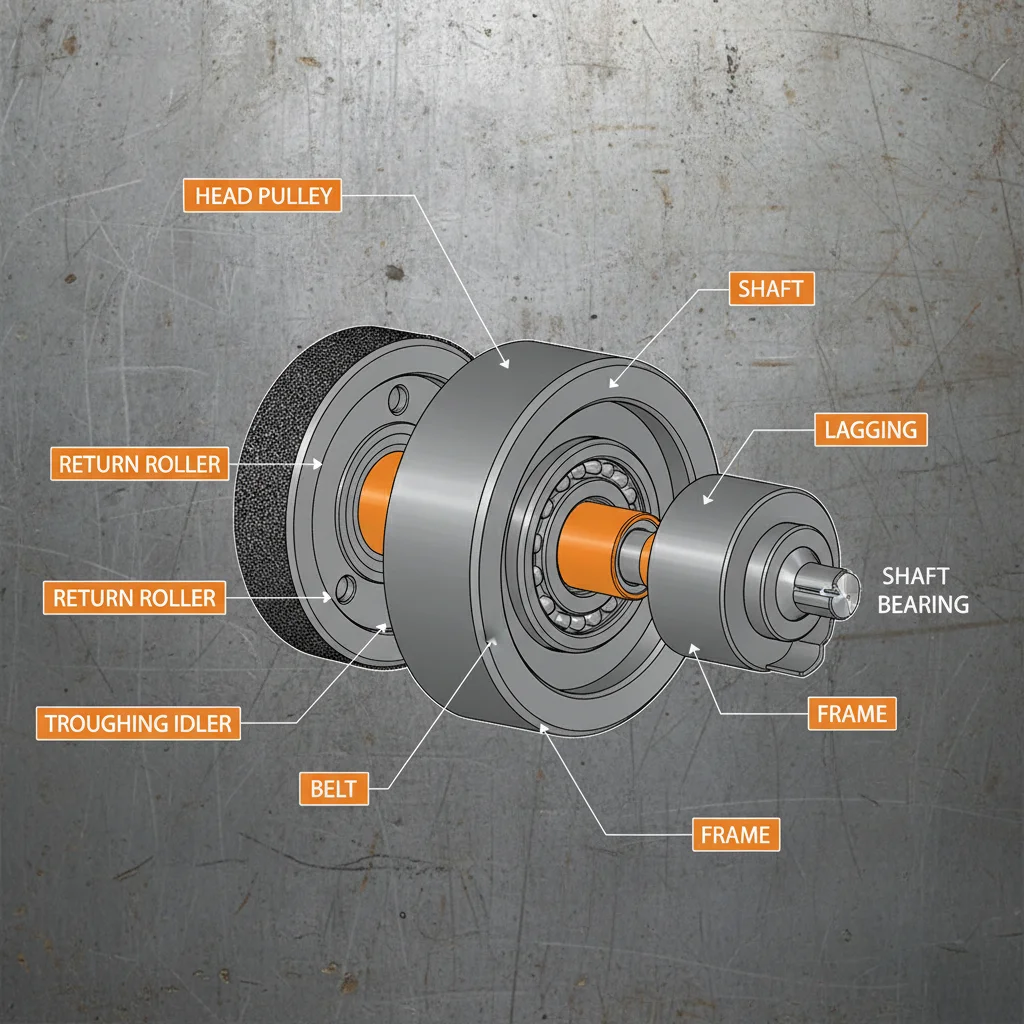
Think of a conveyor but instead of a broad rubber belt, picture numerous interlacing strings or modular belts linked to form a continuous loop. The strings are lightweight yet durable, which allows the conveyor to flex around corners or fit into smaller spaces. String conveyors excel in delivering goods smoothly over varied terrain or within complex factory layouts.
In humanitarian logistics, this means aid supplies can be moved quickly and safely through temporary hubs. Industrially, it means automated assembly lines can adapt faster to new product demands. It’s this combination of flexibility and reliability that makes string conveyors so indispensable.
Key Elements That Make String Conveyors Industrial Workhorses
1. Durability
String conveyors need to take a beating — from sharp edges to sudden temperature swings. Many use high-strength polymers or stainless steel strings that last years without sagging or breaking. This longevity reduces manual repairs, which is huge if you’re operating remotely.
2. Scalability and Modularity
One of the nicest things about string conveyors is how easy it is to add sections or reconfigure the system. For example, a warehouse might start with a 10-meter loop, then expand as volume grows—without full replacement.
3. Cost Efficiency
Compared to traditional conveyor belts or roller conveyors, string conveyors often require less upfront investment and lower maintenance, making them popular for smaller companies or non-profits.
4. Energy Consumption
Since the system is lightweight and generates less friction, the motors draw less power. This is not just cost-saving but aligns nicely with sustainability goals—something many sectors prioritize now.
5. Versatility in Material Handling
From fragile electronics components to hefty parcels, string conveyors can be customized to suit different surface textures or tension levels, ensuring safe transport without damage.
Mini takeaway:
The best string conveyors balance durability with adaptability, saving money and energy while boosting performance. Makes sense why engineers like them.
Worldwide Applications: Where String Conveyors Really Shine
- Industrial Manufacturing: Automotive assembly plants in Europe use modular string conveyors to shift parts between stations quickly while allowing layout changes on the fly.
- Humanitarian Relief: In post-tsunami Indonesia, aid agencies adopted string conveyors for offloading supplies from trucks to temporary warehouses — the system’s flexibility was crucial.
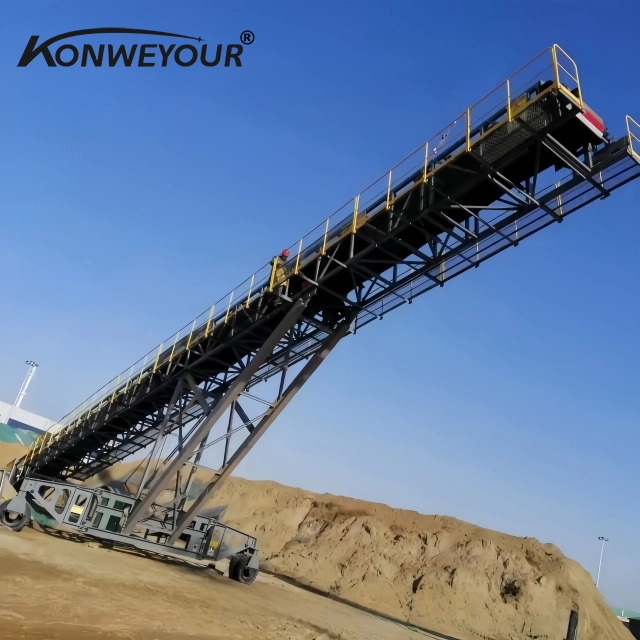
- Mining and Raw Materials: String conveyors move ores and minerals safely across uneven terrain, minimizing dust and spill risks.
- E-commerce Fulfillment Centers: Fast, reliable movement of packages with minimal damage during high-volume days.
Each region has its set of challenges—from the humid tropics to dusty deserts—string conveyors adapt as needed. It's about making logistics feel less like a bottleneck and more like a behind-the-scenes hero.
Advantages and Enduring Value of String Conveyors
Why do companies and organizations stick with string conveyors? Because they deliver real-world benefits that count:
- Cost Savings: Reduced repairs, energy use, and downtime.
- Social Impact: Safer handling means fewer workplace injuries.
- Sustainability: Energy-efficient design cuts carbon footprints.
- Reliability & Trust: Proven track record in harsh conditions globally.
There’s a quiet dignity in using equipment engineers trust enough to run vital operations daily. It’s not just tech — it’s a relationship of reliability.
Looking Ahead: Innovations and Trends in String Conveyor Technology
Keep an eye on developments like smart sensors embedded in the belts to predict wear and tear—a boon for maintenance teams. Companies are also experimenting with bio-based polymers to reduce environmental impact. Automation and AI are enhancing conveyor control systems, making adjustments in real-time for peak efficiency.
The push towards green energy-powered motors and modular interoperability standards means string conveyors are gradually becoming smarter, leaner, and greener.
Common Challenges and How Industry Experts Solve Them
It’s not all smooth sailing. Challenges include handling ultra-heavy loads or ensuring consistent tension over long distances. Manufacturers tackle these by combining string conveyors with hybrid systems or reinforcing key segments. Another concern is adapting string conveyors for wet or corrosive environments — solved by specialized coatings and material choices.
Many engineers I’ve spoken to stress the importance of customization and ongoing maintenance to keep these systems top-notch—not a “set it and forget it” deal.
FAQ: Practical Questions About String Conveyor Systems
- How do string conveyors differ from traditional belt conveyors?
- String conveyors use interlinked strings or modular belts that allow greater flexibility and modularity, while traditional belts tend to be rigid and less adaptable.
- Can string conveyor systems be customized for different industries?
- Absolutely. From chemical-resistant materials for pharmaceutical productions to reinforced strings for mining, customization is a strong feature.
- What is the typical lifespan of a string conveyor system?
- With proper maintenance, these conveyors last anywhere from 5 to 15 years, depending on usage intensity and materials handled.
- Are string conveyors suitable for small-scale operations?
- Yes, their modular nature means small businesses can implement and scale without large upfront costs.
- How do I choose the right vendor for string conveyor solutions?
- Look for vendors with proven track records, customization options, responsive support, and transparent pricing.
Product Specifications at a Glance
| Feature |
Typical Values |
Comments |
| String Material |
High-density polymer / Stainless steel |
Chosen based on load & environment |
| Belt Width |
200 mm to 1500 mm |
Customizable to goods size |
| Max Load Capacity |
500 kg/meter |
Depends on string strength |
| Operating Temperature |
-20°C to +80°C |
Suitable for most climates |
| Energy Consumption |
Low; up to 25% less than traditional belts |
Saves operational costs long-term |
Vendor Comparison Table: Choosing the Right String Conveyor Partner
| Vendor |
Customization |
Pricing |
Support |
Global Reach |
| JT Conveyors |
High – Modular solutions |
Competitive |
24/7 technical |
Worldwide |
| Global Conveyor Tech |
Medium – Standard solutions |
Mid-tier |
Business hours |
Europe, Asia |
| FlexiBelt Systems |
Low – Off-the-shelf only |
Budget-friendly |
Limited |
North America |
What’s evident here is the balance between customization and support. I tend to recommend vendors who don’t just sell you a conveyor but stick around for the long haul—that's where real value sits.
In Summary: Why String Conveyors Deserve Your Attention
String conveyors may not be the flashiest tech, but their quiet efficiency and flexibility make them an invisible backbone of many industries and humanitarian efforts worldwide. By lowering costs, boosting adaptability, and championing sustainability, these systems will likely only grow in importance.
If your operation requires a reliable, scalable, and energy-wise material handling solution, I encourage you to explore the options at JT Conveyor. Their blend of innovation and support is impressive.
References & Further Reading
- Conveyor system - Wikipedia
- ISO - International Organization for Standardization
- UNCTAD Transport and Trade Logistics