Understanding the Floor Conveyor: The Backbone of Modern Material Handling
At first glance, a floor conveyor might seem like just another piece of industrial equipment — a humble workhorse quietly moving goods from point A to point B. But in reality, floor conveyors are vital cogs in the machinery of global commerce and humanitarian logistics. From gigantic warehouses in Europe to emergency relief centers in Asia, these systems keep supply chains humming and people’s lives moving forward.
Why does understanding floor conveyors matter so much? Well, whether managing the endless flow of e-commerce parcels or aiding disaster relief efforts, efficient material transport solutions can save money, time, and sometimes even lives. So, let's unpack what makes floor conveyors tick, their global significance, and the ongoing innovations shaping their future.
Global Context: Why Floor Conveyors Matter Worldwide
According to the International Organization for Standardization (ISO), worldwide logistics and warehousing demand is expected to grow at roughly 5% annually over the next decade, largely driven by e-commerce, manufacturing, and humanitarian aid supply chains. With global trade volumes exceeding 1.6 billion tons annually (UNCTAD, 2023), floor conveyors are quietly essential to moving this mountain of goods efficiently.
These systems solve a critical challenge: how to speed up, streamline, and standardize the movement of bulky or numerous items indoors without constantly relying on labor-intensive processes. In warehouses, retail hubs, or relief depots, inefficient movement can clog operations and delay deliveries.
Mini takeaway: Across continents and industries, floor conveyors act as indispensable arteries flowing with materials critical to business and aid success.
What Exactly Is a Floor Conveyor?
In simple terms, a floor conveyor is a mechanized belt or roller system installed at ground level to transport goods horizontally or on a slight incline. Unlike overhead or automated guided vehicle (AGV) systems, floor conveyors typically form fixed tracks for moving cartons, pallets, or packages along a predetermined path.
Think of them as the 'conveyor belts' of industry floors — low to the ground, robust, and capable of handling diverse weights and shapes. They bridge the gap between manual labor and full automation by speeding up repetitive transport tasks but still allowing human intervention and oversight.
Modern industries — manufacturing, retail, logistics — rely on floor conveyors to meet fast turnaround times. Even humanitarian aid organizations depend on such systems to move tons of relief supplies efficiently, sometimes in very challenging environments.
Key Components That Define Floor Conveyor Systems
Durability
Conveyors are workhorses expected to run daily for years without fault. High-grade steel frames, wear-resistant rollers, and corrosion-resistant components often define longevity. This durability reduces costly downtime and repairs.
Scalability
One of the strengths of floor conveyors is modularity. You can start small — say a 10-meter section — and expand as operations grow. This is critical in fast-changing warehouses or seasonal volumes.
Cost Efficiency
Compared to full automation or AGVs, floor conveyors offer a less costly entry into mechanized transport without sacrificing reliability. Installation can be faster, and maintenance more straightforward.
Adaptability
From heavy pallets to fragile parcels, floor conveyors can be customized with belts, rollers, or gravity-powered options. Accessories like sensors, sorting arms, and speed controls further tailor performance to need.
Safety
Modern safety standards mandate emergency stop switches, guarding covers, and smooth edges. Worker safety remains paramount, especially in busy industrial aisles.
Real-World Applications of Floor Conveyors
Their ubiquity is hard to overstate:
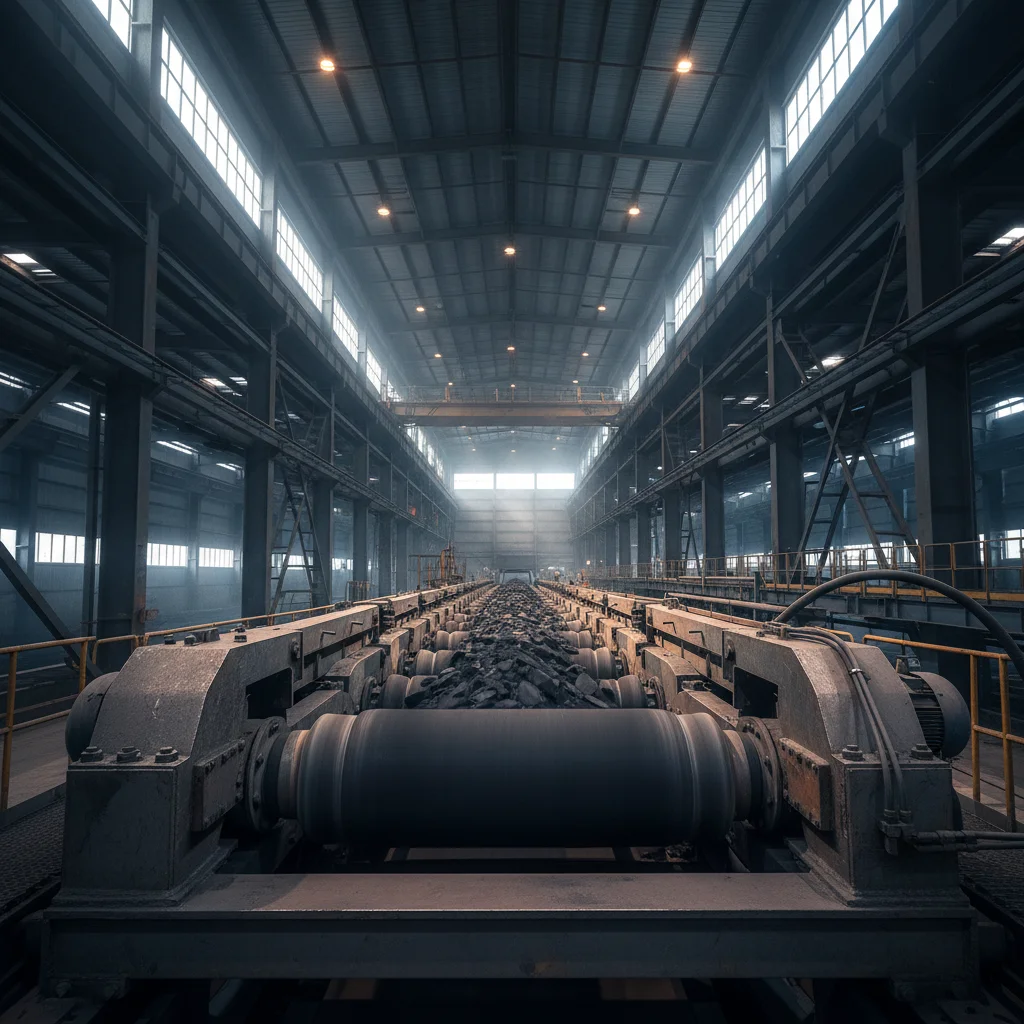
- In Automated Warehousing: Giant fulfillment centers in the US and Europe utilize miles of floor conveyors to sort and transport orders rapidly.
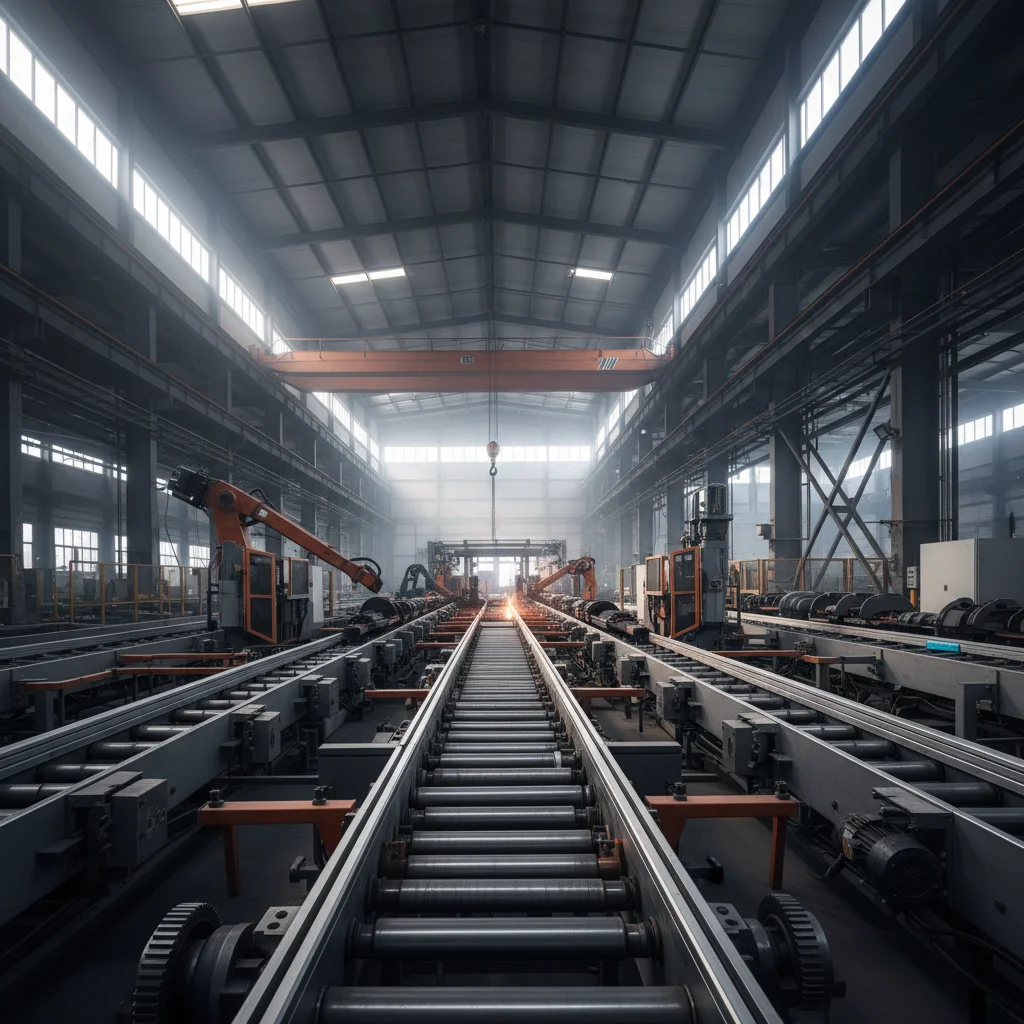
- Manufacturing Plants: Automotive and electronics plants use robust floor conveyors to handle heavy components on tightly scheduled assembly lines.
- Humanitarian Aid: NGOs and UN agencies use mobile floor conveyor units in disaster zones, speeding distribution of vital supplies where roads are rough and time is tight.
- Cold Storage Facilities: Special low-temperature resistant conveyors move goods without freezing or moisture damage, crucial in food industries worldwide.
Floor conveyor systems thus adapt to environments from hyper-controlled factories to chaotic emergency hubs.
Advantages & Long-Term Value of Floor Conveyor Systems
When you invest in a quality floor conveyor, you’re betting on efficiency gains that ripple through operations:
- Cost Savings: Reduced manual labor and faster throughput lower operational costs.
- Reliability: Industry-grade components minimize downtime, keeping supply chains flowing smoothly.
- Sustainability: Energy-efficient motors and recycled materials help reduce the carbon footprint.
- Worker Safety & Dignity: Less heavy lifting means fewer injuries and a less stressful environment.
- Trust & Innovation: Businesses and NGOs alike gain peace of mind knowing their material transport is handled professionally.
Product Specification Table
| Feature |
Typical Range |
Notes |
| Conveyor Length |
5 to 100+ meters |
Modular sections available |
| Load Capacity |
Up to 500 kg per meter |
Heavy-duty rollers or belts |
| Speed |
0.1 to 3 m/s |
Adjustable via drive controls |
| Power Source |
Electric (AC/DC) |
Optional solar integration emerging |
| Material |
Steel, aluminum, polymer belts |
Corrosion-resistant options available |
Comparing Leading Floor Conveyor Vendors
| Vendor |
Customization |
Lead Time |
Warranty |
Price Range |
| JT Conveyor |
High (modular, accessories) |
4-6 weeks |
2 years comprehensive |
Mid to High |
| Global Conveyors Inc. |
Medium (standard lines) |
6-8 weeks |
1 year |
Low to Mid |
| ConveyorTech Solutions |
High (custom design) |
8-10 weeks |
3 years warranty |
High |
Future Trends & Innovations in Floor Conveyor Systems
It's hard not to notice that industry is buzzing about digital transformation everywhere — conveyors are no exception. Smart sensors now enable real-time tracking of goods, predictive maintenance warns before belt failure, and IoT connections optimize workflow. It's sort of like giving conveyors a brain, which oddly enough feels futuristic but also incredibly practical.
Sustainability trends push manufacturers toward recycled materials and energy-efficient motors, with some developing solar-powered conveyor units for remote or outdoor usage. Automation integration is improving too, with conveyors syncing with robotic arms or AGVs for seamless warehousing. I suppose it’s about being faster yet greener — a tough balance but increasingly achievable.
Challenges & How to Overcome Them
Despite advances, floor conveyors face obstacles. Space constraints in aging facilities can hamper expansion. Dust, moisture, or extreme temperatures pose durability issues. Then there’s the human factor — workers must be trained for safety around moving equipment.
Fortunately, modular designs ease space challenges, and manufacturers now offer weatherproof coatings and sealed drives for harsh environments. Safety training combined with intelligent controls (like emergency stop sensors) significantly cut accident risks. A practical approach is key — no one solution fits all.
FAQ: Frequently Asked Questions About Floor Conveyors
- Q: What types of goods can a floor conveyor handle?
A: Floor conveyors are versatile—capable of transporting packages, pallets, heavy machinery parts, food products, and more. Depending on design, they handle delicate items with cushioned belts or heavy loads via roller conveyors.
- Q: How do floor conveyors improve warehouse efficiency?
A: By automating repetitive material movement, floor conveyors speed order processing, reduce manual labor, minimize human error, and maintain a steady workflow, allowing facilities to handle higher volumes smoothly.
- Q: Are floor conveyors energy-efficient?
A: Modern conveyors use energy-saving motors and can incorporate features like variable speed drives, reducing power consumption significantly compared to older models or manual transport methods.
- Q: Can I customize a floor conveyor to my facility’s needs?
A: Absolutely. Most suppliers offer modular sections, different belt or roller types, adjustable speeds, and accessories like sensors or diverters tailored to your operational requirements.
Conclusion
Floor conveyors may not always be in the spotlight, but they quietly underpin the efficiency and reliability of global supply chains and humanitarian efforts alike. From improving worker safety to supporting massive volumes of goods, their long-term benefits are clear and tangible. If you’re looking to boost your operational flow and reduce logistical headaches, exploring floor conveyor solutions is a smart first step.
Ready to explore trusted conveyor options? Visit https://www.jtconveyor.com for detailed info, specifications, and custom solutions designed to fit your unique needs.
References
- International Organization for Standardization (ISO)
- United Nations Conference on Trade and Development (UNCTAD)
- Wikipedia: Conveyor Belt