Cleated Conveyor Systems: Essential Tools of Modern Material Handling
If you’ve ever walked through a busy warehouse, a mining site, or a bustling port, chances are you've glimpsed a cleated conveyor in action, even if you didn’t recognize it by name. These specialized conveyors, outfitted with vertical cleats or barriers attached to the belt surface, are quietly doing the hard work of moving bulky, loose, or awkward materials uphill or across distances where gravity alone won’t cut it.
Understanding cleated conveyor technology matters globally not just because of its industrial ubiquity, but because it plays a crucial role in sectors ranging from agriculture to disaster relief. Efficient, reliable material movement impacts supply chain stability, cost efficiency, worker safety, and even humanitarian aid delivery. The benefits of mastering cleated conveyors include enhanced productivity, reduced product spillage, and the possibility of safer, more automated workflows — and frankly, anyone interested in modern logistics or manufacturing is curious about how these systems keep the gears of industry turning smoothly.
The Global Stage: Why Cleated Conveyors Are More Relevant Than Ever
On a worldwide scale, the demand for efficient material handling solutions is projected to grow steadily. According to the International Labour Organization, industries like mining, agriculture, and manufacturing collectively contribute roughly a quarter of global GDP, making material transport a critical component.
Yet, many regions face challenges handling bulk materials on uneven terrain or in confined spaces. That’s where cleated conveyors come in. The cleated conveyor design addresses these problems by preventing material backsliding and slippage, especially on inclined belts where gravity works against you.
In practical terms, the ability to maintain product flow with minimal interruptions means optimized output and safety — two things no industry or relief organization can compromise on. For example, the World Bank notes that improving bulk material transport infrastructure can substantially boost developing economies by enabling better access to export markets.
What Exactly Is a Cleated Conveyor?
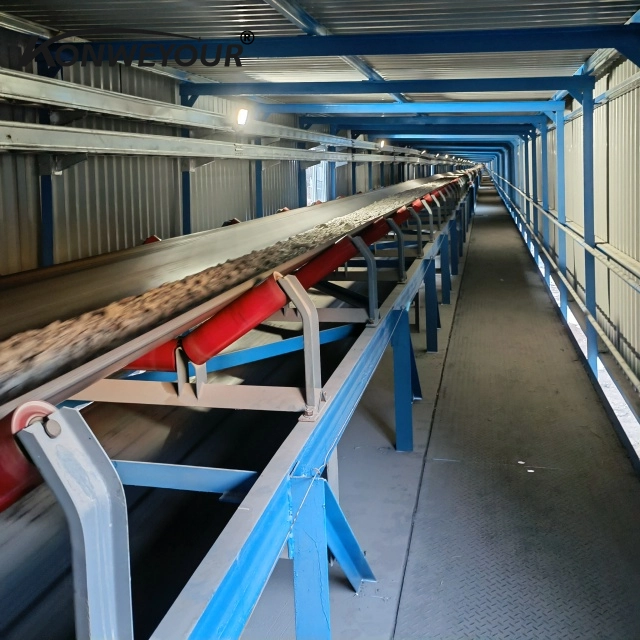
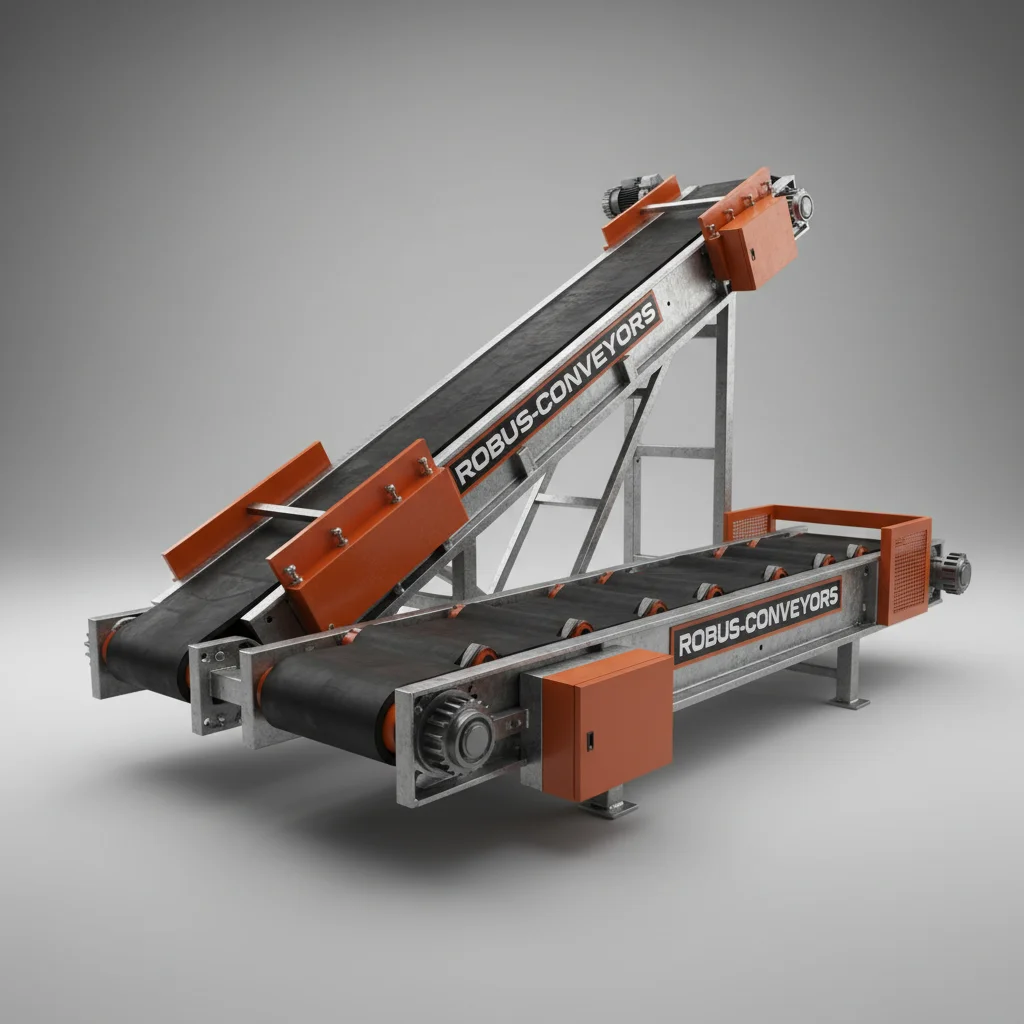
Simply put, a cleated conveyor is a belt conveyor system where small barriers—called cleats—are attached perpendicular to the belt's travel direction. These cleats act like miniature walls or paddles that trap and push materials forward without slipping backward, especially useful when moving granular or irregular items over inclines.
In the context of modern industry, cleated conveyors enable seamless handling of everything from grain and coal to packaged goods. They minimize losses and reduce the need for manual intervention. Oddly enough, they’re even finding use in humanitarian aid, where rapid, reliable transport of supplies on rough terrain can save precious time and resources.
Key Components at a Glance
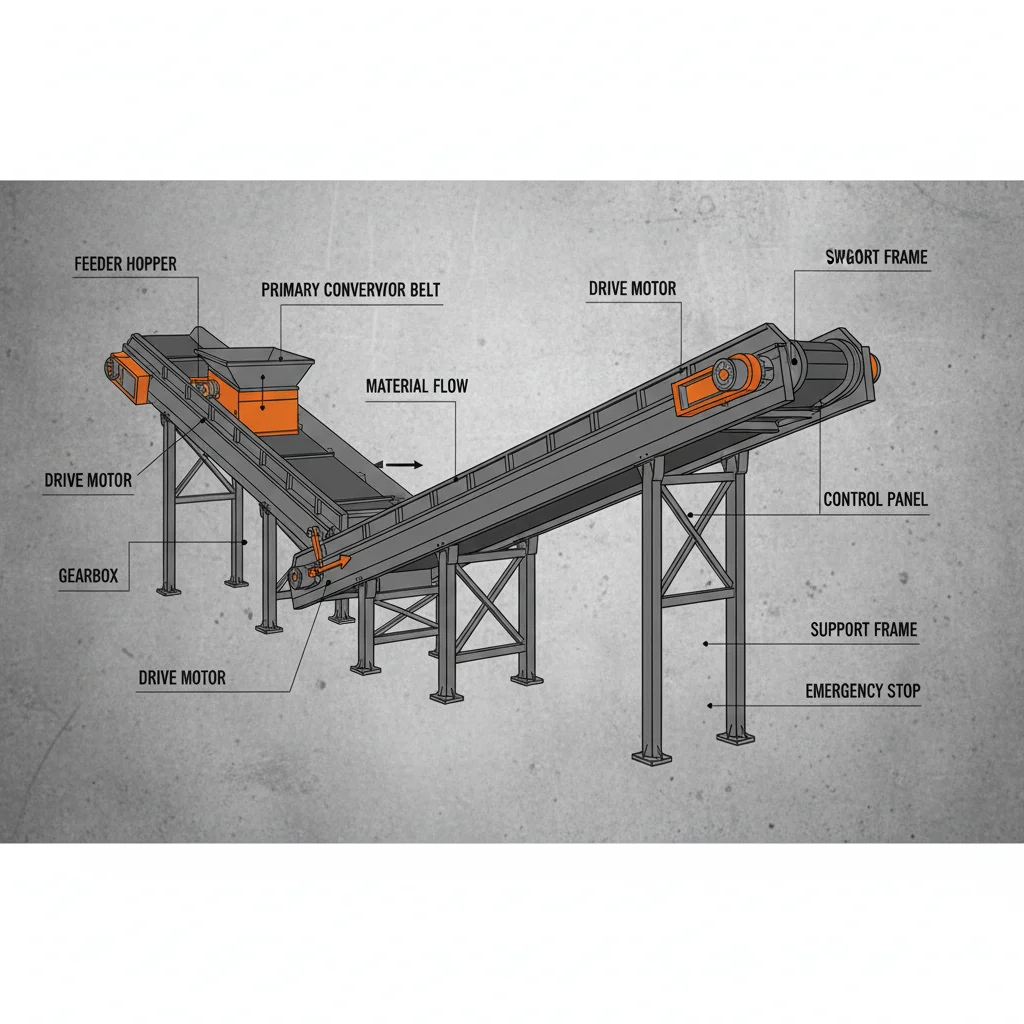
- Belt Material: Usually rubber, PVC, or PU – selected based on product type and operating environment.
- Cleat Design & Height: Determines how well materials are held; typically ranges from L-shaped paddles to trapezoidal segments.
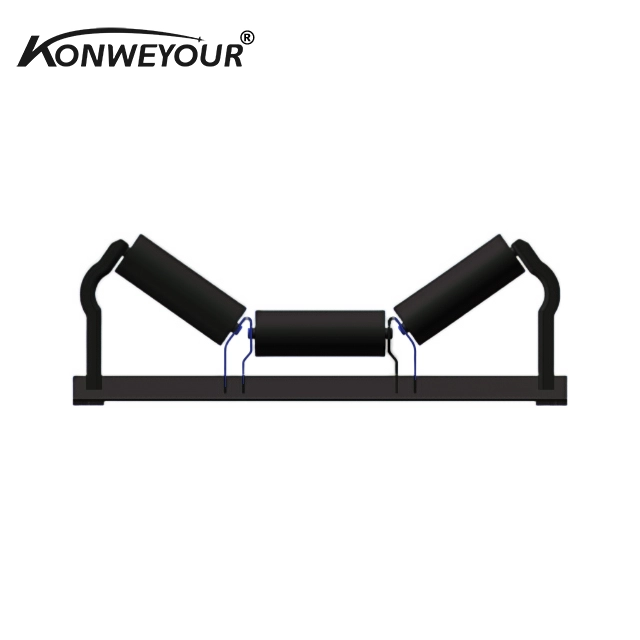
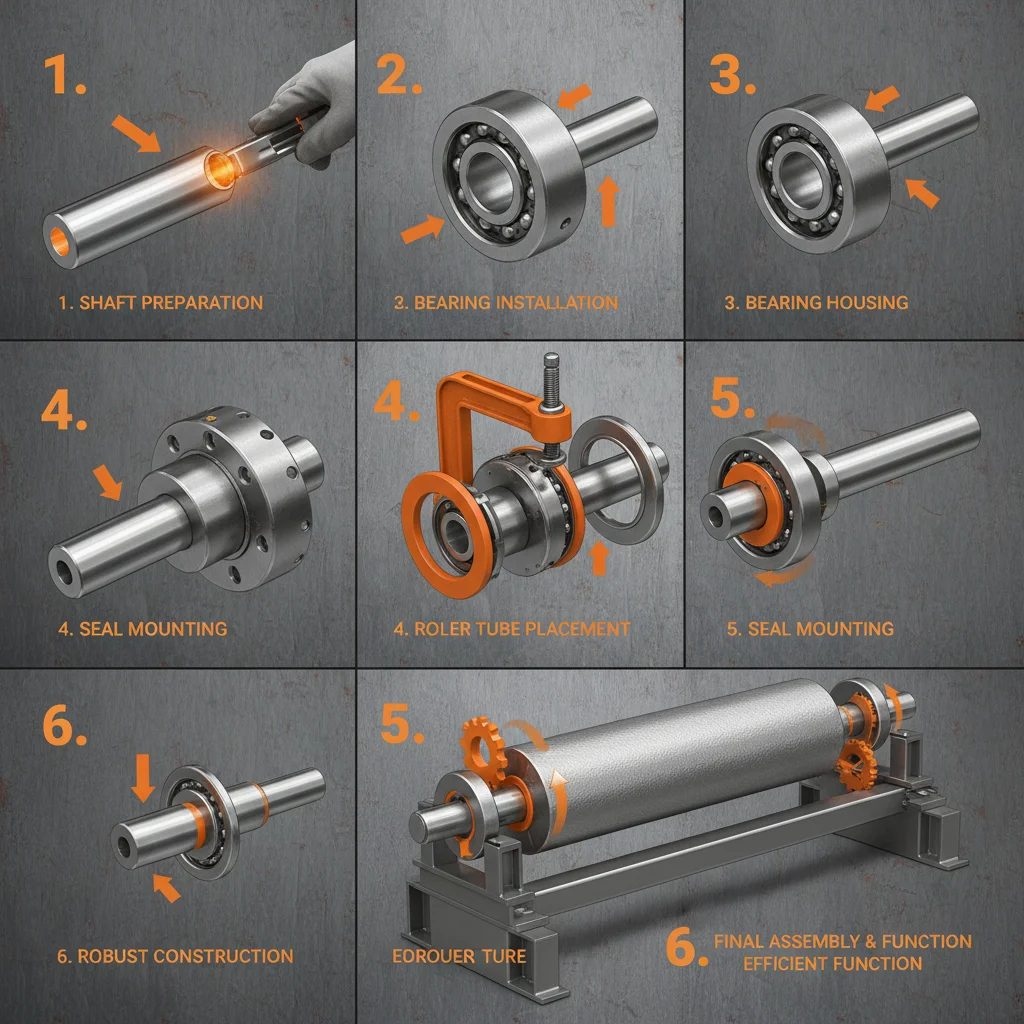
- Frame & Supports: Sturdy construction ensures stability; often customizable for installation space.
- Drive Mechanism: Usually a motorized pulley; speed controlled to match process needs.
- Discharge Point: Exact location where materials leave the conveyor, which can impact downstream handling.
It’s these core factors working together that make cleated conveyors reliable workhorses in tough settings.
Mini takeaway: Cleated conveyors blend clever mechanical design with appropriate materials to solve the universal challenge of “moving stuff uphill.”
Where Cleated Conveyors Really Shine: Industry and Field Examples
You can find these systems tucked inside almost any industry dealing with loose or bulk materials.
- Agriculture: Moving grains, corn kernels, and seeds from harvesters to silos without spillage.
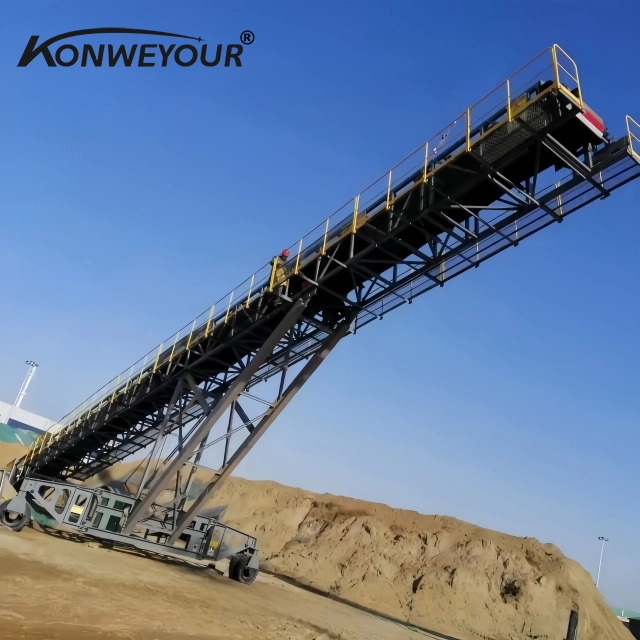
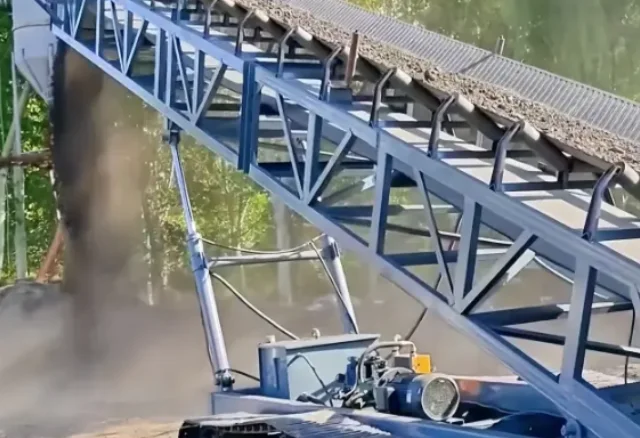
- Mining & Quarrying: Transporting heavy, abrasive stones and ore on steep gradients.
- Recycling Plants: Handling mixed waste where uneven bulk materials require gentle but firm movement.
- Food Processing: Elevating packaged goods or loose items with hygienic belts.
- Humanitarian Relief: In emergency zones, cleated conveyors help distribute heavy aid supplies where roads are damaged or terrain is challenging.
To illustrate, after the 2010 Haiti earthquake, several relief organizations used mobile cleated conveyor units to expedite moving tons of food and medical supplies from ports to inland locations where trucks struggled. This saved crucial time and human effort that would otherwise have been spent in exhausting manual handling.
Advantages You Can Count On
- Efficiency & Cost Savings: By minimizing product slippage and spillage, cleated conveyors reduce waste and downtime.
- Improved Safety: Less manual lifting lowers injury risks — big plus for workplace wellness.
- Versatility: Works in tight spaces and on inclines that would hinder flat belts.
- Adaptability: Custom cleat sizes and belt materials match diverse product demands and environmental conditions.
- Sustainability: Reduced spillage means less waste, and many belts are now designed with recyclable materials.
Emotionally, operators appreciate the trustworthiness of these systems — it feels good not to worry about loads slipping backward unexpectedly. For managers, the innovation inspires confidence in continuous production.
Product Specification Table
| Feature |
Typical Values / Options |
Notes |
| Belt Width |
300 - 1200 mm |
Depends on application scale |
| Cleat Height |
20 - 75 mm |
Higher for chunkier materials |
| Belt Speed |
0.5 - 4 m/s |
Adjustable by motor power |
| Incline Angle |
Up to 30° |
Beyond 30°, special designs needed |
| Material Type |
Rubber, PVC, PU |
Chosen based on product compatibility |
Comparing Leading Vendors
| Company |
Cleat Materials |
Customization |
Support & Service |
Price Range |
| JT Conveyor |
Thermoplastic, rubber |
Full design customization |
Global support network |
$$ - $$$ |
| ConveyorTech Ltd. |
Rubber only |
Limited sizes |
Regional support |
$ - $$ |
| Global Conveyors Inc. |
Rubber, PU |
Custom cleat shapes |
24/7 service hotline |
$$$ |
What’s Next? Future Trends in Cleated Conveyor Technology
The conveyor world isn’t standing still. Right now, the biggest buzz is around eco-friendly belt materials — biodegradable or recyclable polymers that reduce environmental footprints. And with Industry 4.0 concepts pushing for smarter factories, expect more conveyors with embedded sensors for real-time wear and load monitoring.
Imagine a cleated conveyor that tells maintenance crews it’s about to fail before a breakdown, or one whose belt adapts its cleat height dynamically to different load types. These might sound like sci-fi, but many cutting-edge manufacturers are piloting such innovations.
There’s also a growing trend towards low-energy motor drives and regenerative braking to cut power usage. In remote or off-grid installations, solar-powered conveyor drives are being tested as viable alternatives, combining sustainability with operational autonomy.
Common Challenges and How to Overcome Them
Despite their robust design, cleated conveyors sometimes face problems like:
- Material Build-Up: Sticky or wet products can accumulate on cleats, causing jams.
- Wear and Tear: Abrasive materials shorten belt and cleat lifespan.
- Installation Constraints: Space or incline limitations may require specialized units.
Typical solutions include choosing the right belt and cleat material for the product (for example, PU for oily goods), regular cleaning schedules, and modular designs for easier maintenance. Some companies invest in advanced coatings or self-cleaning cleats to reduce downtime.
FAQ: Quick Answers to Your Cleated Conveyor Questions
- Q: What makes a cleated conveyor different from a standard belt conveyor?
- A: The addition of cleats on the belt surface creates physical barriers that prevent material from sliding backward, especially on inclined or uneven surfaces, offering better grip than a flat belt.
- Q: How do I choose the right cleat height for my product?
- A: Cleat height generally depends on material size and shape — larger, chunkier items need taller cleats to properly hold and move them without spilling.
- Q: Can cleated conveyors handle fragile or delicate materials?
- A: Yes, by using softer belt materials and gently styled cleats, cleated conveyors can transport fragile goods such as packaged food with minimal damage.
- Q: Are cleated conveyors easy to clean and maintain?
- A: While slightly more complex than flat belts, many cleated conveyor designs allow easier cleaning with modular parts and special coatings to reduce buildup.
- Q: Is it possible to customize cleated conveyors for extreme inclines?
- A: Definitely. Custom engineering solutions can extend incline angles up to 45° or more by altering cleat spacing, belt texture, and adding specialized sidewalls.
Wrapping It Up: Why Investing in Cleated Conveyors Matters
Over the long haul, cleated conveyors deliver dependable material handling that directly drives operational efficiency, safety, and sustainability. Whether you’re running a sprawling mining operation in Australia or managing post-flood relief in Southeast Asia, their simple but smart design can save time, money, and headaches.
If you’re looking to explore options or customize a system, it’s worth visiting our website — where expert teams can guide you through tailored cleated conveyor solutions perfect for your specific needs.