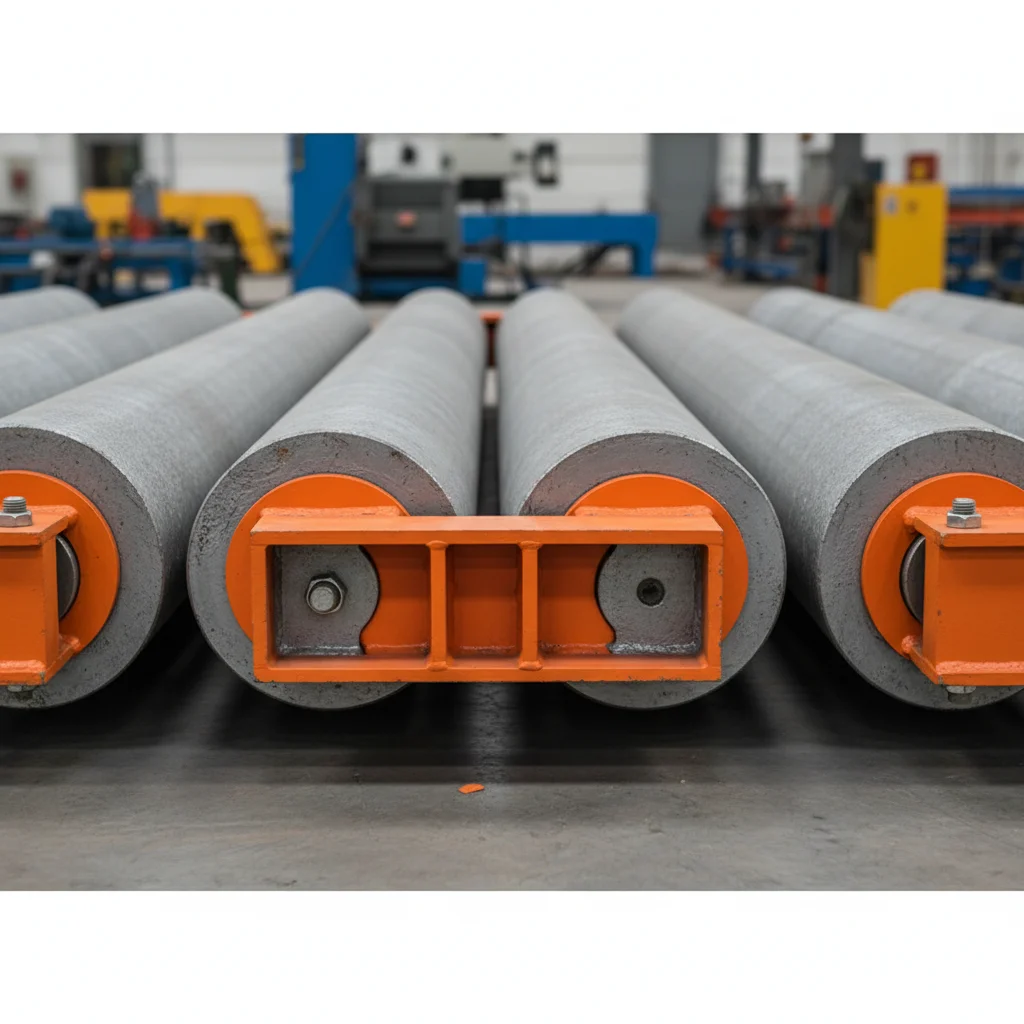
The Global Value of Steel Plate Conveyor Systems
At first glance, a steel plate conveyor might just seem like another piece of industrial equipment, but it's really a quiet workhorse behind some of the world's biggest logistics and manufacturing efforts. Whether it's moving heavy steel slabs, bulky parcels, or rugged goods through factories and ports, the steel plate conveyor offers unmatched strength and reliability. Understanding its role on a global scale matters because it unlocks efficiencies in supply chains that support everything from infrastructure projects to humanitarian relief initiatives.
Globally, industries are expanding yet simultaneously facing pressure to improve sustainability and reduce downtime. The steel plate conveyor steps up here by providing a robust, long-lasting transport solution with minimal maintenance needs — that benefit ripples through global production and distribution costs. It’s fundamental not just to heavy industry but to any logistic challenge requiring durability and precision.
Mini Takeaway: Steel plate conveyors play a pivotal role worldwide in streamlining heavy-duty transport processes, offering strong, reliable conveyance essential for modern industries and aid logistics alike.
Why Steel Plate Conveyors Are Critical on the Global Stage
According to the International Organization for Standardization (ISO), global manufacturing continues to grow steadily, with sectors like automotive and construction showing double-digit growth rates in some regions. The World Bank notes that global infrastructure investment could reach nearly $6 trillion annually by 2030. With such immense material movement demands, a failure in conveyor reliability equals costly delays.
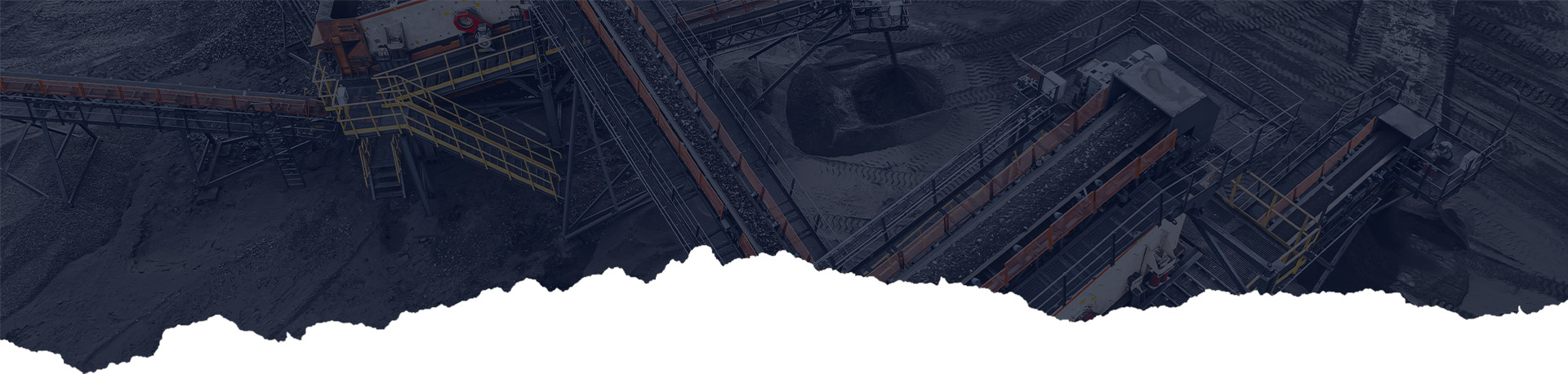
Steel plate conveyors manage bulky and abrasive goods that conventional belts can’t handle well. That grit and grind touch on the very problem they solve: how to efficiently transport heavy plates, slabs, or components without constant repair or replacement. Particularly in harsh environments like mining regions or port facilities, the steel plate conveyor is indispensable.
What Exactly Is a Steel Plate Conveyor?
Simply put, a steel plate conveyor is a type of conveyor system where flat steel plates form the conveying surface — these plates are linked to provide a continuous, sturdy path to transport goods. Unlike fabric or rubber belt conveyors, the steel surface ensures resistance against cuts, abrasions, and extreme temperatures.
This design is especially suited to industries requiring the transport of heavy metal parts, large containers, or products that would degrade softer belts. Because the assembly can be modular, including different plate sizes or materials, they are adaptable to both industrial factories or humanitarian supply chains, such as moving heavy relief cargo over rough terrain.
Key Features That Define Steel Plate Conveyors
Durability and Strength
The core appeal is the material itself—steel. With proper treatment and design, steel plate conveyors withstand tremendous pressure and abrasion without warping or failure. This makes them a preferred choice in materials handling where reliability means the difference between costly downtime and smooth operations.
Modular Scalability
Steel plate conveyors are built in sections, which means they scale easily. You can have a compact system in a warehouse, or extend it indefinitely for massive shipping yards. This flexibility allows businesses to grow or reconfigure their setups without scrapping the whole system.
Cost Efficiency Over Time
While initial investment might be higher than simpler belts, the low maintenance and long lifecycle payoff over months and years balance it out. Fewer replacements, less emergency repair — it’s a classic case of spending more upfront to save significantly.
Handling Tough Materials
From hot steel coils to abrasive ores, these conveyors handle harsh cargos that would rip or degrade other belts. The steel surface doesn’t wear out quickly, reducing material spillage and contamination risks.
Integration with Automation and Controls
Modern steel plate conveyors often incorporate sensors and control systems that synchronize with factory automation. Precise speed control, obstacle detection, and remote monitoring have become common, enhancing both safety and efficiency.
Mini Takeaway: Engineering-wise, steel plate conveyors balance brute strength with modular flexibility and smart control integration — key for modern manufacturing and distribution challenges.
Where Steel Plate Conveyors Make a Difference Globally
Steel plate conveyors have found broad applications across continents and industries. For instance, in Southeast Asia’s burgeoning automotive plants, these conveyors move stamped car parts from one assembly line stage to the next. In Australia’s mining zones, they transport hefty ore chunks in conditions that would destroy typical belts in weeks.
Oddly enough, the technology even surfaces in humanitarian contexts — during post-disaster relief efforts in earthquake zones, rugged steel plate conveyors have been deployed temporarily to aid in sorting and distributing bulky supply pallets quickly across uneven ground. In northern Europe, leading logistics hubs rely on them for heavy container handling, where speed and durability are paramount.
Steel Plate Conveyor Product Specification Table
| Specification |
Typical Range/Value |
Comments |
| Plate Thickness |
3-10 mm |
Depends on load & application |
| Conveyor Width |
300 - 2000 mm |
Customizable per space |
| Maximum Load Capacity |
Up to 5000 kg/m |
Highly dependent on frame design |
| Operating Temperature |
-20°C to 400°C |
Suitable for hot applications too |
| Speed Range |
0.5 - 3 m/s |
Adjustable to application needs |
Advantages & Long-Term Value of Investing in Steel Plate Conveyors
Many engineers I’ve talked to emphasize how once installed, these conveyors "just keep going." The primary ROI comes from minimizing production interruptions and repair costs. Beyond cost, the steel conveys a sense of trustworthiness to workers and managers — it’s literally a backbone to daily operations.
Socially, switching to steel plate conveyors can enhance workplace safety because they avoid problems like torn belts or spills that might cause accidents. This subtle improvement contributes to a culture where workers feel respected and protected.
Thanks to their long service life, they also contribute to sustainability by reducing waste generated from premature replacements — interestingly, a small but real environmental win in materials handling.
Upcoming Innovations and Trends in Steel Plate Conveyor Technology
The conveyor world is by no means standing still. Several trends hint toward a more efficient and green future:
- Eco-Friendly Steel: The adoption of recycled and low-carbon steel is gaining traction to reduce environmental footprint.
- Automation & IoT Integration: Smart sensors and digital twins are enabling predictive maintenance, preventing downtime before it happens.
- Energy Efficiency: New motor designs and regenerative braking help cut power consumption dramatically.
- Material Upgrades: Advances in wear-resistant coatings and modular plate designs extend lifespan further.
Companies focusing on steel plate conveyor innovation are investing heavily here, recognizing that the future lies in blending tough materials with smart design.
Addressing Common Challenges and Their Solutions
While steel plate conveyors are durable, they’re not immune to challenges:
- Initial Cost: The upfront cost might deter smaller operators. Leasing options or phased installation can help ease this burden.
- Noise Levels: Steel plates can cause higher noise than belts; modern designs include dampening mechanisms to reduce sound pollution.
- Weight: Heavier than conventional belts, which demands sturdier infrastructure — a factor to consider in retrofit projects.
- Maintenance Complexity: While less frequent, steel plate systems require precise alignment; training maintenance teams is a must.
Innovative approaches like modular designs and remote diagnostics increasingly tackle these issues, making steel plate conveyors more user-friendly than ever.
Frequently Asked Questions About Steel Plate Conveyors
- Q: What makes steel plate conveyors better than traditional rubber belt conveyors?
- A: Steel plate conveyors excel in durability, especially for heavy, abrasive, or hot materials that would damage rubber belts. They also offer a longer operational lifecycle and are less prone to tears and slippage, making them ideal for tough industrial environments.
- Q: How long can a steel plate conveyor last under heavy use?
- A: With proper maintenance and regular inspections, steel plate conveyors can last 10-15 years or more. Their longevity is largely due to the toughness of steel plates and the modular construction enabling easy replacement of worn sections.
- Q: Are steel plate conveyors adaptable for international logistics or disaster relief?
- A: Absolutely. Their modularity and robustness make them suitable for quick deployment in varying conditions, including rough terrain often encountered in disaster relief. They can be packed, transported, and reassembled as needed, offering reliable cargo handling.
- Q: Is it expensive to maintain a steel plate conveyor?
- A: Maintenance costs tend to be lower than for rubber belt conveyors because steel plates wear slower. The need for frequent belt replacements is eliminated; however, regular cleaning, lubrication, and inspection for alignment are essential for optimal performance.
- Q: Can steel plate conveyors be customized for specific industries?
- A: Yes. Manufacturers often tailor plate thickness, width, driving mechanisms, and even surface coatings to suit particular industry needs — from food-grade stainless steel for hygiene-sensitive tasks to heavy-duty plates for mining.
A Snapshot Vendor Comparison for Steel Plate Conveyors
| Vendor |
Product Range |
Customization |
Global Reach |
Typical Lead Time |
| JT Conveyor |
Wide – modular & bespoke solutions |
High, with design consultancy |
Global, with local support centers |
4-6 weeks |
| TechSteel Ltd. |
Focused on heavy industry |
Medium, standard options |
Regional (Asia, Europe) |
6-8 weeks |
| ConveyPro |
Light-to-medium load conveyors |
Low, mostly catalog items |
North America focused |
2-4 weeks |
Wrapping Up: Why Steel Plate Conveyors Are Worth Your Consideration
In real terms, investing in a steel plate conveyor is about future-proofing your material movement needs. They bring a rare combination of enduring toughness, design flexibility, and operational efficiency that many industrial sectors globally simply can’t do without. If your operations demand reliability under difficult conditions, or if you need tailored solutions adaptable to evolving logistics challenges, these conveyors are well worth exploring.
For those curious to see how modern, smart, and robust steel plate conveyors can transform workflows, I recommend visiting the JT Conveyor website. Innovation here is always moving forward, and color me intrigued — it’s the kind of gear you want in your corner.