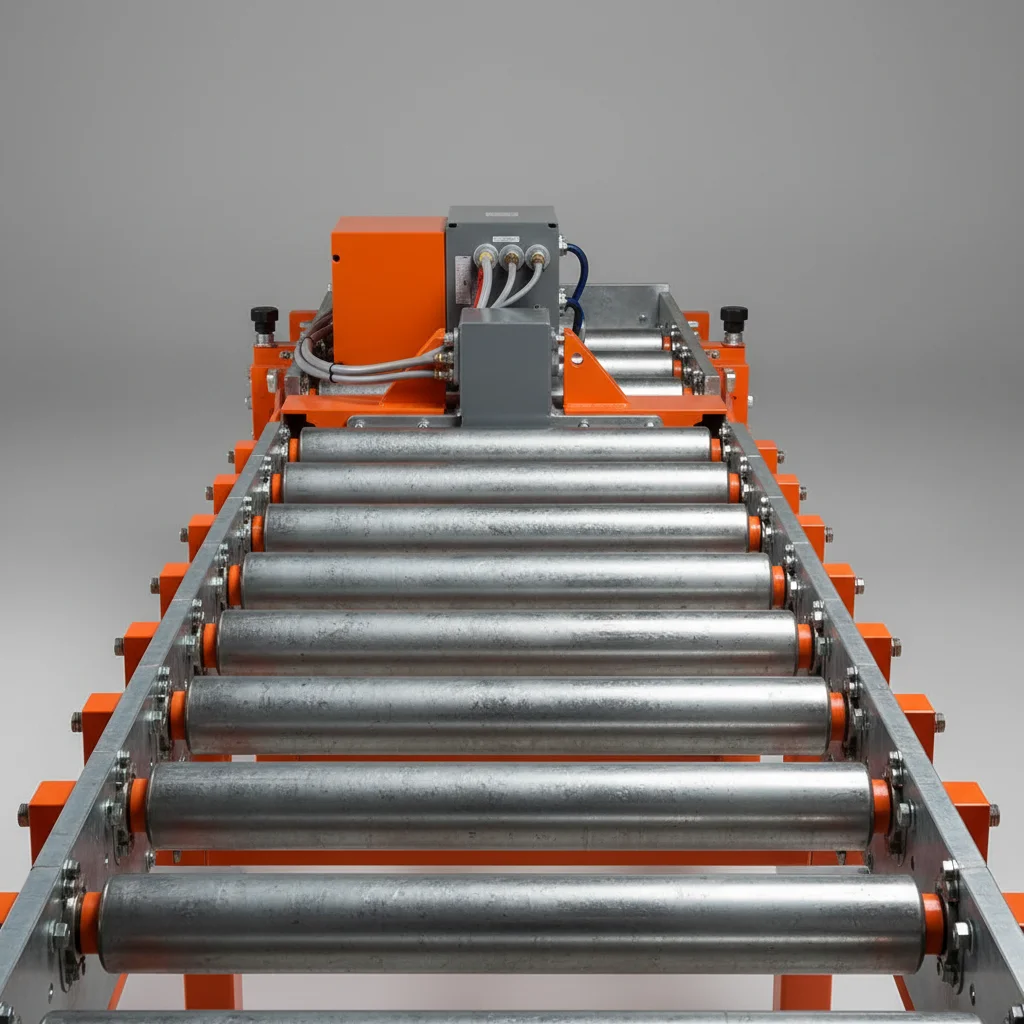
What Is an Industry Conveyor and Why Does It Matter Worldwide?
Industry conveyors are the unsung heroes of modern manufacturing and logistics, quietly steering the flow of materials from point A to point B with precise efficiency. On a global scale, conveyors power everything from automotive assembly lines in Germany to mining operations in Australia and food packaging plants in Southeast Asia.
Understanding how industry conveyors work—and why they’re so indispensable—reveals not only technological sophistication but also broader trends like automation, sustainability, and safety in heavy industry. Essentially, conveyors help businesses reduce labor costs, improve throughput, and maintain consistent product quality. Their impact touches multiple sectors, making them a cornerstone of industrial growth worldwide.
Plus, when you think about supply chain resilience, especially in unpredictable times, robust conveyor systems can mean the difference between a smooth operation and costly downtime.
Mini takeaway: Industry conveyors are vital cogs in the global machine of production and distribution, enabling efficiency, scalability, and innovation.
The Global Landscape: Why Industry Conveyors Are a Big Deal
Today’s industry conveyor systems sit at the intersection of economic growth and technological innovation. According to the International Organization for Standardization (ISO), material handling and conveyor equipment form a multi-billion dollar market, with consistent growth driven by expanding e-commerce, urbanization, and infrastructure development.
The UN’s trade data from 2023 highlights that countries investing heavily in automation—including conveyors—tend to see notable boosts in manufacturing output and export efficiency. Yet, challenges remain. Many factories and warehouses especially in developing regions still rely on manual handling methods that slow down productivity and increase injury risks.
Industry conveyors address this by automating material movement, reducing human error, and cutting operational costs. The World Bank’s logistics reports also emphasize that shorter supply chains integrated with modern conveyors improve inventory turnover, a key advantage in today’s fast-paced markets.
Mini takeaway: Conveyor technology bridges productivity gaps worldwide, supporting global trade and industrial modernization.
Defining Industry Conveyor: The Nuts and Bolts
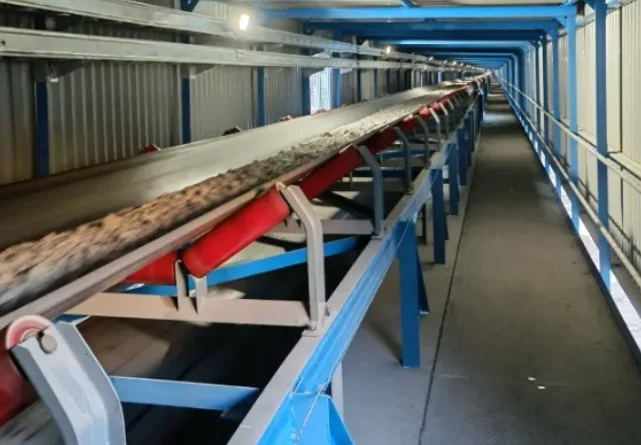
Simply put, an industry conveyor is a mechanical system designed to transport goods, parts, or bulk materials across fixed routes within manufacturing plants, warehouses, or distribution centers. Think of it as a continuous, moving belt or roller track — a kind of industrial bloodstream that keeps everything flowing.
At its heart, it can be as straightforward as a belt conveyor moving boxes, or as complex as a motor-driven chain conveyor integrated with sensors and robotics. Conveyors keep pace with lean manufacturing principles by enabling just-in-time delivery of components, making assembly lines smoother and safer.
Interestingly, conveyors also play unexpected roles in humanitarian efforts. For example, at disaster relief hubs, they help efficiently sort and distribute supplies—a reminder that this technology transcends conventional industry boundaries.
Core Components That Make industry conveyors Tick
1. Durability
Conveyor systems must withstand harsh environments—whether that’s dust-filled mines or humid food processing plants. Materials like stainless steel or reinforced polymers are common, ensuring longevity without constant maintenance.
2. Scalability
One size rarely fits all. Modular conveyors allow companies to quickly expand or reconfigure their layouts as production demands shift. This flexibility is invaluable in industries like automotive manufacturing, where product lines frequently change.
3. Cost Efficiency
From energy consumption to installation expenses, cost considerations are paramount. Energy-efficient motors and smart controls help minimize operating costs, while minimizing downtime through reliable components saves money long-term.
4. Safety Features
Given conveyors handle heavy loads, safety is critical. Emergency stops, guard rails, and sensor-based obstruction detection protect workers — because accidents here can have real consequences.
5. Integration Capability
Modern conveyors often interface with warehouse management systems (WMS) and robotics. This connectivity boosts accuracy and streamlines logistics.
Mini takeaway: Good conveyor design balances durability, flexibility, and safety, matching the dynamic needs of industrial operations.
Where You’ll Find Industry Conveyors in Action
The versatility of industry conveyors means they crop up just about everywhere. In North America, food processors rely heavily on belt conveyors to move fresh produce rapidly. European automotive plants run sophisticated chain conveyors synchronizing component transport with robotic arms. In Asia’s booming e-commerce warehouses, roller conveyors speed up parcel sorting for same-day delivery.
Moreover, at large infrastructure projects or humanitarian logistics centers, conveyor systems facilitate material handling for efficient construction or aid distribution. Some NGOs utilize portable conveyors to unload supplies from trucks in remote or disaster-affected zones, making operations safer and faster.
Mini takeaway: Conveyors underpin diverse fields globally, from heavy industry to relief efforts, proving their multifaceted importance.
Why Investing in Industry Conveyor Systems Pays Off
- Improved Productivity: Automated transport of goods drastically reduces processing time and manual labor intensity.
- Enhanced Safety: Minimizing worker involvement with heavy or hazardous loads lowers accident rates.
- Sustainability: Energy-efficient components and optimized material flow reduce waste and power use.
- Reliability and Consistency: Conveyor systems ensure a steady pace of operations, critical for quality control.
- Emotional Impact: Safety and automation boost worker morale, reduce fatigue, and enhance workplace dignity.
All these benefits compound over time. It’s not just about metal and motors; it’s about building trust between management, workers, and customers.
Looking Ahead: Industry Conveyor Innovations on the Horizon
Oddly enough, even something as “old” as conveyors is evolving fast. Smart conveyors embedded with IoT sensors can monitor wear-and-tear in real-time, predict maintenance needs, and avoid unexpected downtime. The rise of green energy means conveyor motors powered by renewable sources are gaining traction, lowering carbon footprints.
Digital twin simulations help engineers optimize conveyor layouts before implementation, saving costly trial-and-error. Add to that advancements in lightweight composite materials and you end up with systems that are not only more efficient but easier to install and relocate.
Frankly, the fusion of automation, AI, and sustainable practices hints at conveyor systems that learn and adapt someday soon.
Challenges in Conveyor Deployment and How to Beat Them
Despite the clear upside, conveyors aren’t always plug-and-play. Common hurdles include:
- High upfront costs for custom systems
- Space constraints in aging factories
- Integration issues with legacy equipment
- Maintenance complexities in harsh settings
Solutions often require early-stage planning, modular designs, and partnering with experienced vendors who understand site-specific needs. Plus, ongoing training and upgrading control systems keep performance optimized.
FAQ: Answers to Common Questions About Industry Conveyors
Q1: How do I choose the right conveyor type for my production line?
A1: It depends on your product’s size, weight, the environment, and throughput needs. Belt conveyors suit boxed items, roller conveyors work well for pallets, and chain conveyors handle heavy loads. Consulting with a conveyor specialist and reviewing your workflow will help pinpoint the best fit.
Q2: Can industry conveyors be customized for unique layouts?
A2: Absolutely. Modular conveyor sections enable tailored configurations. Plus, adjustable speeds, sensors, and pick-and-place integration make them flexible for specific processing sequences.
Q3: What maintenance do conveyor systems typically require?
A3: Regular inspections for belt tension, motor performance, and component wear are crucial. Lubricating moving parts and replacing worn elements proactively can prevent costly failures.
Q4: Are conveyor systems environmentally friendly?
A4: Modern systems incorporate energy-efficient motors and materials, and many can be designed for lower power consumption and recyclability, aligning with sustainability goals.
Q5: How quickly can a conveyor system be installed?
A5: It varies widely. Simple modular belt conveyors may be up and running within days, while complex automated lines take weeks or months. Planning and vendor expertise significantly influence installation speed.
Product Specification Table: Typical Industry Conveyor Model
| Feature |
Specification |
| Type |
Belt Conveyor |
| Belt Material |
PVC, 3mm Thickness |
| Max Load Capacity |
500 kg/meter |
| Speed Range |
0.5 - 2.0 m/s (variable) |
| Drive Motor |
1.5 kW, 3 Phase, Energy Efficient |
| Length |
Customizable, up to 50 m |
Vendor Comparison Table: Leading Industry Conveyor Providers
| Vendor |
Product Range |
Customization |
Global Reach |
Pricing Level |
| JT Conveyor Co. |
Belt, Roller, Chain |
High—Modular Designs |
North America, Asia, Europe |
Mid-Range |
| Global Convey Solutions |
Automated Systems, Sortation |
Medium |
Worldwide |
High-End |
| EcoMove Solutions |
Sustainable Materials, Solar-Powered |
Low—Standard Models |
Europe, North America |
Competitive |
Wrapping It Up: Why Industry Conveyors Still Matter Tomorrow
Industry conveyors may not steal headlines, but they keep the world turning—from delicate electronics assembly to rugged mining conveyor belts. Their blend of durability, smart design, and automation readiness means they’ll remain pivotal in boosting productivity and sustainability.
If you’re exploring ways to optimize your material flow—whether in a bustling warehouse or a new factory floor—delving into conveyor options is a smart move. And hey, if you want to see practical solutions that combine innovation with reliability, don’t hesitate to check out industry conveyor providers like JT Conveyor Co. Their modular, customizable conveyors have helped many businesses marry efficiency and safety.
So next time you see something moving silently along a conveyor belt, you might just think: that’s a little miracle of modern industry in motion.
References
- International Organization for Standardization (ISO)
- World Bank Data on Logistics
- Wikipedia - Conveyor