Understanding the Tube Conveyor System: A Global Perspective
In an increasingly interconnected world, efficient material handling solutions are not just nice-to-haves — they are necessities. The tube conveyor system stands out as a clever innovation addressing complex transportation challenges across multiple industries. Why does it matter so much? From ensuring continuous supply chains in manufacturing hubs to supporting large humanitarian efforts delivering aid to remote areas, these systems keep things moving smoothly, safely, and sustainably.
Let’s unpack this technology a bit more — what it is, why it’s so useful globally, and what makes it one of the quiet workhorses behind today’s global industry.
Introduction: Why Tube Conveyor Systems Matter Globally
Did you know that efficient logistics can reduce industrial carbon footprints by up to 30%? With the world leaning heavily into sustainable practices, conveyor systems like the tube conveyor system come at the forefront. According to the International Organization for Standardization (ISO), optimizing transport within factories and supply chains is critical to reaching global environmental goals (ISO 20400).
Meanwhile, the UN’s humanitarian logistics reports reveal that about 20% of relief delays come from ineffective material transport in difficult terrains. A tube conveyor system helps solve such bottlenecks by offering a reliable, enclosed, and weather-resistant transport medium for bulk and discrete materials alike. Its design prevents spillage and contamination, which is crucial in both environmental and health-sensitive contexts.
Simply put: whether it’s a manufacturing site in Europe or a disaster relief camp in Africa, this conveyor technology is a global game-changer.
Mini takeaway: Tube conveyor systems contribute significantly to reducing supply chain inefficiencies and environmental impact worldwide.
What Is a Tube Conveyor System?
A tube conveyor is essentially a flexible belt enclosed within a circular, tubular casing. Imagine an everyday conveyor belt, but wrapped in a tough, tube-shaped cover that keeps transported materials secure and isolated from outside elements. This might sound simple, but the effect is transformative.
In modern industries, this means you can convey fragile or hazardous materials without risk of contamination or exposure — a huge advantage in pharmaceuticals, food processing, and chemical production. Humanitarian organizations, too, find this system useful when moving sensitive supplies where dust, moisture, or theft could be an issue.
It’s interesting how something as humble as a tube surrounding a belt shifts the entire logistics dynamic by making systems safer, cleaner, and more adaptable.
Core Components and Key Features of Tube Conveyor Systems
1. Durability and Protection
The sealed tubular design guards the transported goods against dirt, water, and physical damage. Many engineers I spoke with emphasize how this extends operational life significantly.
2. Flexibility and Scalability
Unlike rigid conveyors, tube conveyors can bend around corners and adjust to complex layouts. This makes them perfect for cramped industrial sites or remote settings where space is limited.
3. Cost Efficiency
While upfront costs can be a bit higher than open conveyors, the low maintenance and reduced product loss often balance the books in the medium to long term.
4. Environmental Impact
The tight enclosure reduces dust and spillage, cutting down waste and pollution. This aspect particularly appeals to sustainability-focused companies.
5. Ease of Installation and Maintenance
Many systems come modular, meaning quick installation and straightforward servicing. This reduces downtime and workforce labor – major pluses in busy operations.
Mini takeaway: Tube conveyor systems combine protection, adaptability, and sustainability, keeping materials and environments safe.
Real-World Applications of Tube Conveyor Systems
This system’s versatility shines when you look at where it’s used globally:
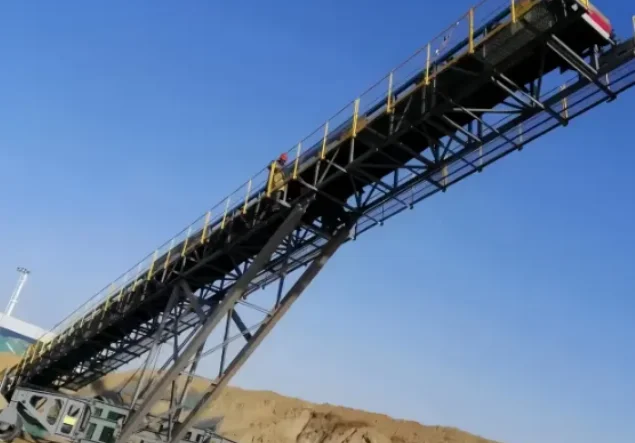
- Mining and Minerals: Remote mines use enclosed conveyors to transport ore safely without dust escape, protecting workers and environments.
- Food Industry: Ingredients transported hygienically inside tubes minimize contamination risk, preserving quality.
- Pharmaceutical Manufacturing: Sterile conditions are crucial; tube conveyors deliver ingredients without exposure to air.
- Humanitarian Relief: In disaster-affected zones, materials like food and medical supplies can be moved quickly and safely across rough terrains.
- Waste and Recycling: Enclosed conveyors help keep materials contained, reducing smell and spillage near residential zones.
For instance, in West Africa, NGOs have implemented tube conveyor systems to transport food across flood-affected areas where roads vanish seasonally. It’s an elegant solution turning logistics obstacles into manageable hurdles.
The Advantages and Long-Term Value
There’s a lot to love about tube conveyor systems beyond the obvious material protection:
- Cost Savings: Reduced material loss and lower maintenance create a favorable return on investment. Oddly enough, many plants recoup installation costs within 2-3 years.
- Safety and Trust: Workers feel more secure handling materials without dust or spillage hazards.
- Environmental Stewardship: Compliance with increasingly strict emissions and safety regulations becomes easier.
- Innovation and Future-proofing: These systems often integrate digital sensors for predictive maintenance, aligning with Industry 4.0 trends.
The emotional impact is notable as well — knowing a site operates efficiently and safely impacts staff morale and community relations positively.
What Does the Future Hold for Tube Conveyor Systems?
Looking ahead, several trends hint at ongoing evolution:
- Greener Materials: Biodegradable covers, recycled belts, and energy-efficient motors promise leaner carbon footprints.
- Automation & AI: Smart conveyor monitoring helps detect wear and optimize routes autonomously.
- Customization: Tailor-made tube systems for unique industrial processes, supported by advanced 3D design software.
- Integration: More seamless connection to warehouse logistics and supply chain management software.
In the end, tube conveyors are not just transporters; they’re becoming intelligent logistics partners.
Overcoming Challenges in Tube Conveyor Deployment
No system is perfect. Some common hurdles include:
- Initial Cost Concerns: The upfront capital investment can deter smaller operators.
- Design Complexity: Custom bends and lengths require precision engineering, sometimes slowing down deployment.
- Maintenance Accessibility: Enclosures can complicate inspection if not designed thoughtfully.
Experts recommend:
- Conducting thorough site analysis before purchase.
- Working closely with vendors offering modular, easy-to-service components.
- Training maintenance staff early in the system lifecycle.
Innovations such as quick-release covers and IoT-based sensor arrays continue to smooth these issues.
Tube Conveyor System Specifications
| Specification |
Details |
| Belt Width |
100 mm to 1200 mm (customizable) |
| Maximum Length |
Up to 2000 meters continuous operation |
| Max Load Capacity |
Up to 150 tons per hour |
| Material |
High-strength steel casing, PVC or PU belts |
| Operating Temperature |
-20°C to 60°C |
| Power Supply |
3-phase 380V / 50Hz standard |
Comparing Top Vendors of Tube Conveyor Systems
| Vendor |
Customization Options |
Lead Time |
After-sales Support |
Price Range |
| ConveyX Solutions |
High (custom belts, casing, length) |
6-8 weeks |
24/7 hotline & onsite tech |
$$$ |
| TubeFlow Inc. |
Medium (standard modules) |
4-6 weeks |
Online support, training included |
$$ |
| Global Conveyor Tech |
Low (few variants) |
3-5 weeks |
Email & phone support |
$ |
Frequently Asked Questions About Tube Conveyor Systems
Q: What materials can a tube conveyor system transport?
A: Tube conveyors handle a wide range of materials — from fine powders and grains to irregular-shaped objects like medical supplies. Their enclosed design reduces contamination and spillage, making them versatile across many industries.
Q: How flexible are tube conveyor systems when it comes to layout challenges?
A: Quite flexible! Because they can bend and curve within specific radii, tube conveyors adapt well to complex factory layouts or rugged outdoor scenarios. However, sharp turns require careful engineering to avoid belt stress.
Q: Are tube conveyor systems energy efficient?
A: Generally, yes. The enclosed belt reduces energy losses from spillage and belt wear. Plus, modern systems often incorporate energy-saving motors and smart controls to optimize power consumption.
Q: How do tube conveyors compare to pneumatic transport systems?
A: Both move bulk materials but differ fundamentally. Tube conveyors operate mechanically with belts inside tubes, offering gentle handling and lower dust emission, whereas pneumatic systems use air pressure and are suited for granular or powdered materials only.
Q: Can tube conveyor systems be used in harsh environmental conditions?
A: Absolutely. Their enclosed design protects materials from weather, dust, and contaminants, making them ideal for outdoor or challenging environments such as mining or disaster relief.
Conclusion: Why Invest in a Tube Conveyor System Now?
At the end of the day, choosing a tube conveyor system means opting for reliability, sustainability, and efficiency rolled into one flexible technology. Whether you’re a factory engineer balancing layout constraints, a project manager seeking low-maintenance logistics, or an aid worker grappling with difficult terrain, these conveyors offer a proven solution.
If you want to explore how tube conveyor systems can transform your operation or humanitarian project, visiting our website is a great next step. They provide extensive options tailored to diverse needs, backed by solid engineering expertise.
Keep in mind, product transport might feel like a mundane topic, but it’s the backbone of so much we rely on daily — and tube conveyor systems quietly excel in that vital role.
References
- ISO 20400 - Sustainable procurement
- UN Office for the Coordination of Humanitarian Affairs, 2024 Report
- Conveyor System - Wikipedia