Understanding Roller Conveyor Systems: A Backbone of Modern Industry
Roller conveyor systems aren’t just a technical detail in warehouses—they represent a vital artery of global manufacturing, logistics, and even humanitarian aid. You might not notice them on your daily commute, yet these systems power the movement of goods around the world every second. It’s odd how such a seemingly simple mechanical setup can have massive economic and operational impact across industries.
Why does this matter globally? Well, with the rise of e-commerce, automated factories, and complex supply chains, the need for efficient, reliable material handling solutions like roller conveyor systems has skyrocketed. Not only do these systems streamline operations, but they reduce workplace injuries and support sustainability goals by optimizing processes.
Introduction: The Global Role of Roller Conveyor Systems
Across continents, industries depend on roller conveyors to keep products flowing—from sprawling ports in Rotterdam to busy fulfillment centers in the U.S. According to the International Organization for Standardization (ISO), logistics efficiency is a critical driver of economic growth, and conveyor systems are at the heart of this. The global material handling equipment market, valued at approximately $35 billion (Fortune Business Insights, 2023), continues to grow steadily, underscoring the relevance of technologies like roller conveyors.
Yet, there’s a challenge: as supply chains get more complex and demand becomes less predictable, traditional conveyor systems need to evolve or risk bottlenecks and delays. So, understanding roller conveyor systems is key to solving operational efficiency puzzles worldwide.
What Are Roller Conveyor Systems?
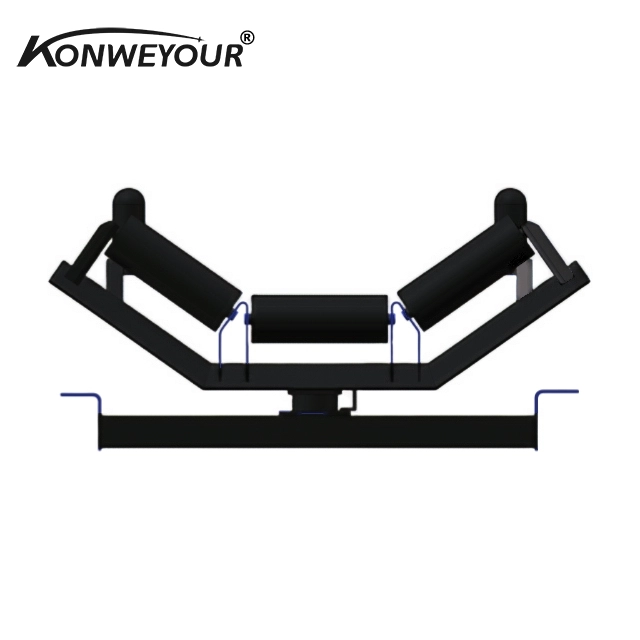
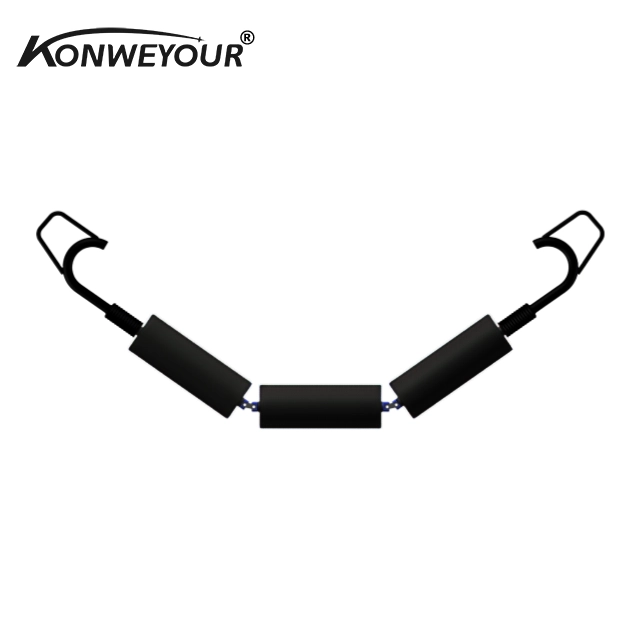
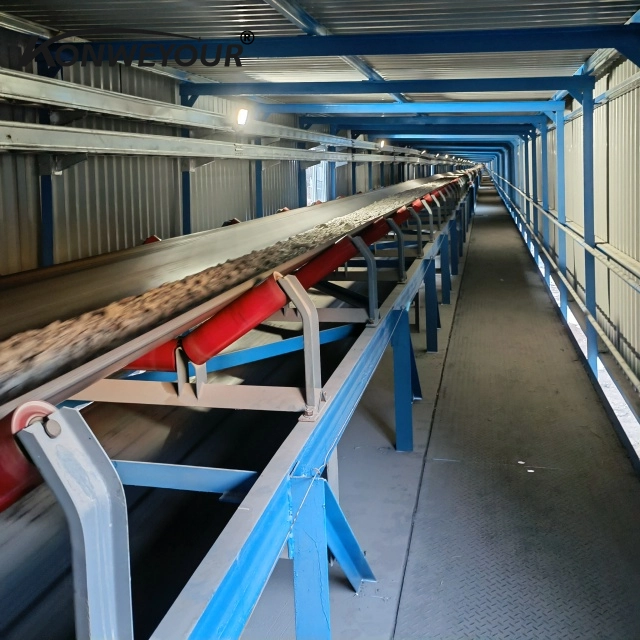
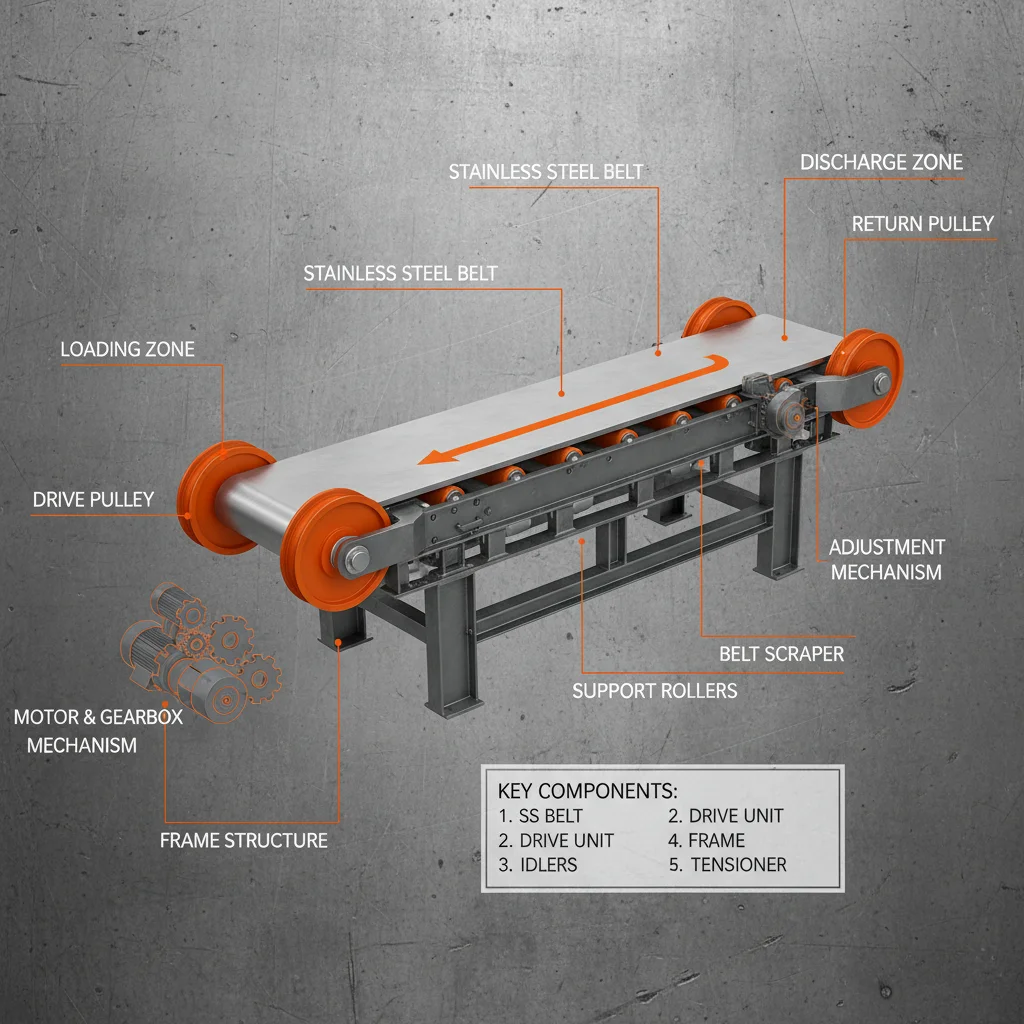
Simply put, roller conveyor systems consist of a series of cylindrical rollers set within a frame, enabling objects to move smoothly from point A to B. The rollers may be powered or gravity-fed, depending on the design and application.
These systems link manufacturing lines, sort packages in distribution centers, and even help deliver essential relief supplies quickly in emergencies. They aren’t just machines; they form an essential bridge between production and delivery in our interconnected world.
Core Components and Key Factors
Durability
Industries often stress ‘built to last,’ and roller conveyors are no exception. Materials like galvanized steel or stainless steel are common, offering corrosion resistance and strength under heavy loads.
Scalability
Companies appreciate conveyors that grow with their needs. Modular roller conveyor systems allow businesses to add or rearrange sections swiftly — handy when production demands surge or shift.
Cost Efficiency
Energy efficiency and maintenance costs matter. Gravity conveyors save power but need clever design to minimize manual handling. Powered rollers might cost more upfront but can speed up processes significantly.
Customization
Nothing is one-size-fits-all in logistics. Roller widths, load capacity, and frame angles cater to various industries — from automotive assembly to food processing.
Ease of Integration
Modern roller conveyors often connect seamlessly with automated sorting systems or robotic pickers. This connectivity is crucial in warehouses aiming for digital transformation.
Mini takeaway: Roller conveyor systems’ success hinges on balancing durability, scalability, cost, and flexibility—qualities that align closely with ever-changing industrial demands.
Global Applications: Who Uses Roller Conveyor Systems?
- Manufacturing: Automakers rely on robust roller conveyor systems to assemble parts efficiently.
- Distribution & Fulfillment: Giants like Amazon use complex conveyor grids to ship millions of parcels daily.
- Port & Airport Logistics: Handling thousands of containers and luggage requires durable conveyors.
- Humanitarian and Disaster Relief: Organizations deploy conveyor systems temporarily to expedite aid supplies, often in hard-to-access regions.
- Food & Beverage: Hygiene-certified rollers make the production and packaging lines smooth and safe.
In fact, I recall reading about a post-hurricane relief operation where portable conveyor systems were deployed at a makeshift distribution center. They saved hours otherwise lost to manual bag handling, accelerating aid delivery in critical hours.
Advantages & Long-Term Value of Roller Conveyor Systems
In real terms, incorporating roller conveyors means more than just moving goods faster:
- Cost Savings — Lower labor needs and reduced injury risks translate to saved expenses.
- Sustainability — Efficient conveyors cut energy consumption and waste.
- Safety — Reducing manual handling helps protect workers, meeting occupational health standards worldwide.
- Reliability & Trust — When products move smoothly, businesses gain customer trust and competitive advantage.
Oddly enough, there’s also a sense of dignity in mechanizing tedious tasks—we let people focus on more meaningful, skill-demanding work while reliable conveyors handle the heavy lifting.
Future Trends & Innovations in Roller Conveyor Systems
The conveyor world is anything but static. Green energy integrations, like solar-powered conveyor components, are being tested. Meanwhile, digital twins and IoT sensors optimize system performance by predicting maintenance needs before failures.
Automation moves forward too. We see growing use of artificial intelligence guiding sorting conveyors, adapting to package sizes and destinations dynamically. Lightweight composite rollers cut down system weight and energy needs. It’s an exciting mix of mechanical grit and high-tech finesse.
Common Challenges & Practical Solutions
Of course, no system is perfect. Roller conveyors can face issues like roller wear, jamming, or limitations in curved path configurations. However, advances in modular design and improved materials, such as self-lubricating rollers, help address these challenges. Experts recommend routine inspections and adopting flexible layouts that anticipate future flow changes.
Frequently Asked Questions About Roller Conveyor Systems
- Q: How do I determine whether powered or gravity roller conveyors suit my operation?
- A: Powered conveyors are best for consistent, high-speed movement and heavy loads, but they consume energy. Gravity conveyors save power and maintenance costs but need a slope and often manual input. Consider load types, throughput, and energy priorities when choosing.
- Q: What’s the typical lifespan of a roller conveyor system?
- A: Generally, a well-maintained conveyor can last 10–20 years. Lifespan depends on usage intensity, environment (humidity, corrosive elements), and maintenance routines. Planning for periodic part replacements improves longevity.
- Q: Can roller conveyors be customized for unique products?
- A: Absolutely. Width, roller diameter, spacing, and materials can be tailored to suit specific industries or products. Engaging vendors early to discuss customization options saves headaches later on.
- Q: Are there eco-friendly conveyor system options?
- A: Yes. Many manufacturers now offer conveyor components made from recycled materials or low-energy designs. Integrating energy-efficient motors and smart controls further enhances ecological footprints.
- Q: How difficult is it to integrate roller conveyors with automated warehouses?
- A: Modern roller conveyor systems often come with options to link to warehouse management systems (WMS) and robotics via sensors and controls, making integration smoother than ever. Expert consultation ensures compatibility.
Product Specifications Snapshot
| Specification |
Details |
| Roller Diameter |
50 mm – 108 mm (varies by product need) |
| Load Capacity |
Up to 150 kg per roller section |
| Frame Material |
Galvanized steel or stainless steel |
| Roller Material |
Steel, plastic coated, or PVC |
| Power Options |
Gravity-fed or electrically powered |
Vendor Comparison: Leading Roller Conveyor System Providers
| Vendor |
Product Range |
Customization Options |
Sustainability Practices |
Typical Lead Time |
| ConveyorCo |
Wide, including modular systems |
Highly flexible |
Recycled materials used |
4–6 weeks |
| RollTech Solutions |
Specialized for heavy loads |
Moderate |
Carbon-neutral manufacturing |
6–8 weeks |
| EcoRoll Conveyors |
Focus on lightweight and eco designs |
Custom solutions available |
100% recyclable components |
5 weeks |
If you’re curious or evaluating options, exploring roller conveyor systems from trusted vendors can spark ideas tailored to your exact needs.
Conclusion: Why Roller Conveyor Systems Matter for the Future
In wrapping up, roller conveyor systems stand as unsung heroes in the complex supply chains and manufacturing arenas of today—and tomorrow. Their ability to blend rugged mechanics with modern automation touches everything from economic efficiency to worker well-being and environmental goals.
If your operations demand reliability, scalability, and innovation, it’s honestly worth diving deeper into roller conveyor systems as a strategic investment. Curious to learn more or improve your current setup? Visit our website for detailed resources and expert guidance.
Mini takeaway: Roller conveyor systems make the movement of goods smoother, safer, and smarter—shaping a future of industry that’s as efficient as it is hopeful.
References:
- International Organization for Standardization (ISO)
- Fortune Business Insights - Material Handling Equipment Market
- Wikipedia: Conveyor System