Roller Idler Conveyor: The Unsung Backbone of Modern Material Handling
Ever wonder how giant factories and sprawling warehouses keep materials moving efficiently, day in and day out? The roller idler conveyor quietly does the heavy lifting — literally. This topic matters worldwide because material flow drives industries, sustains supply chains, and connects communities beyond borders. Understanding roller idler conveyors unlocks deeper insights into global manufacturing, logistics, and even post-disaster relief. Honestly, it’s one of those core engineering marvels that’s easy to overlook but foundational to so much.
Introduction: Global and Industry Context
Conveyor systems handle roughly ISO standards for ergonomics and safety and are instrumental in moving over 250 billion tons of goods worldwide annually, according to World Bank logistics data. The roller idler conveyor, a subtype designed for smooth material flow with minimal friction, is critical in industries from mining in Africa to automotive assembly in Europe. Yet, these conveyors face challenges: wear and tear, energy usage, and adaptability to diverse environments.
With supply chains more complex than ever, ensuring conveyors perform reliably can literally save time, money, and reduce carbon footprints — a growing global concern as the UN presses for sustainable industry innovation.
What Is a Roller Idler Conveyor?
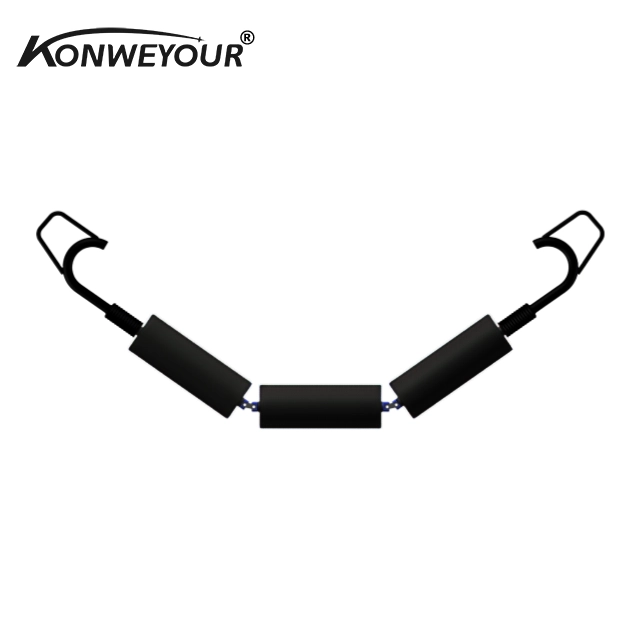
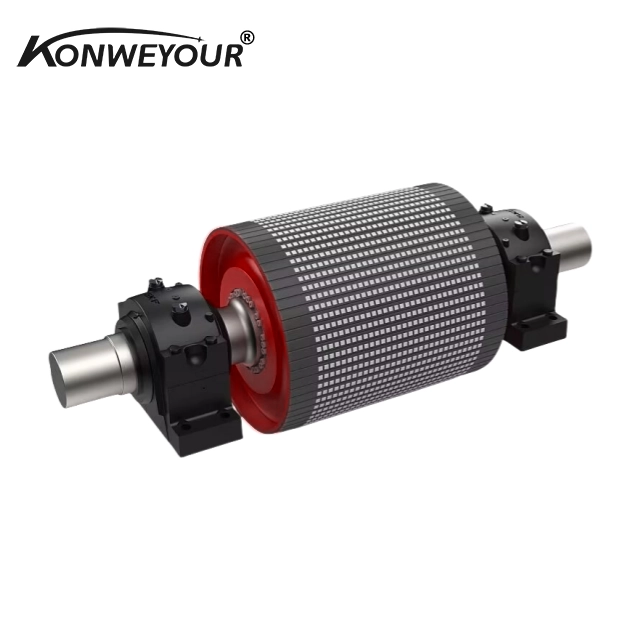
Put simply, a roller idler conveyor consists of a series of cylindrical rollers mounted on a frame, supporting and guiding materials as they move along. Unlike powered conveyors, roller idlers typically rely on the weight of the material or external force for movement. They connect supply chains by helping transport everything from heavy ore to delicate packages without damage.
In a humanitarian setting, for example, these conveyors can speed relief efforts by moving supplies efficiently through makeshift warehouses—something nonprofits often appreciate during crises, where time and reliability matter most.
Key Components of Roller Idler Conveyor
1. Durability and Material Selection
The rollers are usually made from steel, aluminum, or even plastic composites, chosen for resistance to corrosion, wear, and impact. Durability means less downtime — essential in 24/7 plants.
2. Scalability and Modular Design
Because roller idler conveyors are modular, you can expand or adjust your layout to changing operational demands, whether it’s growing production or seasonal fluctuations.
3. Cost Efficiency
With fewer moving parts compared to powered systems, maintenance costs drop. Plus, energy savings add up, since gravity or external means often move the load.
4. Load Capacity and Speed
Depending on the roller diameter and spacing, conveyors handle diverse weights and sizes — from tiny parcels to heavy bulk materials.
5. Ease of Installation and Maintenance
Installation tends to be straightforward, and many conveyors come with easily replaceable rollers and frames.
Typical Roller Idler Conveyor Specifications
| Specification |
Details |
| Roller Diameter |
50 to 150 mm |
| Material |
Galvanized Steel, Aluminum, Plastic |
| Roller Spacing |
100 to 300 mm |
| Load Capacity |
Up to 500 kg/meter |
| Operating Temperature |
-10°C to +60°C |
| Typical Use |
Material Handling, Distribution Centers, Mining |
Mini takeaway: The roller idler conveyor is a carefully engineered balance of durability, adaptability, and economic practicality – a quiet workhorse in countless global settings.
Global Applications & Real-World Use Cases
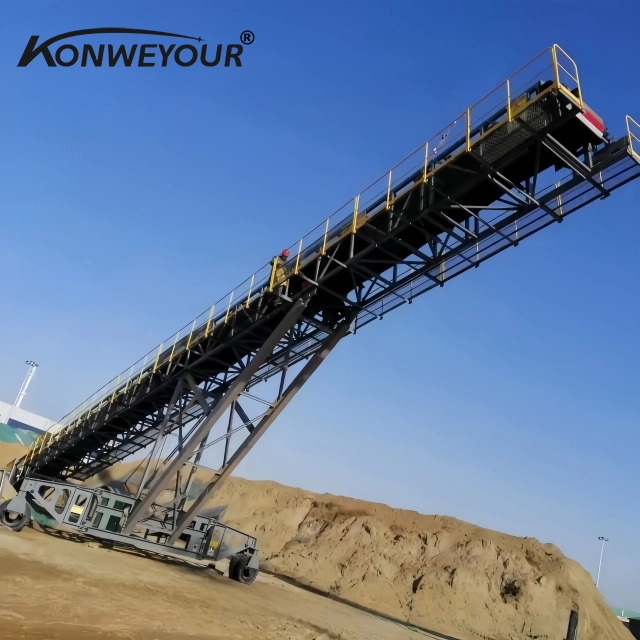
In Southeast Asia, booming e-commerce warehouses depend heavily on roller idler conveyors to speed package sorting, keeping that online shopping engine humming. Mining operations in Australia use heavy-duty roller idler conveyors to move ore safely, reducing manual labor risks. Oddly enough, even humanitarian groups like the Red Cross rely on mobile conveyor setups to streamline loading supplies during disaster relief.
Regions with limited energy infrastructure appreciate these conveyors because their low power demands often mean they’re gravity-fed or manually propelled, fostering sustainability in remote areas.
Advantages and Long-Term Value
There’s a lot to love about roller idler conveyors — they reduce operational costs, lower energy consumption, increase throughput, and improve worker safety by minimizing manual lifting. I suppose the emotional benefit isn’t always obvious, but when a factory or relief operation runs smoothly, it builds trust and dignity both inside the workforce and outward to the community served.
Plus, these conveyors are reliable, often outlasting many other equipment types if maintained well — which is attractive in long-term capital investments.
Future Trends & Innovations
A few exciting trends are shaping how roller idler conveyors evolve. For one, newer materials such as ultra-lightweight composites improve strength-to-weight ratios, reducing energy use further. Then there’s digital integration: sensors embedded in rollers can monitor wear and alignment in real-time, triggering predictive maintenance before failures occur—crucial for avoiding costly downtime.
Environmental policies are nudging manufacturers to choose suppliers who demonstrate sustainable production, so expect greener coatings, recycled metals, and energy-efficient logistics to become the norm.
Challenges and Expert Solutions
No system is perfect. Common issues with roller idler conveyors include wear of rollers under heavy loads, dust or debris buildup, and noise. Some engineers recommend periodic cleaning schedules, using sealed bearings on rollers, and applying noise-dampening materials in installations. Also, customized roller diameters and materials can be selected based on specific site conditions.
Frankly, if you ignore maintenance, you’ll pay the price—but with good design and oversight, roller idler conveyors remain robust workhorses.
Frequently Asked Questions About Roller Idler Conveyors
-
Q: What load capacities can roller idler conveyors typically handle?
A: Most roller idler conveyors accommodate loads from light parcels up to roughly 500 kg per meter, though heavy-duty designs can go beyond that. Selecting the right roller size and spacing is key to matching your load needs.
-
Q: How energy efficient are roller idler conveyors?
A: They’re often more energy efficient than powered conveyors since many rely on gravity or external forces for movement, reducing electrical consumption considerably in material handling.
-
Q: Can roller idler conveyors be customized for tough environments?
A: Absolutely. Materials like stainless steel, special coatings, and sealed bearings allow these conveyors to function in wet, dusty, or corrosive settings.
-
Q: Are maintenance requirements complicated for roller idler conveyors?
A: Generally no. Routine checks for roller wear, alignment, and lubrication suffice. Because of fewer moving parts, maintenance tends to be simpler and less frequent than motor-driven conveyors.
Roller Idler Conveyor Vendor Comparison
| Feature |
Vendor A |
Vendor B |
Vendor C |
| Material Options |
Steel, Aluminum |
Galvanized Steel, Plastic Composite |
Steel, Stainless Steel |
| Custom Sizing |
Available |
Limited |
Available |
| Lead Time |
4 weeks |
2 weeks |
3 weeks |
| Warranty |
2 years |
1 year |
3 years |
| Sustainability Credentials |
ISO 14001 Certified |
No |
Uses Recycled Materials |
Conclusion: Why Roller Idler Conveyors Are Worth Your Attention
In real industrial terms, roller idler conveyors represent a balance of simplicity and sophistication. They save costs, conserve energy, and keep global goods flowing smoothly — a small but mighty piece of the logistics puzzle. So if you’re looking to enhance your operations or simply curious about material handling infrastructure, learning more about these conveyors is wise. For tailored solutions and expert advice, visit our website: roller idler conveyor.
It feels like these conveyors are the quiet heroes we don’t talk about enough… but now, hopefully, they won’t escape your notice.
References:
- ISO: International Organization for Standardization
- World Bank: Logistics Performance Data
- Wikipedia: Conveyor System