Ore Conveyor: The Backbone of Efficient Mineral Transport
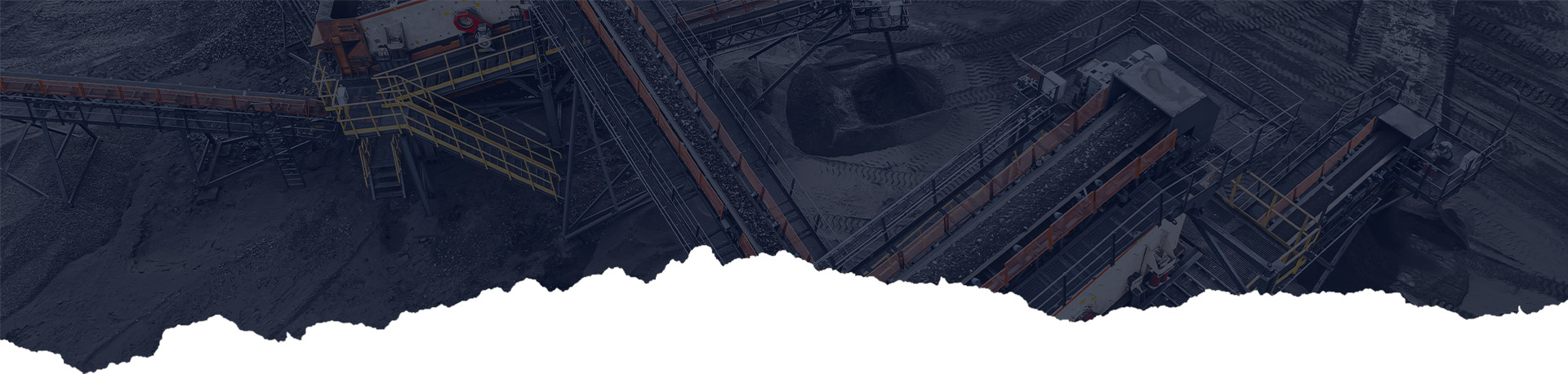
When you think about mining and mineral processing, the term ore conveyor might not immediately jump out. Yet, these machines are essential cogs in the global supply chain of metals and minerals — materials that power everything from smartphones to skyscrapers. Understanding ore conveyors isn't just about appreciating an industrial mechanism; it’s about grasping how raw earth materials are efficiently and sustainably moved in a world increasingly focused on resource optimization and environmental consciousness.
Why Ore Conveyors Matter Globally
Mining contributes approximately 15% to the global GDP according to the World Bank, and that’s no small chunk. Transporting ore efficiently affects not only operational costs but also energy consumption and emissions—two crucial factors in today’s sustainability-focused industries. Ore conveyors help overcome challenges like heavy material load, rough terrain, and remote locations. Their role boosts productivity and reduces reliance on less eco-friendly transport modes such as trucks. Oddly enough, even with all the tech advances, a good conveyor system remains a timeless industrial workhorse.
What Is an Ore Conveyor?
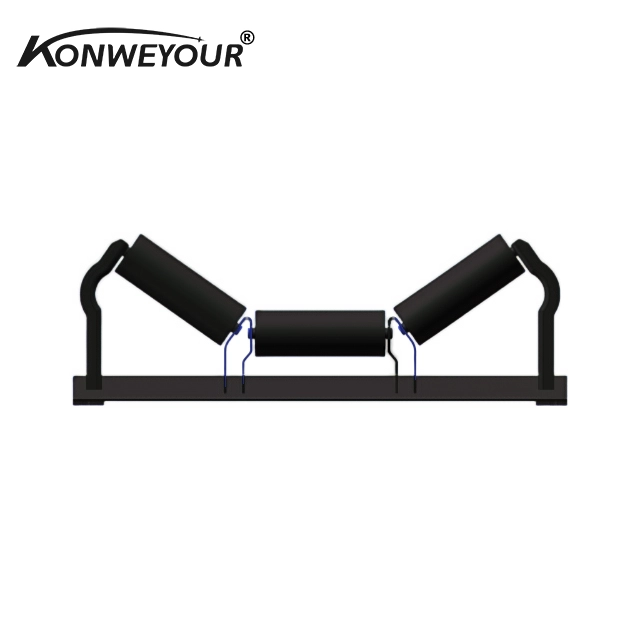
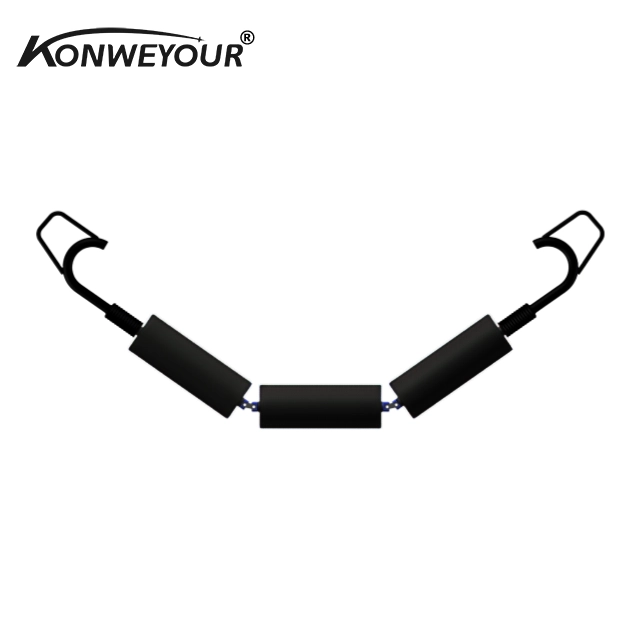
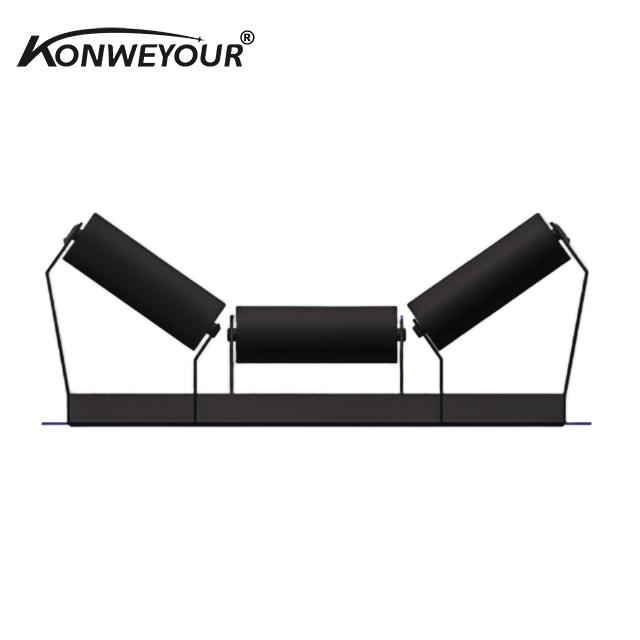
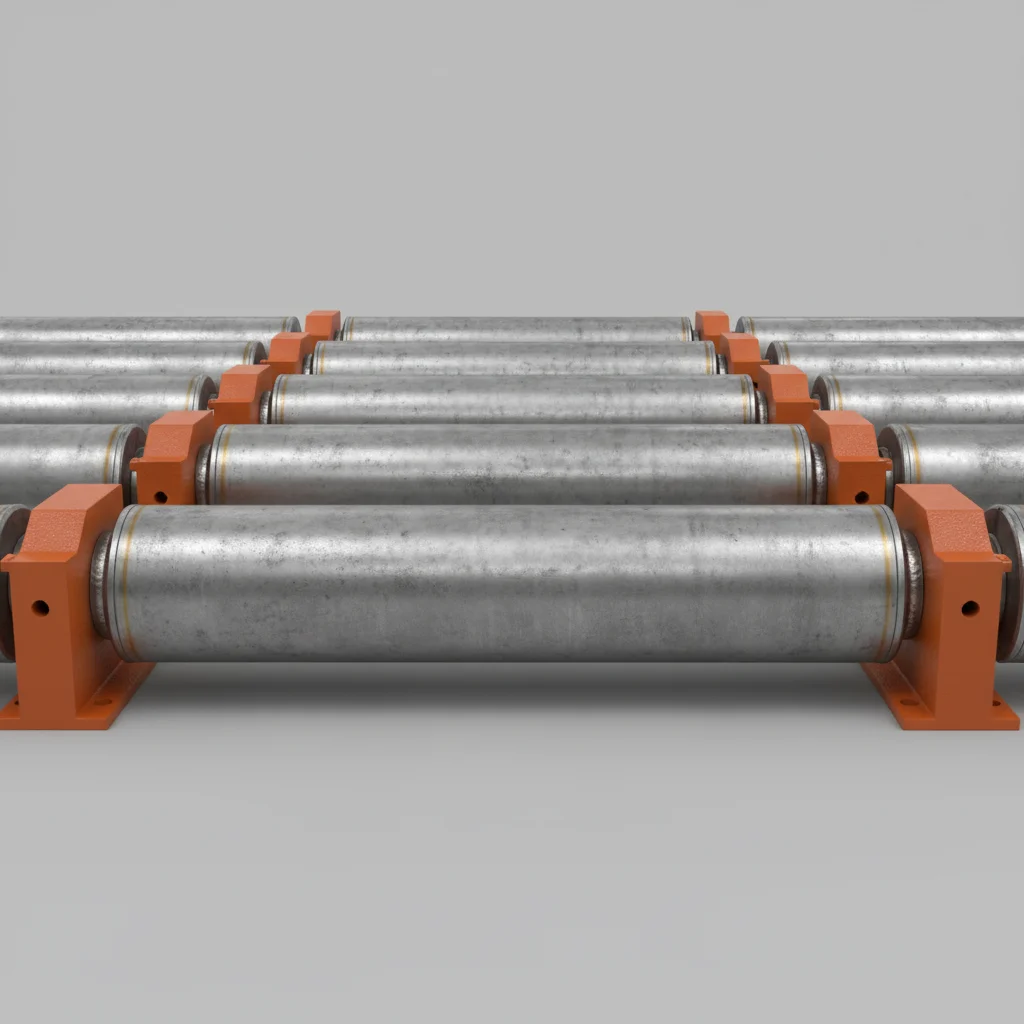
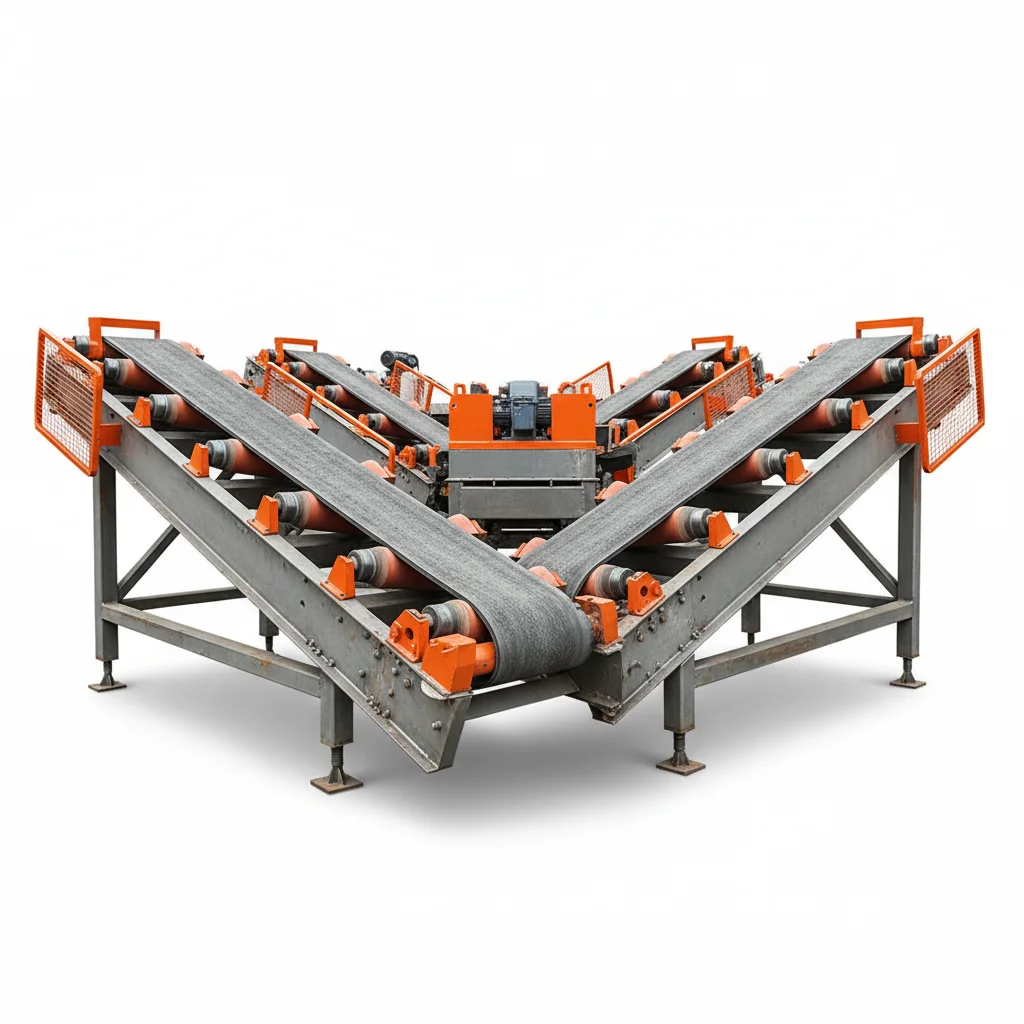
Simply put, an ore conveyor is a mechanical system designed to transport crushed or raw ore from the mining site to processing plants or storage areas. Typically consisting of moving belts or rollers powered by electric motors, these conveyors make bulk material movement smoother, safer, and faster than manual or truck-based methods. Beyond mining, ore conveyors relate to broader industrial needs—improving supply chains and reducing labor risks in harsh environments.
Core Components and Key Factors of Ore Conveyors
1. Durability
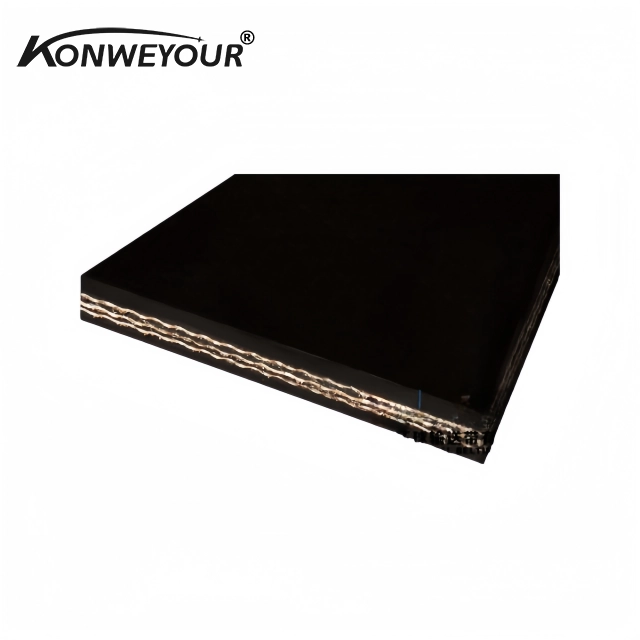
Ore conveyors operate in harsh conditions—think abrasive rocks, dust, moisture, and often uneven terrain. Materials like reinforced steel and abrasion-resistant rubber belts are common to handle wear and tear. Durability ensures fewer breakdowns and lower maintenance, crucial for remote or continuous operations.
2. Scalability
Whether it’s a small underground mine or a massive surface operation, ore conveyors can be customized in length, width, and capacity. Modular designs allow easy expansion as production scales up. That flexibility means operators don’t outgrow their investment quickly, which is a practical boon.
3. Cost Efficiency
By reducing truck haulage and manual labor, ore conveyor systems decrease operational expenses over time despite their upfront cost. Energy efficiency also comes into play, especially with innovations like variable speed drives.
4. Safety
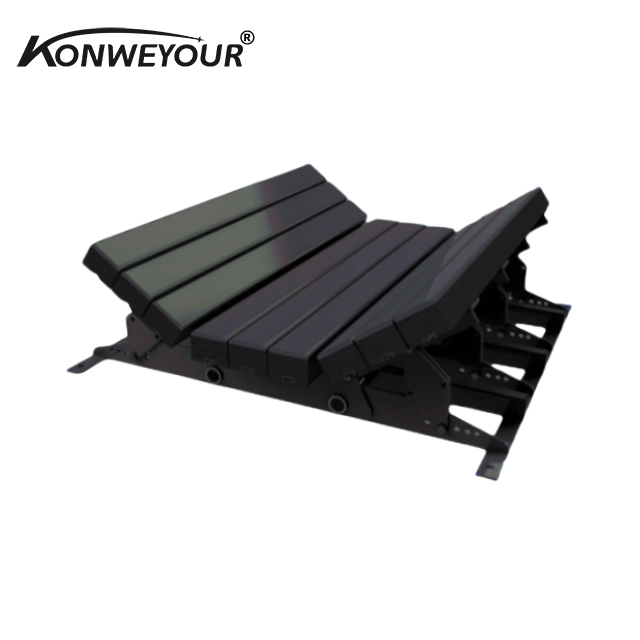
Moving tons of heavy ore manually or by trucks exposes workers to accidents and fatigue. Conveyors minimize human interaction with dangerous loads, reducing workplace injuries. They often come equipped with emergency stop systems and guarding features to enhance safety further.
5. Environmental Impact
Replacing diesel trucks with electrically powered conveyors reduces greenhouse gas emissions. Plus, the controlled transport reduces spillage and dust generation, protecting local ecosystems and communities.
Product Specifications at a Glance
| Specification |
Typical Value / Range |
Notes |
| Belt Width |
500mm to 2400mm |
Depends on throughput requirements |
| Motor Power |
5 kW to 150 kW |
Varies by conveyor length and load |
| Max Load Capacity |
Up to 3000 tons/hour |
Suitable for large-scale mining |
| Operating Temperature |
-20°C to +60°C |
Standard range for most climates |
| Material |
Steel frame, rubber belt |
Corrosion-resistant options available |
Global Applications and Real-World Use Cases
Ore conveyors find their place almost everywhere raw materials are extracted and processed. For instance:
- Australia & South Africa: Massive surface mines rely on long-distance conveyor belts to reduce truck traffic in fragile ecosystems.
- Canada & Russia: Harsh cold climates make conveyor systems preferable over fuel-consuming trucks for ore transit.
- Remote Mining Sites in South America: Contractors use custom modular conveyor solutions for quick deployment and scalability.
Ore conveyor technology also supports humanitarian efforts by enabling resource movement in post-disaster zones to rebuild infrastructure, though that’s rarer. Still, it shows the technology’s versatility.
Vendor Comparison Overview
| Vendor |
Product Range |
Customization |
Lead Time |
Warranty |
| JT Conveyor |
Wide (belt and modular types) |
High (custom solutions) |
4-6 weeks |
2 years |
| GlobalTech Conveyors |
Moderate range |
Medium customization |
6-8 weeks |
1 year |
| MineralFlow Inc. |
Specialized heavy-duty belts |
Limited |
8-12 weeks |
3 years (select models) |
Advantages & Long-Term Value
Ore conveyors offer plenty more than just convenience. Logistically, they lower fuel consumption, maintenance, and labor costs—critical to maintaining competitive profitability. Emotionally and socially, they reduce accidents by keeping workers away from moving trucks and heavy ore. That trust and sense of security foster better workplace culture in challenging mining environments. Environmentally, conveyors allow better dust control and have a smaller carbon footprint, aligning with rising regulations and corporate responsibility goals.
Emerging Trends & Innovations
- Smart Automation: Sensors and IoT integration now allow conveyors to self-diagnose mechanical issues before breakdowns occur.
- Energy Efficiency: New variable frequency drives reduce power consumption during low load periods.
- Green Materials: Research into biodegradable or recycled belt materials is underway, aiming to minimize disposal impact.
- Hybrid Systems: Combining conveyor segments with drone or robotic vehicles in complex terrains.
Challenges & How To Overcome Them
Despite their advantages, ore conveyors face challenges like initial capital costs, space limitations, and susceptibility to weather conditions (e.g., belt icing or dust accumulation). Experts recommend thorough site evaluations and modular designs that can be adapted over time as site conditions change. Innovative heating systems combat cold climates, while dust suppression sprays limit environmental contamination. Frankly, it’s about marrying old-school robustness with modern tech finesse to bring best outcomes.
FAQ: Frequently Asked Questions About Ore Conveyors
- Q: How do ore conveyors compare cost-wise to truck haulage?
A: Although conveyors have higher upfront costs, their operational expenses are typically 30-50% lower over time because of reduced fuel, labor, and maintenance expenses. This makes them very cost-effective for long-term projects.
- Q: Can ore conveyors be used in mountainous or uneven terrain?
A: Yes. Specially designed conveyors with inclined belts and modular supports can adapt to uneven conditions. However, these setups require careful engineering to maintain safety and efficiency.
- Q: What’s the typical lifespan of an ore conveyor belt?
A: Depending on the belt material and operating conditions, conveyor belts can last 5 to 10 years. Regular maintenance, prompt repairs, and choosing abrasion-resistant materials extend lifespan.
- Q: Are ore conveyors environmentally friendly?
A: Generally, yes. They produce less greenhouse gas emissions than trucks and reduce spillage, dust, and noise pollution, supporting sustainable mining practices.
- Q: How customizable are ore conveyor systems?
A: Very customizable. Systems can vary in length, width, capacity, and material depending on mining operation needs, allowing precise integration.
Summary & Final Thoughts
In real terms, ore conveyors are unsung heroes of modern mining and material handling. They combine durability, efficiency, and environmental conscientiousness in ways that help industries thrive sustainably. From remote mountain mines to sprawling mineral processing centers, their adaptability is impressive — and frankly, indispensable. For anyone interested in mining innovation or responsible resource transport, diving deeper into ore conveyor technology is well worth the effort.
Looking for reliable and customizable ore conveyor solutions? Visit our website today to explore how we can optimize your material handling needs.
1. World Bank Extractive Industries Overview - https://www.worldbank.org/en/topic/extractiveindustries
2. ISO 5048: Conveyor belts and components - https://www.iso.org/standard/23043.html
3. Sustainable Mining Practices - United Nations Environment Programme (UNEP) Reports