Understanding the Drive Pulley Conveyor: Essential Insights and Global Impact
If you’re involved in bulk material handling, manufacturing, or logistics, you’ve probably heard of the drive pulley conveyor. But what exactly is it, and why does it continue to capture global attention? Simply put, a drive pulley conveyor is the heart of a conveyor belt system—responsible for moving materials efficiently and reliably across industries worldwide. Given that global material handling markets are projected to hit $120 billion by 2025 (according to ISO reports), understanding this component’s role is truly key.
Why does this matter? Because anywhere from mining in Australia to food processing in Europe, and humanitarian aid logistics in Africa, the drive pulley conveyor keeps things moving smoothly, avoiding costly downtime and improving productivity. In short: it’s a small part with a massive ripple effect.
Global Context: Why Drive Pulley Conveyors Matter More Than Ever
Globally, industries struggle with ever-increasing demand for efficiency and sustainability. The United Nations’ Sustainable Development Goals encourage smarter infrastructure development, where automation and reliable conveyor systems reduce waste and improve supply chain resilience. The drive pulley conveyor, by powering belts that move tons of goods, answers a vital challenge: how to transport materials safely and cost-effectively at scale.
However, challenges remain. Conveyor motor failures or poor drive component choices can lead to unexpected shutdowns. That's where understanding the subtlety in design and materials of a drive pulley conveyor becomes a game changer.
What Is a Drive Pulley Conveyor?
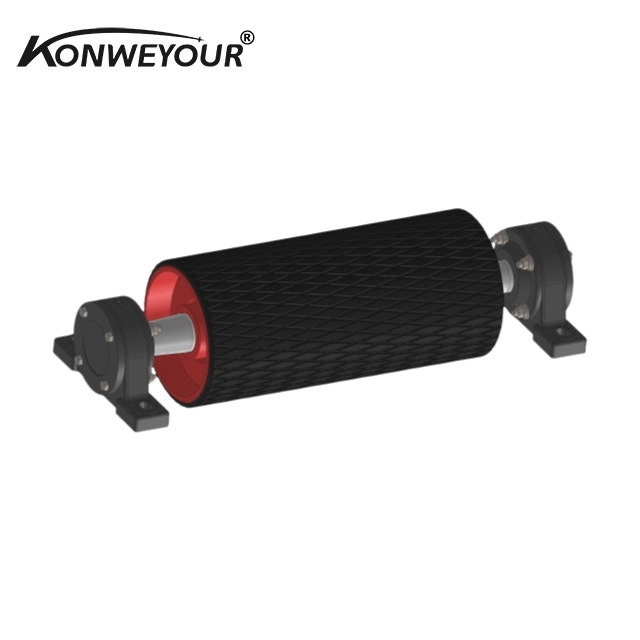
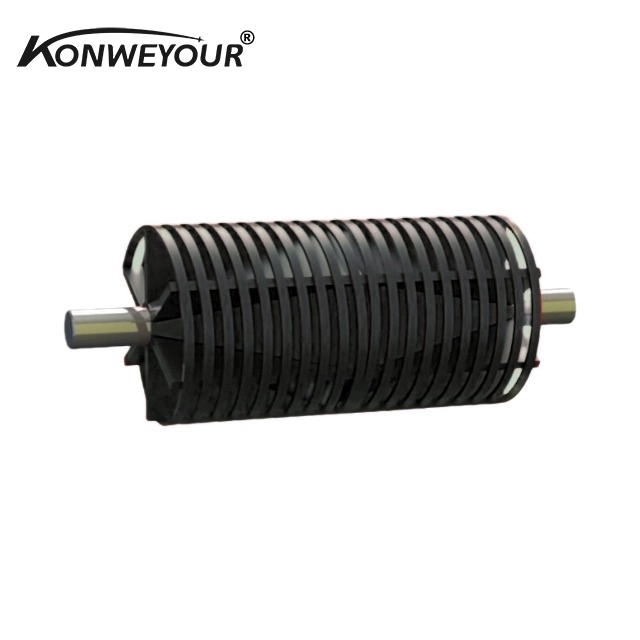
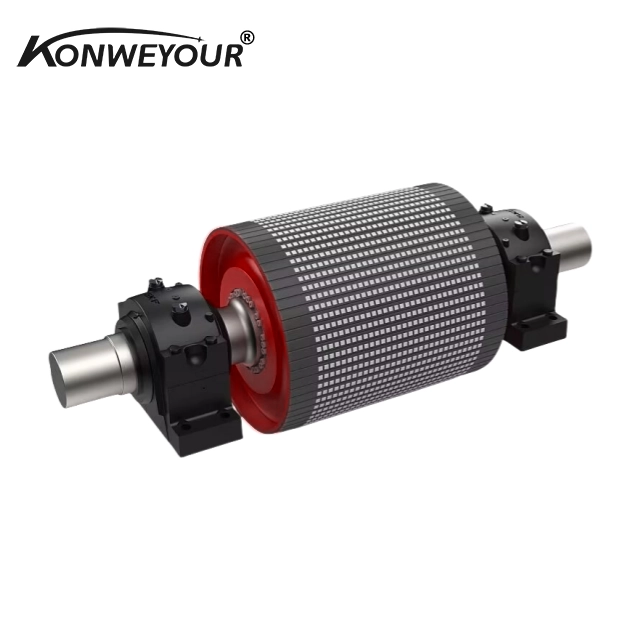
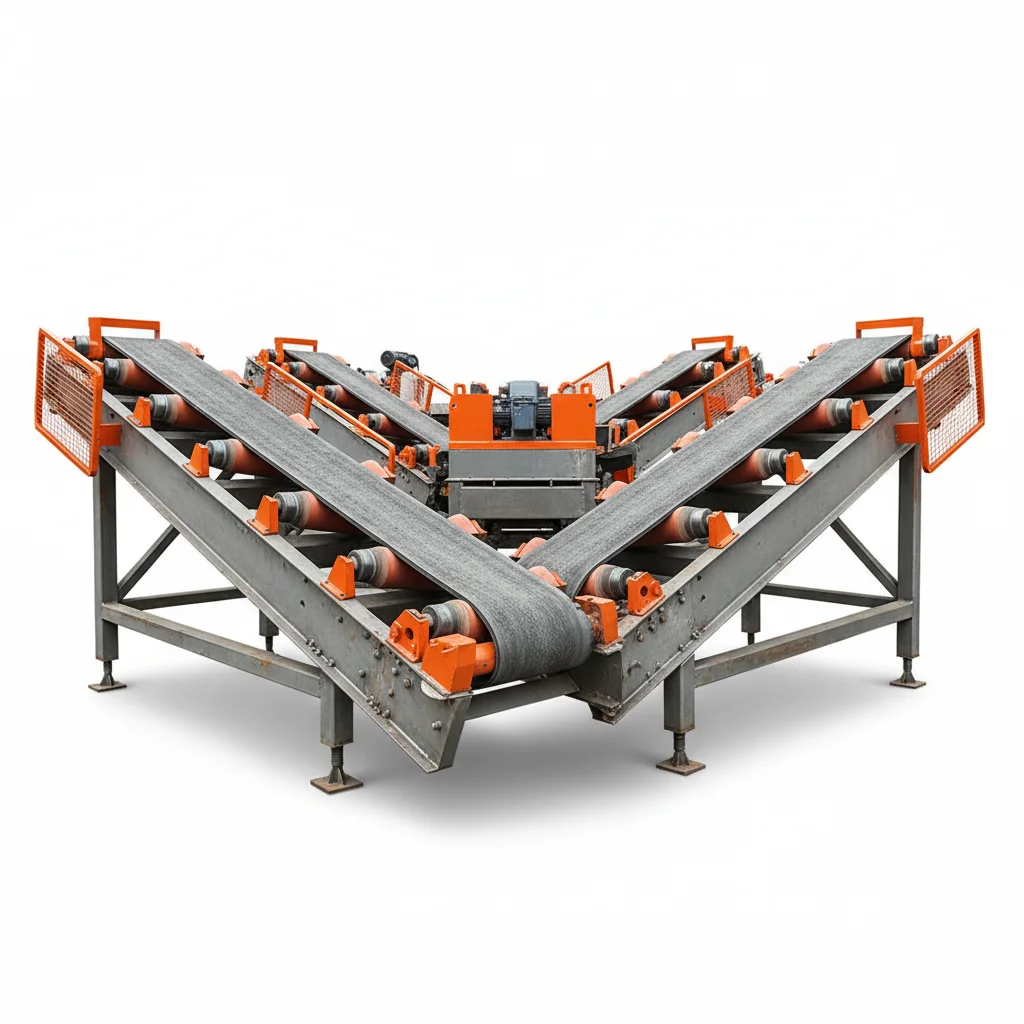
At its core, a drive pulley conveyor is a conveyor belt system powered by a rotating drum, or pulley, attached to a motor. This pulley “drives” the belt, propelling materials along the conveyor. Without it, belts would just hang there, no magic in motion. It’s the mechanical fulcrum, combining torque and friction to transmit power effectively.
Interestingly, drive pulley conveyors aren’t just industrial workhorses; they play a role in humanitarian contexts too. For example, aid organizations deploying materials in remote disaster zones depend on conveyor lines to speed cargo handling, reducing manual labor and exposure risks.
Core Components & Key Factors
1. Durability & Material Quality
Drive pulleys must endure constant stress, often exposed to dust, moisture, or abrasive materials. Steel or alloy shells with robust lagging (rubber layering) protect the pulley surface and enhance grip. Longevity here means fewer replacements and less downtime.
2. Scalability & Design Flexibility
Modular drive pulley designs let engineers tailor conveyor speed and capacity across industries, from food packaging to heavy mining. This flexibility helps the same core concept apply worldwide, from global ports to emerging markets.
3. Energy Efficiency
Modern pulleys incorporate designs that reduce motor load, cutting power usage—a critical factor as companies strive for greener operations. Efficient drive systems translate to billions saved annually on electricity.
4. Maintenance & Safety Features
Built-in monitoring sensors and easily accessible parts mean wear can be caught early, avoiding severe breakdowns. Safety guards minimize accidents, protecting both operators and equipment.
5. Cost Efficiency Over Time
While upfront investment may feel steep, the reduced labor, fewer downtime hours, and better energy footprint make drive pulley conveyors a smart long-term choice for most sectors.
Mini Takeaway:
The drive pulley conveyor isn’t just a wheel turning — it’s a carefully engineered system balancing durability, efficiency, and adaptability to meet diverse global needs.
Global Applications & Real-World Use Cases
- Mining in South Africa: Heavy-duty drive pulley conveyors transport extracted ore over demanding terrain.
- Food Processing in the USA: Lightweight, hygienic pulleys keep lines moving at high speeds to meet strict safety standards.
- Humanitarian Aid Worldwide: Portable conveyor units assist rapid loading/unloading in disaster relief, reducing manual risk.
- Automotive Assembly in Europe: Precision-controlled drive pulleys synchronize parts movement to maintain tight production schedules.
Oddly enough, even in remote Arctic zones, specialized drive pulley conveyors help access materials despite extreme cold, showing the broad reach of this tech.
Advantages and Long-Term Value
Tangible benefits are clear:
- Cost-Effective: Reduced manual labor and downtime save significant expenses.
- Sustainability: Energy-efficient drives lower carbon footprints markedly.
- Reliability: Robust builds ensure continuous operation, even under tough conditions.
- Social Impact: By improving safety and ergonomics, these systems protect workers’ wellbeing.
But beyond dollars and figures, there’s a human side—workers trust systems that run smoothly, and communities benefit from uninterrupted supply chains. That sense of reliability and dignity in working conditions often gets overlooked.
Future Trends & Innovations
Looking ahead, drive pulley conveyors are embracing smart sensors and IoT integration, allowing predictive maintenance and remote monitoring. Expect more composite materials—lightweight yet ultra-durable—to extend lifespan and reduce energy consumption.
Green energy integration is also on the rise. Solar-powered conveyor drives and regenerative braking could reshape operations for eco-conscious manufacturers.
Challenges & Expert Solutions
Of course, challenges exist:
- Wear and lagging degradation over time
- Initial installation complexity in tight spaces
- Corrosion in harsh environments
Experts recommend using specially formulated rubber lagging with enhanced adhesion and scheduled inspections using ultrasonic testing. Also, modular pulleys simplify retrofits and replacements, minimizing disruption.
Drive Pulley Conveyor Specification Table
| Specification |
Details |
| Diameter |
150 mm – 1000 mm (custom sizes available) |
| Material |
Carbon steel, stainless steel, composite alloys |
| Lagging Type |
Rubber, ceramic-coated, polyurethane |
| Surface Finish |
Smooth or grooved for extra grip |
| Max Torque Capacity |
Up to 5000 Nm (varies by size & material) |
| Operating Temperature Range |
-40°C to +120°C |
Vendor Comparison: Top Drive Pulley Conveyor Manufacturers
| Manufacturer |
Product Range |
Customization Options |
Lead Time |
Sustainability Focus |
| JT Conveyor |
Wide, industrial and food-grade |
High – materials & sizes |
3-6 weeks |
Strong – eco-friendly materials available |
| Global Pulley Systems |
Heavy-duty mining & construction |
Medium – mainly industrial sizes |
4-8 weeks |
Moderate |
| EcoDrive Solutions |
Lightweight, energy-efficient drives |
High – focus on green tech |
5-7 weeks |
Very strong |
FAQ: Frequently Asked Questions About Drive Pulley Conveyors
- Q: How do I know what size drive pulley conveyor I need for my operation?
- A: Choosing the right size depends on belt width, motor power, and material load. Generally, consulting with an industry expert helps, but specifications usually start from diameter and torque requirements based on your throughput goals.
- Q: How often should I maintain or replace drive pulley lagging?
- A: Depending on usage and environment, lagging should be inspected every 6 months and replaced every 2-3 years to avoid slippage and wear. High abrasion settings will require more frequent checks.
- Q: Is it possible to upgrade my existing conveyor with a new drive pulley conveyor system?
- A: Absolutely. Modular designs make retrofitting easier. Many vendors offer retrofit kits and on-site support, which minimize downtime and improve efficiency.
- Q: Can drive pulley conveyors be used safely outdoors in harsh weather?
- A: Yes. Selecting pulleys with corrosion-resistant materials and protective coatings, combined with weatherproof motors, enables safe outdoor use across climates.
- Q: What are the energy savings associated with modern drive pulley conveyors?
- A: Advances in design have improved energy efficiency by up to 15-25% in some cases, thanks to optimized pulley lagging and motor control technologies.
Conclusion: Moving Forward with Drive Pulley Conveyors
The drive pulley conveyor is much more than just a rotating cylinder, as you can see—it’s an indispensable part of global supply chains, offering efficiency, reliability, and sustainability. Whether you’re in heavy industry or humanitarian logistics, investing in a high-quality drive pulley conveyor pays off in reduced costs, improved safety, and future-ready adaptability.
For deep dives, consult industry specialists or drop by our website: JT Conveyor’s drive pulley conveyor solutions page to find the perfect match for your needs.
Until next time, keep those belts moving and infrastructure humming smoothly—it really does matter.
References & Further Reading
- ISO Technical Committee on Conveyor Equipment
- UN Sustainable Development Goal 9 – Industry, Innovation and Infrastructure
- Wikipedia: Conveyor belt fundamentals