Understanding the Flexowell Conveyor: A Game-Changer in Material Handling
In a world increasingly focused on supply chain efficiency and rapid industrial output, the flexowell conveyor has quietly become an indispensable tool. You might ask, “What’s so special about this conveyor system?” Well, the answer lies in its flexibility, durability, and the ability to adapt to complex layouts — a true saving grace for industries dealing with ever-changing material flow needs.
Globally, logistics and manufacturing sectors grapple with the challenge of moving goods swiftly and safely through tight or irregular spaces. According to the International Organization for Standardization (ISO), optimizing conveyor systems can increase operational productivity by up to 25%. The flexowell conveyor plays right into this need, offering versatile, scalable, and cost-efficient solutions across diverse industries.
Mini takeaway: The flexowell conveyor stands out as a flexible, efficient answer to global demands for optimized material handling in complex environments.
What is a Flexowell Conveyor?
Simply put, a flexowell conveyor is a style of roller conveyor designed to be modular and adaptable. Instead of rigid, straight sections, these conveyors use interlinked roller segments that can bend and flex. This means they can snake through tight corners, weave around obstacles, or extend in modular lengths as needed — sort of like a conveyor snake!
But more than just a nifty contraption, the flexowell conveyor aligns well with modern industry demands — from warehouses with limited space to relief organizations needing quick deployment of material handling setups in remote regions. The design optimizes workflow, offsetting bottlenecks that rigid conveyors might cause.
Mini takeaway: The flexowell conveyor offers a flexible, modular approach to movement, fitting the needs of both complex industrial setups and emergency humanitarian logistics.
Key Factors Behind the Flexowell Conveyor’s Popularity
Durability
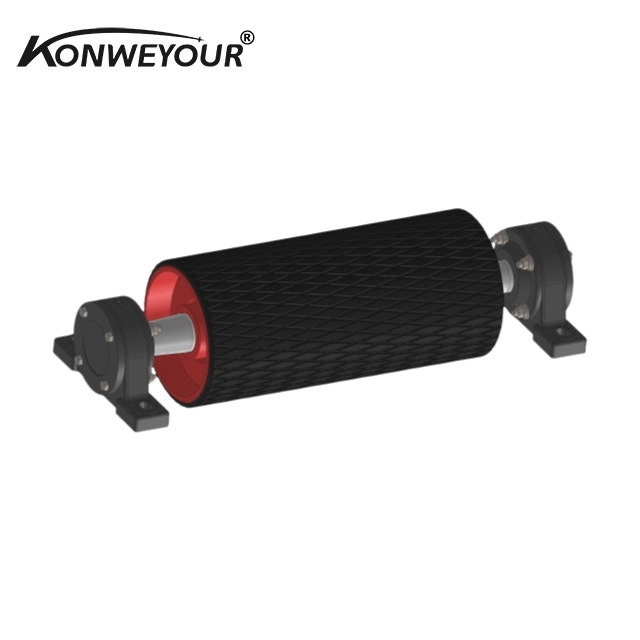
Usually made with galvanized steel rollers and heavy-duty frames, flexowell conveyors withstand heavy loads and harsh environments. It’s not unusual to find these conveyors running in dusty factories or chilled food warehouses alike, proving their ruggedness.
Scalability & Modularity
Because the system comes in interlocking segments, companies can easily add or remove sections to fit their space. This modularity reduces downtime and cost when layouts need to change — quite common in fast-moving industries.
Cost Efficiency
While not the cheapest conveyor system upfront, the flexowell saves money in the long run through reduced installation time, maintenance savings, and operational flexibility. Industries also benefit from minimized product damage thanks to the smooth yet sturdy roller action.
Ease of Maintenance
Rollers and segments are designed for quick replacement, often without specialized tools. This keeps production lines moving, which, frankly, is critical in time-sensitive operations.
Customized Configuration
Vendors often offer bespoke solutions where the flexowell conveyor can be tailored in width, length, and roller type to suit particular product sizes or material specifications.
Mini takeaway: Durability, scalability, cost savings, and customizable design are central to why flexowell conveyors work well in diverse settings.
Global Applications & Use Cases
Industries ranging from food processing in Europe, electronics assembly in East Asia, to humanitarian aid logistics in sub-Saharan Africa leverage flexowell conveyors:
- Post-disaster relief: Quick assembly conveyors help NGOs handle donated goods efficiently in temporary warehouses.
- Automotive manufacturing: Flexible conveyor lines adapt swiftly to model changes, saving costly factory downtime.
- Cold chain logistics: In frozen food distribution centers, the corrosion-resistant rollers hold up well in subzero environments.
One company I chatted with recently praised how the flexowell conveyor allowed them to reconfigure their packaging line within hours instead of days — a huge win when supply demands fluctuate.
Mini takeaway: Flexowell conveyors play critical roles from high-tech manufacturing floors to frontline aid distribution hubs worldwide.
Advantages & Long-Term Value of Flexowell Conveyors
Beyond obvious operational benefits, these conveyors foster sustainability by reducing waste from less product damage and energy-efficient operation compared to motorized systems. Emotional benefits? Well, workers feel safer with ergonomic designs and fewer pinch points. There’s something to be said for reducing workplace strain and frustration.
Finally, trustworthiness in infrastructure can’t be underestimated. The reliability of these conveyors builds confidence across supply chains — helping companies meet commitments and NGOs deliver aid on time.
Flexowell Conveyor - Product Specifications
| Specification |
Details |
| Material |
Galvanized Steel Rollers, Aluminum Frame |
| Roller Diameter |
38mm (1.5 inches) |
| Width Options |
450mm to 900mm |
| Maximum Load Capacity |
120 kg per linear meter |
| Flex Angle |
Up to 50 degrees per joint |
| Environmental Suitability |
Indoor/Outdoor, Food Grade Options |
Vendor Comparison: Choosing the Best Flexowell Conveyor Provider
| Feature |
FlexConvey |
RollTech Systems |
GlobalFlex Corp |
| Customization Options |
High (Sizes, Roller Types) |
Medium (Standard Sizes) |
High (Special Materials) |
| Lead Time |
2 weeks |
4 weeks |
3 weeks |
| After-Sales Support |
24/7 Technical Support |
Business Hours Only |
24/7 Phone & Email |
| Price Range |
$$$ |
$$ |
$$$ |
| Ideal For |
Custom Industrial Setups |
Standard Warehouse Lines |
Food & Pharma Industries |
Future Trends & Innovations in Flexowell Conveyor Technology
Looking ahead, flexowell conveyors are poised to embrace automation and sustainability more deeply. Smart sensors are already being trialed to detect jams or bottlenecks early. Materials science breakthroughs could yield even lighter, corrosion-resistant parts.
Green energy integration, like solar-powered sorting hubs, combined with modular conveyors, will likely help warehouses reduce their carbon footprint. Digital twins, creating virtual conveyor models, promise proactive maintenance and design iteration without costly physical changes.
Common Challenges & Expert Solutions
That said, flexowell conveyors aren’t flawless: limitations include difficulty managing very heavy or oddly shaped loads and maintenance complexity in high-volume environments. Insider engineers suggest pairing flexowell systems with powered roller conveyors for heavier sortation tasks. Training staff thoroughly and planning modular layouts carefully also reduce downtime and damage.
FAQs About Flexowell Conveyors
- How adaptable is a flexowell conveyor for different product sizes?
- Very adaptable. Widths and roller diameters can be customized, allowing handling of small packages to bulky items without sacrificing flow or safety.
- Can flexowell conveyors be used outdoors?
- Yes, provided they have corrosion-resistant coatings and appropriate materials. Many vendors offer food-grade or weatherproof options suited for outdoor logistics.
- What is the typical maintenance required?
- Regular cleaning and quick replacement of worn rollers keep the system running smoothly. Most components are designed for easy field maintenance without special tools.
- Are flexowell conveyors compatible with automated sorting?
- Absolutely. Their modular design integrates well with sensor-based sorting stations and robotic pick-and-place systems.
- How do I select the right vendor for my application?
- Consider customization needs, lead times, after-sales support, and your budget. Vendor comparisons like the one above can help weigh your priorities effectively.
Conclusion: Why Flexowell Conveyors Matter Long-Term
The flexowell conveyor system isn’t just another piece of hardware; it embodies adaptability and resilience — qualities that modern industries and humanitarian efforts desperately need. Its modularity, durability, and user-friendly maintenance help facilities stay agile and efficient over time. Whether you’re outfitting a tight factory floor or setting up a disaster relief warehouse quickly, the flexowell conveyor offers real, measurable advantages.
Curious to explore what a flexowell conveyor could do for your operations? Visit our website: flexowell conveyor to learn more.
Oddly enough, once you’ve seen a flexowell in action, it’s hard to imagine handling material any other way.
References:
1. ISO 5048:1991 - Conveyor systems, International Organization for Standardization
2. United Nations Office for Disaster Risk Reduction (UNDRR) reports on logistics efficiency
3. Materials Handling Industry statistics and case studies, MHIA