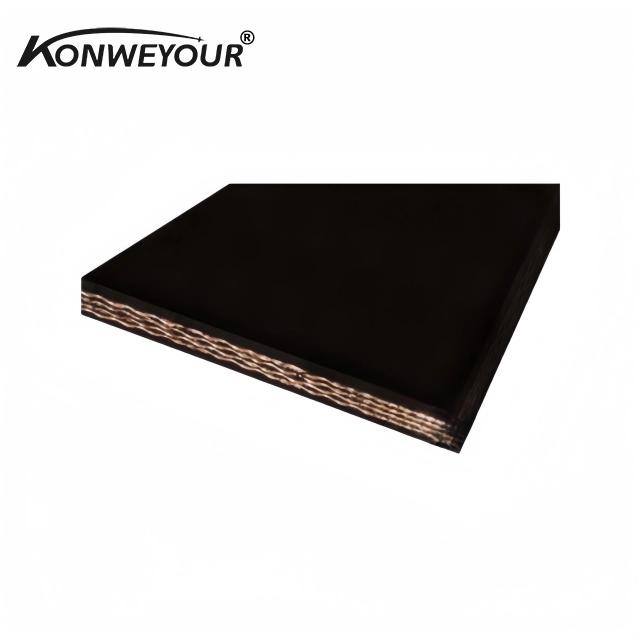
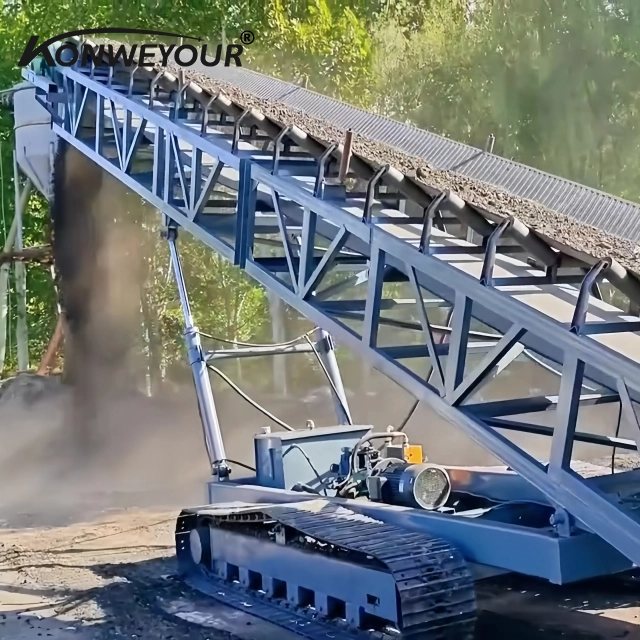
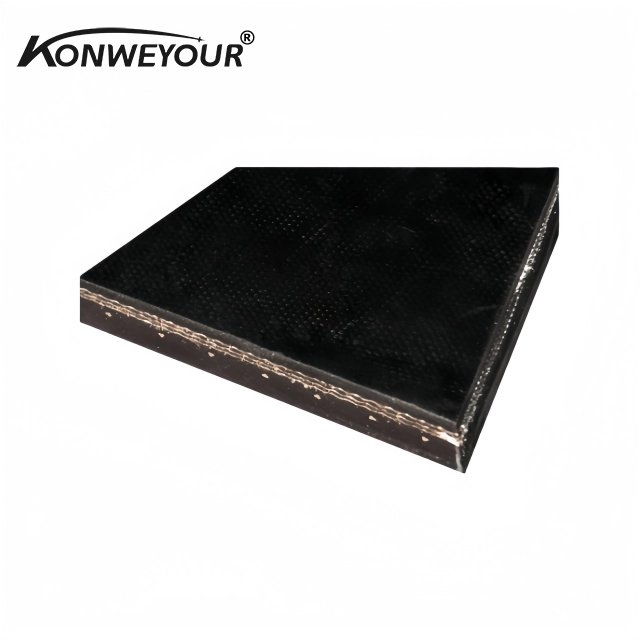
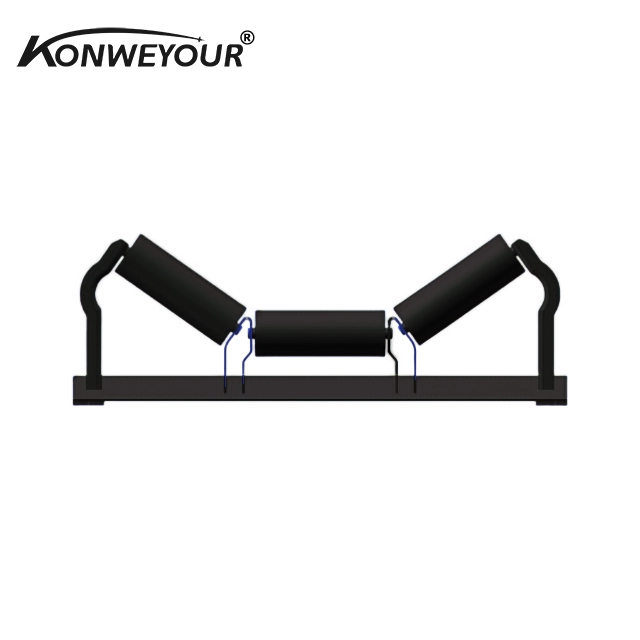
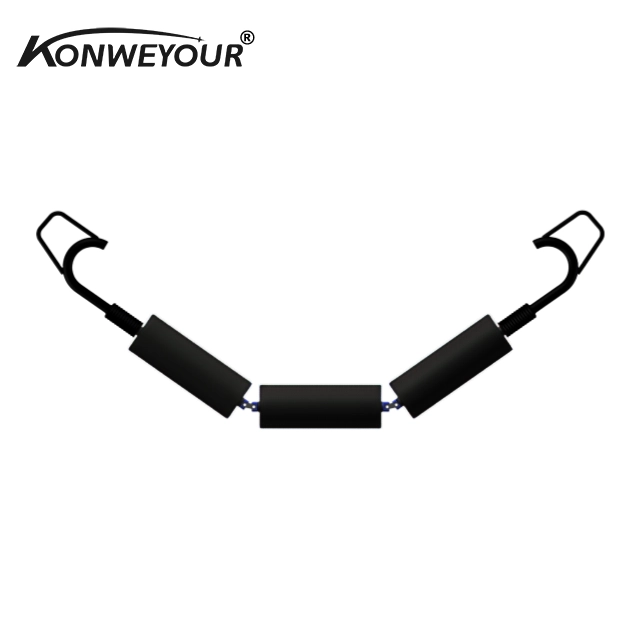
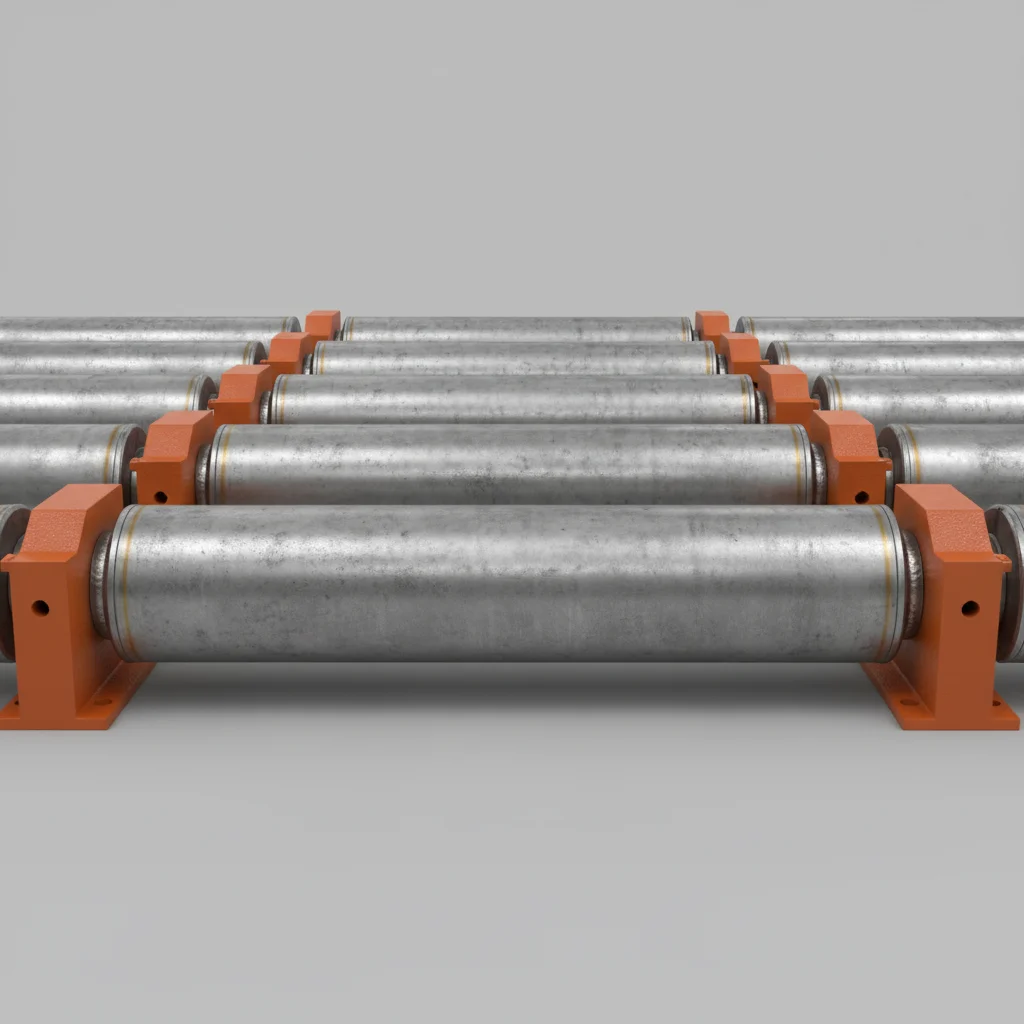
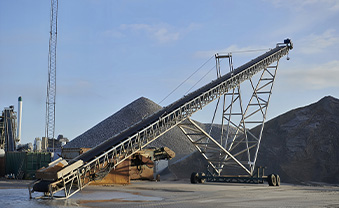
If you work around coal, power plants, or dusty transfer points, you already know: fire performance isn’t a “nice-to-have.” It’s the whole ballgame. Over the last two years, we’ve seen a surge in requests for belts that pass stricter flame tests and still deliver decent life. That’s where the Flame Retardant EP Rubber Conveyor Belt keeps popping up in buyer shortlists—safe, durable, and surprisingly forgiving in real-world maintenance cycles.
Origin matters for traceability: manufactured at No. 13 Gongqiang Road, Nangong Economic Development Zone, Xingtai City, Hebei Province. I’ve toured similar plants; the better ones obsess over calender uniformity and splice adhesion—small details that save you many headaches later.
Industry trends (quick read)
- More mines are aligning to ISO 340 and EN 14973 for underground, EN 12882 for above ground.
- Blends with lower smoke and halogen-free packages are inching up—even if pricing is a touch higher.
- Demand for EP fabrics (good stretch control, good troughability) remains strong against aramid in mid-duty lines.
Product specs (typical values, real-world use may vary)
| Carcass |
EP fabric (Polyester/Nylon), 2–5 plies |
| EP rating |
EP200–EP400 (others on request) |
| Width |
500–2200 mm |
| Thickness |
≈ 8–20 mm (cover/top-bottom per duty) |
| Cover grades |
FR-M (mining), FR-C (surface); antistatic per ISO 284 |
| Tensile strength |
≈ 12–25 MPa (ASTM D412) |
| Adhesion |
≥ 8 N/mm (ISO 252) |
| Antistatic |
Surface resistance ≤ 300 MΩ (ISO 284) |
How it’s made (short process flow)
Materials: EP fabric plies; SBR/NBR cover compounds; flame-retardant package (e.g., aluminum hydroxide, synergists), antistatic additives.
Methods: compounding → calendering → ply building → cover lamination → hot vulcanization → finishing & trimming.
Tests: ISO 340 flame test; EN 14973 drum friction (for underground grades); ISO 284 antistatic; DIN 22102 wear; hardness (ASTM D2240).
Service life: around 3–7 years in moderate duty; I’ve seen >5 years on well-aligned surface conveyors. Mis-tracking, hot spillage, and poor chute design shorten it fast—no surprises there.
Where it’s used
- Underground coal and hard rock mines (FR-M, antistatic mandatory)
- Power plants and CHP conveyors
- Cement and aggregate lines with dust ignition risk
- Ports/terminals moving petcoke or biomass
Testing snapshots (typical, internal lab)
- ISO 340 afterflame: ≤ 15 s; no belt dripping observed
- EN 14973 drum friction: no flame; peak temp rise ≤ 200 °C
- LOI (oxygen index): ≈ 28–30%
Vendor comparison (quick glance)
| Criteria |
Flame Retardant EP Rubber Conveyor Belt |
Vendor A |
Vendor B |
| Standards focus |
ISO 340, EN 14973/12882, ISO 284 |
ISO 340, MSHA |
EN 12882, DIN 22102 |
| Customization |
Widths, covers, EP rating, splice kits |
Standard widths |
Covers only |
| Typical lead time |
≈ 2–4 weeks |
≈ 4–6 weeks |
≈ 3–5 weeks |
Customization tips
Specify duty class, lump size, temperature profile, and intended standard. Many customers say a small upgrade in bottom-cover wear saves idlers and keeps tracking calmer. I tend to agree.
Field notes (case snippets)
Coal prep plant, Shaanxi: 1200 mm belt, EP315/3, FR-M. After chute redesign and switching to antistatic covers, belt life improved ≈ 26% and nuisance stoppages dropped sharply.
Cement terminal, SE Asia: 1000 mm belt on ship loader. The Flame Retardant EP Rubber Conveyor Belt replaced a general-purpose belt; dust ignition risk mitigated and splice inspection intervals extended to quarterly.
Certs and documentation
- Type test reports: ISO 340, EN 14973/12882
- Material compliance: ISO 14890 belt construction
- Antistatic per ISO 284; MSHA data available on request
References:
- ISO 340:2013 Conveyor belts — Laboratory scale flame test.
- EN 14973:2015 Conveyor belts for underground use — Fire safety requirements.
- ISO 14890:2013 Conveyor belts — Specification for rubber- or plastics-covered belts.
- ISO 284:2012 Conveyor belts — Electrical conductivity — Specification and test method.
- MSHA 30 CFR Part 14 — Belt evaluation tests and requirements.