Mini Conveyor Systems: Small Devices With Big Global Impact
At first glance, the phrase mini conveyor might sound like just another industrial tool—a tiny belt moving stuff from A to B. But in today's interconnected and accelerated world, its significance goes far beyond that. From fast-paced factories in East Asia to urgent humanitarian relief in remote regions, mini conveyors are quietly transforming how we move materials efficiently and safely. Understanding their role has tangible benefits: improved workflow, reduced labor, safer environments, and better responses during crises.
Why Mini Conveyors Matter Globally
Consider this: according to the International Labor Organization, improving workplace efficiency and safety globally could benefit over a billion workers. Mini conveyors, compact in size but mighty in function, answer this call by automating material transport where space or portability constraints exist.
Industries from electronics manufacturing in Japan to pharmaceutical packaging in Switzerland rely on mini conveyors to keep operations agile. Even beyond industry, organizations like the United Nations and Doctors Without Borders apply conveyor-based logistic aids during humanitarian relief. They enable quick sorting and transport of supplies in cramped settings, critical when every minute counts.
Challenges such as congested factory floors, tight deployment timelines, and the need for modular solutions to plug into existing systems are precisely what mini conveyors address.
What Exactly Is a Mini Conveyor?
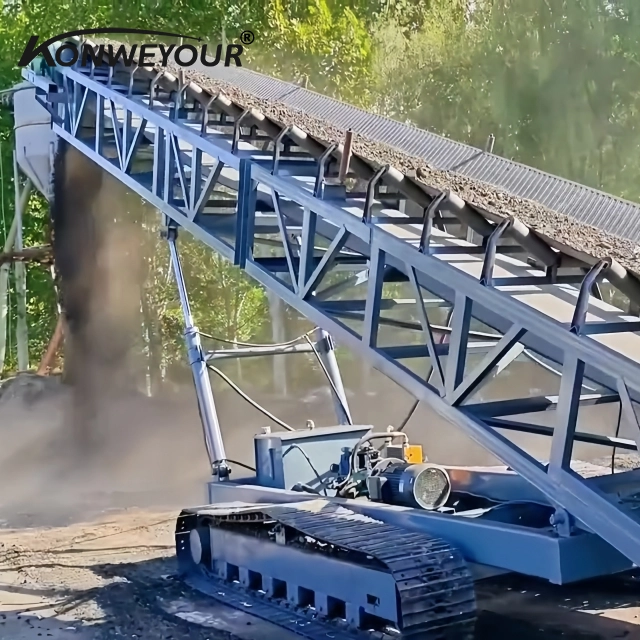
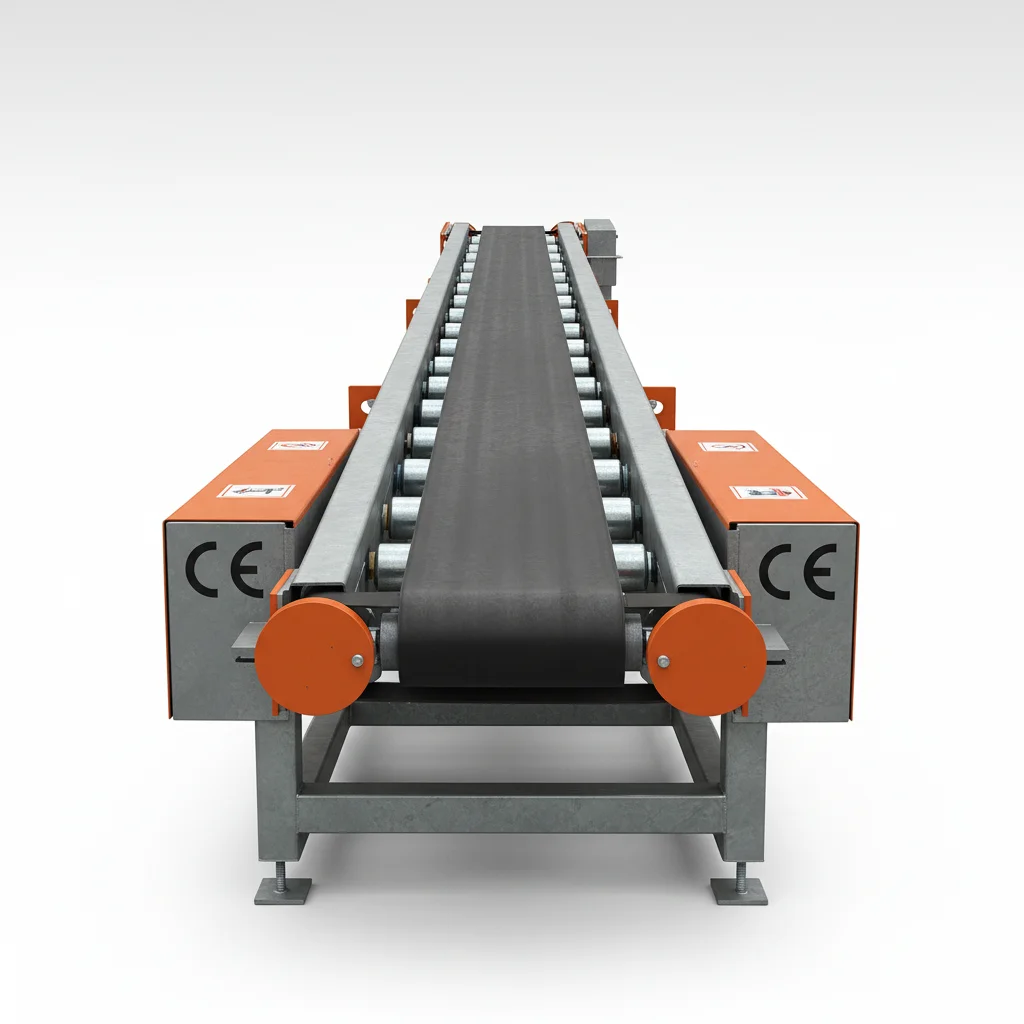
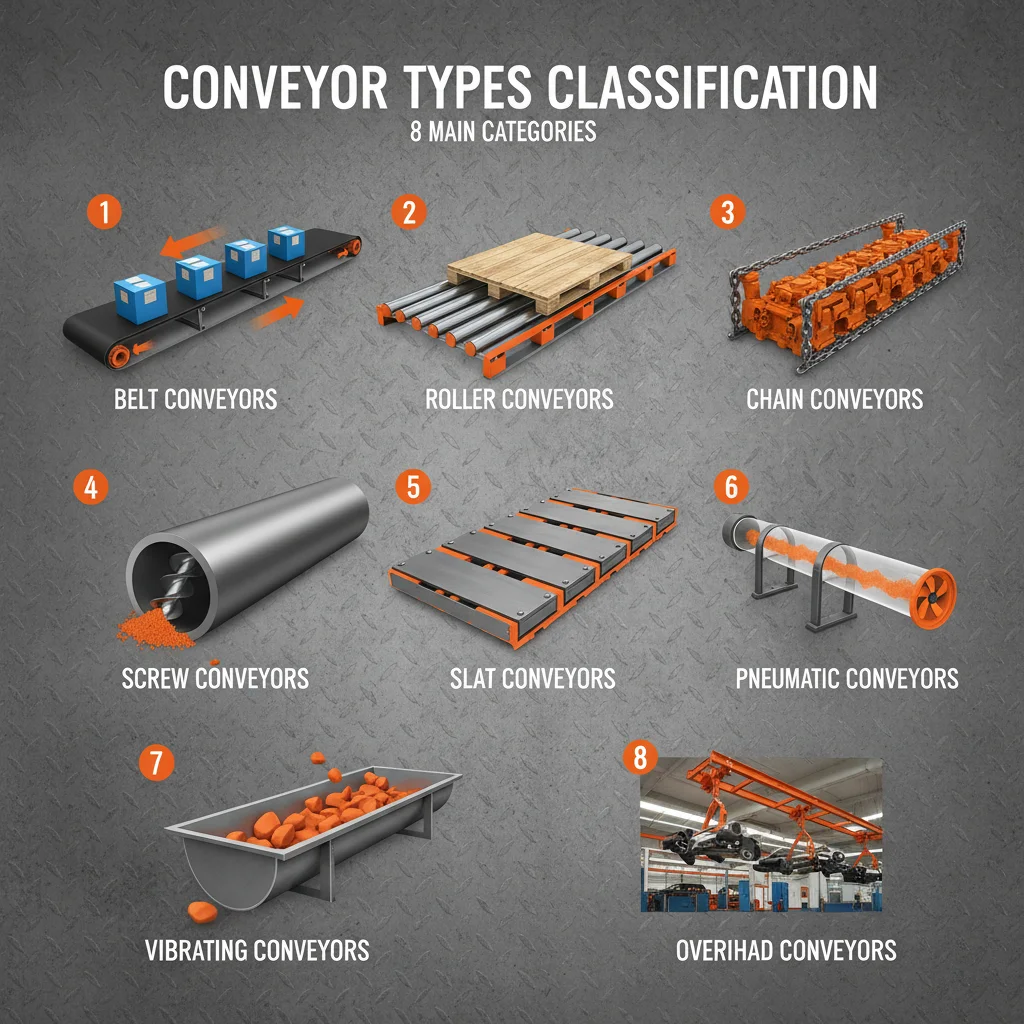
Simply put, a mini conveyor is a compact conveyor belt system designed for short-distance material handling. Think of it as a small but highly adaptable path on which items can move continuously, without manual lifting or transport. These conveyors come in many forms—belt-driven, roller-based, modular chain, or even vibration-assisted types—each tailored for specific payloads and spaces.
Their connection to modern needs is evident: as factories and relief operations become smarter and more mobile, space-saving and quick-to-install equipment like mini conveyors are no longer optional—they're essential.
Core Components of Effective Mini Conveyor Systems
1. Durability
A mini conveyor has to withstand constant use. Many engineers swear by the flexible polyurethane belts and corrosion-resistant aluminum frames for longevity, especially in humid or dusty environments. Durability ensures lower downtime and maintenance costs—meaning more uptime for the end user.
2. Scalability & Modular Design
One of the beauties here is how mini conveyors can be snapped together or extended, helping industries adapt to changing workflows or growing volumes. Modular designs bring versatility, allowing operators to reconfigure layouts without overhauling an entire system.
3. Cost Efficiency
Compared to larger conveyor systems, mini conveyors offer a smaller upfront investment and often better energy consumption rates. This makes them accessible to smaller businesses or projects working within tight budgets.
4. Portability
Mini conveyors often incorporate lightweight materials and compact frames, enabling rapid deployment and relocation. This is especially crucial in humanitarian or remote industrial sites where equipment must be moved quickly.
5. Safety Features
Modern mini conveyors often include emergency stop switches, smooth edges, and guarded rollers—all designed to reduce workplace injuries. It's about protecting workers while streamlining operations.
Mini Conveyor Applications Around the World
In North America, automotive component manufacturers use mini conveyors for just-in-time delivery of parts to assembly lines. Meanwhile, in developing countries, NGOs employ these conveyors to help sort and distribute medical supplies in temporary clinics.
Post-disaster relief efforts in Southeast Asia have leveraged mini conveyors to hasten the distribution of food and water, minimizing bottlenecks that can cost lives. Oddly enough, some high-end bakeries in Europe even use mini conveyors to automate delicate cake decoration delivery.
Mini Takeaway:
Mini conveyors are small machines with extensive reach—almost literally—helping everything from factories to emergency shelters function better and safer.
Advantages and Long-Term Benefits of Mini Conveyor Systems
- Efficiency: Speeding up material movement means faster production cycles and order fulfillment.
- Reliability: Fewer manual touches reduce errors and damage, fostering trust between suppliers and customers.
- Sustainability: Many mini conveyors consume less power and use recyclable materials—aligning with ISO 14001 environmental standards.
- Safety and Dignity: Reducing repetitive lifting and awkward postures improves worker health over time.
The emotional payoff—knowing workers return home uninjured, or that aid reaches vulnerable populations faster—is as important as any bottom line I suppose.
Quick Look: Common Mini Conveyor Specifications
| Specification |
Typical Range |
Notes |
| Belt Width |
100 mm – 600 mm |
Varies by application |
| Speed |
0.1 – 2 m/s |
Adjustable |
| Load Capacity |
Up to 50 kg |
Dependent on motor size |
| Material |
Aluminum frame, PU belt |
Corrosion-resistant |
| Power Source |
Electric, battery options |
Portable versions available |
Comparing Popular Mini Conveyor Vendors
| Vendor |
Product Range |
Customization |
Price Point |
Lead Time |
| JT Conveyor |
Wide (belt, roller, modular) |
High |
Mid-Range |
2-4 weeks |
| CompactFlow |
Focused on modular belts |
Medium |
Higher |
4-6 weeks |
| MiniMove |
Narrow; portable units |
Low |
Low |
1-3 weeks |
What’s Next? Future Trends in Mini Conveyors
We’re already seeing digitally integrated mini conveyors that communicate with broader production management systems—so machines sort of talk to each other, reducing waste and glitches. Add in lightweight carbon-fiber components, and you have conveyors that are both strong and ultra-portable.
Green energy also fits in: solar-powered conveyors, even those with energy harvesting tech to recycle braking energy, could revolutionize off-grid sites. Automation and AI will tune conveyor speed and operation dynamically based on real-time data. (Imagine your belt adjusting speed because a sensor detected a slow-picker on the line.)
Challenges and Clever Solutions
Mini conveyors aren't perfect. Limited load capacities and occasional jams can frustrate workers. But experts recommend smart sensor integration and predictive maintenance to minimize downtime.
Space constraints sometimes limit customization, but modular setups that allow lateral and vertical add-ons solve that headache. Frankly, I’ve noticed that well-designed user manuals and training go a long way in helping operators avoid common mistakes.
FAQ: Your Mini Conveyor Questions Answered
Q: Can mini conveyors handle irregularly shaped products?
A: Yes, many mini conveyors use adjustable side guards and modular belts that adapt to irregular shapes, ensuring smooth transport without damage.
Q: How easy is it to move a mini conveyor between job sites?
A: Typically very easy. Lightweight frames and detachable belts mean most units can be disassembled, packed, and reassembled within hours.
Q: Are mini conveyors energy efficient compared to traditional conveyors?
A: Often, yes. Mini conveyors typically consume less power due to smaller motors and shorter belt lengths, contributing to lower operational costs.
Q: How does preventive maintenance work for these systems?
A: Routine cleaning, belt tension checks, and lubrication of moving parts keep mini conveyors running smoothly. Smart sensors increasingly simplify this process by alerting operators before failures occur.
Q: Can these conveyors be customized for hazardous environments?
A: Absolutely. Vendors offer explosion-proof motors and stainless steel components suited for chemical or mining industries.
Wrapping It Up
Mini conveyors are more than just a small piece of machinery. They are crucial enablers of efficiency, safety, and adaptability worldwide—from high-tech manufacturing floors to life-saving relief missions. Their compact design combined with robust capabilities makes them a smart choice for many industries today and going forward.
Curious about how a mini conveyor can fit into your operations? Check out mini conveyor options and discover customizable solutions tailored just for you.
Brief Reflection
It’s fascinating how something so "mini" can have such a sprawling impact globally. Sometimes, in the small cogs of industry, you find the biggest changes.
References
- International Labour Organization (ILO)
- Conveyor Belt - Wikipedia
- ISO 14001 Environmental Management