Understanding Mini Movers Conveyors: Why They Matter Today
If you’ve ever marveled at the smooth, efficient dance of packages zipping through warehouses or factories, you’ve witnessed the silent magic of conveyors. Mini movers conveyors, the smaller but equally crucial cousins in this family, pack quite a punch in terms of flexibility and efficiency. These compact conveyors play a key role in modern material handling, especially in tight spaces or where modular adaptability is prized.
Globally, the ongoing push toward automation and lean manufacturing makes mini movers conveyors an indispensable tool. Whether in high-tech industries or humanitarian relief zones, their ability to streamline item movement is transforming logistics. Understanding these conveyors boosts operational insight and opens doors to smarter, more sustainable supply chain solutions.
Why Mini Movers Conveyors Are Globally Relevant
Consider this: according to the International Organization for Standardization (ISO), supply chain efficiency could improve by up to 30% by optimizing material flow systems. Mini movers conveyors address a widespread problem of moving goods effectively in confined spaces without significant infrastructure investment. By 2025, the global conveyor system market is expected to grow at a compound annual growth rate (CAGR) of around 5.7%, largely driven by industrial automation trends and ecommerce demands (source: Allied Market Research).
But here’s the catch—many warehouses and small-to-medium enterprises lack space or resources for large conveyor systems. Mini movers conveyors help fill the gap, offering scalable, portable solutions. For example, relief organizations operating in disaster zones often rely on mini conveyors to move supplies quickly without permanent setups.
What Exactly Are Mini Movers Conveyors?
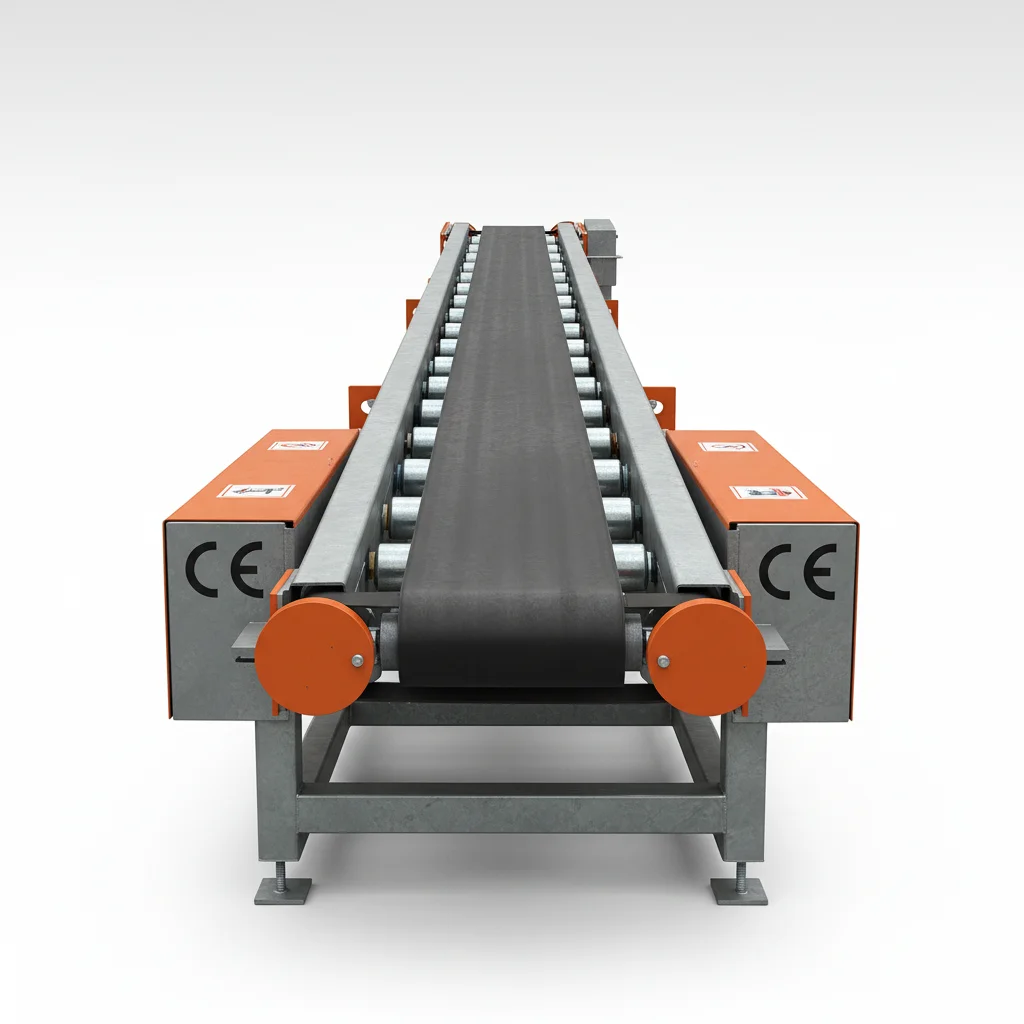
At their core, mini movers conveyors are compact conveyor units designed to transport goods, parts, or packages in small-scale environments. Picture modular, lightweight belts or roller systems, often electric or manual, that can be quickly set up, extended, or relocated. They blend the efficiency of traditional conveyors with new levels of flexibility and adaptability — a perfect match for dynamic, evolving operations.
Interestingly, these conveyors connect deeply with industry 4.0 principles by enabling smart logistics and integrating easily with automated sorting or scanning stations. Meanwhile, humanitarian groups appreciate their quick assembly and minimal footprint, crucial in emergency response scenarios.
Key Features That Define Mini Movers Conveyors
1. Compact Design & Portability
One of the defining aspects is their small footprint. Unlike sprawling conveyor belts that require dedicated room, mini movers can fit through narrow aisles or be lifted by a couple of people. This means less disruption when reconfigurations are needed and more versatility across industries.
2. Scalability & Modularity
Thanks to modular construction, mini movers conveyors can be expanded or shrunk swiftly. Add another section to handle increased throughput, or detach parts when downsizing. Many manufacturers offer plug-and-play units, which drastically cut installation time.
3. Cost Efficiency
Building and maintaining massive conveyor installations is pricey. Mini movers conveyors slash upfront and operational costs. Because they consume less power and require fewer support structures, they appeal to SMEs, startups, or projects with limited budgets.
4. Durability & Maintenance
Built typically from lightweight metals or high-grade plastics, many mini mover systems are surprisingly durable. That said, they demand regular maintenance to avoid hiccups, especially in dusty or high-abrasion environments. Some brands prioritize easy-part replacements, minimizing downtime.
5. Integration with Automation
Many mini movers now come with optional sensors or communication interfaces. This makes it easier for operators to link them with warehouse management software or robots — exactly the sort of “smart factory” setup touted by ISO 22400.
Mini Movers Conveyors in Action Worldwide
It’s remarkable how versatile these little conveyors are across industries and regions:
- Manufacturing hubs in Europe and East Asia: Streamlining assembly lines where space is at a premium.
- Distribution centers in North America: Quick sorting of ecommerce packages, especially during seasonal peaks.
- Humanitarian relief in Southeast Asia and Africa: Rapidly deploying supply chains in disaster-prone or remote regions, like post-flood emergency food distribution.
- Small-scale agriculture in Latin America: Moving harvested produce to packing stations without heavy machinery.
For example, a nonprofit outfitting mobile medical clinics in rural areas used mini movers conveyors to transport medical supplies efficiently, saving hours per delivery cycle. It’s those practical success stories that remind us - form really follows function here. And function is everything.
Why Invest in Mini Movers Conveyors? The Advantages
- Improved productivity: Cuts handling time, so teams focus on more skilled tasks.
- Cost savings: Lower energy use and maintenance cost than many other transport methods.
- Sustainability: Lightweight materials reduce environmental impact through lesser resource use.
- Enhanced worker safety: Reduces manual lifting and the related injury risk.
- Social impact: Enables rapid response during humanitarian crises, preserving dignity by delivering aid fast.
Frankly, it feels refreshing to see tech that not only boosts profits but also helps in social good contexts. Conveyors are no longer just factory workhorses; they’re part of a bigger story about efficiency and compassion intertwined.
Emerging Innovations Shaping the Future of Mini Movers Conveyors
Looking ahead, the industry buzz surrounds:
- Green energy integration: Solar-powered conveyor units for off-grid sites.
- Smart sensors and AI: Automated item recognition and speed adjustments for smarter workflows.
- Lightweight novel materials: Carbon fiber composites improving durability with less weight.
- Customizable software: Plug-in apps tailored to particular industrial or humanitarian workflows.
Such trends align neatly with the UN’s call for sustainable industrial innovation (SDG 9). We’re moving beyond just mechanics - the digital revolution is wired right into these systems.
Challenges & How Industry Experts Overcome Them
Of course, reality bites:
- Limited load capacity: Mini movers aren’t suited for very heavy or bulky items. Experts suggest combining them with larger conveyors or forklifts.
- Maintenance in harsh environments: Dust, moisture, and vibration can degrade parts quickly. Protective coatings and routine inspections help.
- Integration complexity: Legacy systems don’t always play well. Smart design and modular software APIs facilitate smoother interfaces.
For many engineers I spoke with, combining domain experience with vendor support minimizes these hurdles. There’s no one-size-fits-all, but adaptability is key.
Mini Movers Conveyors: A Quick Product Specification Overview
| Specification |
Typical Range |
Notes |
| Width |
300–600 mm |
Fits narrow aisles |
| Length (modular) |
500 mm sections |
Expandable as needed |
| Load capacity |
Up to 20 kg/meter |
Suitable for small packages |
| Power source |
Electric / Manual |
Options for off-grid use |
| Material |
Aluminum / Plastic |
Lightweight & durable |
| Speed range |
0.1 to 1 m/s |
Adjustable speeds |
Comparing Top Mini Movers Conveyors Vendors
| Vendor |
Portability |
Load Capacity |
Automation Features |
Best Use Case |
| FlexiFlow Tech |
High (lightweight frames) |
15 kg/meter |
Basic sensor integration |
Small manufacturing lines |
| MoverMax Systems |
Medium (wheeled units) |
20 kg/meter |
Advanced AI sorting options |
Ecommerce fulfillment |
| MiniConveyor Pro |
Very High (foldable) |
10 kg/meter |
Manual only |
Field or emergency use |
Frequently Asked Questions About Mini Movers Conveyors
Q: How do mini movers conveyors differ from standard conveyor belts?
A: Mini movers conveyors are smaller, modular, and highly portable compared to standard systems. They’re designed for tight spaces and quick deployment, while standard belts are often fixed installations for large-scale, continuous operations.
Q: What industries benefit most from mini movers conveyors?
A: Industries like electronics assembly, ecommerce fulfillment, food packaging, and emergency relief sectors find mini movers conveyors especially useful due to their flexibility and ease of setup.
Q: Can mini movers conveyors be used outdoors or in harsh environments?
A: Many mini movers conveyors have durable coatings and weather-resistant materials, but regular maintenance is key. Some models are specifically built for rugged use, including waterproof and dustproof features.
Q: Are mini movers conveyors energy efficient?
A: Generally, yes. Because they’re smaller and lighter, they use considerably less power. Some even offer manual or solar-powered options for off-grid scenarios.
Q: How quickly can a mini movers conveyor system be installed?
A: Installation is typically fast, ranging from under an hour to a few hours, depending on system size and complexity. This contrasts strongly with bulky, permanent conveyor lines.
Conclusion: The Long-Term Value of Mini Movers Conveyors
Mini movers conveyors might not sound flashy, but their impact reverberates across industries and around the globe. They solve the timeless problem of moving stuff smartly—saving time, money, and sometimes even lives. Whether you run a busy warehouse prioritizing agility or coordinate disaster relief in a flash, these small conveyors punch well above their size.
If you’re ready to explore modular conveyor solutions that adapt as fast as your business needs, it’s definitely worth checking out the options on mini movers conveyors platforms. They’re evolving fast, so why not join the momentum?
Mini Takeaways:
- Mini movers conveyors optimize material movement in cramped or changing spaces.
- Their modularity and cost efficiency benefit industries from manufacturing to humanitarian aid.
- Future innovation focuses on sustainability, smart integration, and durability.
References:
- ISO 22400: Automation systems and integration
- UN Sustainable Development Goal 9 - Industry, Innovation, and Infrastructure
- Conveyor systems - Wikipedia