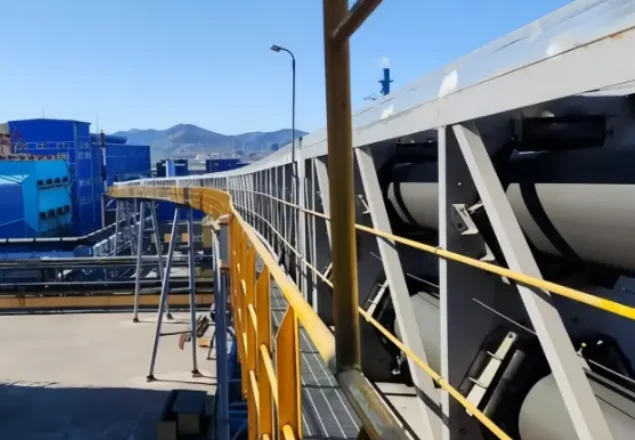
Understanding Coal Conveyor Systems: The Backbone of Bulk Material Handling
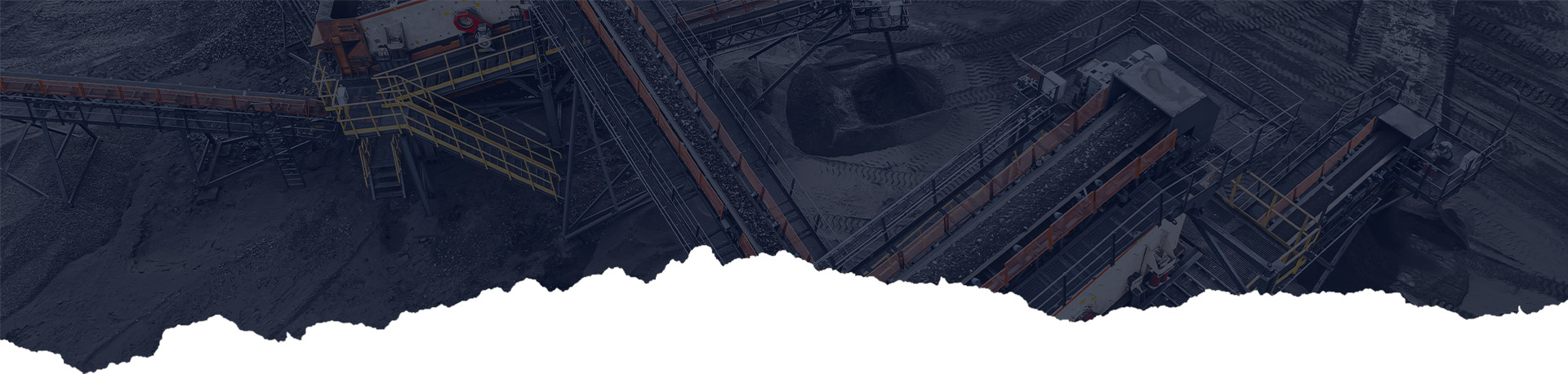
Coal conveyors play a vital role in energy industries worldwide, seamlessly transporting vast quantities of coal over long distances. Why does this matter? Well, coal remains a significant global energy source — powering plants, industries, and nations — and the efficiency and reliability of coal conveyors directly impact production costs, environmental safety, and operational continuity.
Appreciating the nuts and bolts of coal conveyor solutions means grasping how vital infrastructure quietly steers huge industrial operations. From ensuring steady energy supply chains to supporting economic development, the coal conveyor isn’t just a machine; it’s an industrial hero’s unsung sidekick.
The Global Significance of Coal Conveyor Systems
Coal accounts for roughly 27% of global electricity production as of the latest IEA statistics, with major coal-producing countries relying heavily on conveyor systems to move this critical resource efficiently. According to the International Organization for Standardization (ISO), safety and environmental standards for conveyor systems are now tighter than ever — which is a good thing.
However, coal conveyors face ongoing challenges: aging infrastructure, increasing transportation distances, and the pressing need to reduce dust emissions and energy consumption. Exactly where conveyor technology steps in, improving operational throughput while balancing environmental impact.
What Exactly Is a Coal Conveyor?
In its simplest form, a coal conveyor is a mechanical system designed to transport coal from one location to another with minimal manual handling. Typically consisting of a belt or chain that carries materials, these conveyors bridge the gap between mining sites, processing plants, and storage facilities, enhancing logistical flow.
Think of it as the veins delivering lifeblood (coal) across the sprawling body of modern industry. Without these conveyors, the coal supply chain would be slower, more hazardous, and pricier — not to mention riskier for workers.
Core Components and Key Factors of Coal Conveyors
1. Durability and Build Quality
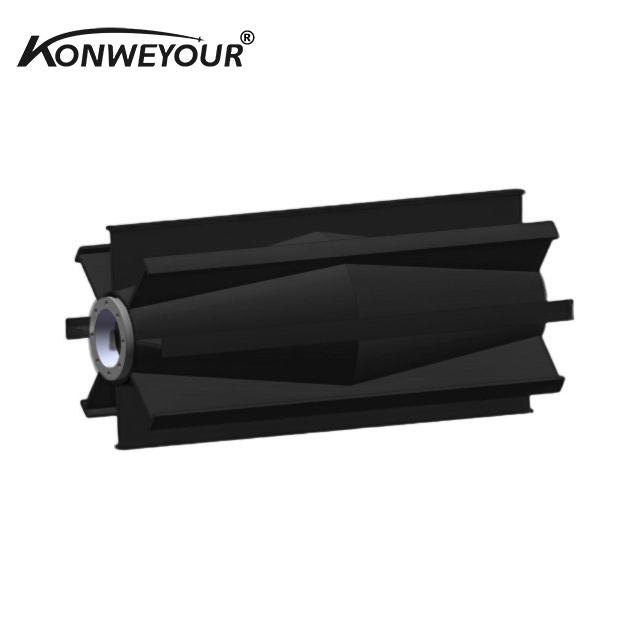
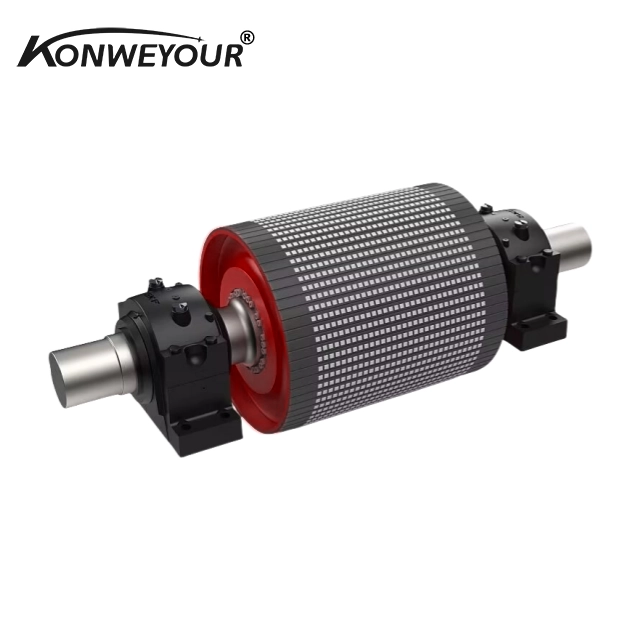
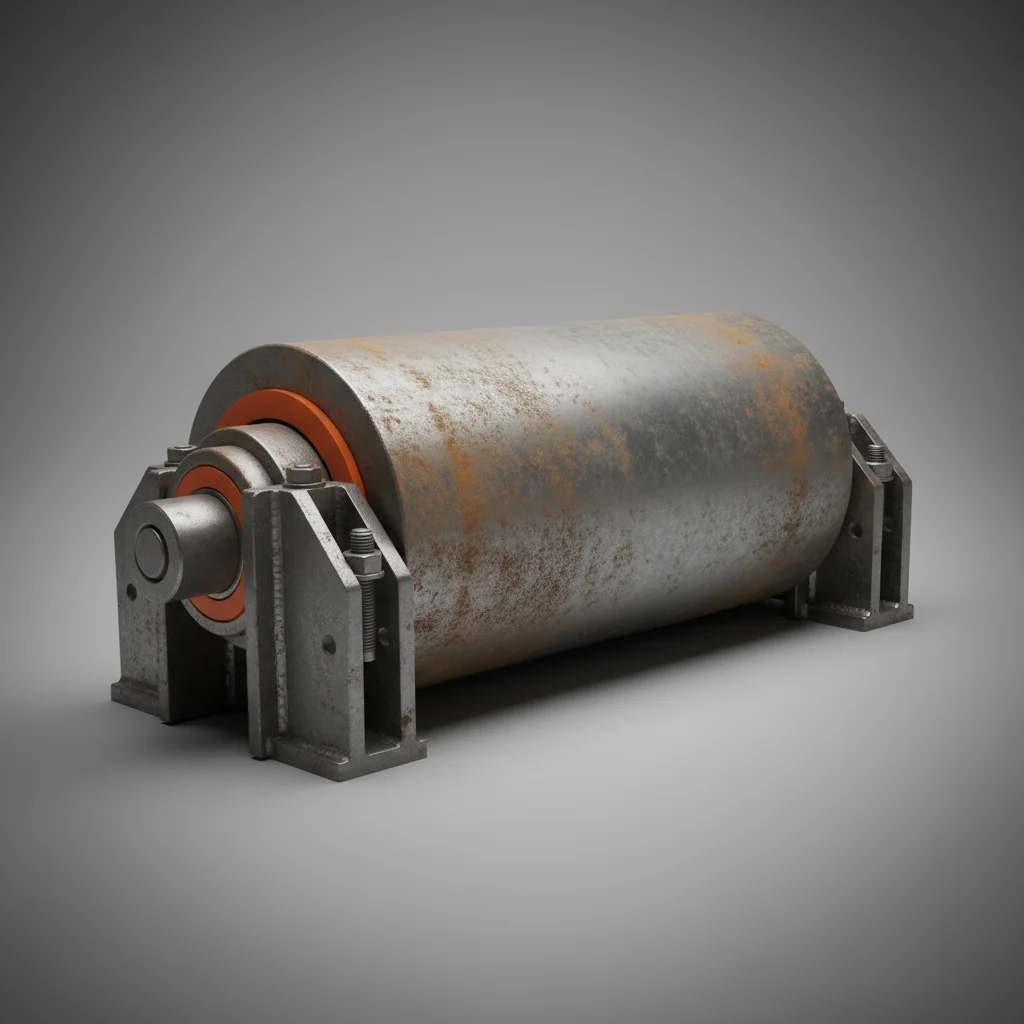
Coal conveyors must endure abrasive coal dust, rough handling, and sometimes harsh weather. Heavy-duty components like reinforced belts and corrosion-resistant rollers ensure longevity. After all, downtime is costly — every hour lost matters.
2. Scalability and Flexibility
The ability to adapt conveyance length and load capacity is crucial. Modular design elements let operators expand or reduce installations quickly, which is especially helpful in fluctuating production environments.
3. Energy Efficiency
With rising energy costs, systems that minimize power consumption while maximizing load transport are preferred. Technologies such as variable frequency drives (VFDs) are increasingly integrated to optimize power usage.
4. Safety Features
Dust control, emergency stop functions, and guarding against mechanical hazards are all mandatory safeguards. Current designs incorporate intelligent sensors to detect belt faults and prevent accidents.
5. Cost Considerations
Initial investment vs. long-term maintenance costs is a balancing act. Many manufacturers now focus on delivering conveyors with lower lifecycle costs rather than just a low upfront price.
6. Environmental Compliance
With stricter regulations on coal dust emissions and noise pollution, conveyors increasingly feature enclosed or covered belts and noise dampeners to limit environmental impact.
Mini takeaway: Coal conveyors aren’t just simple belts; they’re complex systems where engineering, economics, and environmental responsibility converge.
Typical Product Specifications for Coal Conveyors
| Specification |
Details |
| Belt Width |
600mm - 2400mm |
| Load Capacity |
1,000 - 4,000 tons/hour |
| Belt Speed |
1 - 6 m/s |
| Drive Type |
Electric motor with VFD |
| Dust Control |
Enclosed conveyor or water spray systems |
| Operating Temperature |
-20°C to 50°C |
Global Applications and Real-World Use Cases
Coal conveyors are everywhere — from giant open-pit mines in Australia to thermal power plants in India, they’re the unseen helpers keeping vital fuel flowing. For example, the Garzweiler coal mine in Germany uses extensive conveyor networks to transport lignite to power stations, reducing truck traffic and emissions.
In more remote regions, conveyors reduce reliance on trucks, which cuts down on roadway wear and traffic accidents. Some companies even design mobile coal conveyor units for rapid deployment in post-disaster recovery operations or in temporary mining setups.
Coal conveyor technology adapts well to challenging environments, whether that’s extreme cold, mountainous terrain, or urban industrial zones.
Mini takeaway: The versatility of coal conveyors is a true testament to industrial ingenuity — quietly supporting projects that power whole countries.
Advantages and Long-Term Value of Coal Conveyor Systems
- Cost Efficiency: Moving coal by belt reduces fuel and labor expenses compared to truck or rail.
- Reliability: Unlike road transport, conveyors operate continuously with less downtime.
- Environmental Benefits: Enclosed systems reduce coal dust and emissions, contributing to cleaner air.
- Worker Safety: Automation and remote controls limit human exposure to hazardous zones.
- Innovation & Trust: Modern coal conveyor systems leverage smart monitoring, earning industry confidence.
Emotionally, companies feel reassured knowing they’re investing in sustainable, safe infrastructure that protects workers’ dignity and local ecosystems.
Future Trends and Innovations in Coal Conveyors
The future is exciting (and a bit green). Emerging trends include:
- IoT Integration: Sensors and cloud analytics allow predictive maintenance to prevent breakdowns.
- Eco-friendly Materials: Belts and rollers made from recycled or biodegradable materials.
- Automation: Fully autonomous conveyor systems that optimize speed and load without human input.
- Energy Harvesting: Innovations to capture and reuse energy wasted during operations.
These advances are more than buzzwords: they signal a new era in energy transportation where coal conveyors become smarter, greener, and more adaptable.
Challenges Facing Coal Conveyor Operations and How to Overcome Them
Like anything industrial, coal conveyors are no silver bullet. Challenges include:
- Wear and Tear: Continuous coal abrasion leads to frequent component replacements.
- Dust Control: Coal dust can cause health hazards and environmental issues if not managed well.
- High Initial Setup Costs: Sometimes deterring smaller operators.
- Terrain Limitations: Difficult topography can complicate conveyor installation.
That said, advances in materials science, dust suppression technology, and modular designs help mitigate these issues. Experts recommend ongoing staff training and utilizing coal conveyor suppliers who offer full lifecycle support — it really makes a difference.
Vendor Comparison: What Sets Leading Coal Conveyor Suppliers Apart?
| Feature |
Supplier A |
Supplier B |
Supplier C |
| Customization Options |
High |
Moderate |
Low |
| After-Sales Support |
24/7 Global |
Business Hours |
Email & Phone |
| Innovation Focus |
IoT & Automation |
Material Efficiency |
Cost-Effective Solutions |
| Environmental Compliance |
ISO Certified |
Pending |
Basic |
FAQ: Common Questions About Coal Conveyors
Q1: How do I choose the right coal conveyor for my mining operation?
Assess your daily coal volume, transport distance, terrain, and environmental conditions. Work with suppliers who offer customization and In-field support. A conveyor with scalable components and reliable dust control features is usually a good start.
Q2: What maintenance is required to keep a coal conveyor operating efficiently?
Regular inspections for belt wear, roller alignment, and motor function are essential. Clean dust build-up and lubricate moving parts periodically. Many companies now deploy predictive maintenance using IoT sensors to avoid unplanned downtime.
Q3: Can coal conveyors be adapted to reduce dust emissions?
Absolutely. Enclosure options, spray misting systems, and sealed transfer points are common dust mitigation strategies. These not only protect worker health but help companies meet environmental regulations.
Q4: Are mobile coal conveyors feasible for temporary or emergency use?
Yes, mobile conveyor units exist and are valuable in disaster relief or short-term projects. They allow rapid setup without extensive groundwork, although they may be limited in capacity compared to permanent systems.
Q5: How can I integrate automation into existing coal conveyor systems?
Installing sensors, automated guards, and variable frequency drives can modernize older conveyors. Partnering with experts who specialize in retrofits is usually best to ensure compatibility and maximize ROI.
Conclusion: Why Coal Conveyors Matter Now and Tomorrow
In the grand scheme, coal conveyor systems are more than just industrial tools — they represent a blend of engineering prowess, environmental stewardship, and pragmatic problem-solving. As the world pushes toward smarter, cleaner infrastructure, the humble coal conveyor remains crucial.
Whether upgrading an existing plant or planning new installations, considering innovation, sustainability, and reliability in your conveyor choices pays dividends in time, safety, and cost. Curious to see how modern coal conveyors can transform your operations? Visit our website to explore expertly designed solutions tailored for today’s demands.
References
- International Energy Agency - Coal Report 2022
- ISO 5048 — Conveyor belts standards
- Wikipedia - Conveyor Belts