Understanding Coal Conveyors in Thermal Power Plants: Why It Matters
At first glance, a coal conveyor might sound like just a mechanical chain of belts trudging along black rocks. But in the grand scheme of global energy, this system is a silent workhorse—linking mines to thermal power plants and keeping the lights on for millions. Globally, thermal power plants still provide over 35% of the world’s electricity, and coal conveyors are vital arteries in this setup. Understanding coal conveyors isn’t just a niche engineering detail; it’s a story about reliability, sustainability challenges, and industrial innovation that impacts energy affordability and environmental footprints worldwide.
Mini takeaway: Coal conveyors are essential components that enable thermal power plants to operate efficiently, impacting both global energy markets and environmental strategies.
Global Context: Coal Conveyors and the Energy Landscape
Coal-fired thermal power plants remain a cornerstone of energy generation, especially in countries like China, India, and parts of Eastern Europe and Southeast Asia. According to the International Energy Agency (IEA), coal accounted for around 37% of global electricity generation as of 2022, although this share is slowly declining in favor of renewables. These plants rely heavily on coal conveyors to transport massive amounts of fuel from mines or ports to boilers reliably and safely.
However, transporting coal efficiently on a large scale is no small task. Issues like dust pollution, conveyor belt wear, and energy waste can pose operational headaches. The coal conveyor in thermal power plant technologies address these by improving design and materials to reduce losses and emissions, ensuring that power plants can keep generating electricity with less downtime and environmental cost.
Mini takeaway: While coal use is gradually transitioning, its current role worldwide makes efficient, eco-aware conveyor systems more important than ever.
What Is a Coal Conveyor in a Thermal Power Plant?
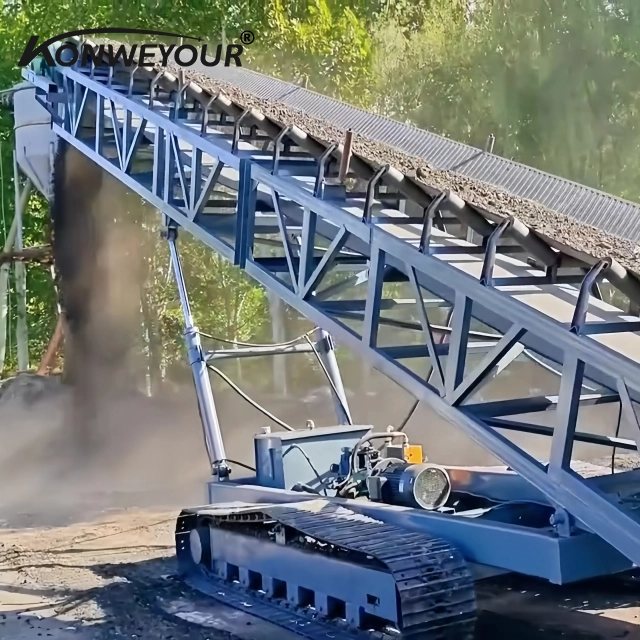
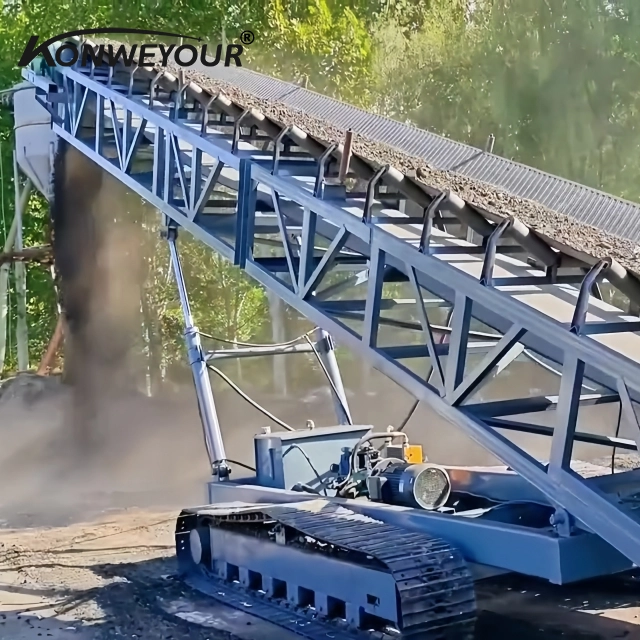
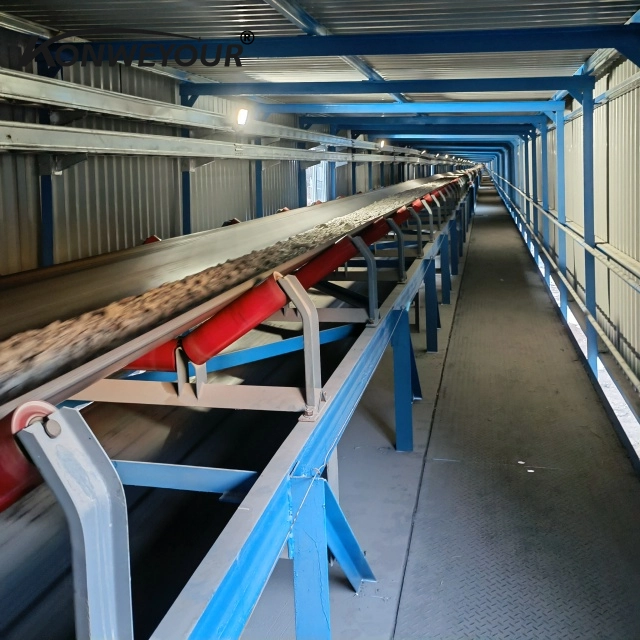
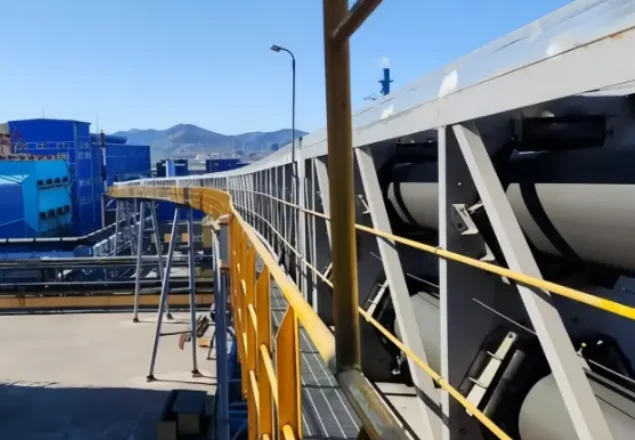
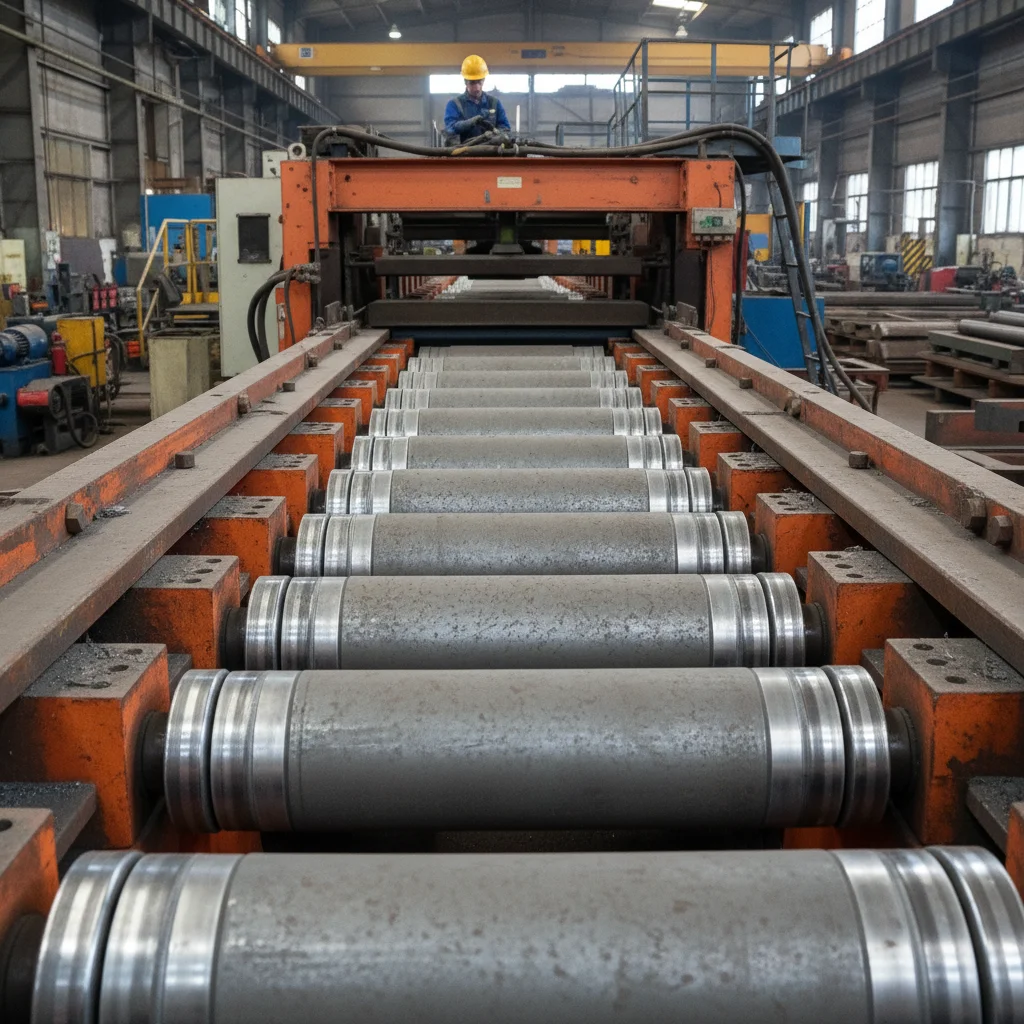
Simply put, a coal conveyor in a thermal power plant is a mechanical system—usually a long belt—that transports coal from stockyards, storage, or directly from mining sites to the power plant's boiler houses. This conveyor system can stretch over several kilometers in large plants, often featuring components like rollers, idlers, pulleys, and drive units to move coal steadily and safely.
In real terms, think of it as the blood vessel delivering fuel for energy production. Without a conveyor, coal would have to be transported by trucks or shovels—labor-intensive, slower, and more expensive. The conveyor also helps maintain a consistent feed rate to boilers, which is critical for stable power generation.
Mini takeaway: Coal conveyors automate coal delivery within thermal plants, boosting operational efficiency and reducing manual labor.
Core Components and Factors that Define Coal Conveyor Performance
1. Durability: The Backbone of Long Lifespan
Coal conveyor belts must endure abrasive coal dust, mechanical stress, and sometimes harsh weather, especially for overground sections. Manufacturers use premium materials—like multi-layered rubber compounds and steel reinforcements—to ensure that belts last years without frequent replacements.
2. Scalability: Matching Plant Size and Coal Volume
Whether a small regional plant or a sprawling complex, conveyors need flexible lengths, speeds, and load capacities. Engineers often customize belt widths (anywhere from 500 mm to over 2400 mm) and motor power to match coal throughput demands.
3. Cost Efficiency: Minimizing Energy and Maintenance
A conveyor that guzzles power or needs constant fixes eats into a plant’s margins. Energy-efficient motors and predictive maintenance tools (like vibration sensors and temperature monitoring) help optimize operational costs.
4. Environmental Controls: Dust and Waste Management
Coal dust is a health and environmental nuisance. Modern conveyors integrate dust suppression systems—sprayers or enclosures—to curb particulate emissions. This not only complies with regulations but improves air quality around plants.
5. Automation & Control Integration
Smart conveyor systems use PLCs (programmable logic controllers) and centralized monitoring to adjust speeds, detect belt misalignments, and halt operations during hazards, enhancing safety and efficiency.
Table 1: Sample Specifications of a Typical Coal Conveyor Belt System
| Specification |
Value/Range |
| Belt Width |
600 mm to 2400 mm |
| Belt Speed |
1.0 to 5.0 m/s |
| Capacity |
Up to 5000 tons/hour |
| Motor Power |
30 kW to 250 kW |
| Temperature Range |
-20°C to 60°C (operating) |
Mini takeaway: Successful coal conveyor systems blend rugged construction with flexible design to meet unique plant needs reliably.
Global Applications & Use Cases
Coal conveyors are not just ubiquitous in Asia’s massive thermal plants but have critical roles worldwide. For instance:
- India: Nations like India rely on coal conveyors to fuel some of their largest power complexes, including NTPC’s super thermal plants.
- China: The enormous Shanxi coalfields connect via conveyor networks to power stations supplying electricity to industrial hubs.
- Eastern Europe: Coal conveyors help sustain energy grids in areas where alternative energy infrastructure is limited.
- Remote Industrial Zones: In regions where road transport is tough or costly, conveyors steadily bridge mines and plants with minimal human intervention.
A notable example is the Muswellbrook Thermal Power Station in Australia, where conveyors run over several kilometers, reducing truck traffic, lowering emissions, and improving coal handling efficiency.
Mini takeaway: Coal conveyors streamline coal delivery across diverse geographies—big cities, isolated sites, and emerging economies alike.
Advantages and Long-Term Value
The benefits of well-engineered coal conveyors ripple far beyond the plant fence:
- Cost Savings: Automated conveyors reduce labor needs and trucking costs significantly.
- Environmental Impact: Dust suppression and fewer haul trucks mean better air quality and fewer emissions.
- Consistent Fuel Supply: Steady coal feed improves boiler efficiency and avoids costly downtime.
- Worker Safety: Less manual handling lowers accident risks.
- Innovation & Trust: Modern sensors and controls build operational transparency that plant managers appreciate.
Emotionally, good conveyors give plant workers peace of mind, knowing they’re working with reliable, safer equipment—and that the community nearby breathes cleaner air.
Mini takeaway: Coal conveyors represent a fusion of economic, social, and environmental gains vital for thermal plants’ sustainability.
Emerging Trends and Future Outlook
Coal conveyor technology isn’t standing still. Some fascinating innovations are on the horizon:
- Smart Automation: AI-based monitoring systems that predict failures and optimize operations.
- Eco-Materials: Development of belts with recycled or eco-friendly components to reduce carbon footprint.
- Energy Integration: Regenerative drives that recover energy during belt braking.
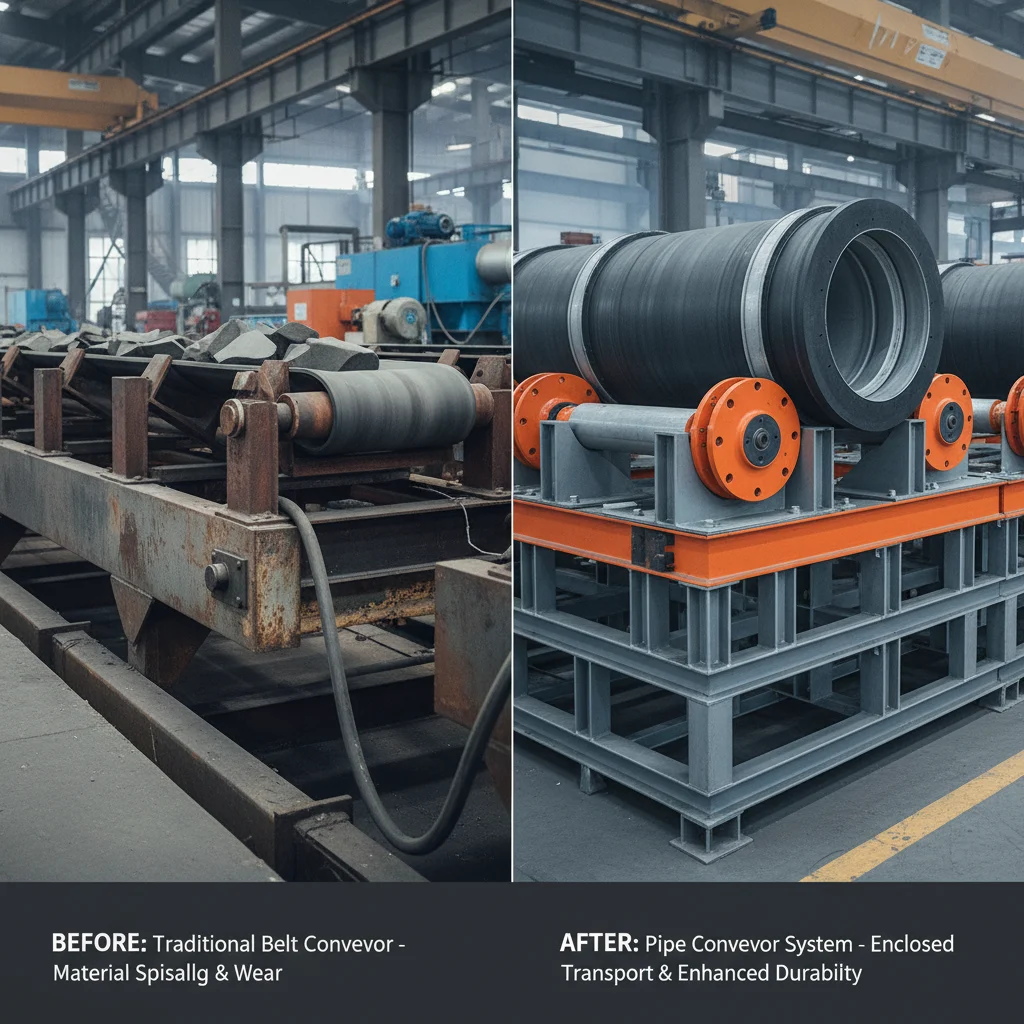
- Enclosed & Covered Belt Systems: To further reduce dust and spillage, enhancing environmental compliance.
With the global energy transition underway, conveyors could also adapt for use in biomass transport or hybrid fuel thermal plants — ensuring their relevance even as the fuel mix shifts.
Mini takeaway: The coal conveyor’s future blends digital smarts with sustainability efforts, ensuring it stays relevant in evolving energy landscapes.
Challenges and How the Industry Is Addressing Them
Of course, these systems aren't without hurdles:
- Wear and Tear: Coal is abrasive, causing belts and rollers to degrade—raising maintenance costs.
- Dust Generation: Despite controls, coal dust remains a persistent environmental and health issue.
- Energy Use: Conveyors consume electricity, which adds to the plant’s operational footprint.
Innovative materials, real-time monitoring, and improved sealing methods are the main strategies companies use to address these issues. Some plants now adopt condition-based maintenance, preventing costly breakdowns instead of reacting to failures, which changes the game.
Mini takeaway: Coal conveyor challenges fuel continuous innovation, making equipment smarter, cleaner, and more durable.
FAQ: Frequently Asked Questions About Coal Conveyor in Thermal Power Plant
- Q1: What are the key benefits of using a coal conveyor versus truck transportation?
- A conveyor system offers a continuous, low-maintenance, and cost-effective method to transport coal over long distances within plant boundaries. It reduces labor costs, emissions, and the risks associated with road transport, such as accidents or delays.
- Q2: How often should conveyor belts in thermal power plants be inspected?
- Routine visual checks are recommended daily or weekly, depending on usage, while comprehensive inspections should occur quarterly. Using sensors for automated monitoring can alert teams to issues before they become critical.
- Q3: Can coal conveyors be adapted for other fuels or materials?
- Yes, many thermal plants use conveyors designed to handle various bulk materials, including biomass, ore, or waste products, with slight modifications to belt material or speed.
- Q4: What dust control measures are effective for coal conveyors?
- Enclosures, water spray systems, dust extraction units, and electrostatic precipitators are commonly used to limit dust emissions, protecting workers and the surrounding environment.
- Q5: Are modern coal conveyors energy-efficient?
- Newer systems integrate energy-saving motors, variable speed drives, and regenerative braking to reduce power consumption, often resulting in significant savings compared to older models.
Vendor Comparison: Choosing the Right Coal Conveyor Supplier
Table 2: Comparative Overview of Leading Coal Conveyor Vendors
| Vendor |
Max Belt Width |
Dust Control Features |
Automation Level |
Warranty |
| ConveyCo Systems |
2400 mm |
Water sprays, covers |
PLC with remote monitoring |
5 years |
| PowerBelt Innovations |
1800 mm |
Enclosed belts |
AI-based diagnostics |
4 years |
| EcoMove Conveyors |
2200 mm |
Dust extraction units |
Standard PLC controls |
6 years |
Wrapping Up: Next Steps for Coal Conveyor Solutions
To sum it up, coal conveyor in thermal power plant systems are much more than simple transport lines—they are strategic assets that influence plant efficiency, environmental impact, and operational safety. As the energy landscape evolves, these conveyors adapt with smarter controls, better materials, and greener designs, balancing current energy demands with future ambitions.
For anyone involved in power plant management or industrial supply chains, exploring innovative conveyor solutions can lead to noticeable gains. Why not check out the latest offerings and custom solutions at https://www.jtconveyor.com and see how modern conveyors might just be the upgrade your plant needs.
Mini final thought: Sometimes, it’s the humble coal conveyor that quietly powers the future of energy. Kind of poetic, isn’t it?
References
- International Energy Agency (IEA) - Global Electricity Generation
- Wikipedia: Conveyor Belt
- ISO Standards on coal conveyor systems and safety