Why Conveyor Coal Matters: A Quick Overview
Conveyor coal systems might not make headlines every day, but these mechanized workhorses quietly drive a massive slice of global industries — especially mining, power generation, and bulk material handling. They’re essential for moving vast amounts of coal efficiently, safely, and economically, with ripple effects spanning energy security, environmental impact, and industrial productivity. Understanding conveyor coal isn’t just about industrial jargon; it’s about grasping a critical piece of the global supply chain puzzle.
In a world constantly craving energy and raw materials, conveyor coal helps meet demand at a scale and speed that manual transport simply can’t. From the rugged mines of Appalachia to vast coal-fired power plants in Asia, conveyor systems have redefined how this fuel is transported, saving time, reducing emissions, and improving worker safety. So, if you’re involved in industries touching coal logistics or bulk handling, getting familiar with conveyor coal systems brings tangible benefits — efficiency, cost reduction, and sustainability.
Global Importance of Conveyor Coal in Industry
Globally, coal remains one of the dominant energy sources, accounting for roughly 36% of the world’s electricity generation as reported by the International Energy Agency in recent years. That’s huge — meaning coal handling logistics, conveyor technology included, is critical on an enormous scale. A single coal conveyor can transport thousands of tons daily — imagine the manual labor it replaces.
Yet, there are challenges. Environmental concerns over coal emissions, mine safety, and the sheer cost of transport infrastructures mean conveyor systems must keep evolving. The UN’s sustainable development goals also pressure the industry to cut carbon footprints, pushing conveyors toward greener technologies and smarter operations. So, conveyor coal isn’t just a technical detail; it’s part of a larger story about balancing industrial necessity with modern sustainability demands.
What Exactly is Conveyor Coal?
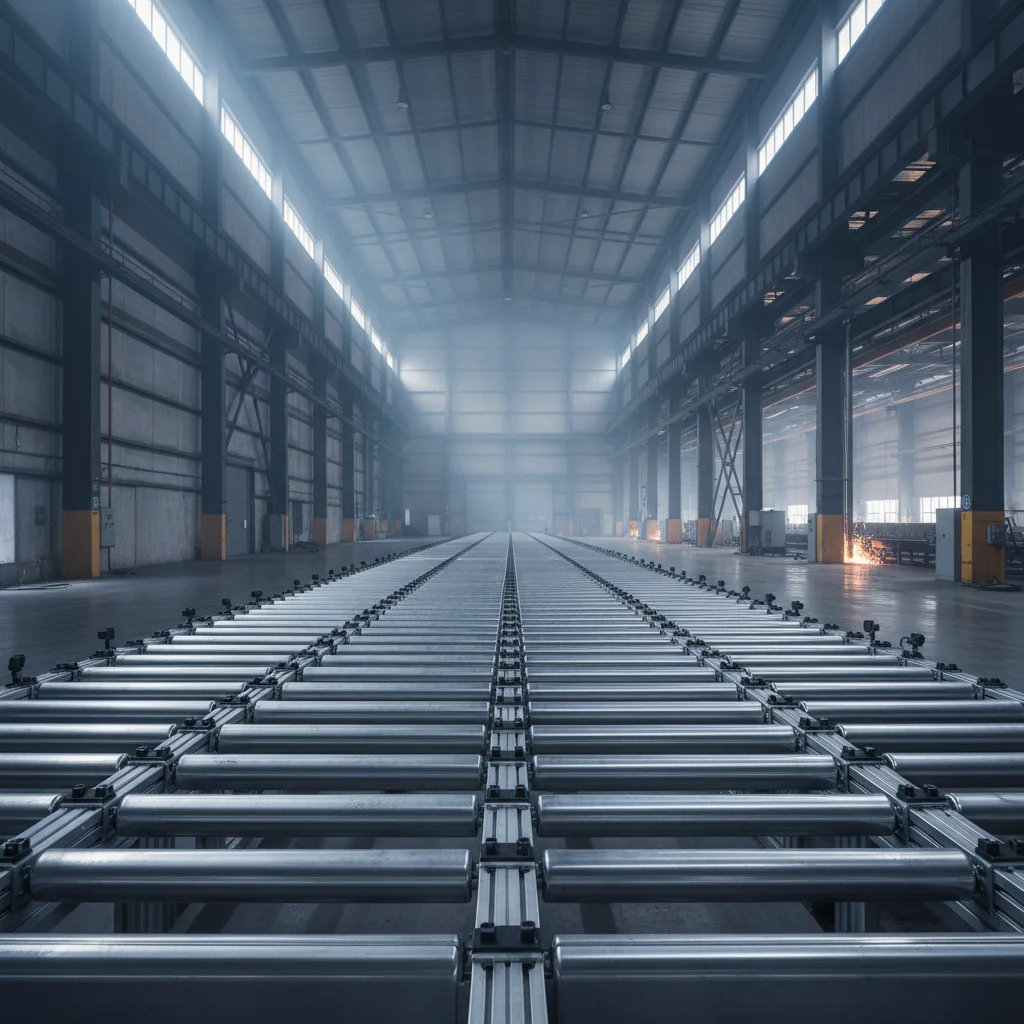
Put simply, conveyor coal refers to the coal transported via mechanized conveyor belts — a system of pulleys, belts, rollers, and motors designed to move this heavy bulk material from one point to another efficiently. Unlike trucks or rail, conveyors create a continuous, controlled flow that’s less prone to delays or disruptions.
These systems are tailored for tough environments: dusty, abrasive, and often exposed to weather. Durability and reliability are king here. Besides mining and power plants, conveyor coal setups also connect to loading ports, storage yards, and processing facilities.
In real terms, conveyors transform raw coal mining operations from haphazard mass movement into streamlined, automated processes that boost productivity and worker safety — which indirectly supports communities reliant on fossil fuel economies.
Core Components and Key Factors in Conveyor Coal Systems
1. Durability and Material Quality
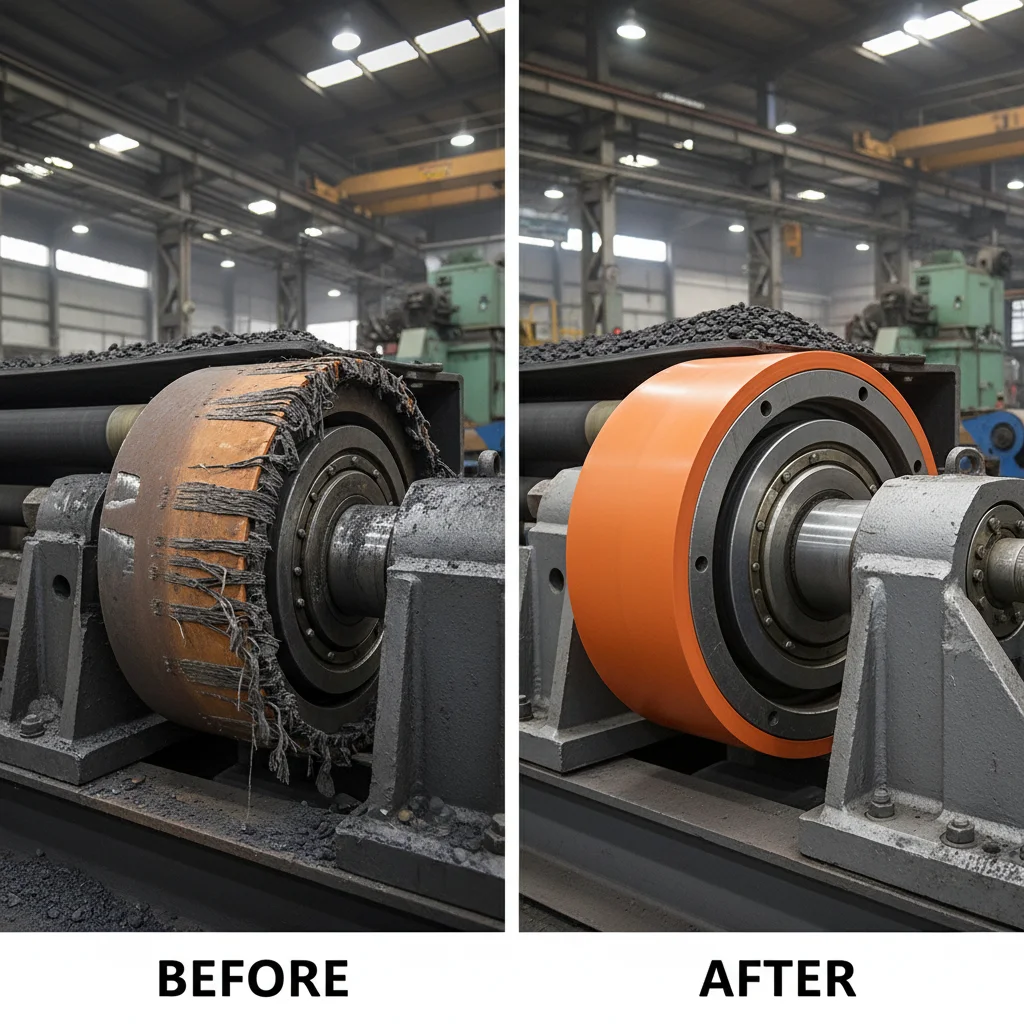
Because coal is abrasive and dusty, conveyor belts use reinforced rubber, steel rollers, and corrosion-resistant parts. This means less downtime and fewer replacements — crucial for cost efficiency.
2. Scalability and Capacity
Conveyor systems can be scaled from small setups moving a few tons per hour to massive installations handling tens of thousands of tons daily. Modular design is common — easy to extend as mines grow or demands shift.
3. Energy Efficiency
Modern conveyor drives are optimized for power savings, featuring variable speed controls and low-friction components. It might sound subtle, but energy efficiency in conveyor coal systems adds up to substantial environmental and budget savings over time.
4. Safety and Automation
Conveyors must minimize hazard zones. Features like emergency stops, fire suppression, and remote monitoring (IoT integration is increasingly the norm) protect workers and assets alike.
5. Cost-effectiveness and Maintenance
Choosing the right conveyor components and preventive maintenance routines reduce costs. Roughly, operators find routine downtime costs far less than unexpected system failures.
Mini Takeaway:
- Long-lasting materials keep conveyors running smoothly amid harsh coal handling environments.
- They’re highly adaptable, helping operations grow without large new investments.
- Smart energy use and automation mean better safety and a smaller footprint — always a win-win.
Real World Applications of Conveyor Coal Systems
From mining towns high in mountainous ranges to sprawling coastal power stations, conveyor coal systems underpin much of the bulk material transport needed daily:
- Mining sites: Conveyor belts move raw coal from the pithead to processing plants, often covering kilometers underground or across rough terrain.
- Power generation: Coal conveyors connect storage yards to boilers, enabling a continuous feed that maximizes efficiency and reduces downtime.
- Export terminals: Specialized overland conveyors feed coal directly into ship loaders, keeping international coal trade flowing smoothly.
- Industrial applications: Cement factories and steel mills often rely on coal conveyors to feed their furnaces consistently.
Regions like Australia, China, India, and the United States lead in conveyor coal system deployment due to their large coal industries. Interestingly, after natural disasters like floods or earthquakes, some locations rely on mobile conveyor units to quickly restore coal supply chains, a neat example of adaptability.
Advantages and Long-Term Value of Conveyor Coal Transport
Why do so many operations swear by conveyors for coal?
- Cost Efficiency: Continuous movement reduces labor, fuel, and time expenses compared to trucks or trains.
- Sustainability: Electric conveyors produce fewer emissions than diesel trucks and reduce spillage or dust pollution when covered properly.
- Reliability & Safety: Automation and careful design lower onsite accidents and unexpected breakdowns that might halt production.
- Innovation & Trust: Many engineers I spoke to emphasized that a well-run conveyor inspires confidence — it’s predictable, straight-forward, and visible you know?
- Social Impact: By reducing manual coal movement, worker health improves, and entire communities benefit from consistent energy and economic stability.
Product Specification Table: Typical Conveyor Coal Belt System
| Specification |
Typical Value |
Notes |
| Belt Width |
900 - 1800 mm |
Depends on capacity needs |
| Belt Speed |
2 - 6 m/s |
Variable speed drives common |
| Load Capacity |
Up to 5,000 tons/hour |
Depends on belt width and speed |
| Motor Power |
15 - 75 kW |
Energy-optimized drives |
| Material |
Rubber with steel cord |
Resists abrasion, tough conditions |
Comparing Top Conveyor Coal System Vendors
| Vendor |
Strengths |
Limitations |
Typical Clients |
| BeltTech Solutions |
Custom designs, strong customer support |
Higher cost for premium components |
Large mining corporations |
| EcoConvey Systems |
Focus on energy efficiency, modular designs |
Limited international presence |
Power plants, industrial plants |
| GlobalMove Tech |
Strong automation & IoT integration |
Complex systems sometimes challenging for smaller operators |
Export terminals, automated mines |
Looking Ahead: Trends & Innovations in Conveyor Coal Technology
Oddly enough, conveyor coal systems are quietly evolving fast. Automation via AI and IoT sensors is turning stuck conveyors into smart conveyors capable of predictive maintenance, reducing costly disruptions. New composite belt materials promise even lighter, more durable belts that cut energy usage.
There’s also a big push toward making conveyor coal handling greener. Covered conveyors minimize dust escape, and solar-powered drives help reduce fossil fuel consumption in the process itself — sort of closing a sustainability loop on coal transport. Plus, modular conveyors can be rapidly deployed or relocated, which suits dynamic mining fronts or temporary industrial setups.
Challenges & Solutions in Conveyor Coal Deployment
Despite the many benefits, conveyor coal systems face challenges:
- Environmental impact: Dust generation and land disturbance remain issues. Solutions include enclosed belts, dust suppression, and vegetation buffers.
- Maintenance complexity: Abrasive coal causes faster wear. Regular inspections and easy-to-replace modular parts help here.
- Infrastructure rigidity: Long conveyor lines can be hard to relocate. Modular, mobile conveyors are an innovation answering this problem.
- High upfront costs: Conveyor systems need capital investment. But many operators find these costs offset by long-term savings.
FAQ: What You Want to Know About Conveyor Coal
- How does conveyor coal transport improve safety compared to trucks?
- Conveyors reduce worker exposure to vehicle accidents and hazardous areas by automating coal movement. This minimizes manual labor near heavy equipment, decreasing injury risks.
- Can conveyor coal belts handle variable coal sizes and moisture?
- Yes. Modern belts are designed with rollers and covers that handle a range of coal sizes and moist conditions. Proper design also prevents material spillage and belt slipping.
- What’s the average lifespan of a conveyor coal system?
- With regular maintenance, these systems last over 10-15 years. Advances in materials and design increasingly extend durability under tough mining conditions.
- How do conveyor coal systems contribute to sustainability?
- By reducing diesel truck traffic and optimizing energy use, conveyors lower greenhouse gas emissions and minimize dust pollution when properly enclosed.
- Are modular conveyor belts practical for small mining operations?
- Absolutely. Modular conveyors offer flexible, lower-cost solutions that can be expanded or moved as operations grow or shift.
Conclusion: The Steady Heartbeat of Coal Logistics
Conveyor coal systems may not get the spotlight, but they’re fundamental to powering industries and economies worldwide. Their blend of efficiency, safety, and increasing sustainability makes them indispensable in an evolving energy landscape. For anyone involved in bulk material handling or energy provision, appreciating conveyor coal technology feels like holding a key to better productivity and greener practices.
If you want to explore tailored conveyor coal solutions or simply learn more about efficient bulk transport, feel free to visit our website: conveyor coal.
References
- International Energy Agency: Coal 2022 Report
- Wikipedia: Conveyor belt
- United Nations Sustainable Development Goals