Unpacking the Impact of Beltwall Conveyor Systems in Today's Industrial Landscape
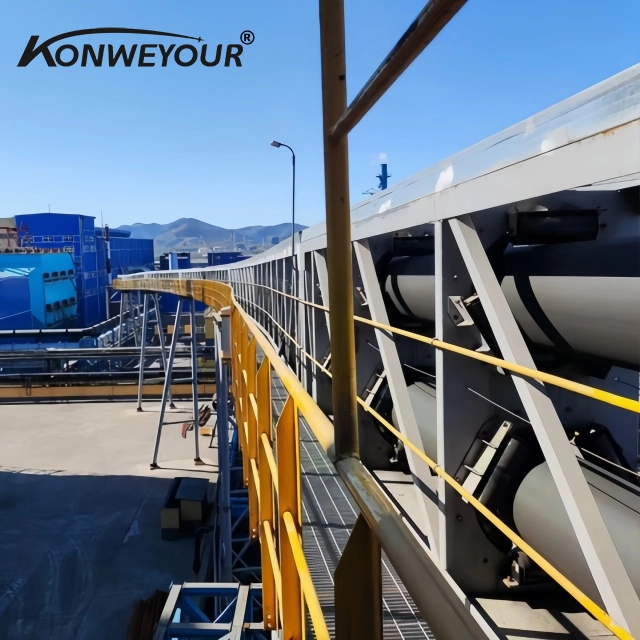
Whether you’re in manufacturing, mining, or logistics, the phrase beltwall conveyor might pop up more often than you’d expect. At first, maybe just a piece of industrial jargon—yet these systems quietly orchestrate much of what keeps global supply chains moving seamlessly. Given the ever-growing demand for efficient material transport, especially in sprawling factories or challenging terrains, understanding beltwall conveyors isn’t just niche knowledge; it’s a vital piece in grasping modern industrial progress.
Globally, as economies push toward higher automation and infrastructure scales, conveyor technology becomes an unsung hero. It’s estimated by the International Organization for Standardization (ISO) that conveyor-belt systems contribute to a notable reduction in manual labor, increasing both safety and productivity in warehouses worldwide.[1] Oddly enough, the concept also intersects humanitarian work. Yes, moving supplies efficiently can be a matter of survival in disaster zones.
The Big Picture: Why Should We Care About Beltwall Conveyor Technology?
Conveyors have been around for ages, but the beltwall conveyor variant uniquely addresses challenges like spillage, material containment, and operational reliability under harsh conditions. In real terms, these systems help advance industries by:
- Enhancing transport safety by containing goods fully within a belt “wall.”
- Lowering downtime because of better protection against dust and debris.
- Optimizing spatial footprint through flexible designs adaptable to factory layouts.
This improves overall sustainability—both environmental and economic—as materials aren’t wasted nor mishandled during transit.
Mini takeaway: Beltwall conveyors bridge efficiency with safety, creating ripple effects across sectors from heavy industry to disaster relief.
What Exactly is a Beltwall Conveyor?
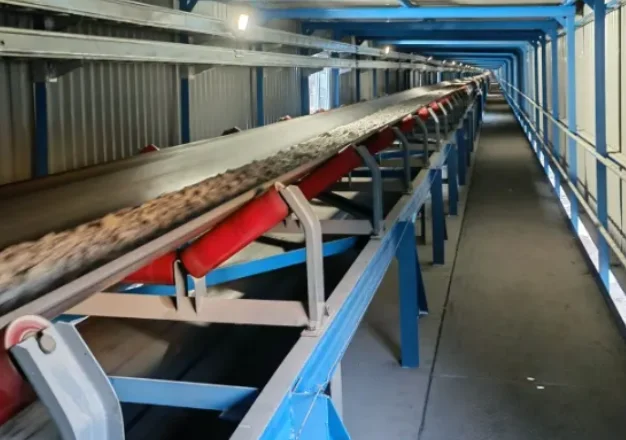
In simple terms, a beltwall conveyor is a conveyor belt configuration where sidewalls—either fixed or flexible—are attached to the belt edges. This design forms vertical “walls” helping to contain granular or irregularly shaped materials, preventing spillage along the transport path.
Think of moving loose items like grains, coal, or crushed stones: without beltwalls, materials can fall off, causing loss or creating safety hazards. By integrating these vertical barriers, the system holds materials securely, making even steep or inclined transport—say, inside a mine shaft—much easier.
From an industry perspective, these systems are critical where traditional flat belts simply won’t cut it. They address the humanitarian angle too—during post-disaster logistics, they help deliver materials reliably when infrastructure is fragile or shaky.
Core Traits That Define the Best Beltwall Conveyor Systems
Durability
Generally operating in demanding environments, the belt material and sidewalls must withstand abrasion, extreme weather, and mechanical stresses. Many engineers I’ve spoken with emphasize the importance of choosing high-grade PVC or rubber compounds for longevity.
Scalability
A beltwall conveyor has to adapt, whether it’s a compact food processing line or a vast mining operation spanning miles. Modular designs and adjustable sidewall heights allow operators to scale operations without major overhauls.
Cost Efficiency
While initial investment might be higher due to specialized belts and installation, the reduction in material loss and downtime often delivers a quick return on investment. Operators note fewer cleanup costs and reduced maintenance needs as major wins.
Flexibility
Many systems now incorporate flexible sidewalls made from TPU or elastomeric materials allowing easier navigation of curves or slopes while maintaining containment.
Safety Features
By eliminating spillage, beltwall conveyors reduce slip hazards on floors. Additional guards and sensors are often integrated for automatic emergency stops.
Eco-Friendliness
Some vendors now focus on recyclable or bio-based belt materials, supporting the green push in industrial manufacturing.
Mini takeaway: These core pillars ensure that beltwall conveyors aren’t just functional but smart investments for evolving industrial needs.
How are Beltwall Conveyors Used Around the World?
From sprawling port terminals in Asia to deep underground mines in South America, beltwall conveyors find their audiences everywhere. For example:
- Mining sectors in Australia rely heavily on long beltwall conveyors for bulk ore transport, where dust containment is critical for worker health.
- Food and agriculture farms in the U.S. Midwest use these systems to move produce and grains with minimal spillage and rapid throughput.
- Disaster relief missions in Southeast Asia employ portable beltwall conveyors to distribute sandbags and materials quickly amid floods.
Even in European automotive manufacturing plants, where air quality standards are high, beltwall conveyors reduce particulate emissions during transport of powdery components.
Mini takeaway: The beltwall conveyor is a truly global solution, bridging vastly different sectors and environments.
Beltwall Conveyor Specifications (Typical)
| Attribute |
Typical Value |
Notes |
| Belt Width |
300 mm – 2000 mm |
Varies by material and throughput |
| Sidewall Height |
50 mm – 250 mm |
Optional adjustments for containment |
| Maximum Speed |
2 m/s (meters per second) |
Dependent on motor and load |
| Material |
PVC, Rubber, TPU |
Chosen based on abrasion resistance |
| Temperature Range |
-20°C to 80°C |
Depending on belt compound |
Vendor Comparison Table
| Vendor |
Belt Material Options |
Customization |
Lead Time |
Price Range |
| ConveyorPro |
PVC, Rubber |
Standard sidewall heights, lengths |
4–6 weeks |
$$$ (Mid-tier) |
| BeltWall Innovations |
TPU, Bio-PVC |
Full custom profiles & sizes |
6–8 weeks |
$$$$ (Premium) |
| Global Convey Systems |
Rubber, TPU |
Modular sidewall attachments |
3–5 weeks |
$$ (Economical) |
Why Should You Choose a Beltwall Conveyor? The Long-Term Value
When you invest in beltwall conveyors, you’re not just getting a long belt with walls slapped on. You’re opting for:
- Reliability: fewer stoppages and safer work environments.
- Cost savings: minimized material loss translates into less waste and better profitability.
- Sustainability: by reducing dust and spillage, these conveyors lower pollution footprints.
- Technological trust: vendors increasingly integrate automation and self-monitoring features.
And frankly, there's something intangible you gain: peace of mind knowing your supply line is steadfastly protected against unexpected interruptions and workplace mishaps.
The Future of Beltwall Conveyor Technology: What Lies Ahead?
Emerging trends show a clear trajectory toward greener, smarter, and more adaptive systems. Recent developments include:
- Eco-friendly materials: bio-based polymers replacing traditional synthetic belts.
- IoT integration: sensors embedded in belts track wear and load, enabling predictive maintenance.
- Automation: robotic systems help with beltwall repairs and sidewall replacements.
- Energy efficiency: motors powered by renewable energy reduce the carbon footprint.
In short, the beltwall conveyor isn’t just a static tool but an evolving platform driving industrial innovation.
Facing Challenges: Practical Solutions for Beltwall Conveyor Systems
Of course, nothing’s perfect. Common issues include wear on sidewalls, slower speeds compared to flat belts, and difficulty handling extremely sticky materials. However, many manufacturers address these with:
- Advanced materials offering superior abrasion resistance.
- Adjustable tension controls to optimize belt-wall contact.
- Modular construction for fast on-site repairs.
So rather than seeing these challenges as showstoppers, it feels like they’re invitations to innovate — which they are, actually.
FAQ: Your Burning Questions About Beltwall Conveyors Answered
Q1: How does a beltwall conveyor compare in cost to a traditional flat belt conveyor?
A1: Beltwall conveyors tend to have a higher upfront cost due to their specialized belts and sidewalls, but savings accrue via reduced material spillage, lower maintenance, and enhanced safety. Over time, these systems typically prove more cost-effective in scenarios requiring material containment.
Q2: Can a beltwall conveyor handle very steep inclines?
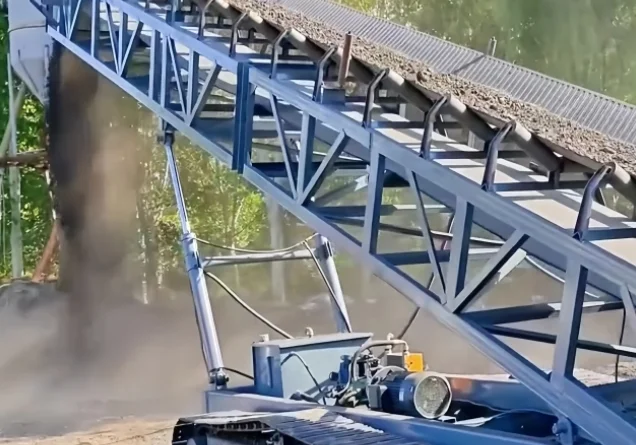
A2: Yes, that’s one of their strengths. The vertical walls help keep loose materials from sliding back, enabling steeper transport angles than flat belts can manage. However, the design needs to consider the belt material and drive power accordingly.
Q3: Are beltwall conveyors suitable for food-grade applications?
A3: Absolutely. There are FDA- and ISO-compliant belts made with food-safe PVC or TPU materials. These are designed for easy cleaning and minimizing contamination risks, common in food processing.
Q4: How customizable are beltwall conveyor systems?
A4: Very customizable. Sidewall height, belt width, materials, and lengths can be tailored precisely to application needs. Many vendors offer modular options that simplify installation and future upgrades.
Q5: What regions benefit most from beltwall conveyors?
A5: Anywhere bulk materials need secure movement! Mining hubs in Australia, agricultural centers in North America, and flood-prone zones in Southeast Asia all rely heavily on these systems for efficiency and safety.
Wrapping Up: Why Beltwall Conveyors Matter and Where to Look Next
In sum, beltwall conveyors are quietly revolutionizing how industries move materials safely and efficiently. As automation and sustainability gain momentum, these systems' role will only grow. If you’re interested in exploring tailored, high-quality beltwall conveyors, I recommend visiting beltwall conveyor providers with proven track records.
After all, a conveyor system that requires fewer fixes, keeps materials where they belong, and aligns with tomorrow’s green goals isn’t something to overlook.
Feel free to take a deeper dive there — because, honestly, when it comes to moving things better, sometimes the right belt really does make all the difference.
References:
- ISO - Conveyor Belt Standards
- Wikipedia: Conveyor Belt
- UN Sustainable Development Goals