The Belt Conveyor Machine: Moving the World Efficiently
If you’ve ever wondered how bulk materials—like coal, grain, or manufactured goods—get from point A to point B in sprawling factories, ports, or construction sites, then you’re already glimpsing the power of the belt conveyor machine. This seemingly simple piece of equipment quietly powers global industries by providing efficient, cost-effective, and scalable material handling solutions.
Understanding belt conveyor machines isn’t just an industrial curiosity; it touches everything from humanitarian aid logistics to advancing sustainability in mining and agriculture. Roughly speaking, these machines help keep the wheels of global commerce humming with less friction than any other conveyor method, which is why it pays to grasp their key benefits and nuances.
Industry under Pressure: Why Belt Conveyor Machines Matter Globally
According to the International Organization for Standardization (ISO), around 75% of bulk handling operations worldwide rely on conveyor systems to achieve efficient throughput. The global bulk materials handling market was valued at approximately $60 billion in 2023 and is expected to grow steadily as industries expand and seek greener solutions (1).
But here’s the rub: many industries grapple with challenges like increasing energy costs, workforce safety, and maintaining consistent productivity in remote or harsh environments. That’s where the belt conveyor machine shines, minimizing manual labor and offering a continuous, adaptable flow of materials. From sprawling mining regions in Australia to logistical hubs in Europe and Asia, belt conveyor systems address real-world bottlenecks.
What Exactly is a Belt Conveyor Machine?
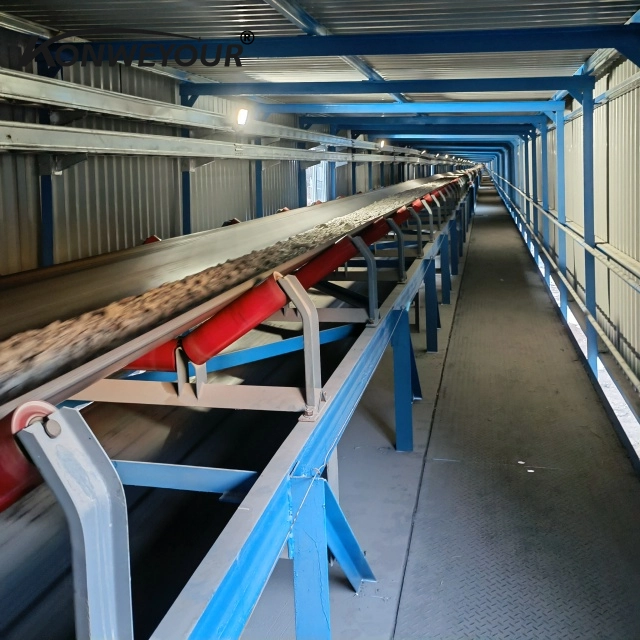
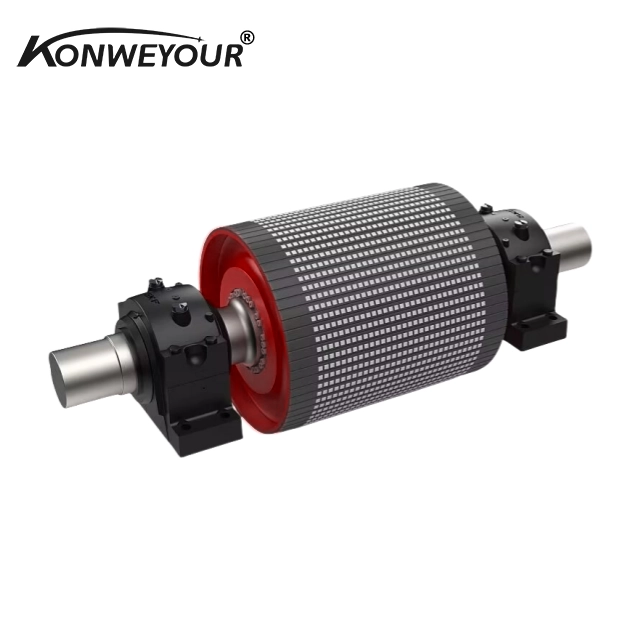
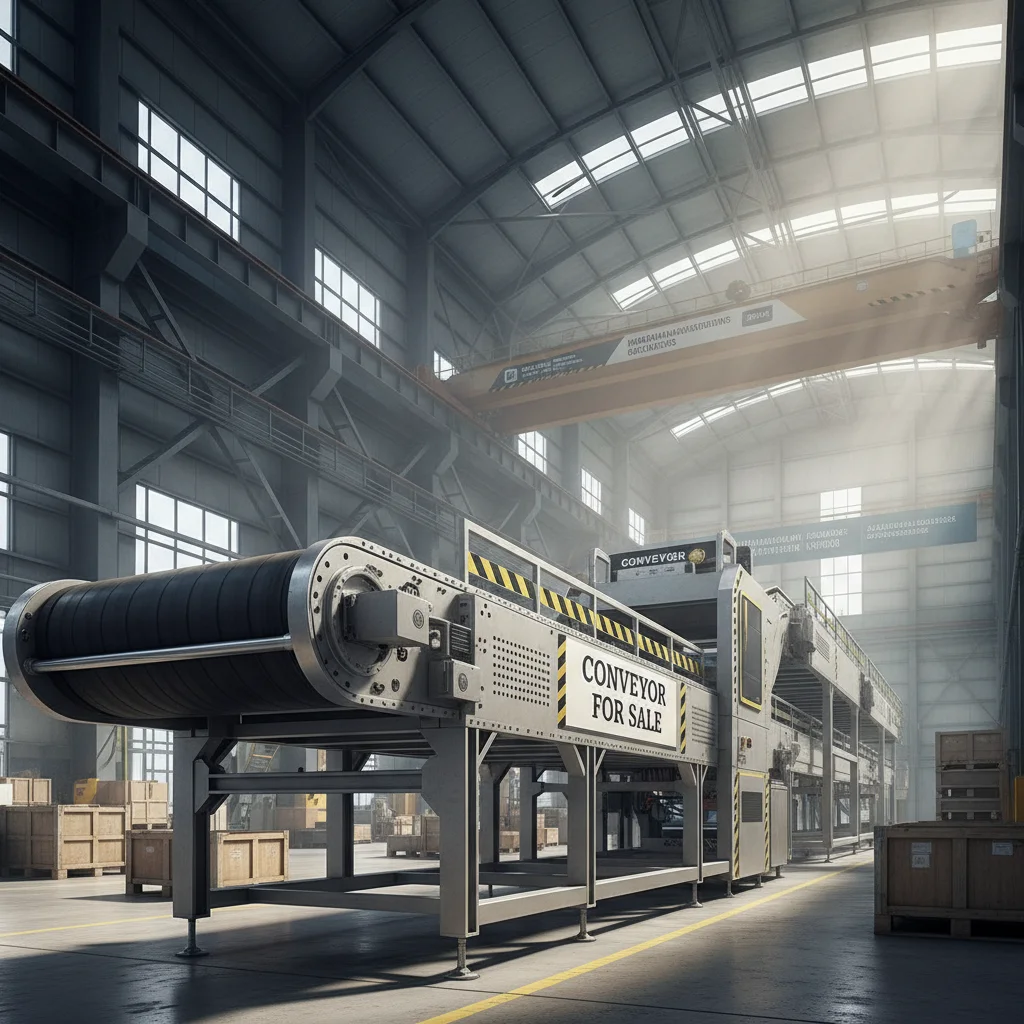
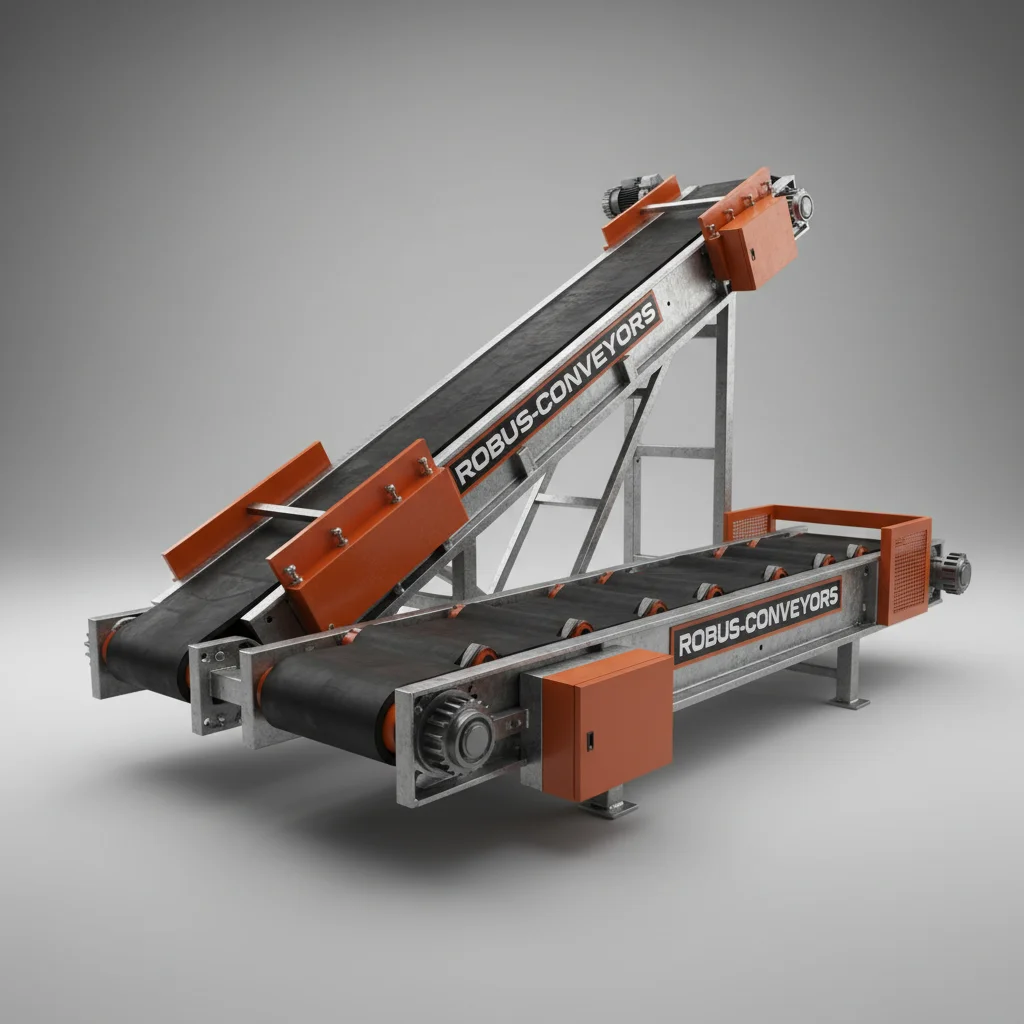
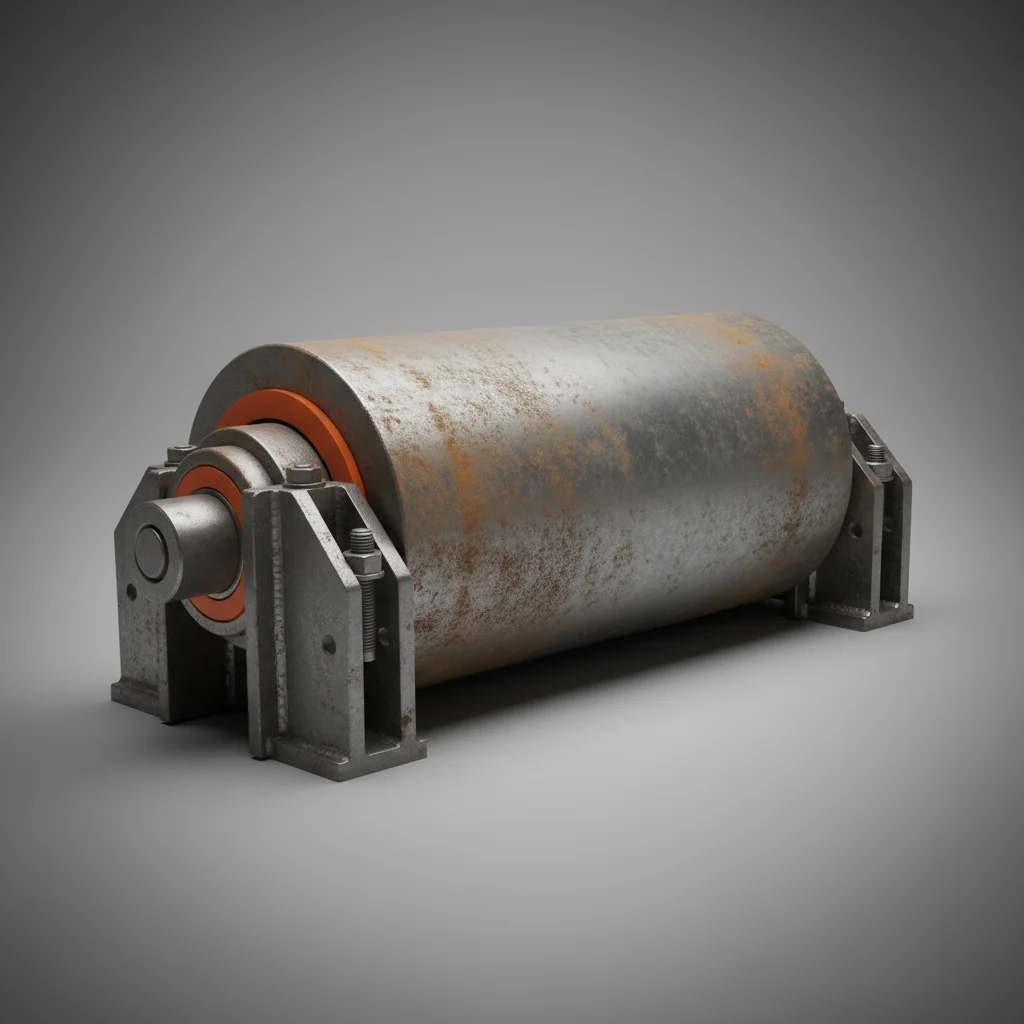
In straightforward terms, a belt conveyor machine consists of a looped belt stretched over rollers, driven by motors to transport materials horizontally or at an incline. Imagine a giant rubber band moving steadily with goods on top of it. Unlike rollers or chain conveyors, the belt offers uniform support and prevents slippage, making it ideal for everything from delicate food products to heavy ores.
Modern industries rely on these machines because they easily integrate into automated processes, reduce labor injuries, and support large-scale operations. Also, in humanitarian efforts—think disaster relief—quick deployment of conveyor setups can streamline aid unpacking or distribute supplies efficiently.
Key Components of a Belt Conveyor Machine
Durability and Material Quality
Durability matters. Most belts are made from synthetic rubber, PVC, or polyurethane, often reinforced with polyester or steel cords to handle heavy loads and resist wear. For example, in mining environments, belts must withstand rough abrasives without degrading quickly.
Scalability and Modular Design
Flexibility is king. Conveyor sections can be added or rearranged depending on the site’s needs—a useful feature for ever-changing manufacturing lines or temporary disaster relief zones. Modular designs mean you can upgrade components without a full replacement.
Energy Efficiency
Because conveyors run for long hours, reducing power consumption is critical. Technologies like variable frequency drives (VFDs) and low-friction rollers help keep energy use down, which pays off big in operations that last 24/7.
Cost Efficiency and Maintenance
Compared to alternative transportation methods (forklifts, trucks), conveyors reduce operational expenses while boosting throughput. Minimal maintenance, especially with self-aligning rollers and durable belts, can prevent costly downtime.
Customization and Control Systems
Today’s belt conveyor machines come with smart controls, including real-time monitoring and automated speed adjustments. This integration boosts productivity and prevents jams, which can otherwise halt an entire production line.
Quick takeaway: Belt conveyor machines blend sturdy materials and smart design, resulting in systems that scale with your business and reduce energy and maintenance costs.
Global Applications: Where Belt Conveyors Make a Tangible Impact
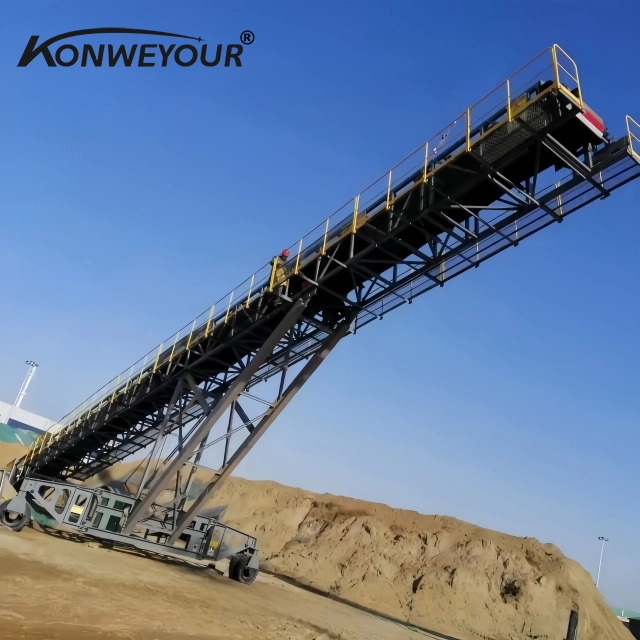
Where don’t you see belt conveyor machines? In industrial plants around the world—from Asia’s booming manufacturing corridors to Africa’s mineral extraction zones—they serve as logistical lifelines. For example:
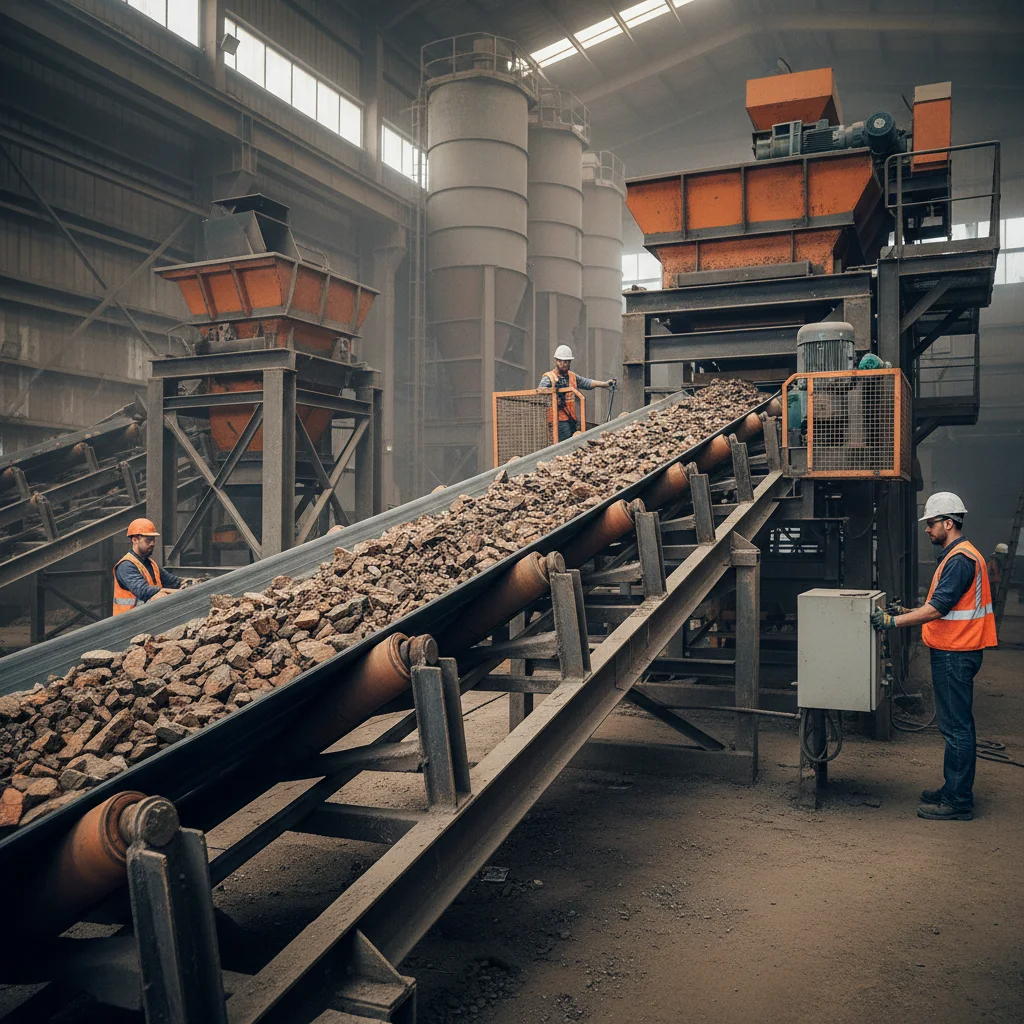
- Mining: Transporting ore downhill to processing plants, where rough terrain makes truck transport inefficient.
- Food and Agriculture: Sorting grains or fresh produce quickly to maintain freshness and meet demand.
- Ports and Warehousing: Quick container handling and distribution of goods.
- Construction: Moving bulk material like sand and gravel across sites.
- Disaster Relief: Portable systems that help distribute supplies in devastated areas where roads are blocked.
One interesting story comes from a South-East Asian NGO that deployed modular belt conveyors after a typhoon disrupted road networks. The conveyor systems enabled fast offloading of medical supplies directly from shipping docks to emergency storage.
Advantages and Long-Term Value of the Belt Conveyor Machine
The benefits sunlit in bright detail when you consider long-term usage:
- Cost Savings: Reduced labor, lower fuel use compared to trucks, and decreased downtime thanks to reliable design.
- Sustainability: Adaptation for renewable energy sources and recyclable belt materials help reduce environmental footprints in industries like mining and agriculture.
- Safety and Social Impact: Less reliance on manual transport reduces workplace accidents and provides predictable, steady workflows improving employee dignity.
- Reliability: These machines run continuously with minimal errors when well-maintained, essential for industries where time is literally money.
Looking Ahead: Future Trends in Belt Conveyor Machines
It feels like we're on the brink of a conveyor renaissance, honestly. Innovations include lighter, ultra-durable belts engineered from nanomaterials and self-healing composites. Digital transformation is another big one — with IoT-enabled sensors tracking belt wear and load in real-time.
There's also increasing focus on green technology, where belt conveyor machines integrate solar power or use smart energy management systems to lower CO2 emissions. Automation is advancing, with AI-assisted controls that optimize speed and maintenance schedules autonomously. It’s a fascinating time.
Challenges and How the Industry is Tackling Them
That said, no technology is without its bumps. Belt conveyors sometimes struggle with:
- Spillage and belt misalignment, especially in dusty or uneven terrains.
- Wear and tear caused by abrasive materials or extreme weather conditions.
- Initial capital expenditure, which can deter smaller operators.
To combat these, experts use specialized belt cleaners, advanced sensors, and modular designs for quicker repairs. Plus, financing solutions now assist smaller businesses in accessing high-tech belts. Many engineers I’ve talked to also swear by predictive maintenance powered by AI, reducing downtime drastically.
FAQ: Your Top Questions about Belt Conveyor Machines
1. How do belt conveyor machines improve workplace safety?
They reduce manual material handling, which significantly cuts down on injuries caused by lifting and repetitive strain. Plus, their enclosed design limits exposure to dust or hazardous substances.
2. What maintenance is required to keep a belt conveyor machine running smoothly?
Regular belt inspections for wear, roller alignment checks, and cleaning to remove debris are key. Many modern machines include sensor alerts for early detection of issues, making maintenance easier.
3. Can belt conveyor machines be customized for specific industries?
Absolutely! From belt materials to system length and drive speed, vendors tailor solutions for everything from food-grade conveyors to heavy mining operations. This customization boosts efficiency and product safety.
4. Are belt conveyor machines energy-intensive?
While they do consume energy continuously, advancements like variable frequency drives and low-friction components help reduce power usage. Additionally, integrating renewable energy sources is an emerging practice.
5. How quickly can a belt conveyor machine system be deployed?
Deployment time varies by complexity. Modular designs enable assembly in days or weeks depending on the scale, making them suitable for both permanent facilities and temporary setups like disaster relief operations.
Final Thoughts: Why Investing in Belt Conveyor Machines Makes Sense
When you look at the global landscape of material handling, the belt conveyor machine stands out as a durable, cost-effective, and increasingly smart solution. Its impact extends beyond profits—it’s about safer workplaces, greener practices, and smoother global operations. If you’re considering upgrading or investing, it’s worth exploring what the latest belt conveyor tech offers. For a more detailed look and quotes, don’t hesitate to visit our website for tailored solutions.
Product Specification Table
| Specification |
Typical Range |
Description |
| Belt Width |
300 mm – 1600 mm |
Varies by capacity and material handled. |
| Belt Speed |
0.5 – 5 m/s |
Adjustable via motor controls for different processes. |
| Load Capacity |
50 – 1500 t/h |
Depends on belt width and speed. |
| Maximum Length |
Up to 5 km |
Typically modular, linked sections accommodate long distances. |
| Power Supply |
220 V – 480 V, 3-phase AC |
Motor power varies with load and speed requirements. |
Vendor Comparison Table
| Feature |
JT Conveyor Solutions |
Global Moto Conveyors |
FlexiBelt Systems |
| Customization Options |
Extensive (belt materials, controls, modularity) |
Moderate (standardized product lines) |
High (focus on lightweight belts) |
| Lead Time |
4-6 weeks |
6-8 weeks |
3-5 weeks |
| Smart Monitoring |
Included |
Optional |
Included |
| Warranty Period |
3 years |
2 years |
2 years |
| Sustainability Certifications |
ISO 14001, Energy Star |
ISO 9001 |
ISO 14001 |
Final mini takeaway: Choosing the right belt conveyor system is about balancing technology, cost, and sustainability — but with modular, smart conveyors, it feels like the future’s already here.
References:
- ISO Bulk Material Handling Standards
- Statista - Bulk Handling Market Statistics
- Wikipedia - Conveyor Belt