Why the Gripper Belt Conveyor Matters in Today’s World
In the vast landscape of industrial logistics, the gripper belt conveyor quietly but decisively shapes how manufacturers and distributors move goods. These conveyors, unlike simple belt systems, feature gripping mechanisms that firmly secure products during transport — critical when dealing with fragile or oddly shaped items. Considering the global economy depends on efficient, reliable supply chains, mastering the technology behind these conveyors is more than just a niche engineering topic; it touches everything from food security to ecommerce fulfillment.
Hundreds of millions of tons of goods travel conveyor belts every day, and many of those rely on that extra grip — preventing slips, drops, and inefficiencies that quickly add up in cost and waste. Understanding how these systems work unlocks a better grasp of industrial automation innovations, ultimately making your supply chain safer and smarter.
The Rising Demand for Precision: Global Context of Gripper Belt Conveyors
Globally, the logistics and materials handling sector has grown steadily, driven by booming ecommerce and the push for automation. Data from the International Organization for Standardization (ISO) and the United Nations Industrial Development Organization (UNIDO) highlights that logistics efficiency is a major factor in supporting sustainable development goals, reducing waste, and ensuring delivery integrity worldwide.
One major problem remains — how do you ensure delicate products like electronics, glassware, or pharmaceuticals don’t slip or get damaged during transit? The gripper belt conveyor is a direct answer to that challenge. For industries ranging from automotive parts to agriculture, it’s about grabbing hold of materials firmly with minimal damage and maximum speed.
It feels like the perfect intersection of engineering precision and practical logistics — especially as companies face tighter regulations on product handling and environmental standards.
What Is a Gripper Belt Conveyor, Simply Put?
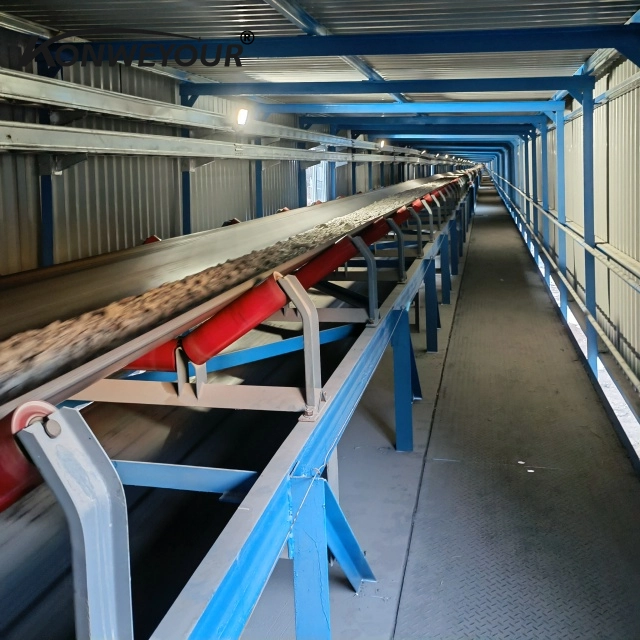
At its core, a gripper belt conveyor is a material transport system where a belt includes gripping elements — think of raised patterns, rubberized sections, or mechanical clamps integrated — that maintain a tight hold on items as they move along the belt path. This prevents slippage and enables the conveyor to handle steeper inclines or more complex routing without losing payloads.
In real terms, this means fewer product damages, less downtime, and better performance under demanding conditions. Industries that rely on this conveyor type include food packaging, pharmaceuticals, electronics manufacturing, and any scenario where jerk-free, slip-free transport is vital. The humanitarian sector also finds value here; for example, in remote relief supply chains moving fragile medical items through tough terrain.
Mini takeaway:
- Gripper belt conveyors secure delicate products during transport.
- They address challenges in product handling and logistics efficiency globally.
Core Components of Gripper Belt Conveyors
1. Belt Material and Grip Surface
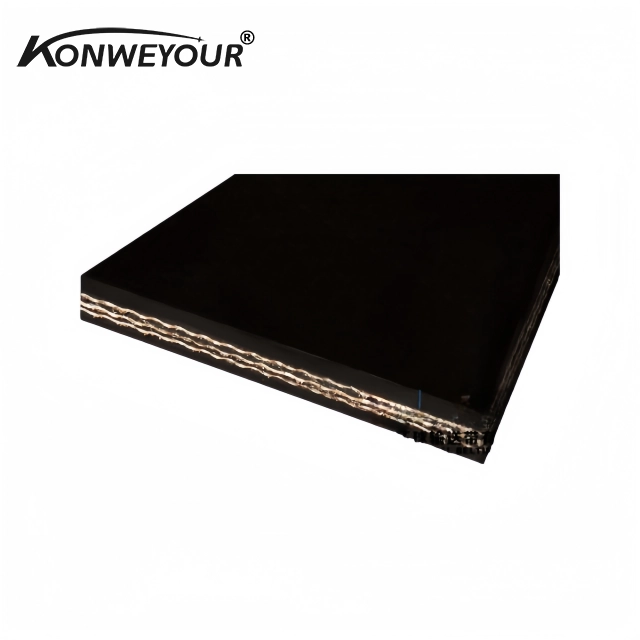
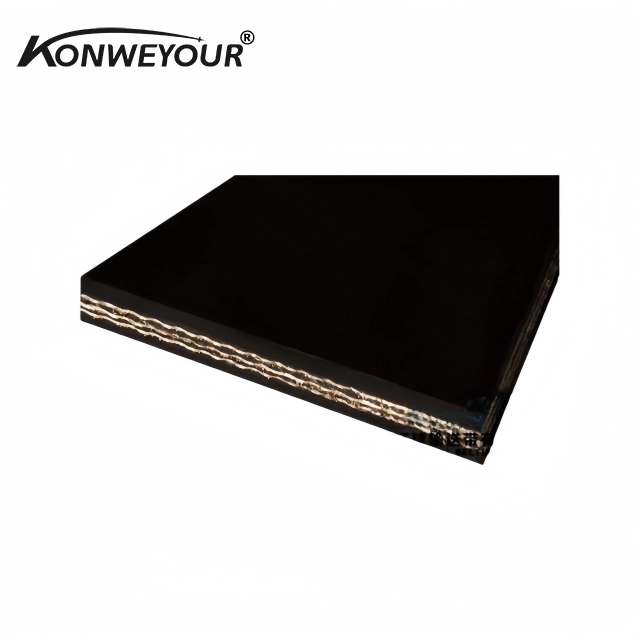
The choice of belt material — be it rubber, polyurethane, or specialized composites — affects both durability and grip quality. Many engineers swear by textured surfaces or embedded cleats to boost friction without damaging goods. Oddly enough, the feel and design of this surface often dictate how well the system performs long-term.
2. Conveyor Frame and Structure
Durability and flexibility are paramount. Frames must accommodate variable loads and withstand environmental factors like dust or humidity. Modular designs make maintenance easier, while custom steel or aluminum frameworks can be tailored to exact specs.
3. Drive and Tensioning System
Maintaining the right belt tension is critical to consistent grip. Some systems use automatic tensioners with sensors feeding data to control units, ensuring the belt neither loosens nor overstretches — which could cause slippage or premature wear.
4. Grab or Clamping Mechanism (If Applicable)
Advanced gripper conveyors employ clamps or servo-driven arms integrated with the belt for active holding, especially in steep or vertical transport. This is a more complex, customizable feature, often used in automotive or electronics assembly lines.
5. Controls and Automation Integration
Modern systems increasingly integrate with factory automation modules, using PLCs (Programmable Logic Controllers) and IoT sensors to optimize grip force, monitor belt wear, and adjust speeds in real-time.
Mini takeaway:
- Material choice and surface texture are crucial for grip and product safety.
- Automation enhances reliability and reduces manual intervention.
Where in the World Are Gripper Belt Conveyors Making a Difference?
From bustling packaging plants in Europe to remote mining operations in Australia, gripper belt conveyors help diverse industries. In Southeast Asia, for instance, food exporters lean heavily on these systems to transport fresh produce without bruising during long journeys.
And in humanitarian efforts, NGOs use gripper belt conveyor setups for rapid deployment of medical supplies post-disaster, smoothing out one of the most complex bottlenecks in relief operations.
Industrial giants in North America integrate such conveyors in automotive assembly lines, where precise handling of components matters greatly to assembly speed and safety.
Benefits That Keep Companies Coming Back
- Cost Efficiency: Reduced product damage lowers waste and returns.
- Reliability: Steady conveyor grip reduces downtime and maintenance headaches.
- Sustainability: Durable materials and less product spoilage mean a smaller ecological footprint.
- Safety: Less product slip means fewer accidents and happier workers.
- Innovation: With automation, these conveyors adapt quickly to changing workflows, future-proofing investments.
It’s not just a tool — it can redefine industrial trust and safety in daily operations.
Gripper Belt Conveyor Specifications at a Glance
| Feature |
Standard Value |
Notes |
| Belt Width |
300 mm - 1500 mm |
Custom widths available |
| Grip Surface |
Textured rubber / cleated |
Depends on product handled |
| Max Load Capacity |
500 kg per meter |
Varies by motor specs |
| Max Speed |
Up to 60 m/min |
Adjustable with controls |
| Operational Temp |
-20°C to 80°C |
Standard industrial range |
Comparing Top Vendors of Gripper Belt Conveyors
| Feature |
JT Conveyor |
ConveyorTech Inc. |
GripLine Solutions |
| Customization Options |
High – bespoke designs |
Medium – modular kits |
High – grips & clamping |
| Lead Time |
4-6 weeks |
6-8 weeks |
3-5 weeks |
| After-sales Support |
24/7 customer care |
Business hours only |
Online support portal |
| Price Range |
$$$ |
$$ |
$$$ |
The Road Ahead: Trends and Innovations in Gripper Belt Conveyors
Automation is no surprise here — integration with AI-powered monitoring helps detect belt wear before breakdowns, and digital twin technology is being used in design phases for faster prototyping. On the materials side, eco-friendly, recyclable belts are trending, with several vendors developing TPU compounds that last longer but reduce environmental impact.
There's a growing focus on energy-efficiency, too: motors and drives powered or assisted by green energy solutions, combined with regenerative braking systems, keep operational costs down while supporting sustainability goals.
So, if you thought conveyors were “just belts,” you might want to reconsider their role in Industry 4.0.
Overcoming Common Challenges
Despite their advantages, gripper belt conveyors face certain hurdles — for example, contamination can reduce grip efficiency, and heavier loads can strain belt materials over time. However, vendors now offer specialized cleaning systems, belt coatings, and modular replacements that make maintenance less burdensome.
Another challenge is customization time against fast-changing production lines. Agile manufacturing and modular design principles help — enabling companies to tweak setups quickly without full redesigns. Many engineers also emphasize staff training as a key solution: knowing how to fine-tune tension and grip settings daily avoids costly errors down the line.
FAQ: Clearing Up Common Questions on Gripper Belt Conveyors
- What types of products are best suited for gripper belt conveyors?
- Products that are delicate, irregularly shaped, or require secure transport—like glass bottles, pharmaceuticals, or electronic components—benefit most from gripper belt conveyors. Their gripping surface minimizes slippage and damage during movement.
- Can gripper belt conveyors be used on inclined surfaces?
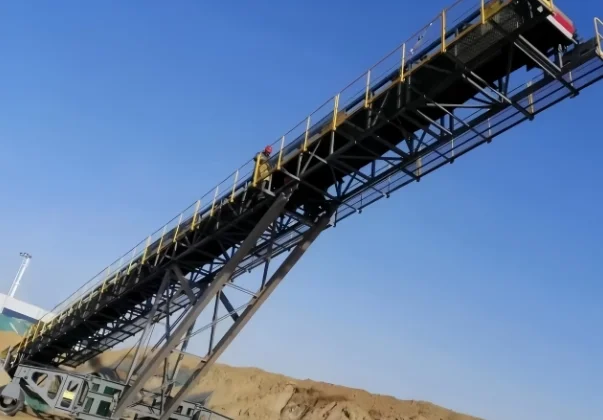
- Absolutely. This is one of the core advantages. The gripping action allows conveyor belts to move materials up steep inclines safely without risk of falling back or slipping.
- How does one maintain optimal grip over time?
- Regular cleaning to remove dust and debris, routine belt inspections, and adjusting tension ensure the grip surface remains effective. Some systems include sensors that alert when grip efficiency drops or when belts wear down.
- Are these conveyors compatible with automation systems?
- Yes, modern gripper belt conveyors often come with PLC and IoT integration options, allowing seamless synchronization with factory automation and remote monitoring solutions.
- Where can I find custom gripper belt conveyor solutions?
- There are specialized industrial manufacturers like JT Conveyor offering bespoke designs tailored to your product and process needs, with options to consult on material selection and automation features.
Wrapping Up: Why You Should Care About Gripper Belt Conveyors
When you look closely, the gripper belt conveyor is more than a moving belt with a twist. It’s a silent powerhouse ensuring products arrive intact, production lines run smoothly, and companies meet escalating demands for efficiency and sustainability.
If you’re thinking about modernizing your material handling setup or simply want a reliable, tested solution, exploring gripper belt conveyor options is a smart move — trust me, it’s worth the investment.
Feel free to dive deeper or get in touch with experts by visiting our website. They provide detailed consultations tailored to your industry and operational needs.
References
- ISO Standards on Conveyor Systems
- UNIDO on Sustainable Industrial Development
- Wikipedia: Conveyor Belt Technology