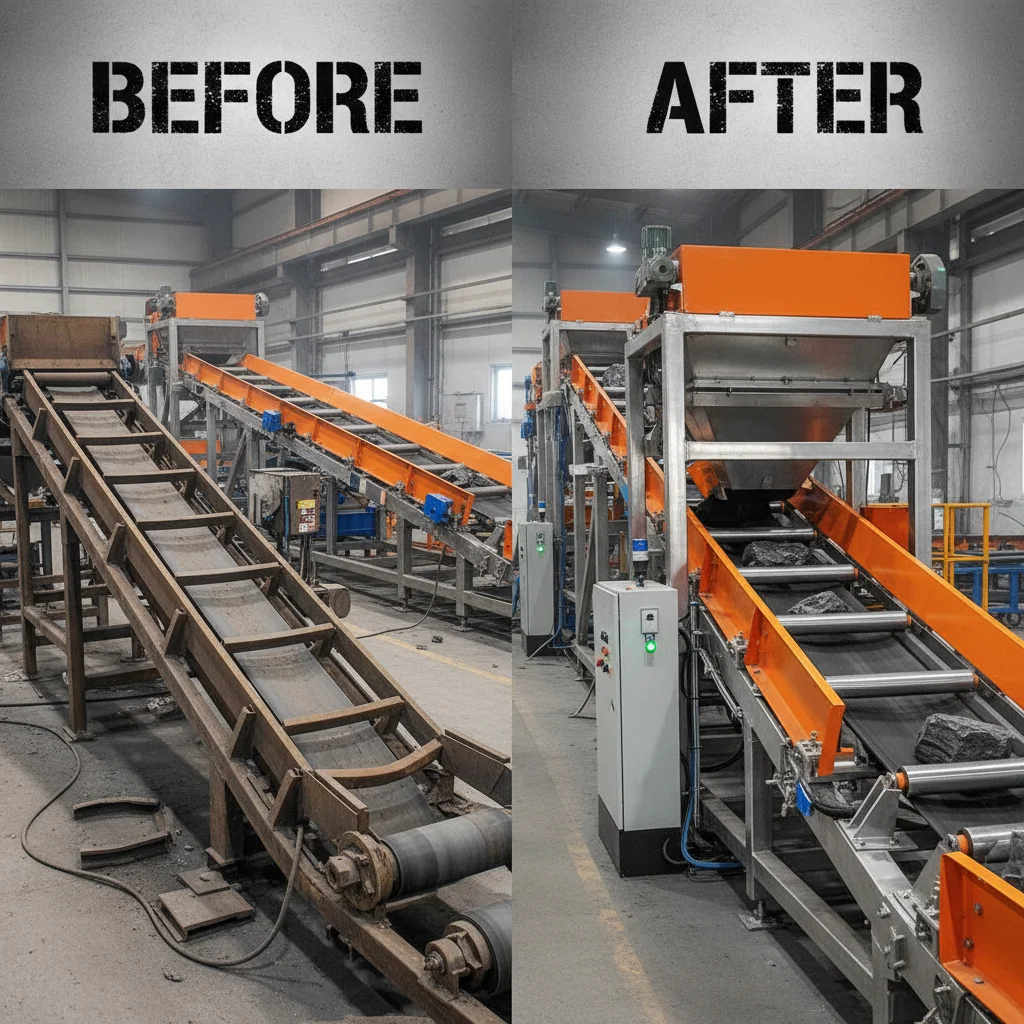
Understanding the Role of Reversible Belt Conveyors in Modern Industry
Conveyors are the unsung heroes in countless industries, quietly moving materials from point A to B — but when space, efficiency, and flexibility count, reversible belt conveyors step in to save the day. At its core, a reversible belt conveyor enables bidirectional movement of goods on a single belt, reducing the footprint and often lowering operational costs. In a world where logistics, manufacturing, and humanitarian relief depend on swift material handling, understanding how these conveyors fit and function isn’t just technical nitpicking—it’s vital for boosting productivity and sustainability.
Why Does This Matter Globally?
According to the International Organization for Standardization (ISO), efficient material handling equipment can improve supply chain reliability by up to 30%. The United Nations highlights that a sizable chunk of industrial downtime is linked to inefficient transport mechanisms on site. In sectors ranging from mining in Australia to grain handling in the American Midwest, reversible belt conveyors address these inefficiencies. They cut down space needs, allow for flexible workflows, and adapt to varying throughput requirements, making them indispensable in both developed and developing economies.
Oddly enough, despite such importance, many decision-makers still overlook the nuances when specifying conveyors — like whether reversibility adds value in their applications or just complexity.
Mini takeaway: Grasping the global importance of reversible belt conveyors helps you see beyond just a belt and motor — it's about smart, flexible material flow.
What Exactly Is a Reversible Belt Conveyor?
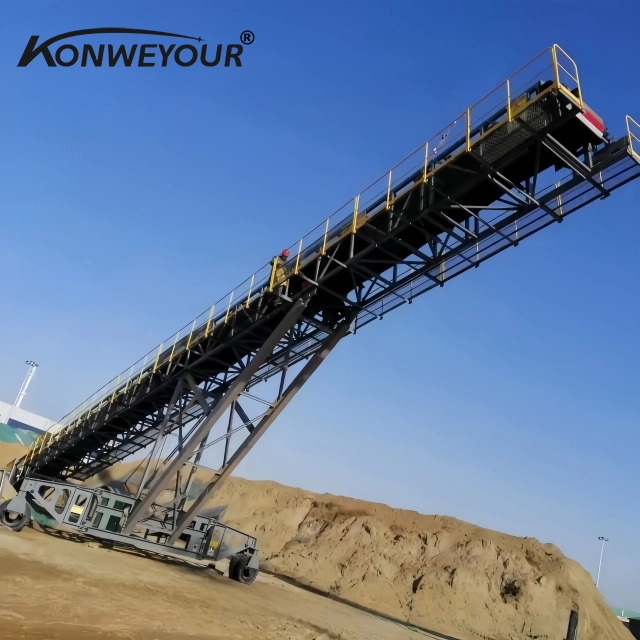
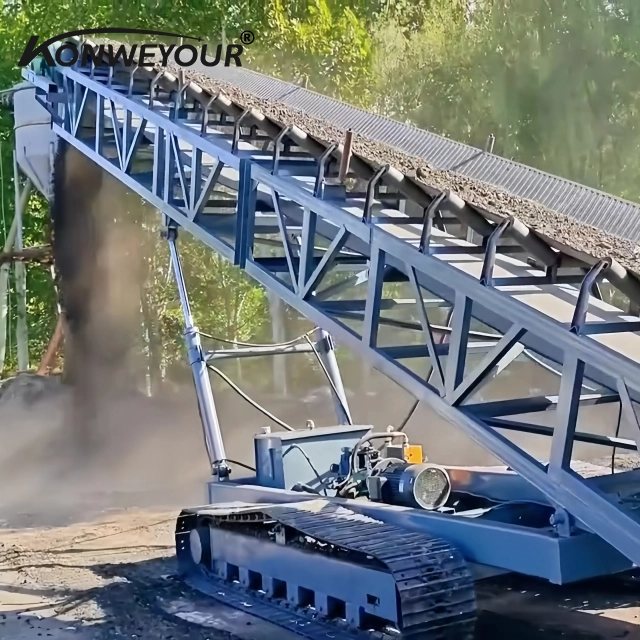
Simply put, a reversible belt conveyor is a conveyor belt designed to operate in two directions. Unlike standard conveyors that move goods only forward, these systems can reverse the belt’s direction, allowing materials to travel back and forth along the same path.
Picture a conveyor in a warehouse that not only moves packages to the loading dock but can shift direction to return empty totes back to storage — saving time, energy, and space.
In modern industry, this makes a big difference. Whether you’re sorting agricultural products, redirecting recyclable materials, or managing construction debris, the reversible feature supports dynamic workflows. It even matters in humanitarian contexts, where flexible materials handling can speed up relief logistics in unpredictable environments.
Mini takeaway: Reversible belt conveyors add flexibility, crucial when workflows aren’t strictly linear or when space is tight.
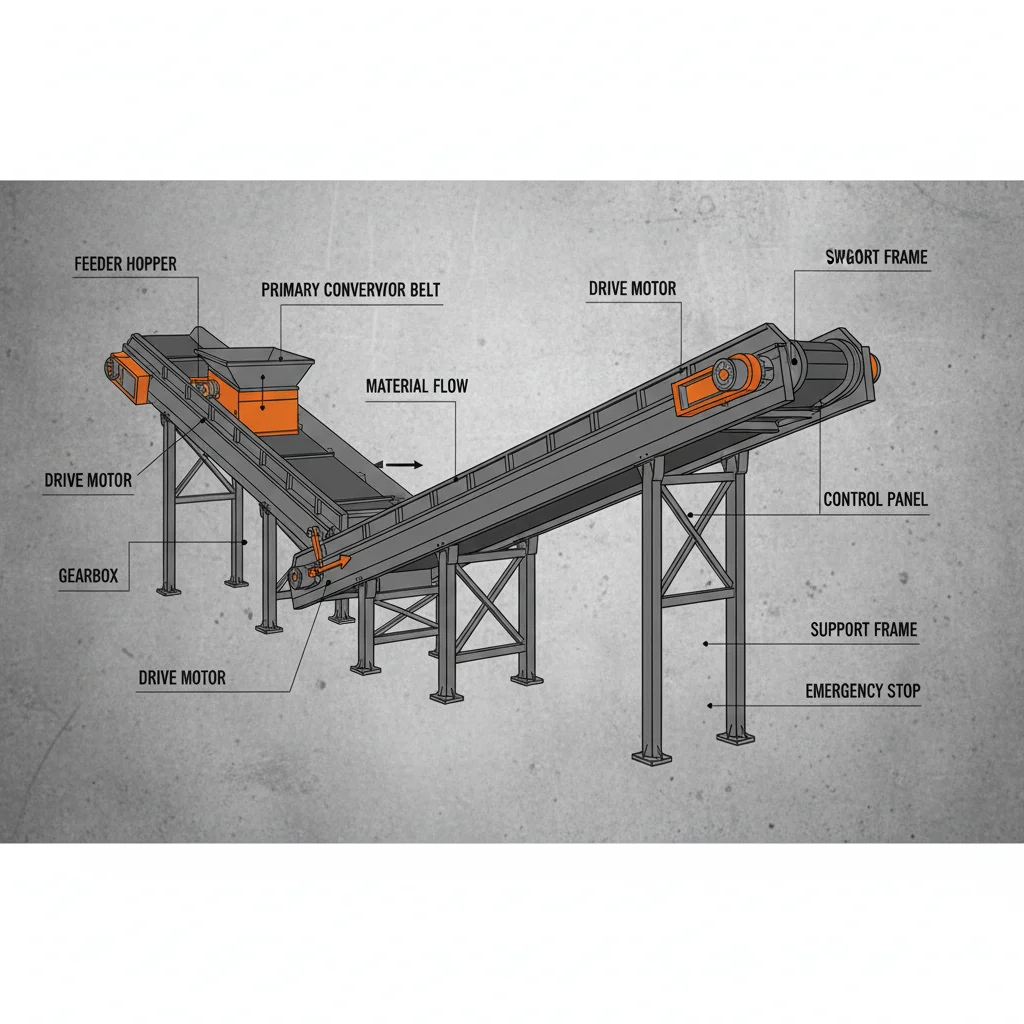
Core Components: What Makes a Reversible Belt Conveyor Tick?
Let’s unpack the main features that engineers and operators look for:
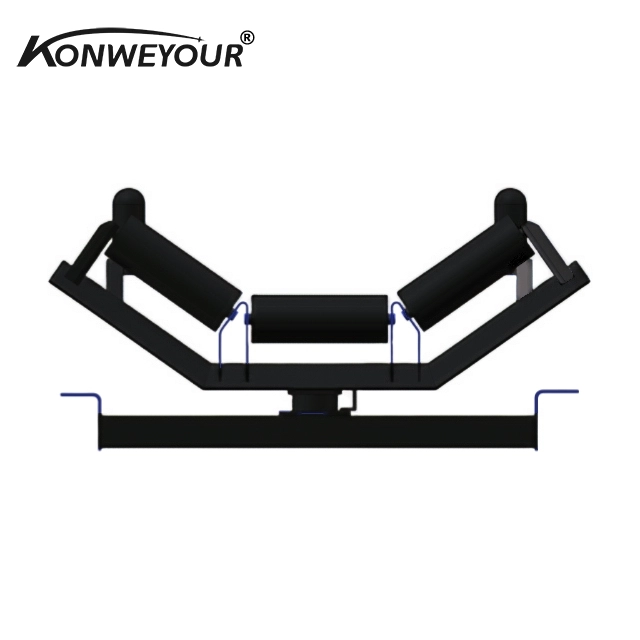
- Durability: Since these conveyors often switch directions, belts and rollers must withstand wear from bidirectional loads. Materials like high-grade PVC or rubber composites are common to endure abrasion and stress.
- Scalability: Modular design helps industries scale conveyor length or change inclines based on shifting needs — a must in dynamic production lines or seasonal operations.
- Cost Efficiency: Using one reversible conveyor instead of two one-directional belts often cuts capital and maintenance expenses, particularly important for start-ups or humanitarian logistics.
- Control Systems: Advanced reversible conveyors integrate sensors and variable frequency drives that smoothly switch directions without sudden jolts, reducing product damage.
- Energy Consumption: Newer designs focus on energy-efficient motors that adapt to variable loads, aligning with global sustainability goals.
Each aspect combines into a design that’s not just functional but reliable under real-world pressures.
Mini takeaway: The real magic lies in how durability, flexibility, and smart controls create a conveyor that works smarter, not just harder.
Real-World Applications — Who’s Using Reversible Belt Conveyors and Why?
These systems aren’t just engineering curiosities. Worldwide, they’re mainstays in:
- Mining and Aggregate Handling: In Canada’s resource-rich provinces, reversible conveyors handle fluctuating demands where forward and backward movement of raw materials speeds sorting.
- Agricultural Processing: Farms and mills in the EU use reversible conveyors to shuttle grain or fruit between sorting and storage.
- Waste Recycling Plants: Germany’s advanced recycling centers rely on reversible belts to redirect materials streams without additional machinery.
- Construction and Demolition: In rapidly rebuilding areas, reversible conveyors streamline the movement of debris and supplies.
- Humanitarian Relief Logistics: Aid agencies deployed in disaster zones (think Philippines post-typhoon) value the flexibility, as conveyors adjust to evolving layouts of temporary warehouses.
Mini takeaway: Wherever materials need to be moved flexibly and space-saving matters, reversible conveyors come into play.
Specifications Snapshot: Typical Reversible Belt Conveyor Model
| Specification |
Details |
| Belt Width |
600 - 1000 mm (custom sizes available) |
| Belt Speed |
0.5 - 2.0 m/s (adjustable) |
| Drive Motor |
1.5 kW to 5 kW, variable frequency drive |
| Maximum Load |
Up to 500 kg/m (linear) |
| Operational Temperature |
-20°C to +60°C |
| Reversing Mechanism |
Electromechanical drive with soft start/stop |
Comparing Vendor Options: Choosing the Right Partner
| Feature |
JT Conveyor Co. |
Global Conveyors Ltd. |
FlexMove Systems |
| Customization Options |
High (belt sizes, speeds, drives) |
Medium (limited frame sizes) |
High (modular & portable units) |
| Energy Efficiency |
Variable frequency drive standard |
Basic motor drives |
Energy recovery features |
| Lead Time |
4-6 weeks |
6-8 weeks |
3-5 weeks |
| After-Sales Support |
24/7 technical hotline |
Business hours only |
On-site service available |
Why Reversible Conveyors Continue to Win in Efficiency and Value
Many engineers swear by the multi-directional flexibility — it’s sort of like having a two-way street on your factory floor. Among the biggest benefits:
- Cost savings: One reversible belt often replaces two straight conveyors, halving equipment needs and lowering power bills.
- Space-saving design: Especially for cramped sites — think urban warehouses or mobile setups — fewer conveyors mean cleaner layouts.
- Reduced maintenance: Less hardware equals fewer failure points and easier inspections.
- Social and environmental impact: Using energy-efficient reversible conveyors helps companies meet stricter ecological standards while maintaining worker safety.
- Trust and flexibility: Decision-makers often tell me their teams ‘sleep better’ knowing conveyors can adapt if production priorities change.
Mini takeaway: The reversible belt conveyor blends smart design with practical savings and ecologically conscious operations — a rare trifecta.
Looking Ahead: Innovations and Trends on the Horizon
The conveyor industry isn’t standing still. A few trends shaping reversible belt conveyors include:
- IoT Integration: Sensors now report belt tension, motor health, and load metrics in real time for predictive maintenance.
- Green Energy: Solar or regenerative drives offset power usage, helping plants shrink their carbon footprints.
- Smart Materials: New belts made with nano-coated surfaces reduce friction and resist wear much longer.
- Automation Compatibility: Conveyors integrate with robots and AI-managed sorters, making two-way freight movements seamless.
It’s exciting stuff but also a reminder to keep evaluating your conveyor needs as tech evolves rather than settling for “good enough.”
Challenges in Using Reversible Belt Conveyors — And How to Fix Them
Reversible belts aren’t flawless. Common issues include:
- Complex control systems: The need for smooth directional switching requires smart drives — sometimes costing more upfront.
- Wear and tear: Running belts forwards and backwards can increase mechanical stress if specs aren’t spot on.
- Space constraints: Even reversible conveyors need room around them for turning mechanisms and motors.
Experts often recommend thorough site assessments before installation, plus regular training for operators. Solutions like advanced soft-start controllers and improved belt materials mitigate most headaches.
FAQ: Your Top Questions About Reversible Belt Conveyors
- Q: How do reversible belt conveyors save space compared to traditional systems?
- A: By allowing bidirectional movement on one conveyor belt, they eliminate the need for multiple parallel belts, cutting down total footprint in warehouses or production lines.
- Q: Are reversible conveyors suitable for heavy loads?
- A: Absolutely; many are designed to handle loads up to 500 kg per meter, provided specifications like motor power and belt durability are matched to the application.
- Q: What is the typical lifespan of a reversible belt conveyor?
- A: With proper maintenance, belts and components can last 5-10 years or more, though environmental factors and usage intensity matter.
- Q: Can reversible belt conveyors integrate with automation systems?
- A: Yes! Modern systems include sensors and programmable controllers that can work with industrial robots and smart sorters for efficient workflow management.
- Q: Is it difficult to maintain the reversing mechanism?
- A: Not necessarily. While it adds complexity, regular inspections, lubrication, and using quality components minimize maintenance challenges.
Wrapping Up: Why Reversible Belt Conveyors Are a Smart Investment
Reversible belt conveyors bring a blend of flexibility, efficiency, and sustainability that’s hard to beat. They’ve proven their value across industries and geographies — from congested warehouses in Europe to sprawling mining sites down under. If you’re looking for a material handling solution that adapts with your operation, while trimming costs and footprint, these are worth a serious look.
Curious to explore options for your project? Visit our website for tailored advice and detailed product info: reversible belt conveyor.
In the ever-moving world of logistics and material handling, investing in the right conveyor is more than a hardware choice — it’s a strategic decision.
References:
1. ISO Standards on Conveyor Systems
2. Wikipedia: Conveyor Belt
3. United Nations Development Topics