Unlocking Efficiency: What Is a Reversible Shuttle Belt Conveyor and Why It Matters
The reversible shuttle belt conveyor might sound niche — and it is — yet in the grand scheme of material handling and industrial logistics, it’s a bit of a quiet game-changer. From global warehouses to disaster relief hubs, understanding this conveyor system shines a light on how we move goods more flexibly and efficiently than ever before. This article dives into the core of what it is, why it's catching attention worldwide, and how it keeps industries moving forward with innovation and sustainability.
Worldwide Context: Why Reversible Shuttle Belt Conveyors Are Gaining Global Relevance
The logistics and manufacturing sectors are evolving rapidly. According to the International Organization for Standardization (ISO), optimizing supply chains with reliable conveyor systems boosts efficiency by up to 30%. Meanwhile, the UN’s Sustainable Development Goals underscore responsible consumption and production — which conveyors help achieve by reducing waste and energy consumption.
Conveyor systems, including reversible shuttle belt conveyors, tackle critical challenges around space constraints and fluctuating workflow demands. Maybe you’ve worked in a busy warehouse or remote industrial facility; the frustration of bottlenecks and inflexible systems is all too real. Enter the reversible shuttle conveyor — designed to run forwards or backwards, it offers an elegant solution to these headaches.
Mini takeaway: This is not just machinery — it’s part of a global push for smarter, adaptable logistics in a world that won’t slow down.
What Exactly Is a Reversible Shuttle Belt Conveyor?
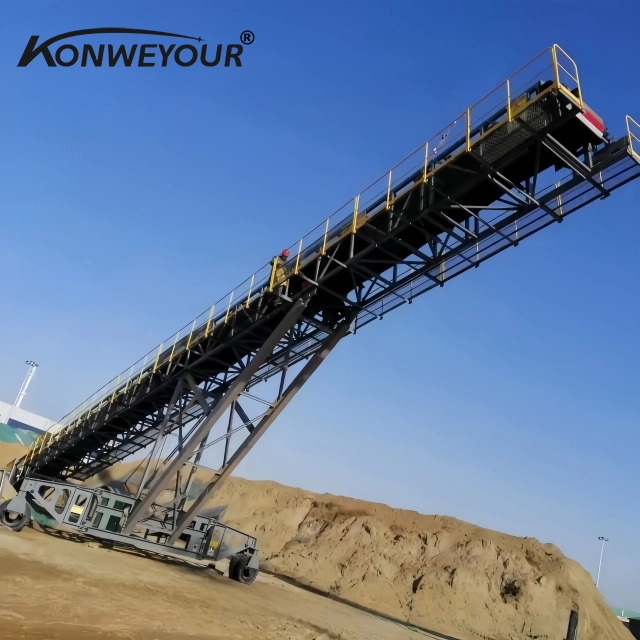
Put simply, a reversible shuttle belt conveyor is a type of transport mechanism that can move items in both directions along its belt. Unlike traditional conveyors which typically move in one direction, the reversible shuttle can shuttle goods back and forth without needing extra equipment or manual intervention.
This versatility fits into modern production lines, warehousing, and even humanitarian scenarios like disaster relief, where materials need to be quickly moved, sorted, or redirected. Think of it as the logistics equivalent of a two-way street — but with fewer traffic jams.
Core Components That Make It Tick
1. Durability and Build Quality
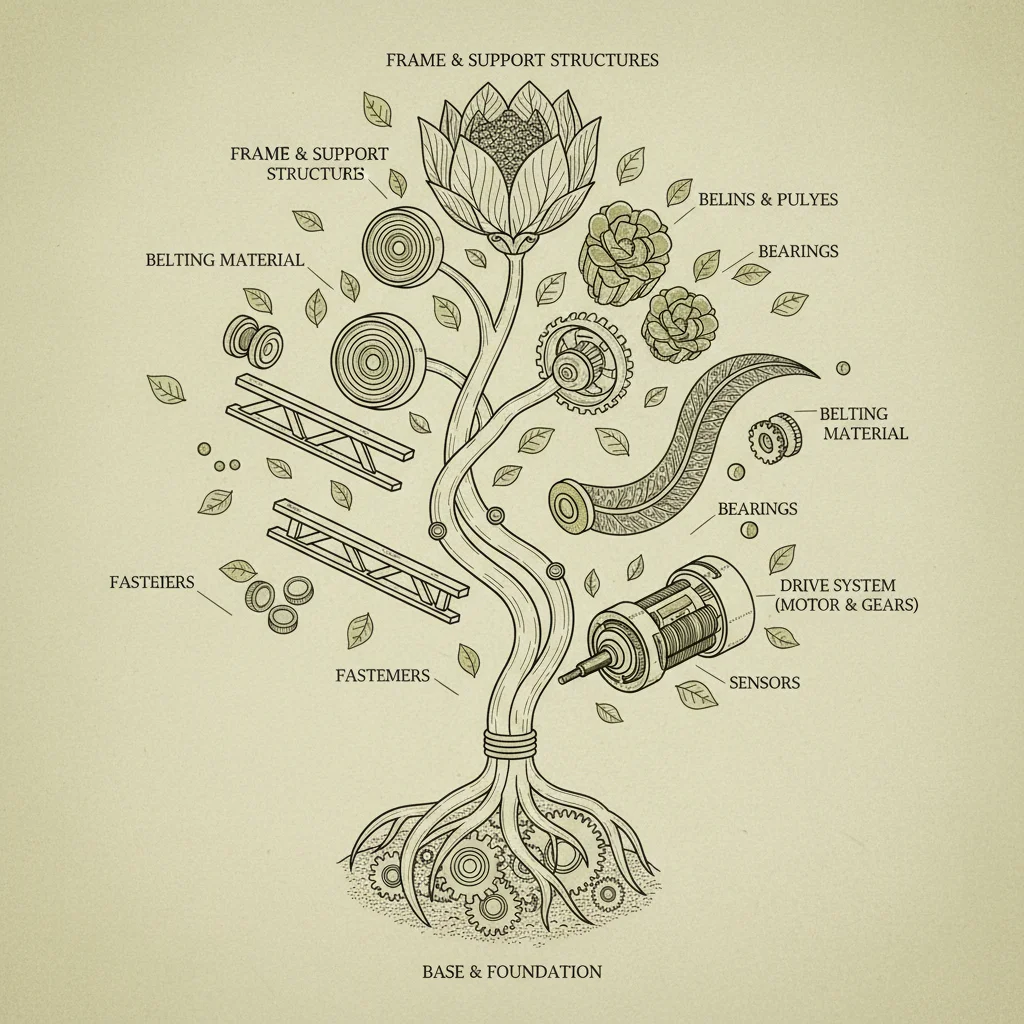
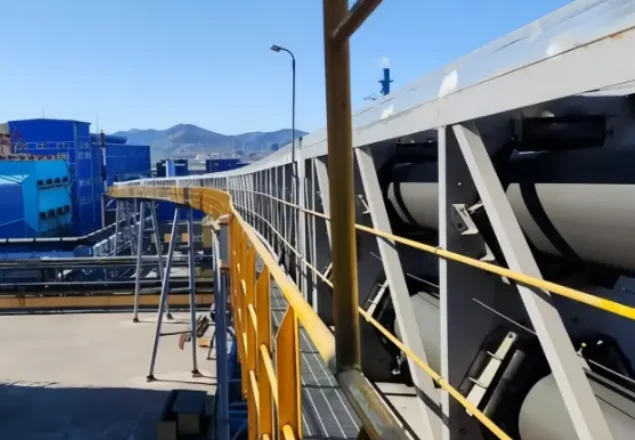
Manufacturers often use heavy-duty steel frames combined with abrasion-resistant belts. It’s critical because these conveyors often handle diverse loads across rough industrial environments.
2. Bidirectional Drive System
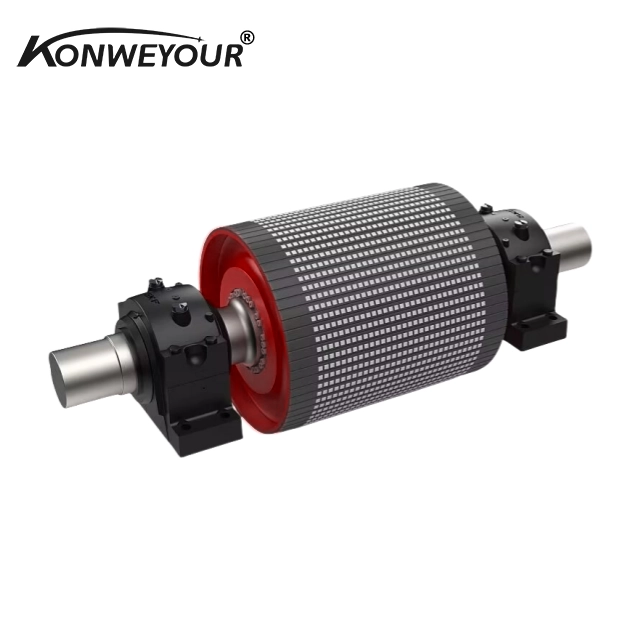
The heart of the reversible shuttle belt conveyor is its ability to reverse belt direction smoothly. Engineers integrate variable frequency drives (VFDs) or servo motors to fine-tune speed and direction, essential for precise material placement.
3. Scalability and Modularity
Many systems are customizable—vendors offer modular designs so companies can add shuttle sections or extend belt lengths without redesigning whole lines.
4. Cost Efficiency Over Time
While the upfront cost might be slightly higher than a simple uni-directional conveyor, the long-term savings from increased operational flexibility and lower labor needs often justify it.
| Specification |
Typical Range / Detail |
| Belt Width |
300 mm - 1200 mm |
| Max Load Capacity |
Up to 1500 kg per meter |
| Speed Range |
0.2 m/s - 2 m/s (adjustable) |
| Power Source |
Electric motor with VFD control |
| Control System |
PLC interface with bidirectional control |
| Material |
Mild Steel Frame / Rubber or PVC Belts |
Mini takeaway: Durability and versatility are built right into the design — making these conveyors flexible enough for a wide range of industries.
Where Are These Conveyors Making a Difference Globally?
In real terms, reversible shuttle belt conveyors show up in diverse sectors:
- Logistics and Warehousing: Companies in North America and Europe use them for sorting parcels, especially during peak seasons.
- Manufacturing Plants: Asian industrial hubs (think China, India) rely on them to manage production line flexibility without redesigning entire systems.
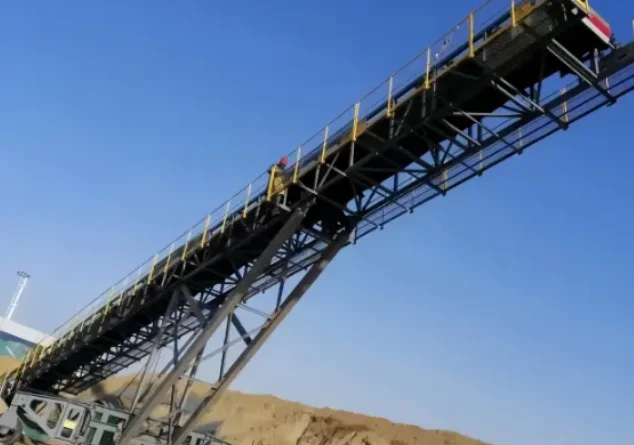
- Construction and Mining: In Australia and South Africa, they transport raw materials, easily reversing direction for loading/unloading.
- Humanitarian Aid: NGOs in disaster-prone places like Southeast Asia use reversible conveyors to quickly move emergency supplies in dynamic environments.
Oddly enough, their adaptability means they even appear in food processing plants, where hygiene and quick changeovers are key.
Vendor Comparison: What Sets Leading Brands Apart?
| Feature |
J.T. Conveyor |
Global Conveyors Inc. |
FlexiMove Solutions |
| Customization Options |
High – Modular & scalable |
Medium – Standard models only |
High – Specialized industrial adaptions |
| Durability (Warranty) |
5 years |
3 years |
4 years |
| Energy Efficiency |
Yes, VFD motors |
No |
Yes |
| Average Lead Time |
4-6 weeks |
6-8 weeks |
5-7 weeks |
| Post-Sale Support |
24/7 Technical Support |
Business hours only |
Online portal & phone |
Why These Conveyors Deliver Real Long-Term Value
When I spoke with some engineers, they stressed that reversible shuttle conveyors don't just shave dollars off expenses, but also provide a sense of reliability and safety. For instance:
- Cost savings: Less labor required for redirecting goods, lower downtime.
- Sustainability: Energy-efficient motors and modularity extend equipment life.
- Social impact: Safer workplaces with fewer manual handling injuries.
- Operational trust: Smooth direction changes mean fewer product jams and damage.
So, their benefit isn’t just about dollars in spreadsheets — it’s about dignity and innovation combining in one belt.
Future Trends Shaping Reversible Shuttle Belt Conveyors Forever
Here’s what’s brewing:
- Greener Materials: Interest in biodegradable belts and recyclable steel keeps growing.
- Automation & IoT: Smart sensors can detect jams or wear in real-time, minimizing downtime.
- Energy Harvesting: Systems capturing regenerative braking energy during reversals.
- Customization via 3D Printing: Faster prototyping and parts replacement.
This matches the global push for less wasteful manufacturing — for instance, ISO 14001 certified companies are leading in integrating this tech for environmental compliance.
Facing Challenges Head-On
It’s not all smooth conveyor belts, though. A few challenges persist:
- Higher initial costs: Customization can stretch budgets.
- Maintenance complexity: Dual-direction drives need regular fine-tuning.
- Space constraints: Not every warehouse layout suits shuttle systems without redesign.
Solutions? Many vendors now offer remote diagnostic tools and modular upgrades to simplify service. And by collaborating early in facility design, engineers address layout concerns proactively — the old “fit it last” approach just doesn’t work.
FAQ: Your Questions On Reversible Shuttle Belt Conveyors Answered
Q1: Can I retrofit an existing conveyor line with a reversible shuttle mechanism?
Yes, but it depends on your current system’s design. Retrofitting might require structural modifications and installation of bidirectional drives. Consulting with a vendor such as reversible shuttle belt conveyor specialists ensures compatibility.
Q2: How long do these conveyors usually last under heavy usage?
With proper maintenance, a typical reversible shuttle belt conveyor can last 7–10 years. Key factors include environmental conditions, load weight, and belt quality.
Q3: Are these conveyors safe for food processing environments?
Absolutely, provided they have food-grade belts and stainless steel frames. Specialized models meet hygiene standards common in the food and pharma sectors.
Q4: How energy-efficient are reversible shuttle belts compared to standard conveyors?
Since they incorporate variable frequency drives and can precisely control motor operation during reversals, they often save 15–25% energy compared to older uni-directional belts.
Wrapping It Up: Why The Reversible Shuttle Belt Conveyor Is Worth the Attention
Ultimately, the reversible shuttle belt conveyor represents more than just a machine. It’s a flexible, future-friendly solution that cuts costs, saves energy, and adapts with industries no matter where in the world you are. Whether you’re streamlining a warehouse in Germany or aiding a relief effort in the Philippines, this type of conveyor means faster, smarter movement.
Curious to see how it can fit your needs? Visit reversible shuttle belt conveyor for details, specifications, and expert consultations tailored just for you.
References
- ISO 14001 Environmental Management
- UN Sustainable Development Goal 12 – Responsible Consumption and Production
- Conveyor Belt - Wikipedia