Revolutionizing Material Transport: The Critical Role of Coal Mine Conveyor Systems and Their Economic Impact
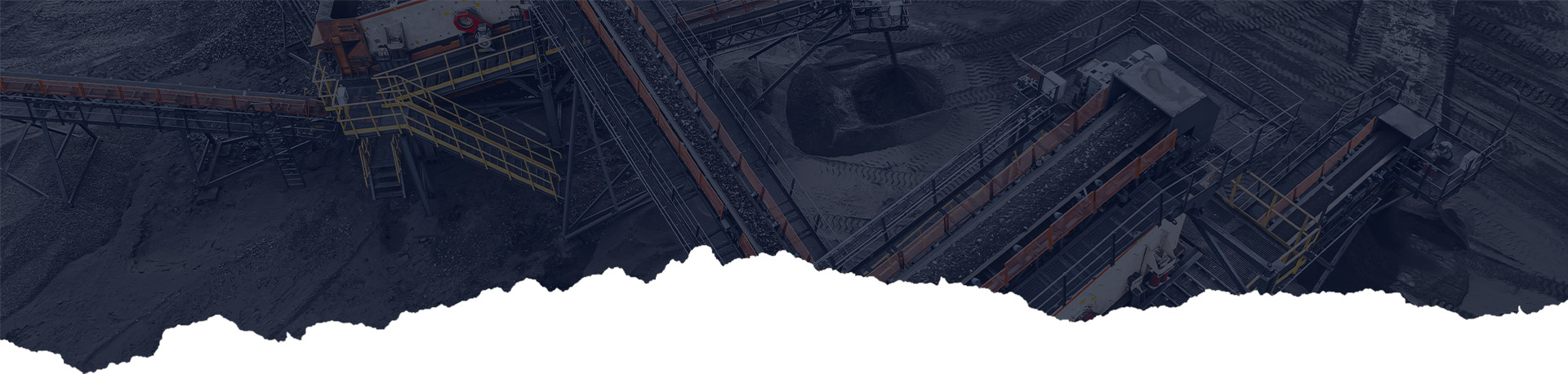
The efficient and safe extraction of coal is fundamentally reliant on robust material handling infrastructure, with the coal mine conveyor system standing as the undisputed backbone. Far from being merely a means of transportation, modern conveyor systems are sophisticated engineering marvels, meticulously designed to optimize operational flow, reduce costs, and enhance safety across the entire mining value chain. Historically, coal transport was laborious, often relying on trucks, rail, or even manual labor within the mine, methods fraught with inefficiencies, high operational costs, and significant safety hazards. The evolution of conveyor technology has progressively mitigated these challenges, transforming mining logistics into a streamlined, continuous process.
The economic ramifications of advanced conveyor systems are profound. Consider the operational shift: conventional methods might incur fuel costs soaring into millions annually for large-scale mines, alongside substantial expenditures on vehicle maintenance, road construction, and driver wages. In stark contrast, an optimized coal mine conveyor system can reduce energy consumption for material transport by as much as 15-20% when compared to trucking over equivalent distances and capacities. This translates directly into millions in annual savings, significantly impacting a mine's profitability and competitive edge. Furthermore, the continuous flow of material offered by conveyors minimizes bottlenecks, enabling higher throughput and more consistent production rates. For instance, a well-designed overland conveyor can move thousands of tons per hour, operating 24/7 with minimal human intervention, a logistical feat impossible for intermittent transport modes. Beyond direct cost savings, the reduction in labor intensity associated with material handling frees up valuable human resources, allowing for their reallocation to more critical, skilled tasks within the mining operation. This strategic deployment of labor further enhances overall productivity and operational efficiency, underscoring the indispensable economic value proposition of cutting-edge conveyor solutions in the coal mining industry.
Unpacking the Engineering Excellence: Core Technical Advantages of Modern Conveyor Solutions
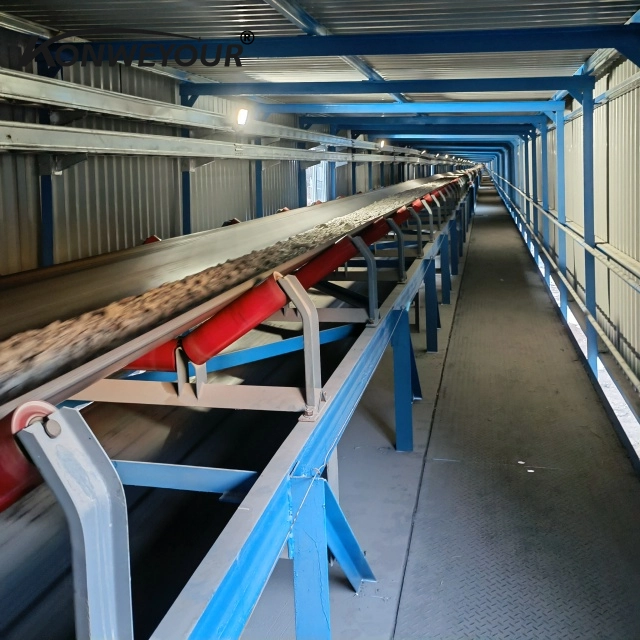
Modern conveyor systems for coal mines represent the zenith of material handling engineering, incorporating a multitude of technical advantages that collectively elevate operational standards. At their core, these systems are designed for reliability, efficiency, and adaptability to the demanding and often hazardous environments of coal extraction. Key to their superior performance is the integration of advanced belt technologies. High-strength steel cord belts, for instance, offer unparalleled tensile strength, enabling longer single-flight conveyors that span several kilometers, drastically reducing the need for costly and complex transfer points. These belts are often equipped with rip detection systems, immediately identifying and mitigating potential damage, thereby preventing catastrophic failures and lengthy downtime.
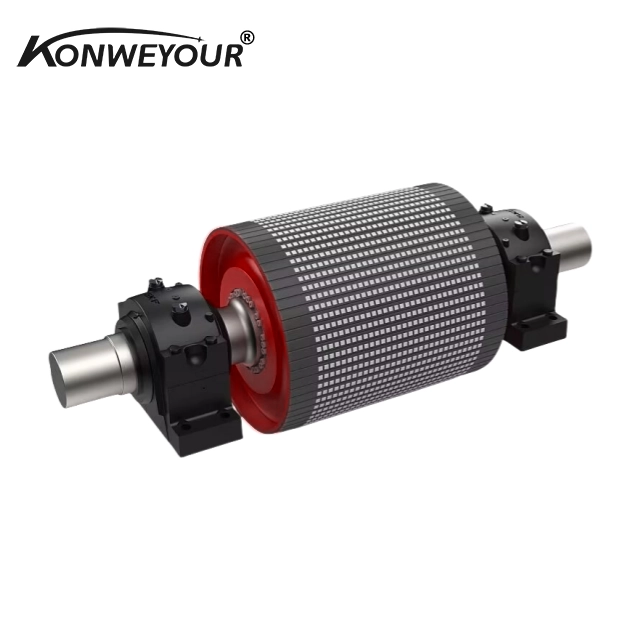
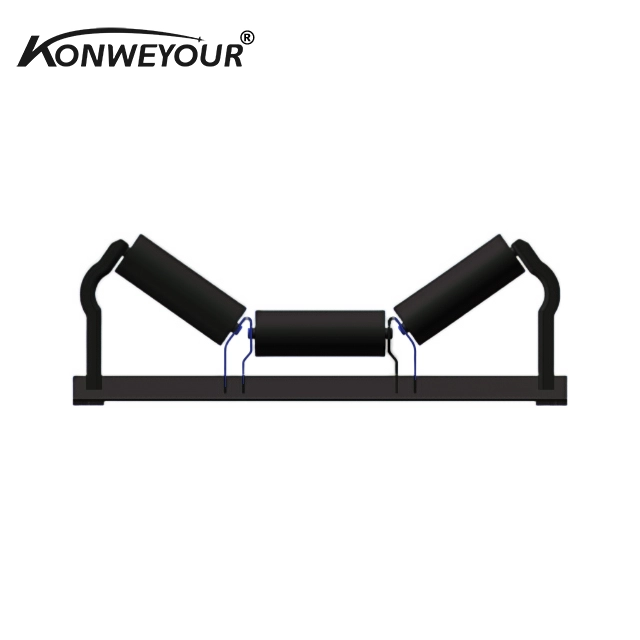
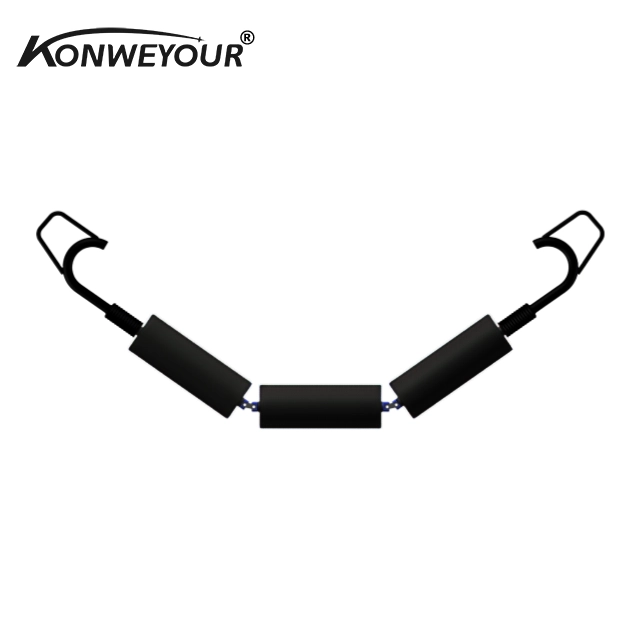
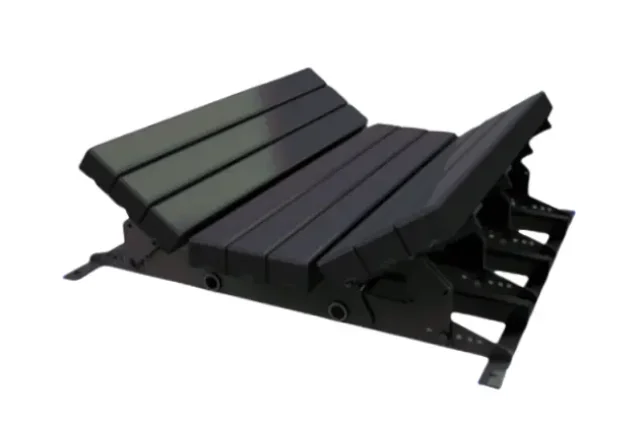
Beyond the belt itself, sophisticated drive systems are paramount. Variable Frequency Drives (VFDs) have become standard, allowing for precise control over belt speed, gentle starts and stops, and optimized energy consumption. This not only extends the lifespan of mechanical components but also significantly reduces the power demand during peak load conditions, leading to considerable energy savings. Idler designs have also seen significant advancements; sealed-for-life bearings reduce maintenance requirements, while specialized troughing and impact idlers ensure proper belt support and absorption of shock loads at loading points, minimizing material spillage and wear. Furthermore, sophisticated tensioning systems, whether hydraulic take-ups or gravity take-ups, maintain optimal belt tension, preventing slippage, improving tracking, and extending the life of the belt and associated components. These combined technical advantages ensure that a modern conveyor system is not just a passive transport mechanism, but an active, intelligent, and highly optimized component of the entire mining infrastructure, engineered to deliver maximum output with minimal intervention and overhead.
Advanced Componentry and System Architectures: Driving Performance and Reliability
The reliability and performance of modern coal mine conveyor systems are intrinsically linked to their advanced componentry and intelligent system architectures. Far from being a mere collection of parts, these systems are integrated networks designed for continuous, high-volume operation under arduous conditions. One critical area of advancement lies in real-time monitoring and diagnostic systems. Integrated sensors — including temperature, vibration, load, and belt tracking sensors — feed continuous data to a centralized control room. This allows operators to monitor the system's health proactively, identify potential issues before they escalate, and schedule predictive maintenance, thereby drastically reducing unscheduled downtime. For instance, a sudden spike in a motor bearing's temperature or an unusual vibration pattern in an idler can trigger an alert, prompting immediate inspection and targeted repair rather than waiting for a complete breakdown.
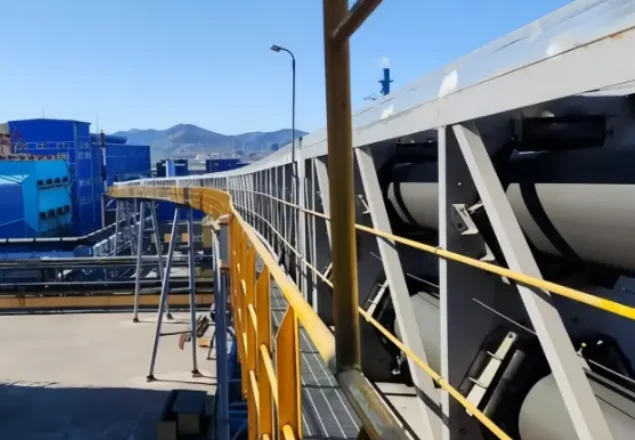
Moreover, the integration of automation and control logic elevates system intelligence. Programmable Logic Controllers (PLCs) and Supervisory Control and Data Acquisition (SCADA) systems manage complex sequences, such as synchronized startup and shutdown, material flow regulation, and emergency response protocols. This level of automation not only reduces the need for constant human supervision but also enhances safety by ensuring consistent operation within specified parameters. Material flow can be optimized through integrated weigh scales and volumetric scanners, providing precise data on tonnage moved and allowing for better inventory management and production planning. Specialized conveyor types, such as pipe conveyors or overland curved conveyors, further exemplify architectural sophistication, allowing for material transport over challenging terrains, around obstacles, or within enclosed spaces to mitigate dust and spillage, demonstrating a commitment to environmental compliance and site-specific operational needs. These sophisticated architectures and robust components ensure that the conveyor system operates not just efficiently, but with an unparalleled degree of reliability and safety, which is paramount in the demanding environment of a coal mine.
Navigating the Market: A Comparative Analysis of Conveyor System Manufacturers
Selecting the right conveyor system for a coal mine involves navigating a complex market, with various manufacturers offering a spectrum of solutions ranging from standardized modules to highly customized, integrated systems. The choice often hinges on specific mine characteristics, budget, desired capacity, and the long-term operational strategy. While a detailed comparison of every single global manufacturer is beyond the scope, a generalized comparative analysis helps illustrate the differentiating factors that procurement teams must consider. The market broadly consists of global conglomerates known for comprehensive, high-end solutions; specialized regional manufacturers often excelling in niche applications or specific components; and local providers focusing on cost-effective, adaptable solutions for smaller-scale operations. Understanding these distinctions is crucial for making an informed investment. The following table provides a conceptual comparison across key performance indicators:
Feature/Category | Global Conglomerate (e.g., Manufacturer A) | Specialized Provider (e.g., Manufacturer B) | Regional/Cost-Optimized (e.g., Manufacturer C) |
Typical Capacity Range (TPH) | Up to 15,000+ | 500 - 8,000 | 100 - 2,500 |
System Lifespan (Years) | 25-40+ (with proper maintenance) | 18-30 | 10-20 |
Automation & Controls | Fully integrated SCADA, AI-driven predictive maintenance, smart sensors | Advanced PLC-based, remote monitoring options | Basic PLC controls, manual override features |
Safety Features | Redundant safety systems, advanced rip/belt tear detection, comprehensive lockout/tagout (LOTO) integration, fire suppression | Standard rip cords, emergency stops, belt misalignment switches | Essential emergency stops, guards |
Customization Flexibility | Extensive, bespoke engineering for complex terrains/requirements | Moderate to High, specific component tailoring | Limited to Standard configurations, modular adjustments |
After-Sales Support & Spares | Global network, rapid response, extensive spare parts inventory, technical training | Regional support, focused spare parts, some training | Local support, basic spare parts, limited training |
Initial Investment | High | Medium | Low to Medium |
Operating Cost (per Ton) | Lowest (due to efficiency & automation) | Medium-Low | Medium |
This comparison highlights a clear trade-off between initial investment, long-term operational costs, technological sophistication, and support infrastructure. Global conglomerates often offer cutting-edge technology, unparalleled reliability, and extensive support networks, but at a higher upfront cost. Specialized providers may offer innovative solutions for specific challenges at a more competitive price point, while regional manufacturers prioritize affordability and straightforward functionality, often suitable for mines with less demanding requirements or constrained budgets. Ultimately, the decision must be data-driven, considering total cost of ownership (TCO), projected production volumes, and the mine's overall strategic objectives.
Tailored Engineering: Crafting Bespoke Conveyor Solutions for Unique Mine Requirements
Every coal mine presents a unique set of challenges, from geological formations and excavation methods to environmental conditions and logistical constraints. Recognizing this, the concept of "one-size-fits-all" is largely obsolete in modern conveyor system procurement. Instead, tailored engineering and customization have become paramount, ensuring that the material handling solution precisely aligns with the mine's specific operational demands. A bespoke conveyor system is not simply an assembly of standard components; it is a meticulously designed infrastructure optimized for maximum efficiency and longevity in its particular operating context.
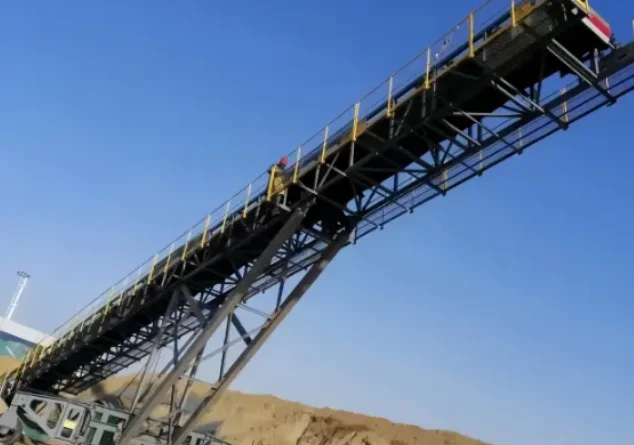
Customization begins with a thorough site assessment. This involves detailed geotechnical analysis to understand ground stability for overland conveyors, comprehensive surveying for optimal routing (considering inclines, declines, and curves), and an evaluation of environmental factors such as ambient temperatures, dust levels, and moisture. For underground operations, tunnel dimensions, ventilation requirements, and explosion-proof certifications heavily influence design choices. For instance, a mine with extremely challenging topography might benefit from a pipe conveyor system, which can navigate tight curves and steep inclines while fully enclosing the material, minimizing spillage and dust emission. Conversely, a large open-pit mine might require an extensive overland system featuring multiple transfer points or a high-angle conveyor to move material from the pit bottom to the surface efficiently. Belt material selection is also critical; while standard rubber belts are common, specialized compounds may be required for extreme abrasion resistance or fire retardancy, depending on the coal type and safety regulations.
Furthermore, integration with existing mine infrastructure is a key aspect of customization. This includes seamless interface with crushers, stackers, reclaimers, and loading facilities. Control systems must be compatible with the mine's existing SCADA network, ensuring unified operational oversight. Even seemingly minor details, such as the specific type of idler frames, cleaning systems, or skirting, are often customized to address particular challenges like sticky material buildup or excessive carryback. By collaborating closely with engineering teams and leveraging advanced simulation software, manufacturers can design, model, and predict the performance of a tailored conveyor solution, ensuring it meets or exceeds all performance specifications while optimizing capital expenditure and long-term operational costs.
Real-World Deployment: Illustrative Case Studies of Conveyor System Efficacy
The theoretical advantages of advanced conveyor systems manifest most clearly in their real-world applications across diverse coal mining scenarios. These case studies highlight not only the technical prowess but also the strategic impact of well-implemented material handling solutions. Consider a large-scale open-pit coal mine in Australia facing increasing haulage distances as the pit deepened. Initially reliant on a vast fleet of haul trucks, the mine was experiencing escalating fuel costs, maintenance overheads, and significant carbon emissions. By integrating a 15-kilometer overland conveyor system capable of moving 6,000 tons per hour, the mine achieved a remarkable transformation. The truck fleet was drastically reduced by 70%, leading to an estimated 35% reduction in operational costs related to material transport and a significant decrease in environmental footprint. Furthermore, the continuous flow ensured consistent delivery to the processing plant, improving overall plant utilization by 12% and contributing to an uplift in annual production capacity.
Another compelling example comes from an underground longwall coal mine in North America, where safety and operational efficiency within confined spaces are paramount. This mine implemented a fully automated panel conveyor system, integrating a series of armored face conveyors (AFCs) and a gate belt conveyor, all synchronized with the longwall shearer. The system featured advanced rip detection on the gate belt, real-time dust suppression at transfer points, and a comprehensive emergency stop network. The benefits were tangible: a 25% reduction in personnel exposure to high-risk areas compared to previous semi-manual methods, a 10% increase in daily production tonnage due to seamless material removal, and a noticeable improvement in air quality at the working face. The integration of predictive maintenance sensors on critical components also resulted in a 40% reduction in unscheduled downtime for the conveyor system over a two-year period, significantly enhancing the mine's overall output reliability.
Finally, a port loading facility tasked with exporting coal required a system capable of rapid, high-volume transfer from railcars to ocean-going vessels while minimizing environmental impact. They adopted a pipe conveyor system that not only provided a completely enclosed material stream, eliminating dust emissions during loading, but also navigated a complex urban landscape with tight turns and elevation changes, a feat impossible for traditional trough conveyors. This system achieved loading rates of 4,000 TPH, reducing ship turnaround times by an average of 18 hours per vessel and significantly cutting demurrage costs. These diverse application cases unequivocally demonstrate that modern conveyor systems are not merely commodities but strategic assets that drive efficiency, safety, and profitability across the entire coal mining and logistics spectrum.
Pioneering the Future: Innovations and the Evolving Landscape of Coal Mine Conveyor Technology
The evolution of material handling in the coal industry is far from stagnant. The future of coal mine conveyor technology is being shaped by relentless innovation, driven by demands for increased automation, enhanced safety, greater energy efficiency, and improved environmental compliance. One of the most significant trends is the continued integration of Artificial Intelligence (AI) and Machine Learning (ML). These technologies are moving beyond mere predictive maintenance, enabling self-optimizing conveyor systems that can adapt their speed, load distribution, and energy consumption in real-time based on fluctuating production demands, material characteristics, and external factors. Imagine a system that intelligently adjusts belt tension or cleaning cycles based on historical data patterns and current operational conditions, minimizing wear and maximizing throughput without human intervention. This shift towards autonomous operation promises to unlock unprecedented levels of efficiency and reduce operational uncertainties.
Further advancements are anticipated in sensor technology. Miniaturized, ruggedized, and wireless sensors will become ubiquitous, monitoring everything from individual idler bearing health to belt integrity and material properties, providing a more granular and comprehensive digital twin of the entire conveyor line. Drone-based inspections, coupled with AI vision systems, are already emerging for large overland conveyors, identifying anomalies and potential issues over vast distances more rapidly and safely than manual inspections. In terms of materials science, the development of even more durable, lighter, and energy-efficient belt compounds will further extend the lifespan of systems and reduce power requirements. For instance, novel composite materials could offer superior abrasion and cut resistance, drastically cutting down on repair frequency. Moreover, the increasing focus on sustainable mining practices will drive innovation in energy recovery systems, where regenerative braking on decline conveyors can feed power back into the grid, transforming energy consumption into energy generation. The convergence of these technological breakthroughs will define the next generation of coal mine conveyor systems, solidifying their role not just as transport mechanisms, but as intelligent, integral components of a smart, safe, and sustainable mining operation, continually pushing the boundaries of what is possible in bulk material handling.
Frequently Asked Questions about Coal Mine Conveyor Systems
What types of coal mine conveyor systems are commonly used?
Common types include troughed belt conveyors for bulk material handling, pipe conveyors for enclosed transport and navigating curves, overland conveyors for long-distance surface transport, and armored face conveyors (AFCs) for moving coal directly from the longwall face in underground mines. Each type is selected based on specific operational needs, terrain, and safety requirements.
How do modern coal mine conveyor systems improve safety?
Modern systems incorporate advanced safety features such as rip detection, emergency stop pull cords, belt misalignment switches, integrated fire suppression systems, and comprehensive guarding. Automation reduces human exposure to hazardous areas, while real-time monitoring helps prevent failures. Explosions-proof designs are standard for underground coal mine conveyor applications.
What are the primary benefits of investing in an advanced coal mine conveyor system?
Key benefits include significantly reduced operational costs (fuel, labor, maintenance), increased material throughput and production consistency, enhanced safety for personnel, lower environmental impact (reduced emissions, dust control), and greater energy efficiency. The continuous flow minimizes bottlenecks and optimizes overall mining logistics.
Can coal mine conveyor systems be customized for specific mine conditions?
Absolutely. Customization is a core aspect of modern conveyor design. Systems are tailored to specific mine layouts (inclines, declines, curves), material characteristics, environmental conditions (temperature, moisture, dust), and integration requirements with existing crushing, screening, and loading infrastructure. This ensures optimal performance and longevity.
What role does automation play in contemporary coal mine conveyor operations?
Automation, driven by PLCs and SCADA systems, enables precise control over belt speed, material flow, and emergency responses. It facilitates continuous monitoring, predictive maintenance, and self-optimization, reducing the need for manual intervention, improving system reliability, and enhancing overall operational efficiency and safety.
How do conveyor systems address environmental concerns in coal mining?
Conveyors contribute to environmental protection by significantly reducing carbon emissions compared to diesel trucks. Enclosed systems like pipe conveyors minimize dust emissions and spillage, protecting air quality and surrounding ecosystems. Energy-efficient drives and potential for regenerative braking further reduce the carbon footprint of coal mine conveyor operations.
What is the typical lifespan of a coal mine conveyor system, and what affects it?
With proper design, installation, and maintenance, a modern coal mine conveyor system can have a lifespan of 20-40 years for structural components, with belts and idlers requiring periodic replacement. Factors affecting lifespan include operational intensity, material abrasiveness, environmental conditions, maintenance frequency, and the quality of initial components.