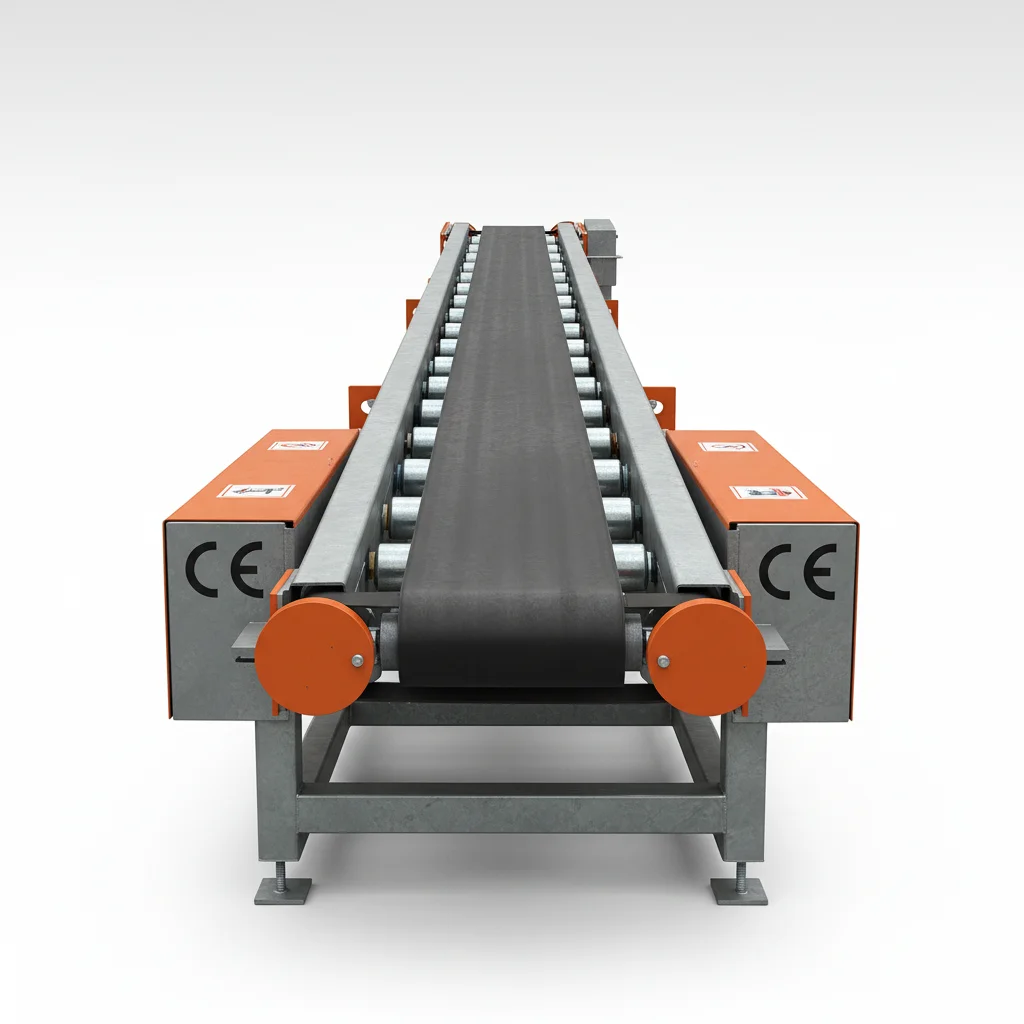
What Is a Universal Belt Conveyor and Why It Matters Worldwide
In a world that depends on quickly moving goods—whether raw materials in heavy industry or parcels zipping across fulfillment centers—the universal belt conveyor plays an understated yet vital role. Its global importance can’t be overstated: conveyors keep factories humming, ports efficient, and post-disaster aid flowing. Understanding this equipment means getting to the heart of modern supply chains and logistics frameworks.
These conveyors, famous for their adaptability, handle everything from gravel to electronics with ease. Their universal nature means they can be customized or scaled to almost any capacity, fitting industries across continents. If you’ve ever wondered how your online order arrives so fast, these machines are often in the backstage, quietly moving millions of items every day.
Setting the Stage: The Global Relevance of Universal Belt Conveyors
According to the International Organization for Standardization (ISO), supply chain inefficiencies cost global businesses upwards of 10% of their annual revenue—that's roughly $1.5 trillion worldwide. Much of this waste stems from outdated or inflexible transport methods inside plants and warehouses. Enter the universal belt conveyor: a flexible solution adaptable to diverse industries, from mining in Australia to pharmaceutical packing in Germany.
Moreover, reports from the United Nations highlight the growing need for resilient infrastructure that can respond rapidly in disaster zones or remote locations. Conveyors that suit quick assembly and versatile deployment have begun to address these critical challenges. Yet, moving bulk goods efficiently across complicated layouts remains a hurdle for many enterprises—and that’s exactly where these systems shine.
Mini takeaway:
- The universal belt conveyor addresses global supply chain inefficiencies by offering flexible, scalable material handling.
- Its adaptability is increasingly crucial in both industrial and humanitarian contexts.
What Exactly Is a Universal Belt Conveyor?
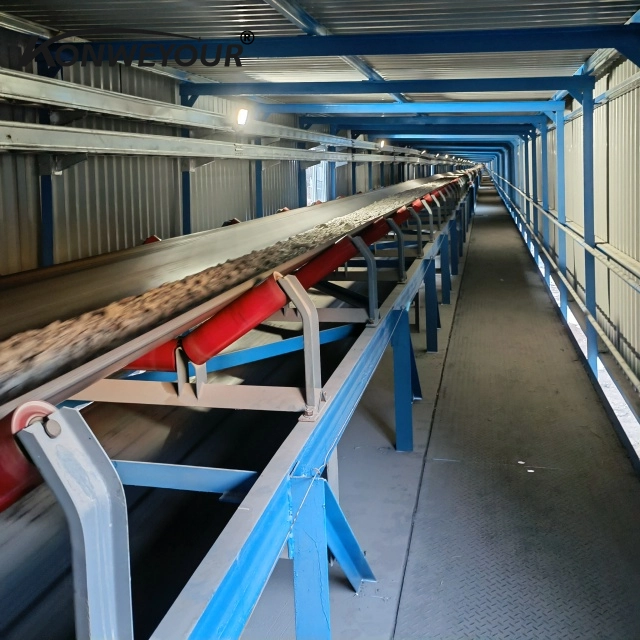
At its core, a universal belt conveyor is a material handling device featuring a continuous rubber or fabric belt looped around rollers. This belt moves products steadily from point A to point B. What sets the "universal" label apart is its design flexibility—it's engineered to handle a vast array of materials, sizes, weights, and operational environments.
This versatility connects deeply to modern industry demands, where factories no longer deal with just one type of product but often many. It’s also critical in relief efforts after natural disasters, where rapid movement of supplies over rough terrains is needed urgently. In effect, these conveyors serve as the conveyor belts of globalization itself, keeping economies and aid efforts moving.
Core Components and Key Factors That Make Them Tick
1. Durability
Many engineers I’ve talked to emphasize the importance of tough belt materials—like reinforced PVC or nitrile—because these withstand abrasion, chemicals, and even high temperatures in power plants or mining operations. The frame often uses corrosion-resistant steel for longevity.
2. Scalability
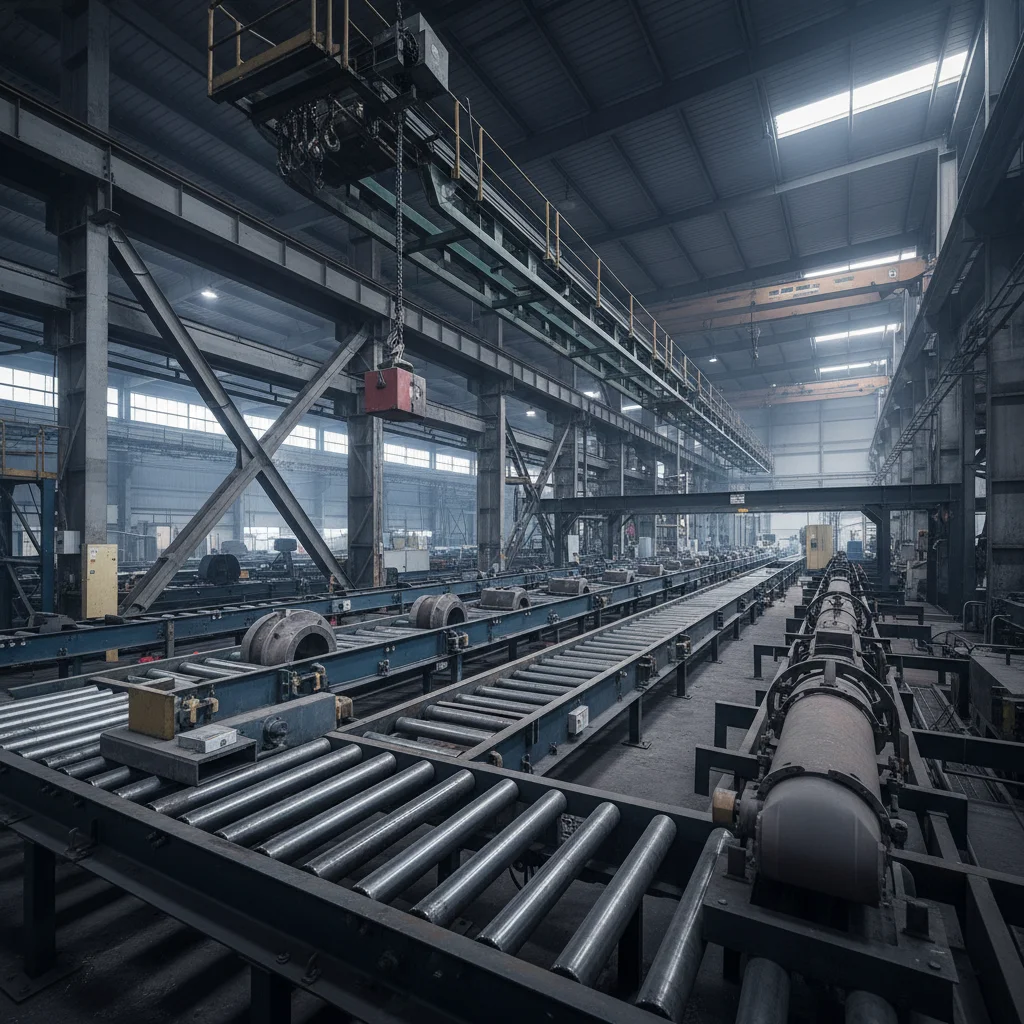
Universal belt conveyors range from small sorting lines in warehouses to massive, kilometer-long overland conveyors connecting mines and ports. Modular construction helps companies add or remove sections without rebuilding entirely.
3. Cost Efficiency
Compared to forklifts or trucks used indoors, conveyors simply consume less energy in continuous operation and reduce manual labor needs, lowering operational expenses significantly. Their longevity also cuts replacement costs.
4. Adaptability
Adjustable belt speeds, widths, and side guards mean materials as fragile as glassware or as chunky as coal can be safely transported with minimal damage or spillage.
5. Ease of Maintenance
Many universal belt conveyors come with quick-release rollers and straightforward belt replacement to minimize downtime—vital for industries running 24/7 shifts.
Mini takeaway:
- Materials, scale, operational costs, and maintenance dictate the conveyor’s practicality in real-world settings.
- The universal design balances multiple demands, from fragile goods to rugged bulk items.
Universal Belt Conveyor in Action: Real-World Applications
Across continents, these conveyor systems form the arteries of numerous industries:
- Mining in South America: Massive universal belt conveyors transport iron ore hundreds of meters downhill efficiently, connecting extraction points to railheads.
- Food processing in Europe: Delicate conveyors move baked goods gently through automated wrapping lines without damage.
- Post-disaster relief in Southeast Asia: Quickly assembled conveyors help move relief supplies from ports directly to affected inland areas, accelerating distribution efforts.
- Automotive manufacturing in North America: Complex conveyor loops transport car parts just-in-time, improving assembly efficiency.
- Warehousing and e-commerce worldwide: Adapted universal belt systems speed up sorting and packing with integration into robotic picking systems.
Mini takeaway:
- The universal belt conveyor’s strength is its flexibility across industry sectors and geographies.
- I’ve noticed a growing trend in aid agencies adopting modular conveyors for disaster zones, which is a promising development.
Advantages and Long-Term Value You Can Count On
These conveyors not only save money—they foster sustainability and social good. Mechanized belt lines consume less energy and reduce workplace injuries versus manual handling. In factories, safer, consistent material movement improves worker confidence and reduces downtime.
The technology also helps companies meet increasingly strict environmental standards by minimizing packaging waste and spillage through smoother material flow. Emotionally speaking, there’s something reassuring about watching well-oiled logistics keeping the shelves stocked and supplies moving—trustworthy tech behind the scenes.
Universal Belt Conveyor: Key Product Specifications
| Specification |
Details |
| Belt Width |
300 mm to 2000 mm |
| Maximum Load Capacity |
Up to 5,000 kg per meter |
| Speed Range |
0.1 to 5 m/sec |
| Material Options |
PVC, PU, Nitrile, Rubber |
| Frame Material |
Galvanized / Stainless Steel |
| Customization |
Modular sections, End drives, Curved belts |
Leading Vendors Compared: What to Expect
| Feature |
Vendor A |
Vendor B |
Vendor C |
| Customization Options |
High |
Medium |
Medium-High |
| Lead Time |
6-8 weeks |
4-6 weeks |
8-10 weeks |
| Price Range |
$$$ |
$$ |
$$$$ |
| Sustainability Focus |
Yes, recyclable components |
Limited |
Yes, energy-efficient motors |
| Warranty |
2 years |
1 year |
3 years |
The Future of Universal Belt Conveyors: What’s Next?
Looking ahead, automation and sustainability are the watchwords. Imagine conveyors embedded with IoT sensors feeding real-time data back to smart factory management systems, anticipating maintenance needs before breakdowns happen. Add in AI-assisted speed and load adjustments to optimize energy use and reduce material wear.
New eco-friendly belt materials combining biodegradable polymers or recycled composites are beginning to enter testing phases, potentially reducing plastic waste considerably. Renewable energy-powered conveyor drives (solar & wind hybrids) might be the next frontier, especially for remote sites where grid power is unreliable.
Challenges and How Experts Are Addressing Them
Of course, no tech is without its quirks. Dust buildup, belt misalignment, and emergency stop reliability can trip up operations, especially in dusty or corrosive environments. However, improvements in dust extraction systems and predictive analytics have helped reduce unplanned downtime. Many operators share that investing in proactive training and modular components makes their systems more resilient.
FAQ: Frequently Asked Questions About Universal Belt Conveyors
- How quickly can a universal belt conveyor system be deployed on-site?
- Deployment time varies, but modular conveyors are designed for fast assembly, often installable within days to weeks, depending on system complexity and site prep. This speed allows agile response in warehouses or relief scenarios.
- Can universal belt conveyors handle extreme weather conditions?
- Yes, with proper customization using weather-resistant materials and protective covers, they operate reliably in rain, dust, or even subzero conditions. Industrial-grade coatings help extend frame life outdoors.
- Are these conveyors energy efficient?
- Generally, yes. Compared to forklift or manual handling, conveyors consume less energy for continuous loads. Innovations such as regenerative braking and variable speed drives further enhance efficiency.
- What maintenance practices ensure long conveyor lifetimes?
- Routine inspections for belt tension, roller condition, and lubrication, combined with quick component replacements, help avoid wear-related failures. Predictive maintenance technology is gaining traction for uptime boosts.
- How customizable are universal belt conveyors for unique industry needs?
- These systems are highly customizable—from belt width and speed to layout curves and incline options—tailored to specific product types and processing steps. Vendors commonly offer detailed engineering consults.
Wrapping It Up: Why Investing in a Universal Belt Conveyor Makes Sense
Ultimately, a universal belt conveyor offers unmatched flexibility, efficiency, and reliability to industries everywhere. It’s a key enabler of smoother, faster logistics and plays a surprisingly big role in economic resilience and humanitarian supply chains. If you’re interested in exploring a system that fits your unique needs, I invite you to check out universal belt conveyor solutions available today.
Stick with conveyors—the humble heroes keeping the world moving, quietly but powerfully.
References
- International Organization for Standardization (ISO)
- United Nations Infrastructure Development Reports
- Belt Conveyor (Wikipedia)