Understanding the Head Pulley Belt Conveyor: Why It Matters in Today’s Global Industry
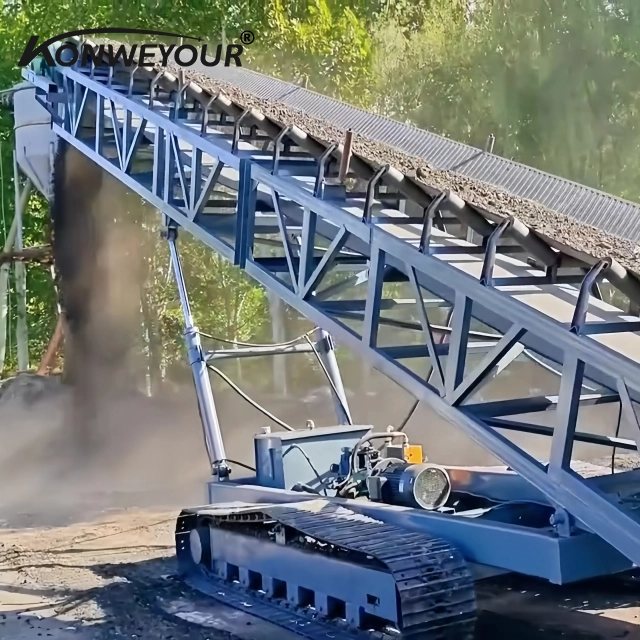
If you’ve ever marveled at how enormous amounts of material get moved around vast mining sites, factories, or shipping yards, you’ve witnessed the wonders of conveyor systems — key among them, the head pulley belt conveyor. It's that crucial point where the belt’s journey ends, transferring material onward, keeping production lines humming. Globally, industries depend on these systems for efficiency, safety, and cost-effectiveness — from coal mines in Australia to grain terminals in Canada. Grasping how a head pulley belt conveyor functions isn’t just technical trivia. It sheds light on how modern supply chains maintain their rhythm, saves vast amounts of energy, and even supports humanitarian logistics in disaster zones.
### Introduction: The Global Relevance of Head Pulley Belt Conveyor Systems
Look around any heavy industry worldwide—mining, bulk material handling, recycling, or manufacturing—and you’ll find conveyors in action. According to the International Organization for Standardization (ISO), conveyor systems streamline over 60% of bulk material transportation globally, reducing manual labor and slashing workplace accidents. Even the UN’s reports on sustainable infrastructure indirectly touch on conveyor technologies, highlighting machinery that lessens environmental footprints by optimizing energy use and reducing spillage waste.
Yet, here’s the rub: Conveyor inefficiencies, especially at key junction points like the head pulley, can lead to costly downtime, increased wear and tear, or safety hazards. These “endpoints” often endure the most stress, making the quality and design of head pulley belt conveyors critical to global supply chains’ health.
### What Exactly Is a Head Pulley Belt Conveyor?
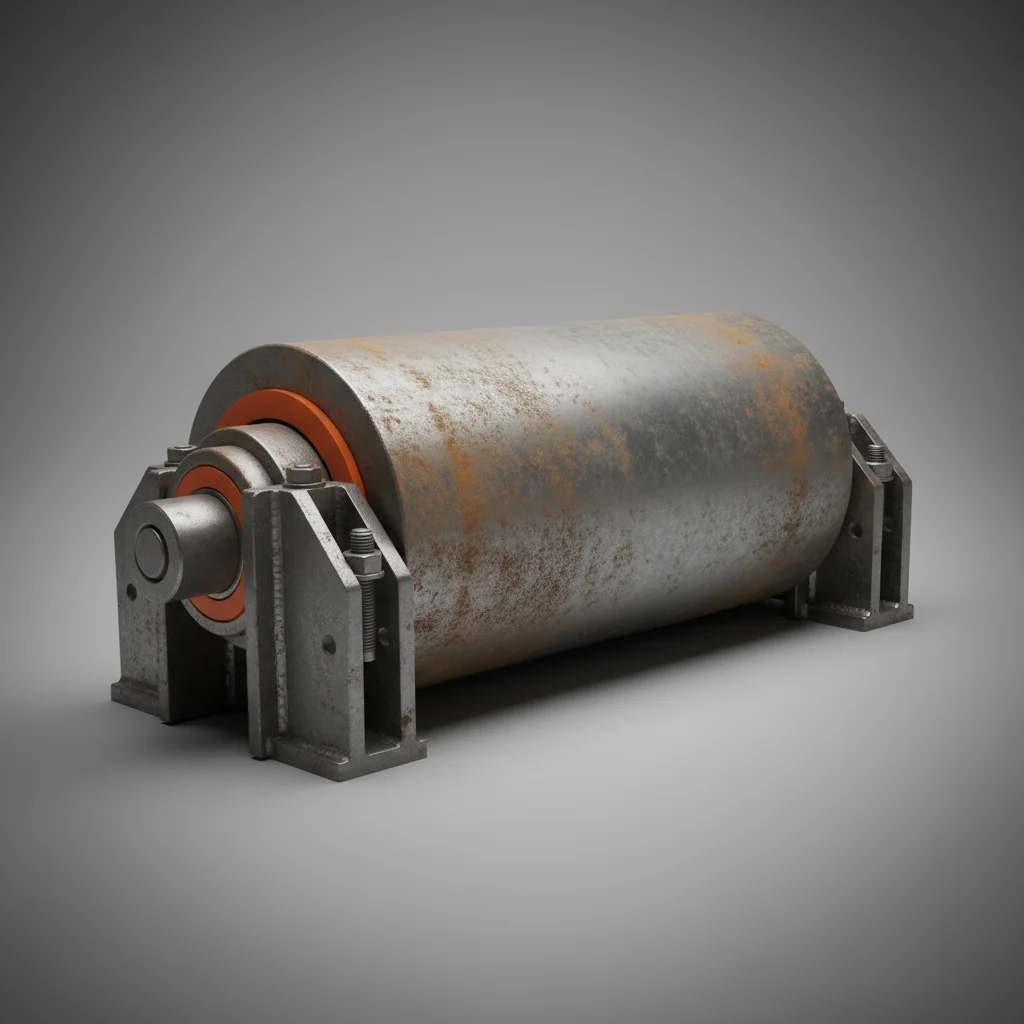
In plain terms, a head pulley belt conveyor is the rotating drum positioned at the discharge end of a conveyor belt, pulling the belt and material forward. Its main task? To “head” the belt’s movement, often powering the entire conveyor line. It typically includes components like the pulley shaft, lagging surface (which grips the belt), and bearings.
In modern industry, this isn’t just a mechanical part—it’s a linchpin for continuous material flow, impacting everything from mining throughput to grain export speeds. Interestingly, even in humanitarian contexts, modular conveyor systems with adaptable head pulleys help expedite relief material handling during emergencies.
### Core Components of a Head Pulley Belt Conveyor
1. Durability and Material Selection
The head pulley faces abrasive materials and sometimes harsh weather conditions. Engineers favor steel or composite materials with wear-resistant lagging to prolong lifespan. This matters greatly in heavy-duty mining or recycling plants, where downtime equals lost millions.
2. Power and Torque Handling
The head pulley must withstand variable loads, especially during start-ups or material surges. Precision bearings and motor coupling ensure smooth transmission and reduced energy loss.
3. Maintenance Accessibility
Modern designs increasingly emphasize easy inspection — a simple pulley cover or quick bearing replacements. It’s a lifesaver for maintenance teams working long shifts or in remote locations.
4. Scalability and Customization
Not all conveyors are created equal — the head pulley needs to accommodate different belt widths and speeds. Many manufacturers now offer modular designs that can be adapted or scaled for future expansion.
5. Safety Features
Since these components endure high pressure and rotation, incorporating fail-safes like protective guards and automated shutdown sensors is becoming standard — especially crucial in regions following strict ISO safety guidelines.
### Global Applications & Real-Life Use Cases
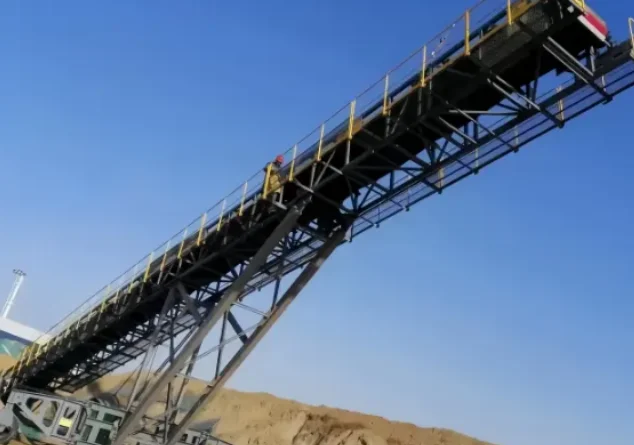
- Mining in Chile: Heavy head pulley belt conveyors move crushed ore over several kilometers before processing. Chile’s copper mines rely on continuous operation, so pulleys are specially treated with rubber lagging for grip and reduced spillage.
- Agricultural Ports, Europe: Grain terminals employ belt conveyors with head pulleys designed for gentle material handling, preventing kernel breakage—a key factor for export quality.
- Post-Disaster Relief in Asia: Portable conveyor setups with flexible head pulleys enable rapid unloading of supplies, reducing logistical bottlenecks during floods or earthquakes.
- Recycling Plants in North America: With materials of varying size and texture, pulleys must resist jamming and wear; some facilities use polyurethane pulleys that last longer in abrasive environments.
### Mini Takeaway: The head pulley belt conveyor is more than a simple drum. It is often the heartbeat of industrial material movement, critical to efficiency and safety on a global scale.
### Advantages & Long-Term Value
Why invest in reliable head pulley belt conveyors? First, cost savings over time—less wear means fewer replacements and less downtime. Then, the social aspect; conveyors reduce manual loading hazards, improving worker safety and dignity. Environmentally, many modern pulleys use lagging materials designed to reduce belt slippage and energy consumption. This directly supports sustainability goals cited by ISO 14001 standards.
Moreover, innovation breeds trust. When terminals consistently deliver material on time, stakeholders—from shareholders to offshore customers—have confidence in the supply chain’s integrity. It’s not just about metal parts but the entire system’s reliability.
### Future Trends & Innovations to Watch
1. Smart Sensors & IoT Integration: Sensors embedded in head pulleys can monitor temperature, vibration, and load in real time — predicting maintenance needs before breakdowns occur. This digital transformation promises fewer surprises.
2. Eco-Friendly Materials: Biodegradable or recycled composites for pulley lagging reduce environmental impact without sacrificing performance.
3. Energy Efficiency Through Design Optimization: New pulley geometries and surface treatments help cut energy requirements by minimizing belt slippage, which can be significant over a conveyor’s lifetime.
4. Automation & Remote Operation: Automated tension adjustments and pulley diagnostics enable smarter factories and remote mining operations.
### Challenges & Solutions
Despite progress, challenges linger. Pulley wear from abrasive materials or contamination is common, especially in harsh climates. In dusty mines, dust ingress can degrade bearings rapidly. Thankfully, sealed bearing housings and advanced lubricants extend service life. Another frequent issue is pulley misalignment causing belt mistracking; laser alignment tools and conveyor monitoring systems offer practical fixes.
### Product Specification Table
| Specification |
Typical Value |
Notes |
| Pulley Diameter |
300–1200 mm |
Depends on belt width & speed |
| Material |
Carbon Steel / Composite |
With various lagging options |
| Bearing Type |
Sealed Roller Bearings |
Reduces maintenance |
| Max Load Capacity |
Up to 1500 kN |
Varies by design |
| Operating Temperature |
-30°C to 80°C |
Suitable for most environments |
### Vendor Comparison Table
| Vendor |
Material Options |
Customization Level |
Warranty |
Price Range |
| ConveyorPro |
Steel & Composite |
High (Modular systems) |
3 Years |
$$$ |
| BeltMaster |
Carbon Steel only |
Medium |
2 Years |
$$ |
| Global Conveyors Inc. |
Composite & Rubber Lagging |
Custom engineering |
5 Years |
$$$$ |
### FAQ: Frequently Asked Questions About Head Pulley Belt Conveyor
Q1: How often should the head pulley be inspected?
A1: Generally, conveyor experts recommend a thorough inspection every 3 to 6 months, focusing on lagging wear, bearing condition, and alignment. Harsh environments may require more frequent checks.
Q2: Can I use the same head pulley for different belt widths?
A2: Not usually. Head pulleys are typically designed for specific belt widths and loads. However, modular or custom solutions can accommodate adjustments in some systems.
Q3: What maintenance reduces downtime for a head pulley?
A3: Regular lubrication of bearings, monitoring pulley lagging condition, and ensuring correct tension/alignment of the belt are key steps. Using condition-monitoring sensors can also predict issues early.
Q4: Are head pulley conveyor systems energy efficient?
A4: Yes—especially modern systems that use optimized pulley geometry, lagging to reduce slippage, and smart controls. This can cut energy use significantly compared to older models.
Q5: Which industries benefit most from head pulley improvements?
A5: Mining, agriculture, manufacturing, recycling, and logistics especially value advancements because these sectors rely heavily on continuous bulk material movement.
### Conclusion + Call to Action
In real terms, the head pulley belt conveyor is a humble, yet essential, piece of heavy machinery that keeps whole industries moving forward—saving time, money, and often even lives through reliability and efficiency. Whether you’re upgrading an aging system or designing a new facility, choosing the right head pulley can transform your operation.
For a closer look at specialized solutions tailored to your needs, visit our website:
head pulley belt conveyor — and let’s keep your materials moving smoothly.
### Mini Takeaway: The head pulley belt conveyor may not grab headlines, but it anchors much of the world’s industrial flow. Investing in its quality reverberates through efficiency, safety, and sustainability for years.
References:
1. Wikipedia - Conveyor Belt
2. ISO 5048 - Belt Conveyors for Bulk Materials
3. UN Statistical Division - Infrastructure Data