Understanding the Idler Spacing Belt Conveyor: More Than Just Moving Material
At first glance, an idler spacing belt conveyor might sound like a niche technical term — and sure, it’s not something you’d bring up at your next dinner party. But in the world of material handling, it’s a fundamental piece of the puzzle that keeps industries moving, production lines humming, and humanitarian efforts effective worldwide. The idea of idler spacing relates directly to the arrangement of rollers (idlers) beneath the conveyor belt — a tiny detail with a big impact.
Why does it matter globally? Industries from mining in Australia to food processing in Europe, and logistics hubs in North America rely on conveyors optimized with correct idler spacing for efficiency, cost control, and safety. That spacing influences how materials are supported and transported, how much wear the belt experiences, and ultimately how reliable and long-lasting the system is. Understanding this isn’t just a mechanical concern; it’s a cornerstone of industrial effectiveness and environmental responsibility.
Mini takeaway:
- Idler spacing is a subtle but critical factor in conveyor system performance.
- Its global importance spans manufacturing, mining, logistics, and disaster relief.
The Global Perspective: Why Proper Conveyor Design Matters More Than Ever
Industries worldwide moved nearly 20 billion tons of bulk materials in 2022 alone using belt conveyors (source: International Organization for Standardization - ISO 5048). That’s not just a stat; it’s an indicator of an entire global supply chain’s heartbeat. From iron ore to packaged goods, conveyors are quietly supporting economies.
The competition to maximize throughput while minimizing downtime is fierce. Incorrect idler spacing can vastly increase premature belt failure, higher energy costs (due to more friction), and maintenance headaches. In remote or disaster-stricken regions, the stakes are even higher: reliable conveyors can be the difference between timely aid delivery and delays with real human consequences.
Moreover, as industries worldwide strive for sustainability — driven by UN Sustainable Development Goals — optimizing every inch of conveyor design (including idler spacing) is a small but key step in reducing energy consumption and waste.
Mini takeaway:
- Worldwide industries rely on conveyors to move enormous quantities efficiently.
- Proper idler spacing reduces wear, energy use, and operational risks.
- The environmental and humanitarian impact is becoming a bigger part of the conversation.
What Exactly Is an Idler Spacing Belt Conveyor?
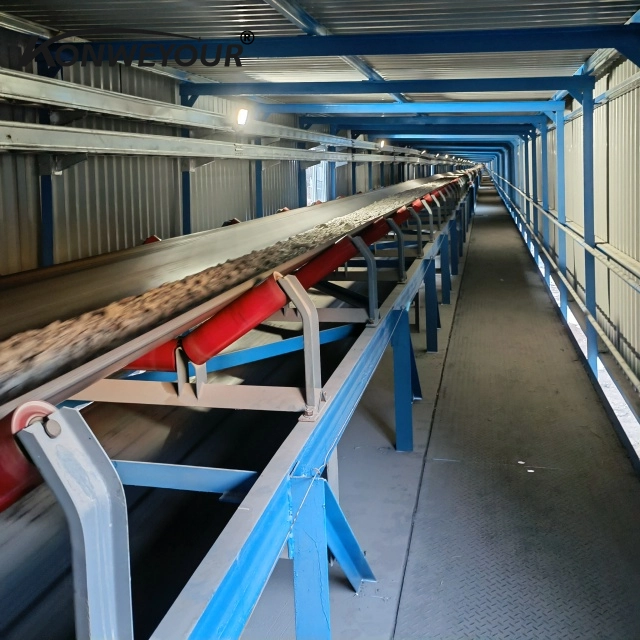
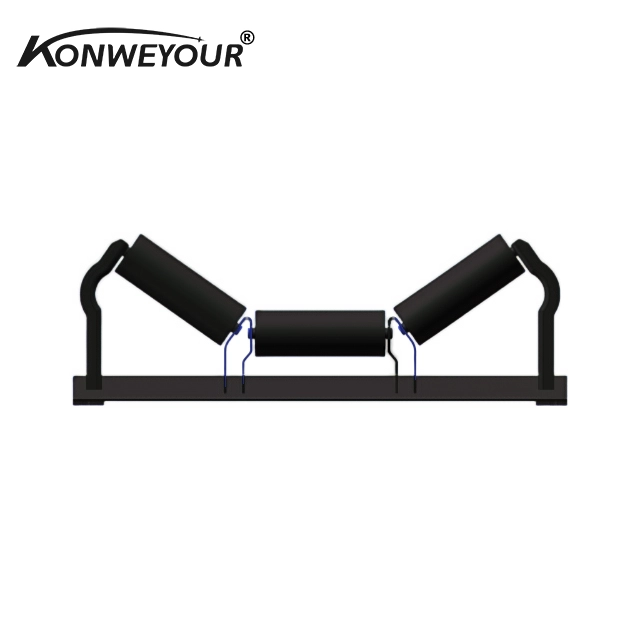
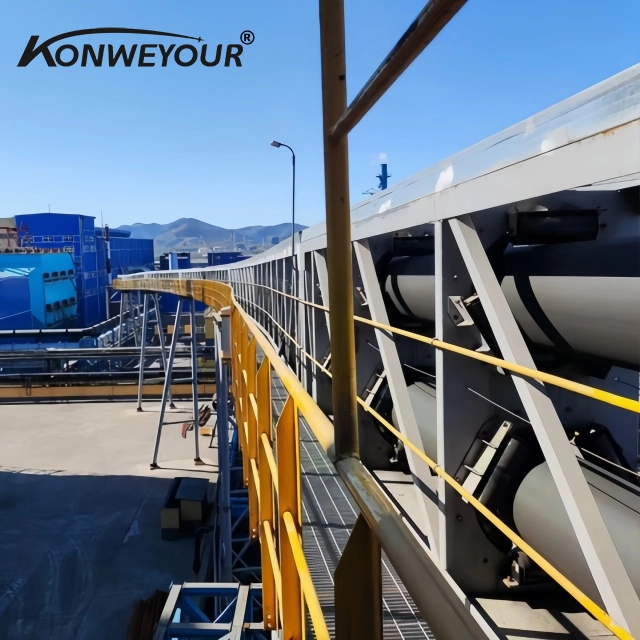
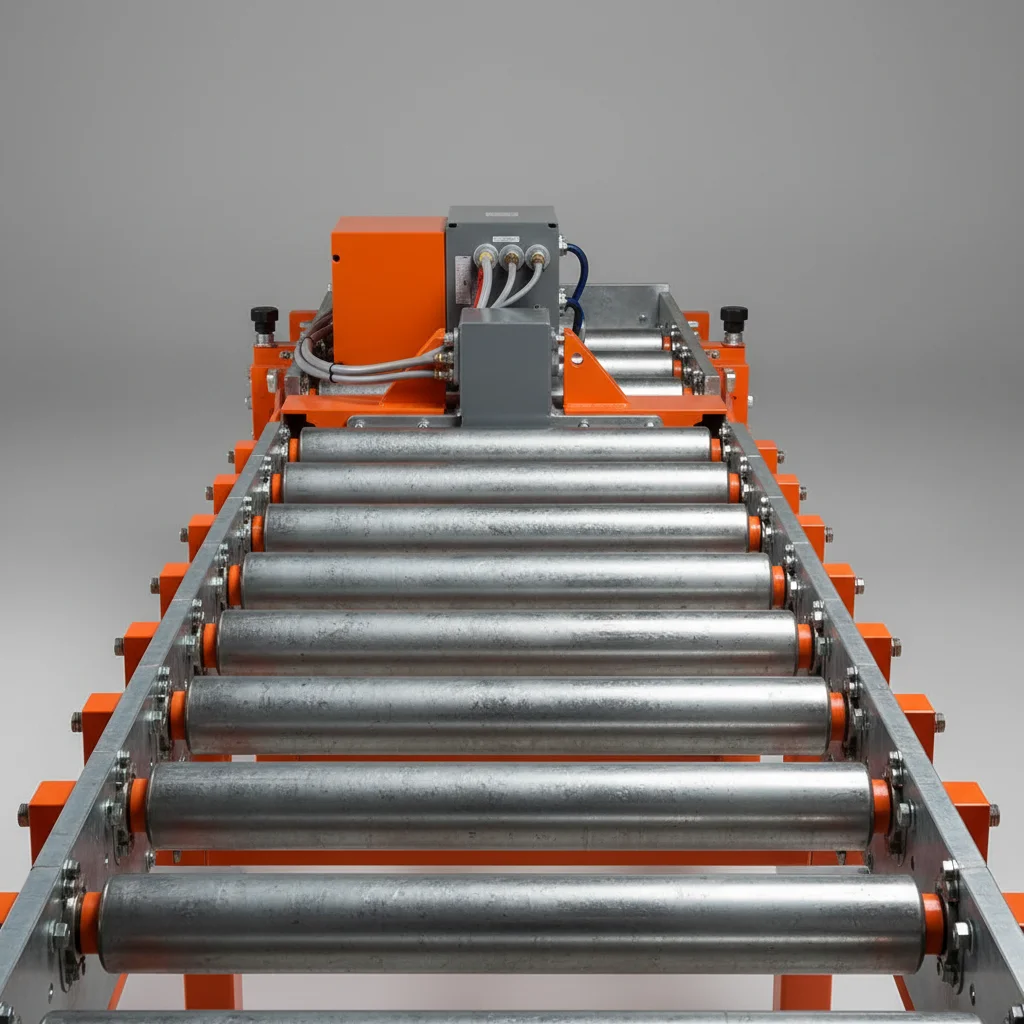
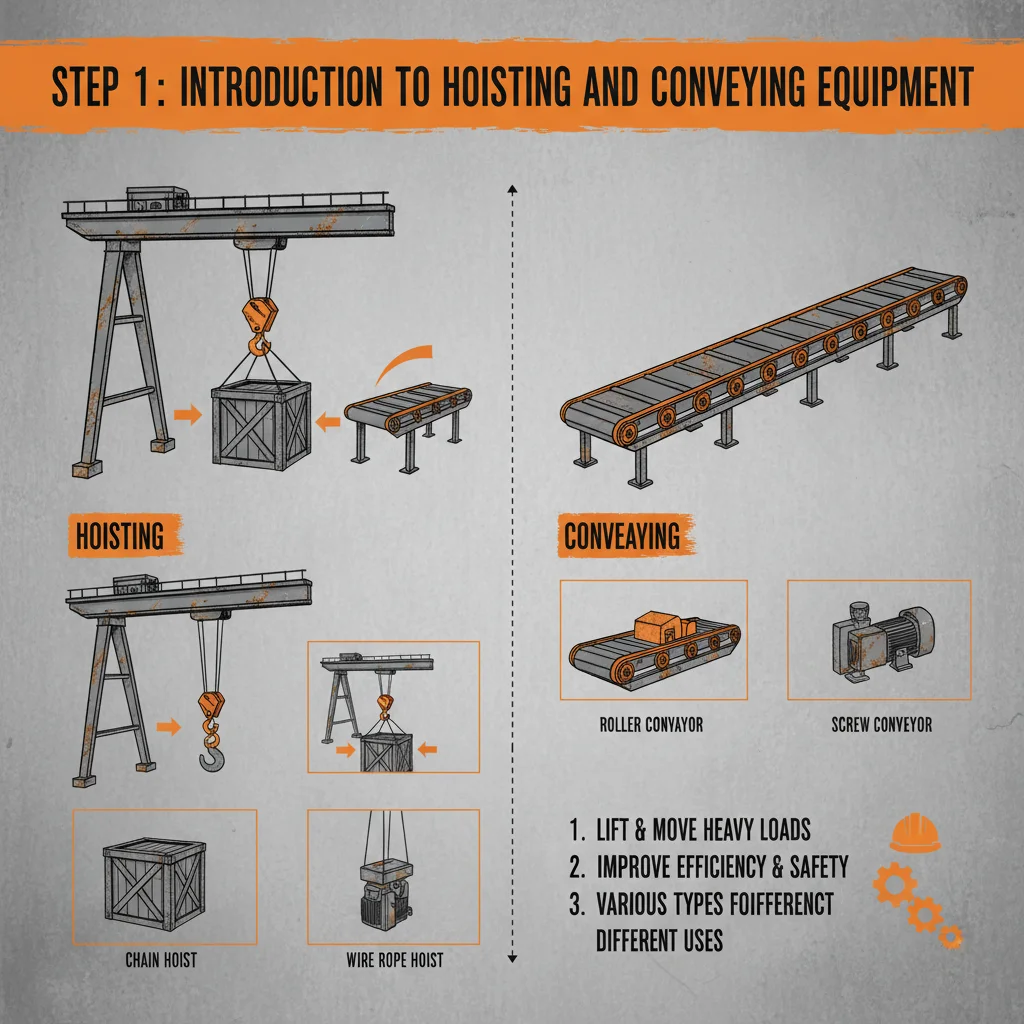
Simply put, a belt conveyor is a continuous loop of material-carrying surface (the belt) running over a series of rollers known as idlers. These idlers support the belt and the load it carries. The idler spacing refers to how far apart these rollers are placed. They can be spaced closer or farther depending on the conveyor’s application — which directly impacts belt tension, material support, and the conveyor’s lifespan.
Imagine a conveyor carrying loose grain: The belt needs consistent support to prevent sagging but also must avoid excessive friction and energy consumption. It’s a delicate balance. So, the idler spacing isn’t just an engineering choice; it plays a practical role in everything from manufacturing to humanitarian efforts like setting up temporary supply lines after a natural disaster.
Mini takeaway:
- Idler spacing = distance between rollers supporting the conveyor belt.
- It balances load support, energy consumption, and equipment wear.
- Essential for diverse industries and emergency response logistics.
Core Components & Factors Behind Ideal Idler Spacing
1. Durability and Load Support
Load characteristics directly impact idler spacing. Heavier or bulkier materials need more frequent support, so the idlers are placed closer. It prevents belt sagging and damage but could increase friction and maintenance if overdone.
2. Energy Efficiency
Too many idlers, and energy consumption spikes due to added friction; too few, and belts sag, risking costly belt tears and downtime. The sweet spot saves on power bills and lets the conveyor run smoother.
3. Scalability and Maintenance
Spaces between idlers affect ease of maintenance and the ability to scale conveyor length. Modular design with adjustable idler spacing allows quick adaptation across various industries.
4. Cost-Effectiveness
Balancing fewer idlers to reduce upfront costs versus potential long-term expenses like belt replacements is key. The right design keeps operational costs predictable and reasonable.
5. Safety & Compliance
Properly spaced idlers help prevent belt drift and spillage, reducing hazards on industrial floors. Many safety standards worldwide (including OSHA and ISO) reference idler condition and placement.
Mini takeaway:
- Idler spacing affects durability, energy use, maintenance ease, cost, and safety.
- There is no one-size-fits-all — it depends on materials, conditions, and priorities.
Where in the World Are Idler Spacing Belt Conveyors Making a Difference?
Industries across continents continually optimize idler spacing to meet local challenges. For example:
- Africa: Mining operations in South Africa ship vast mineral loads daily — conveyors equipped with tailored idler spacing to handle abrasive ores efficiently help reduce downtime.
- Asia: Food processing factories in China and India balance high-speed throughput with product hygiene requirements, selecting idler spacing that minimizes material spillage.
- North America: In logistics hubs around the U.S. and Canada, adjustable conveyors are common for handling variable parcel sizes with optimized roller arrangements.
- Disaster Relief: NGOs use conveyors with smart idler spacing in post-disaster settings to quickly mobilize materials like sandbags and medical supplies without frequent belt failures.
Such practical high-tech solutions underscore the quiet global relevance of what might seem like a simple mechanical setting.
Mini takeaway:
- Idler spacing configuration is customized worldwide to fit local industrial or humanitarian needs.
- From mining staples to disaster aid, tailored conveyor design shines in diverse scenarios.
Advantages and Long-Term Value of Perfecting Idler Spacing
When idler spacing is optimized, the benefits ripple through:
- Cost savings: Less downtime, fewer belt replacements, and lower power use.
- Safety: Better belt tracking reduces spillage and workplace hazards.
- Equipment lifespan: Reduced belt wear means longer service life.
- Sustainability: Energy efficiency contributes to lowering carbon footprints.
- Trust: Operators and end-users share confidence in reliable equipment — crucial in critical supply chains.
Oddly enough, many plant managers mention increased worker morale when they no longer worry about frequent conveyor breakdowns. It’s an emotional win, layered on the logical benefits.
Mini takeaway:
- Smart idler spacing delivers tangible savings, safety, and sustainability.
- It supports operational confidence and even workplace morale.
Future Trends in Idler Spacing and Belt Conveyor Technology
Looking ahead, conveyors will benefit from:
- Smart sensors: Monitoring idler condition in real-time to prevent failures.
- Advanced materials: Lightweight, wear-resistant composites reduce maintenance.
- Automation and AI: Vehicles and systems that adapt idler spacing on demand.
- Green energy integration: Solar-powered conveyor motors reduce facility energy sources.
These trends promise conveyors that almost think for themselves, improving uptime and reducing environmental impact simultaneously — quite the next frontier.
Common Challenges and How Experts Tackle Them
Despite the benefits, getting idler spacing right isn’t always straightforward:
- Standardization vs. customization: Wide variety of materials and applications means one standard cannot fit all.
- Wear monitoring: Rolling elements degrade over time, requiring predictive maintenance.
- Balancing cost: Cheap idlers may save money short term but create expensive problems later.
Solution-wise, many manufacturers now offer modular idler systems with built-in sensors and easy replacement parts. Consulting engineering experts before installation helps ensure life-long savings.
Product Specification: Typical Idler Spacing Belt Conveyor
| Specification |
Value / Range |
| Idler Spacing |
600 mm - 1500 mm (adjustable) |
| Belt Width |
400 mm - 1200 mm |
| Load Capacity |
Up to 10,000 kg per meter |
| Material of Rollers |
Steel or composite, UV-resistant |
| Belt Speed |
0.5 m/s – 3 m/s |
| Operating Temperature |
-20°C to +60°C |
Vendor Comparison: Top Idler Spacing Belt Conveyor Manufacturers
| Vendor |
Idler Options |
Customization |
Lead Time |
Price Range |
| ConveyTech Inc. |
Standard and Heavy Duty |
High |
4-6 weeks |
$$$ |
| RollerPro Solutions |
Composite and Steel Options |
Medium |
3-5 weeks |
$$ |
| IdlerMate Corp. |
Adjustable & Sensor-Enabled |
High |
6-8 weeks |
$$$$ |
Frequently Asked Questions About Idler Spacing Belt Conveyor
- What is the best idler spacing for heavy-load conveyors?
- Heavier loads typically require closer idler spacing — around 600 to 900 mm — to prevent belt sag and potential damage. However, exact spacing depends on belt width and operational speed. Consulting design manuals or experts can avoid costly mistakes.
- Can I adjust idler spacing after installation?
- Some conveyor systems use modular frames allowing idler spacing adjustments post-installation. However, many fixed systems require careful upfront planning. Adjustable idlers add flexibility but can increase cost.
- How does improper idler spacing affect conveyor lifespan?
- Too wide spacing leads to belt sag and premature stretching or tearing, while too tight spacing increases friction and energy use — both shortening lifespan and ramping maintenance costs.
- Are sensor-enabled idlers worth the investment?
- Yes, especially in critical operations. Sensors help detect roller failures early, preventing costly downtime and unexpected repairs by enabling predictive maintenance.
- Where can I find a reliable vendor for idler spacing belts?
- Well-established suppliers like J&T Conveyor Systems specialize in customizable idler spacing belt conveyors suited to a wide variety of industries worldwide.
Wrapping It Up: Why Every Conveyor Needs Thoughtful Idler Spacing
For something as “simple” as a conveyor belt, idler spacing plays a surprisingly big role in determining operational success. It balances load support with energy efficiency, reduces downtime, and contributes to long-term sustainability — all key to running modern, cost-effective industries. When you think about the global networks moving countless tons daily, it’s the little details like the rollers spaced just right that keep everything flowing.
If you’re considering upgrading or installing a new conveyor system, take a minute to dive into idler spacing. It’s worth the time and frankly pays for itself over the long haul. Browse solutions or contact experts today at J&T Conveyor Systems to learn how tailored idler arrangements can optimize your operation.
Final mini takeaway:
- Idler spacing is a critical and nuanced aspect of conveyor design.
- Proper design leads to efficiency, safety, and sustainability.
- Engage knowledgeable vendors like J&T Conveyor Systems for best results.
References
- ISO 5048 - Conveyor belts, belt conveyors and accessories
- UN Sustainable Development Goals (SDGs)
- Wikipedia: Conveyor belt