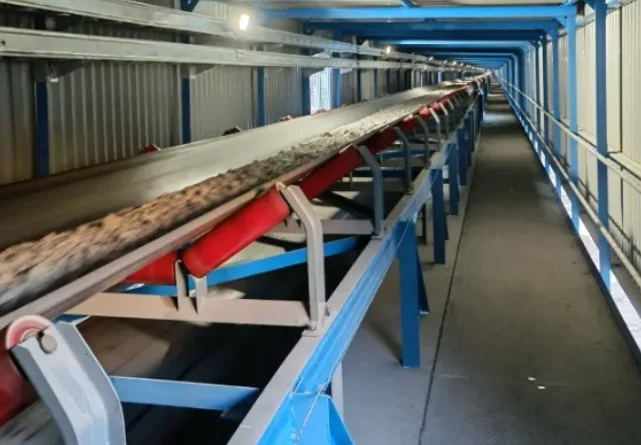
Understanding the Bend Pulley Belt Conveyor: Why It Matters
If you’ve ever watched a factory or a busy port just humming along, you’ll know there’s more to movement than meets the eye. The humble bend pulley belt conveyor quietly orchestrates the flow of goods, materials, and anything in between. Globally, this conveyor system has become an industrial backbone, helping industries move products faster, safer, and more efficiently. But what makes a bend pulley belt conveyor a game-changer? It’s all about versatility, adaptability to tight spaces, and reducing downtime—which can mean the difference between profit and loss in today’s fast-paced supply chains.
In essence, grasping the ins and outs of such conveyor systems benefits more than factories—it’s about feeding economies, supporting humanitarian operations, and nudging sustainability forward. Let’s dive in and see why this equipment deserves more spotlight than it usually gets.
The Global Importance of Bend Pulley Belt Conveyors
Conveyor systems, especially ones with bend pulleys, are vital in numerous industries worldwide. According to the International Organization for Standardization (ISO), modular and adaptable conveying equipment helps reduce processing times by up to 30%, which translates to millions in savings globally every year. The World Bank estimates that improving logistics efficiency across industrial corridors can increase GDP growth by 1-2% — and conveyors play a key role in that.
One problem many industries face is space constraints paired with the need for continuous flow of materials. Traditional straight conveyors simply don’t cut it when facility layouts are complicated or when materials must be rerouted dynamically. The bend pulley belt conveyor, with its ability to change direction gently and keep belts taut, solves this with remarkable efficiency. Plus, its adaptability is crucial in regions where retrofitting old warehouses or manufacturing plants is more practical than building anew.
So, What Exactly Is a Bend Pulley Belt Conveyor?
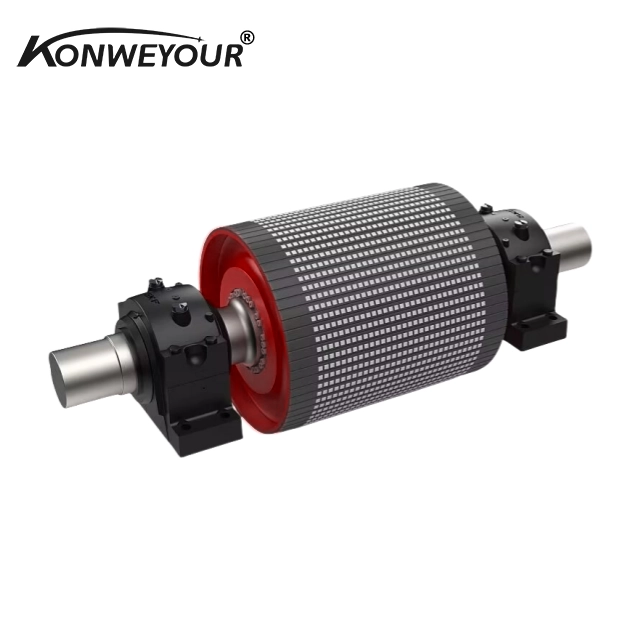
Simply put, it’s a conveyor belt system featuring pulleys that allow the belt to curve around bends smoothly, transporting materials around corners and bends with minimal friction and wear. This isn’t your basic straight-line conveyor; the bend pulley is a mechanical feature that guides the belt along curved paths. This capability is essential for tight spaces where straight conveyors would be impractical.
Think of a bend pulley belt conveyor as the conveyor’s equivalent of a bendy straw—it lets the system pivot and adjust without disrupting the flow, making it indispensable in modern manufacturing, packaging, mining, and even disaster relief logistics where terrain or facility limits movement. It also supports humanitarian missions by enabling smooth material handling even in makeshift or mobile warehouses.
Core Features of Bend Pulley Belt Conveyors
1. Durability
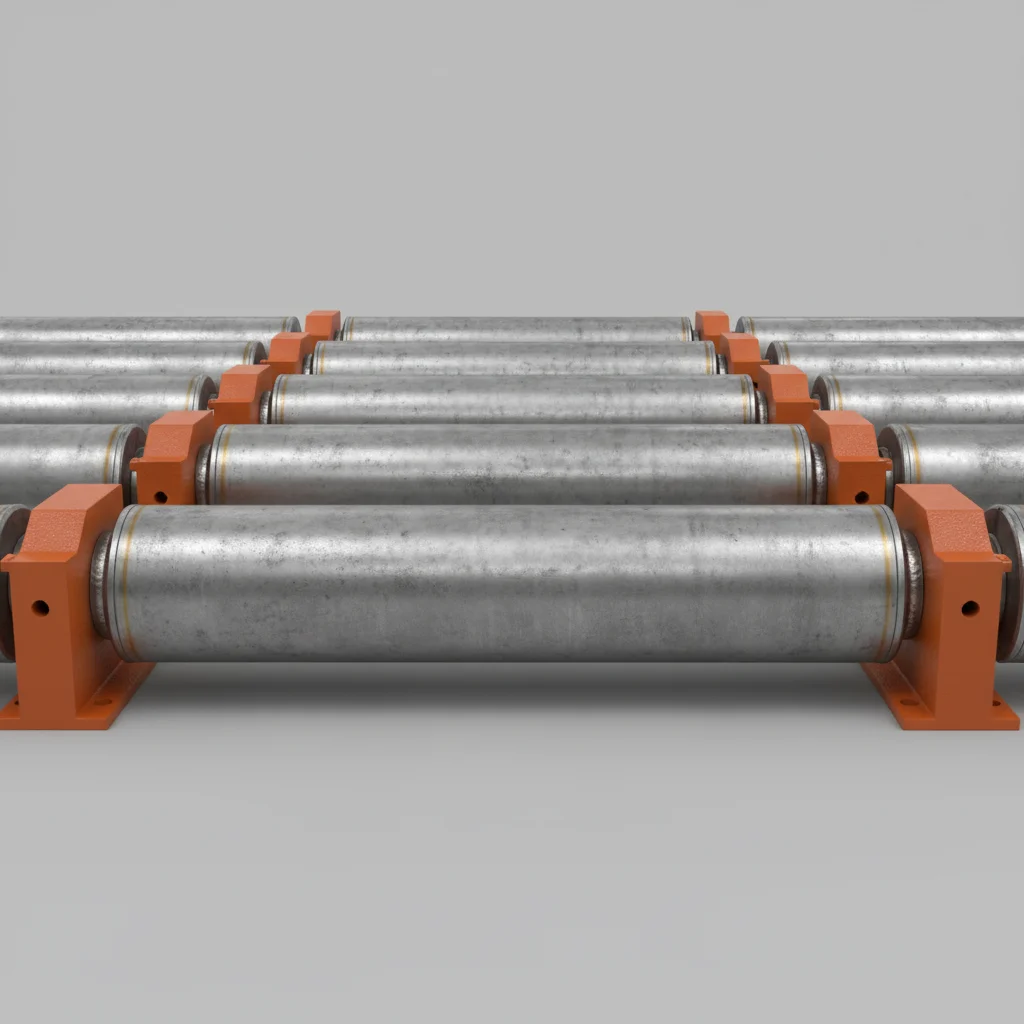
These conveyors often operate in harsh industrial environments—dust, moisture, heavy loads. Designers usually opt for robust materials like hardened steel pulleys and reinforced belts to stave off wear and tear. Many engineers note that investing in durable belts reduces downtime, which is often costlier than the initial outlay.
2. Scalability & Customization
Because no two industrial layouts are alike, bend pulley belt conveyors are customizable. From slight curves to complex zigzag patterns, the system scales to suit specific site needs. Industries ranging from food processing to heavy bulk material handling benefit from this flexibility.
3. Energy Efficiency
Thanks to the design that minimizes resistance at bends, conveyor motors don’t need to work as hard. This reduces energy consumption, aligning with growing corporate sustainability goals, not to mention cutting monthly operational costs.
4. Safety & Reliability
By eliminating the need for manual labor in hazardous zones—tight corners, high elevations—these conveyors improve worker safety. Reliable belt tracking and quality pulleys also cut down on maintenance stops.
5. Cost Efficiency
While initial setup costs can be higher due to customization, the long-term return comes via reduced labor, faster throughput, and minimal maintenance interruptions. The savings often surprise operators after the first few months.
Mini takeaway: Bend pulley belt conveyors bring together smart engineering and flexible design, making them a versatile choice for industries where space, efficiency, and reliability matter most.
Practical Applications Around the World
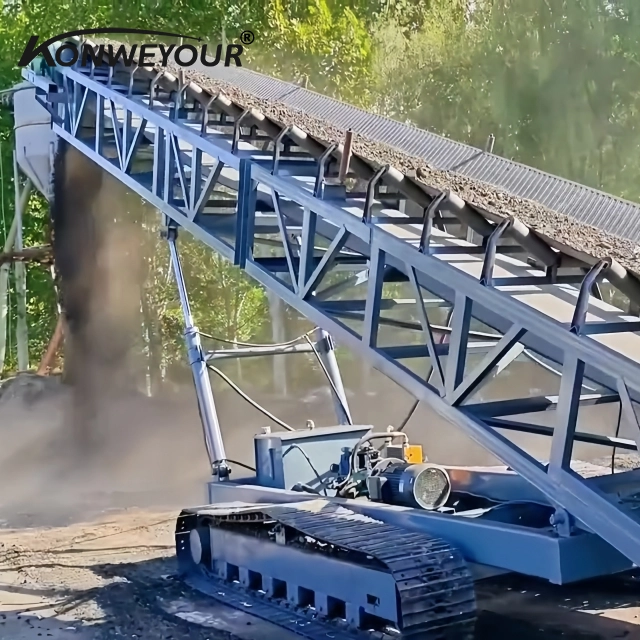
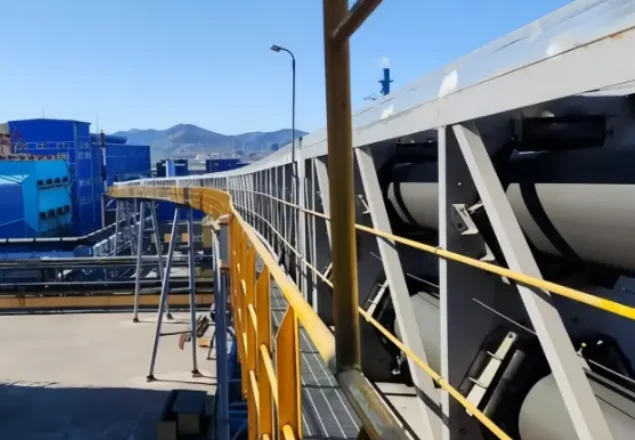
Whether it’s factories in Europe, customs warehouses in Asia, or mining sites in Australia, bend pulley belt conveyors serve those who can’t afford delays. In post-disaster relief operations, for instance, materials like food packets and medical supplies are sorted and dispatched via conveyor systems that navigate makeshift warehouses. Because infrastructure is often temporary or irregular, bend pulley conveyors enable smooth handling despite awkward layouts.
In remote industrial zones where space is at a premium, such conveyor systems help connect multiple processing stages while fitting within rugged terrain constraints. Even the high-tech sectors like electronics manufacturing rely on these conveyors to transport delicate components around compact assembly lines.
Typical Product Specifications
| Specification |
Typical Range |
Remarks |
| Belt Width |
300 mm to 1200 mm |
Custom belts available |
| Bend Radius |
500 mm to 1500 mm |
Dependent on pulley size and belt type |
| Drive Power |
0.75 kW to 7.5 kW |
Based on load and throughput |
| Material |
Carbon Steel / Stainless Steel |
Corrosion-resistant options available |
| Maximum Load |
Up to 1000 kg/meter |
Load depends on belt and pulley specs |
How Do Vendors Stack Up?
| Vendor |
Customization Options |
Lead Time |
Price Range |
Warranty |
| JT Conveyor |
High (Custom bends, materials) |
4-6 weeks |
Mid to High |
2 years |
| Global Convey |
Medium |
6-8 weeks |
Mid |
1 year |
| ProFlex Systems |
High |
3-5 weeks |
High |
3 years |
Benefits of Using Bend Pulley Belt Conveyors
- Cost Savings: Lower energy needs and reduced labor costs make these conveyors a smart long-term investment.
- Sustainability Impact: Energy efficiency contributes to lower carbon footprints.
- Increased Safety: Keeps workers away from risky zones.
- Reliability: Sustainable materials and robust design mean fewer breakdowns and maintenance headaches.
- Improved Workflow: Handles complex routes without manual intervention, making operations smoother and more predictable.
Mini takeaway: The blend of economic, environmental, and operational advantages makes bend pulley belt conveyors a triple-win for industries worldwide.
Emerging Trends in Bend Pulley Belt Conveyor Technology
Innovation hasn’t stood still. The latest units incorporate IoT sensors that monitor tension, temperature, and wear in real-time, preventing costly failures before they happen. More manufacturers are using eco-friendly belt materials developed from recycled fabrics or bio-based polymers, ticking the sustainability box. Automation integration allows bend pulley belt conveyors to seamlessly sync with robotic picking, sorting, and packaging units, speeding production lines further. Moreover, with rising digital twin technologies, engineers can simulate conveyor setups virtually to optimize efficiency before any installation.
Challenges and How They’re Overcome
Oddly enough, one common challenge is belt mis-tracking around bends, which causes premature wear or spillage. Experts recommend advanced pulley lagging materials and precise tension adjustments to mitigate this. Also, installing bend pulley belt conveyors requires higher engineering know-how, but modular designs with adjustable modules are easing this burden. Freight companies and warehouses in developing areas still struggle with maintenance — that’s where remote diagnostics and training come into play.
FAQ: Your Quick Questions Answered
- Q: Can bend pulley belt conveyors handle heavy bulk materials like coal or ore?
A: Absolutely. With the right belt type and pulley design, bend pulley belt conveyors efficiently transport heavy bulk goods, common in mining and aggregate industries.
- Q: How does the bend radius affect conveyor performance?
A: Smaller bend radii increase belt stress and require sturdier pulleys; larger radii reduce wear and are preferred for delicate or high-speed applications.
- Q: Are bend pulley systems compatible with automated sorting?
A: Yes. They integrate well with automated systems and IoT sensors, enabling smart conveyor lines with minimal manual intervention.
- Q: What maintenance is typically needed?
A: Routine inspections of belt alignment, pulley surface condition, and drive motors usually keep these conveyors running smoothly. Lubrication of moving parts is essential.
- Q: Can these conveyors be used outdoors?
A: With proper weather-resistant materials and protective covers, bend pulley belt conveyors work effectively outdoors, even in rough conditions.
Wrapping It Up: Why You Should Care
So, what’s the big takeaway here? Bend pulley belt conveyors aren’t just mysterious factory gadgets; they’re vital cogs in a global system moving goods, helping economies, and sometimes even saving lives by ensuring materials flow seamlessly. They balance cost, efficiency, safety, and sustainability in ways many industrial machines can’t match. If you’re in the market or just curious, it’s worth checking out how these conveyors can transform your operations.
For those interested in exploring further, don’t forget to visit bend pulley belt conveyor specialists. They can show you how to optimize your setup with tailored solutions that fit your exact needs — because, frankly, one size rarely fits all.
References:
- ISO Conveyor Systems Standards
- World Bank Logistics Performance Data
- Wikipedia: Conveyor Belt