Understanding the Tail Pulley Belt Conveyor: Why It Matters Globally
In a world where industries rely heavily on efficient material handling, the tail pulley belt conveyor emerges as an unassuming but vital component. Think of it as the unsung hero behind smooth and continuous conveyor operation, seamlessly pulling belts back in motion. It might sound niche, but globally, it matters for mining, manufacturing, and logistics — places where raw materials and products move 24/7.
Understanding this device isn't just for engineers; it’s key for operators who want to optimize performance, reduce downtimes, save costs, and, frankly, keep things moving in some seriously challenging environments.
Global Context: Why the Tail Pulley Belt Conveyor Is In Demand
There’s a good reason why tail pulley belt conveyors have spread across the globe. According to the International Organization for Standardization (ISO), conveyor belts are among the most widely used material transport solutions worldwide. Mining output, for example, surged nearly 20% in just five years, intensifying demand for conveyor technologies that can keep pace reliably.
The challenge? Handling massive loads over long distances—sometimes thousands of meters—through dusty, harsh terrain without failure. Tail pulleys help by maintaining tension and alignment, preventing costly belt slippage or breakdowns which could shut down mining pits or factories for days. That’s big money lost and operational risks heightened.
Mini Takeaway:
Tail pulley belt conveyors matter globally because they keep industries moving, reduce costly stoppages, and adapt to demanding environments.
What Exactly Is a Tail Pulley Belt Conveyor?
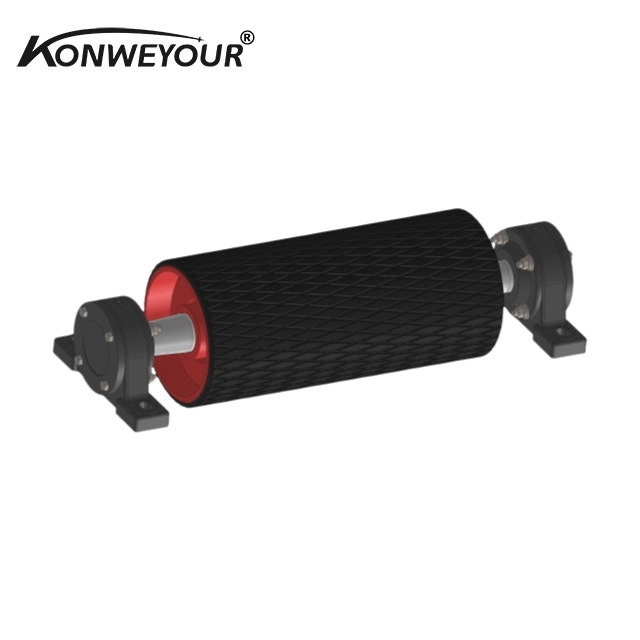
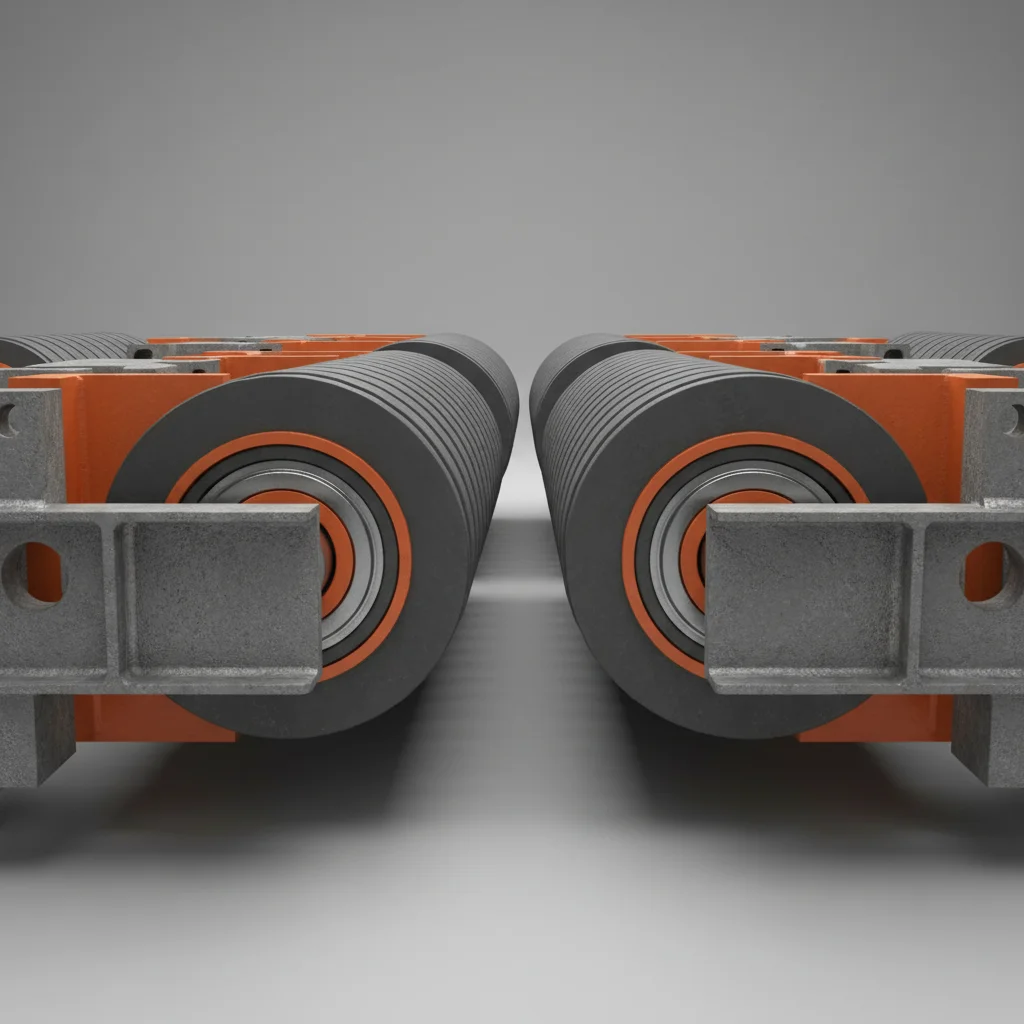
Simply put, the tail pulley is a rotating drum placed at the tail end of a conveyor belt system. Its role is to redirect and tension the belt, ensuring smooth belt operation and preventing slippage. While the entire belt conveyor system supports material movement, the tail pulley helps rewind the belt as materials are transported.
In modern production lines, whether it's coal mining in Australia or food packaging in Europe, tail pulleys make sure the system doesn’t lose grip or alignment. This small component, often overlooked, supports giant industry networks and humanitarian logistics alike.
Mini Takeaway:
The tail pulley is the conveyor belt’s guide and tensioner — a simple but indispensable part of the system.
Core Components to Consider in Tail Pulley Belt Conveyors
1. Durability
Tail pulleys face abrasive materials and constant friction. Many engineers say selecting high-grade steel drums with hard-coated surfaces extends lifespan noticeably, reducing maintenance.
2. Scalability
From small factory conveyors to vast mining setups, tail pulleys come in sizes and designs to suit various belt widths and loads — a versatile component.
3. Cost Efficiency
Choosing the right tail pulley reduces belt wear and prevents misalignment, saving operational costs over time — not just upfront savings but sense-making long-term investment.
4. Ease of Maintenance
Bearings and shafts must be easily accessible. Many modern tail pulley designs support quick checks and replacements, minimizing downtime.
5. Safety Features
Some incorporate covers and sensors to detect belt slippage or misalignment early, preventing accidents.
Mini Takeaway:
Durability, scalability, cost efficiency, maintenance, and safety form the backbone of good tail pulley design.
Typical Specifications of a Tail Pulley Belt Conveyor
| Specification |
Typical Value |
Unit |
| Diameter |
200 - 600 |
mm |
| Belt Width Compatibility |
400 - 1800 |
mm |
| Maximum Load Capacity |
up to 1500 |
kN |
| Material |
Steel / Composite coatings |
- |
| Weight (approx.) |
150 - 700 |
kg |
Where Tail Pulley Belt Conveyors Make a Real Difference Worldwide
In real-world terms, these conveyors aren’t just for factories. Oddly enough, some of the toughest conditions come from humanitarian logistics, mining, and large-scale industrial plants.
- Mining regions: Australia, South Africa, Canada rely heavily on tail pulleys in their long-distance conveyor systems.
- Post-disaster relief: Modular tail pulley systems enable rapid deployment of conveyor belts to transport supplies in flooded or chaotic environments.
- Remote industrial zones: Oil & gas and construction sites use tail pulleys adapted to harsh weather for steady material handling.
Mini Takeaway:
The tail pulley belt conveyor is everywhere — from dusty mines to emergency relief zones — silently enabling efficient movement of goods.
The Big Advantages & Long-Term Value of Choosing Quality Tail Pulleys
When you hear “tail pulley,” you might not think about safety or sustainability immediately, but these are important. Keeping the belt aligned means fewer injuries from belt slippage or sharp edges. It feels like a simple thing, but for workers, that’s dignity and safety on the line.
From a business standpoint, reliable tail pulleys cut down on downtime, repair costs, and wasted energy through friction. Many companies now also opt for eco-friendly coated materials that last longer and reduce the carbon footprint.
What Comes Next: Future Trends & Innovations in Tail Pulley Belt Conveyors
- Smart sensors: Integrated belt misalignment detection systems alert operators early.
- Green materials: Composite, lightweight pulleys reduce energy consumption.
- Automation and IoT: Data collected helps optimize maintenance schedules.
It’s not just about steel drums anymore — the future tail pulley looks smart, efficient, and far more sustainable.
Challenges in Current Tail Pulley Use (and How to Fix Them)
Common issues include bearing failures due to dust, overheating, or corrosion. To handle that, sealed bearings and advanced lubrication systems are becoming standard. Some manufacturers also improve serviceability by making key components modular. Roughly speaking, preventing misalignment is the biggest challenge — but monitoring tech helps.
Vendor Comparison for Tail Pulley Belt Conveyors
| Vendor |
Material Options |
Customization Level |
Innovations |
Warranty |
| JT Conveyors |
Steel, Composite Coatings |
High |
Smart sensors, IoT-enabled |
3 years |
| Global Belt Systems |
Steel only |
Medium |
Standard modular design |
2 years |
| EcoPulley Tech |
Composite materials |
High |
Lightweight, eco-friendly coatings |
4 years |
Frequently Asked Questions About Tail Pulley Belt Conveyor
Q1: How often should tail pulley bearings be maintained?
A: Bearing maintenance typically depends on operating conditions but usually occurs every 6–12 months. In dusty or wet environments, more frequent lubrication and inspections are advised to avoid premature failures.
Q2: Can tail pulleys be customized for different belt widths?
A: Absolutely. Tail pulleys come in various diameters and face widths to match conveyor belt sizes, from small factory lines up to massive mining conveyors.
Q3: What materials are best for tail pulley drums in corrosive environments?
A: Steel pulleys with composite coatings or stainless steel options are ideal for corrosive or marine environments, offering longer lifespan and reduced maintenance.
Q4: Are there smart monitoring options for tail pulleys?
A: Yes. Some vendors provide IoT-enabled pulleys with sensors detecting belt misalignment, temperature, and overloads to anticipate maintenance needs and avoid breakdowns.
Q5: How critical is the tail pulley for conveyor safety?
A: Very critical. Properly tensioned and aligned belts reduce accidents caused by belt slips or edge damage, improving workplace safety significantly.
Wrapping Up: Why Tail Pulley Belt Conveyors Should Be on Your Radar
From global mining operations to emergency logistics, the tail pulley belt conveyor plays a quietly mighty role. Its design, durability, and innovations impact cost savings, safety, and sustainability in the real world. If you’re managing material handling systems, giving the tail pulley its due attention can prevent headaches and downtime.
Looking for reliable and innovative tail pulley solutions? Visit our website for more details and personalized support: https://www.jtconveyor.com
References
- Wikipedia: Conveyor System
- ISO Standards for Conveyor Belts
- World Bank Energy Data