Understanding Material Belt Conveyors: The Backbone of Modern Industry
When you think about moving tons of goods efficiently — whether it's coal, grain, or packages — chances are a material belt conveyor is involved. These systems play a crucial role in countless sectors worldwide, streamlining processes and enhancing productivity. But beyond factories, they contribute to humanitarian logistics and environmental sustainability. Wrapping your head around what material belt conveyors are and why they matter will unlock insights into how industries and relief organizations keep the world moving.
Global Significance of Material Belt Conveyors
Globally, industries handle an estimated 20 billion tons of bulk materials annually using conveyor systems, according to sources like the International Organization for Standardization (ISO) and the United Nations Industrial Development Organization (UNIDO). From mining mineral deposits in remote corners of Africa to transporting food supplies in sprawling urban centers, the material belt conveyor has become indispensable.
Why is this important? Because traditional methods of moving heavy goods—think manual labor or trucks—carry huge environmental costs and inefficiencies. As UN reports highlight, reducing carbon footprints in logistics is a top priority for sustainable development. Belt conveyors help cut emissions by using electricity far more economically and reliably than individual vehicles.
Still, challenges abound: rugged terrain, maintenance costs, and adapting to climate conditions can trip up conveyor projects. So the stakes have never been higher for industries to innovate smart, durable conveyor solutions that can thrive globally.
Mini takeaway: Material belt conveyors aren’t just industrial tools. They’re central to sustainable progress and economic resilience worldwide.
What Exactly Is a Material Belt Conveyor?
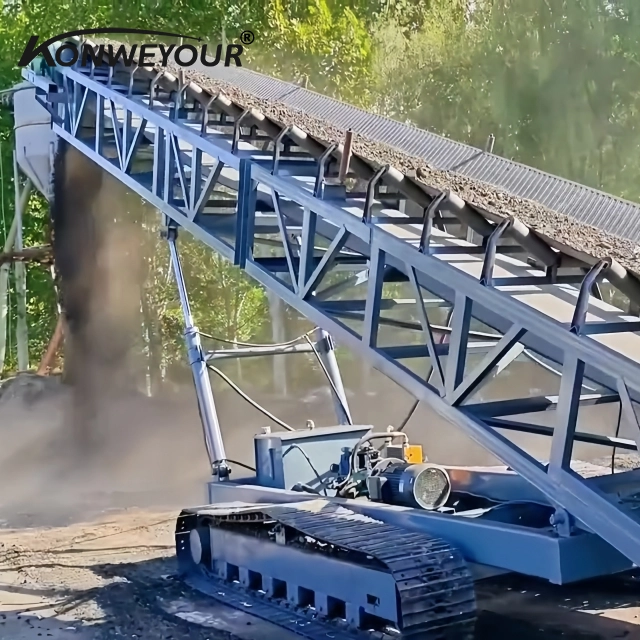
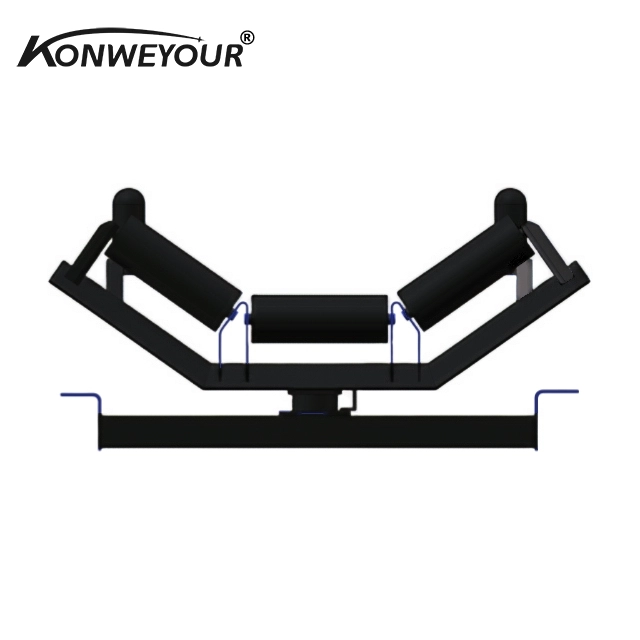
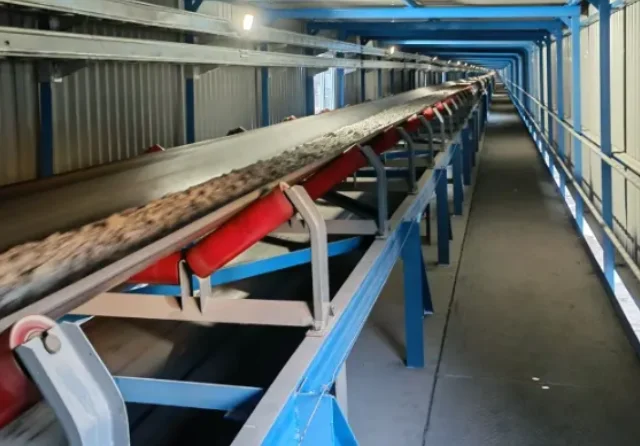
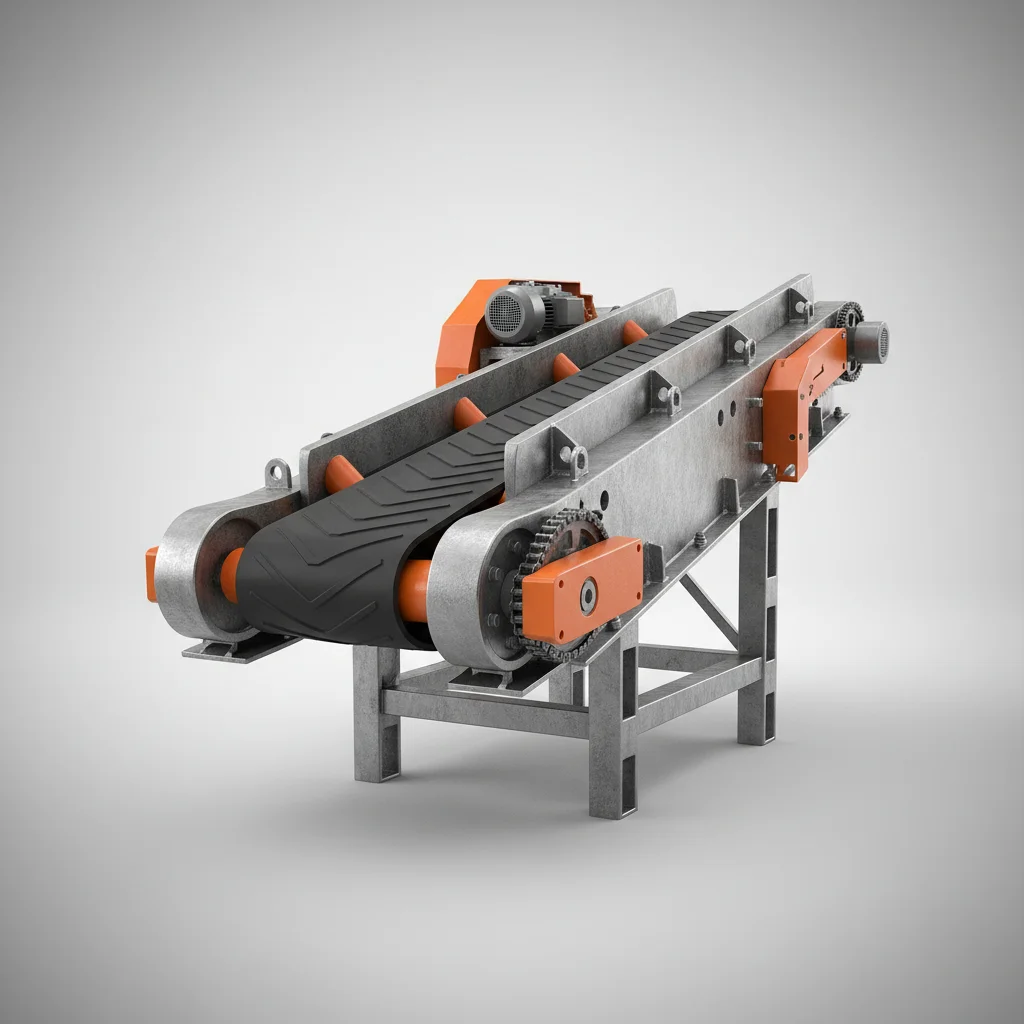
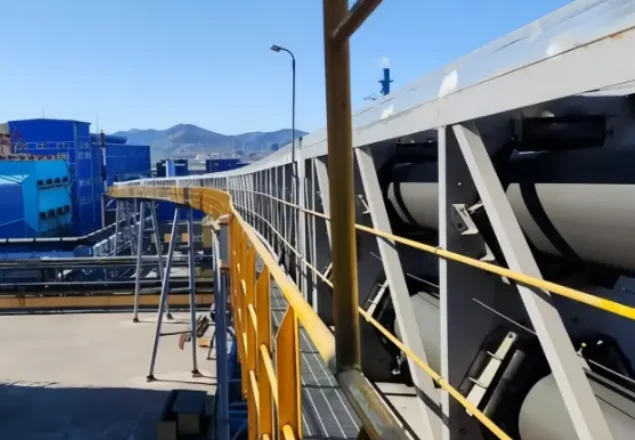
In simple terms, a material belt conveyor is a mechanical system that moves goods, raw materials, or products from one place to another over a continuous belt loop supported by rollers or a flat surface. Picture this: a long, moving rubber or fabric belt on wheels, powered by motors, carrying coal, parcels, or agricultural products. It’s like an industrial version of a treadmill but designed to transport rather than exercise.
On a larger scale, conveyors solve huge logistical puzzles — think of the overwhelming amount of grain flowing out of Canada’s prairie farms or iron ore processed in Australia’s vast mines. Even in crises, such as disaster relief, these conveyors enable rapid, large-volume movement of supplies, preventing bottlenecks when speed is essential.
Mini takeaway: They’re mechanical lifelines, melding simple engineering with versatile applications across industries.
Core Components Shaping Performance and Reliability
Durability
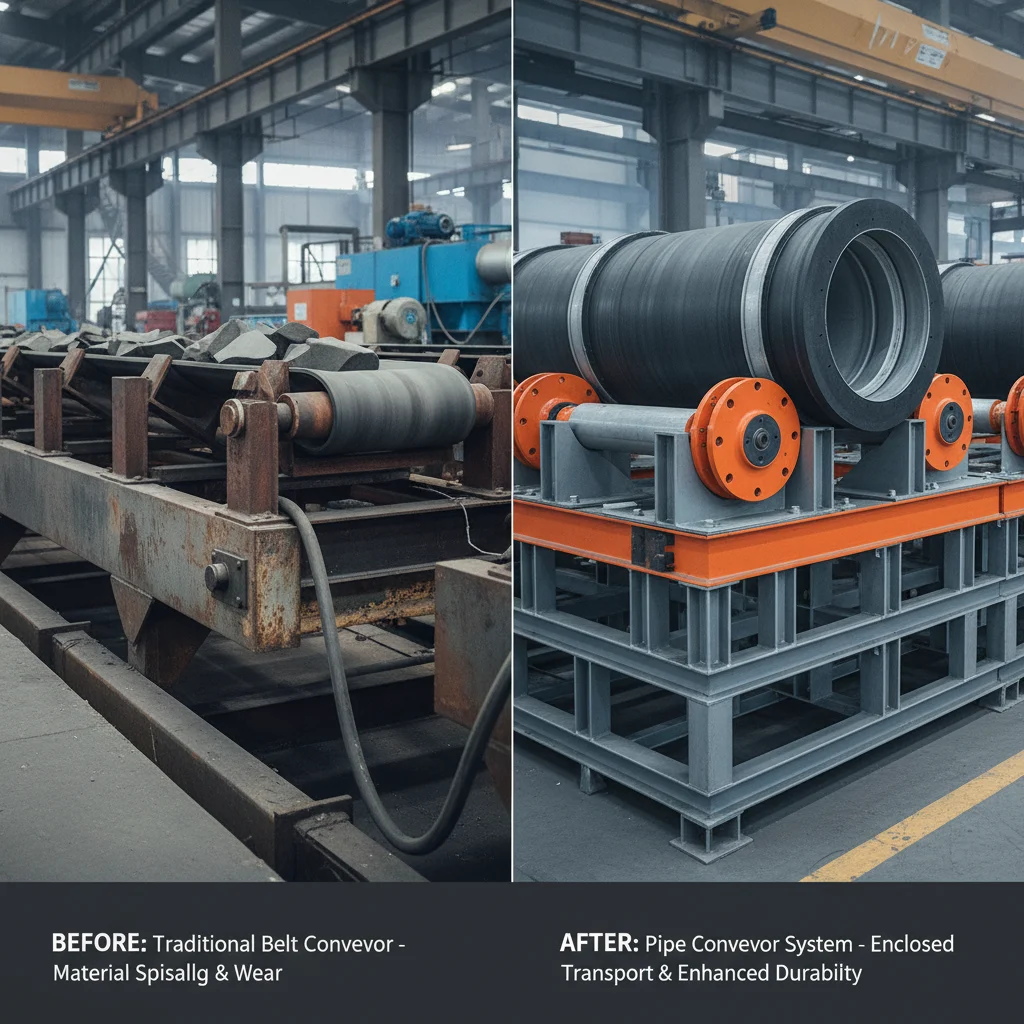
Conveyors endure constant wear and tear from heavy loads and environmental exposure. So the belts use tough synthetic compounds like EPDM or PVC, often reinforced with steel cords. This means even abrasive materials don’t shred the belt quickly, leading to long operational lifespans.
Scalability
One impressive feature is their modularity. Whether you need a 10-meter line in a warehouse or a 5-kilometer stretch at a mining site, you can scale and customize the system’s length, speed, and load capacity. Many engineers swear by this flexibility — it means conveyors can evolve as production grows.
Cost Efficiency
While upfront installation costs for material belt conveyors can be significant, the lifetime cost savings compared to trucks or manual labor are substantial. Energy consumption per ton-kilometer is much lower, maintenance is predictable, and automation reduces human error and injury risk.
Automation & Control
Modern conveyors integrate programmable logic controllers (PLCs), sensors, and IoT devices to monitor tension, speed, and wear in real time. This tech-savvy edge minimizes downtime and helps workers focus on higher-value tasks.
Environmental Adaptability
From freezing cold Siberia to the humid tropics of Southeast Asia, conveyors are designed or adapted with weather-resistant materials, corrosion-proof coatings, and even heated belts to prevent freezing. Without such measures, systems could fail unexpectedly, which is costly and dangerous.
Material Belt Conveyor Applications Across the Globe
Practically every heavy-industry region relies on material belt conveyors. In Australia’s mining zone, conveyors transport iron ore continuously for processing; in the Middle East, conveyor lines shuttle bulk cement across sprawling construction sites; in post-disaster areas like parts of Southeast Asia, temporary conveyors help move relief materials rapidly and effectively.
Even urban logistics benefit: airports use high-speed conveyor belts to handle thousands of luggage items daily, while e-commerce giants rely on conveyors to sort and route packages at breakneck speeds.
Mini takeaway: Their usage spans continents and industries, proving how central conveyors are to both everyday logistics and emergency responses.
Advantages Beyond Pure Efficiency
- Cost Savings: Reduced reliance on trucks lowers fuel use and maintenance, with savings reinvested into safety and innovation.
- Sustainability: Electric conveyors cut emissions, and many modern systems incorporate regenerative drives to recycle energy.
- Safety: Less manual handling means fewer injuries and better working conditions, which enhances employee morale.
- Reliability: Continuous operation and automation reduce delays that could cascade through supply chains.
- Social Impact: Enabling fast delivery of food, water, and shelter materials in crises preserves human dignity and strengthens communities.
Innovation on the Horizon for Material Belt Conveyors
The future looks electric — literally. Innovations like solar-powered conveyor belts reduce grid dependency in remote sites. Digital twins allow operators to simulate conveyor wear and tweak performance before hardware issues arise. Eco-friendly belts made of recycled or bio-based polymers reduce plastic waste. Also, AI-powered predictive maintenance promises even less downtime.
Importantly, organizations are pushing for standards like ISO 5048 and ISO 9524 to harmonize conveyor design globally, which should speed technology transfers between regions.
Common Challenges and Their Solutions
Maintaining belt tension and tracking is tricky but vital. Too loose, and belts slip; too tight, and components wear out. Many suppliers now offer smart sensor arrays that automatically adjust tension and alignment, saving hours of manual recalibration.
Another pain point is initial capital outlay. Yet innovative leasing models and modular setups mean companies can start small and upgrade gradually — kind of like buying a smartphone with upgradable parts.
FAQ: Frequently Asked Questions About Material Belt Conveyors
- How long does a typical material belt conveyor last?
- With proper maintenance, many belts last 10–15 years or longer. Factors include load types, environment, and usage intensity.
- Can conveyors handle fragile items?
- Yes, with proper belt material and speed controls, conveyors can gently transport fragile or packaged goods in industries like food or pharmaceuticals.
- Are material belt conveyors energy efficient compared to trucks?
- Absolutely. Conveyors use roughly 30–50% less energy per ton-kilometer than trucks, which reduces carbon emissions and operating costs.
- How easy is it to install conveyors in remote locations?
- Modular design allows for quick assembly. Some vendors provide pre-fabricated sections and offer on-site technical support for installation.
- What maintenance is typically required?
- Routine checks include belt alignment, roller condition, lubrication, and motor inspections. Advanced systems often include automated diagnostics.
Product Specification at a Glance
| Feature |
Detail |
| Belt Width | 500 mm to 2,000 mm |
| Load Capacity | Up to 5,000 tons per hour |
| Belt Speed | 0.5 to 5 m/s |
| Motor Power | 1.5 kW to 250 kW |
| Maximum Incline Angle | Up to 30° |
| Material Options | PVC, EPDM, Rubber, Silicone |
Vendor Comparison for Material Belt Conveyors
| Vendor |
Lead Times |
Custom Options |
Warranty |
Support Services |
| JT Conveyor Co. |
2–6 weeks |
Fully customizable |
5 years |
24/7 hotline, on-site |
| Global Belts Ltd. |
4–8 weeks |
Standard & some customization |
3 years |
Email support |
| EcoMove Solutions |
3–7 weeks |
Focus on eco-friendly materials |
4 years |
Remote diagnostics, training |
Wrapping It Up
So, what’s the big takeaway here? Material belt conveyors quietly keep global industry and humanitarian logistics in motion by offering a reliable, energy-efficient, and scalable solution. They save money, reduce environmental impact, and make workplaces safer. With rapid innovations rolling out, these conveyors will likely become smarter, greener, and even more resilient. If you’re in the market or just curious, don’t miss a deeper look at the options at JT Conveyor. You might find the perfect conveyor that fits your project like a glove.
Thanks for sticking through my conveyor musings. Feel free to revisit when your next heavy-lifting challenge arises—you know where to look.
References
- Wikipedia: Conveyor Belt
- ISO Standards for Conveyor Equipment
- United Nations Industrial Development Organization (UNIDO)