Efficient Bulk Material Transport with Overland Conveyor Systems
In the mining, cement, and bulk material industries, transporting materials over long distances is a significant operational challenge. Overland conveyor systems offer a reliable and cost-effective solution for moving large quantities of materials efficiently and continuously.
1. Introduction to Overland Conveyor Systems
These systems are designed to operate over several kilometers, crossing uneven terrain and reducing reliance on trucks or rail, making them a preferred choice for bulk material handling operations.
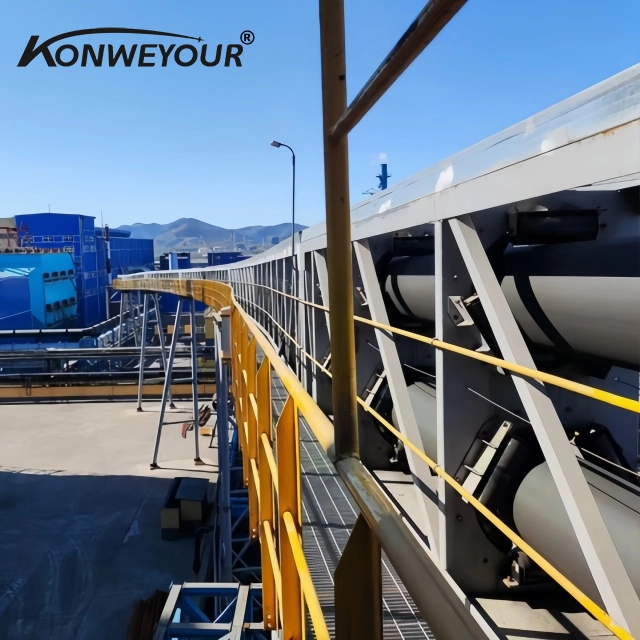
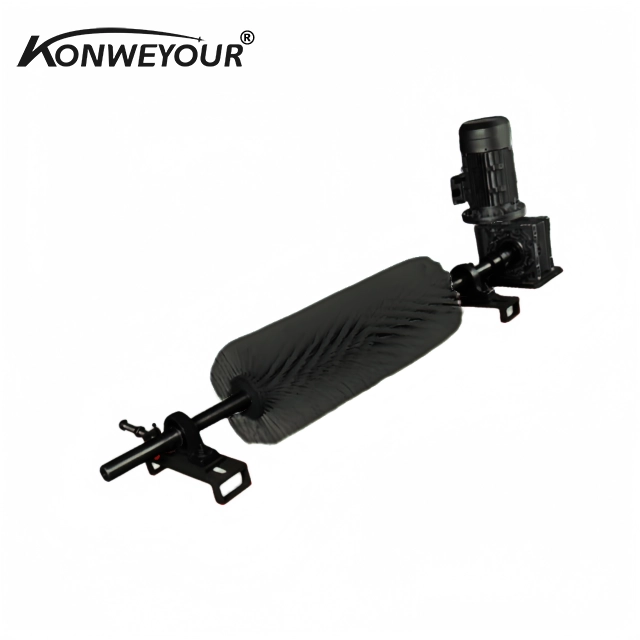
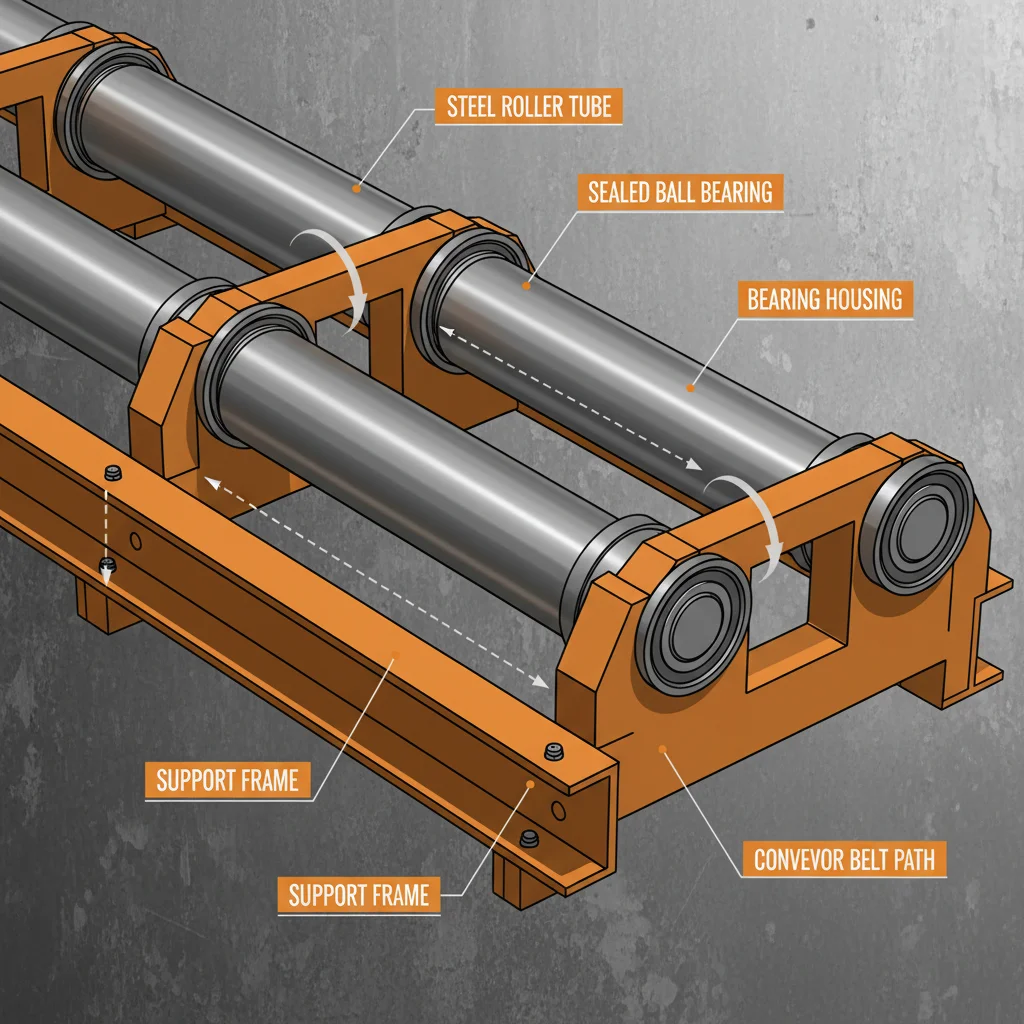
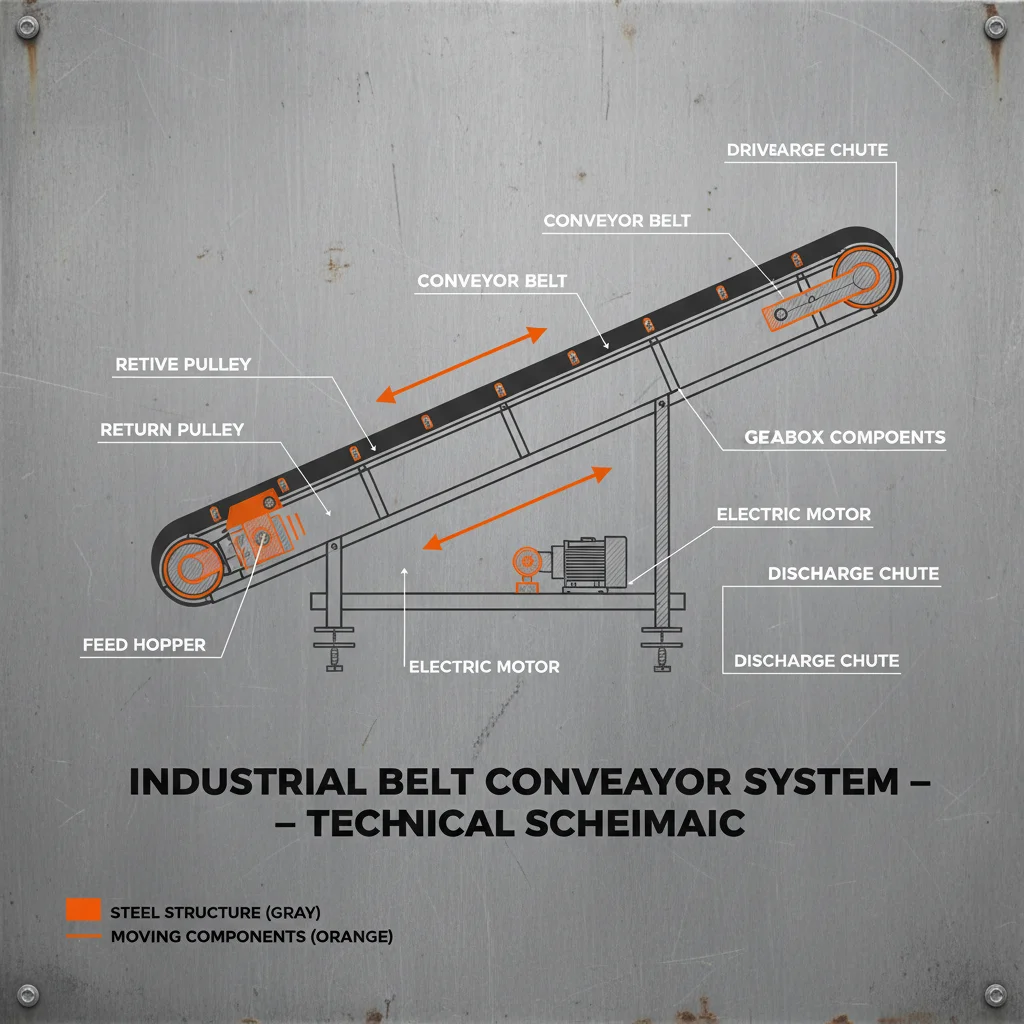
An overland conveyor system typically consists of overland belt conveyor technology, including high-capacity belts, pulleys, drive systems, and supporting structures. The enclosed or covered overland belt design protects materials from environmental factors such as wind, rain, and dust, ensuring clean and safe transport. Modern overland conveying systems can be fully automated and integrated with processing plants, offering continuous operation with minimal human intervention.
For businesses looking to expand operations or replace older systems, there are overland conveyor for sale options available from reputable manufacturers. These systems range from smaller installations for moderate capacities to large-scale conveyors capable of moving thousands of tons per hour. Partnering with a trusted overland conveyor company ensures access to custom solutions, professional installation, and maintenance support.
The design of an overland conveyor system involves careful planning and engineering. Overland conveyor design must consider factors such as terrain, material type, belt speed, capacity, energy consumption, and safety regulations. A well-designed system minimizes operational costs, reduces material spillage, and ensures reliable long-term performance.
2. Advantages and Applications of Overland Conveyor Systems
Efficiency and Continuous Operation – One of the key benefits of overland conveyor belt systems is the ability to transport bulk materials continuously over long distances. This reduces the need for intermediate handling and eliminates delays associated with trucks or rail transport. Overland belt conveyors can maintain steady material flow, improving overall operational efficiency.
Cost-Effective Material Handling – While the initial investment in an overland conveyor system may be higher than traditional transport methods, the long-term savings are substantial. Reduced labor costs, lower fuel consumption, and decreased maintenance of alternative transport methods make these systems economically advantageous over their lifespan.
Environmental and Safety Benefits – Overland conveyor belts are enclosed or covered to prevent spillage, dust generation, and environmental contamination. By minimizing vehicle traffic, these systems also reduce greenhouse gas emissions and improve site safety, as fewer trucks or heavy machinery are needed on the haul roads.
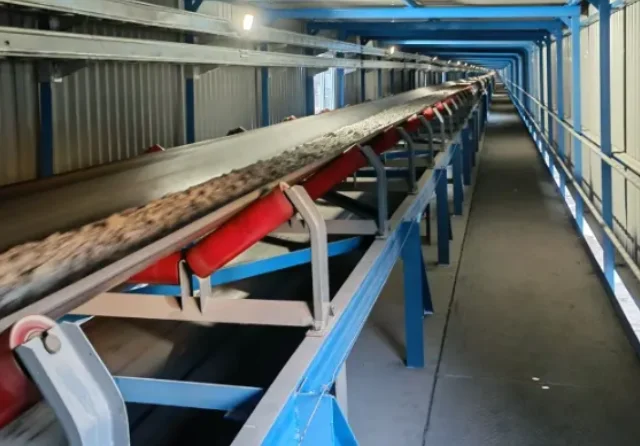
Versatility and Customization – Overland conveying systems are suitable for a wide range of materials, including coal, ores, cement, aggregates, and industrial by-products. Overland belt conveyor systems can be configured with inclines, declines, curves, and transitions to adapt to challenging terrain. Overland conveyor design can also incorporate automated monitoring, maintenance access, and energy-efficient drive systems.
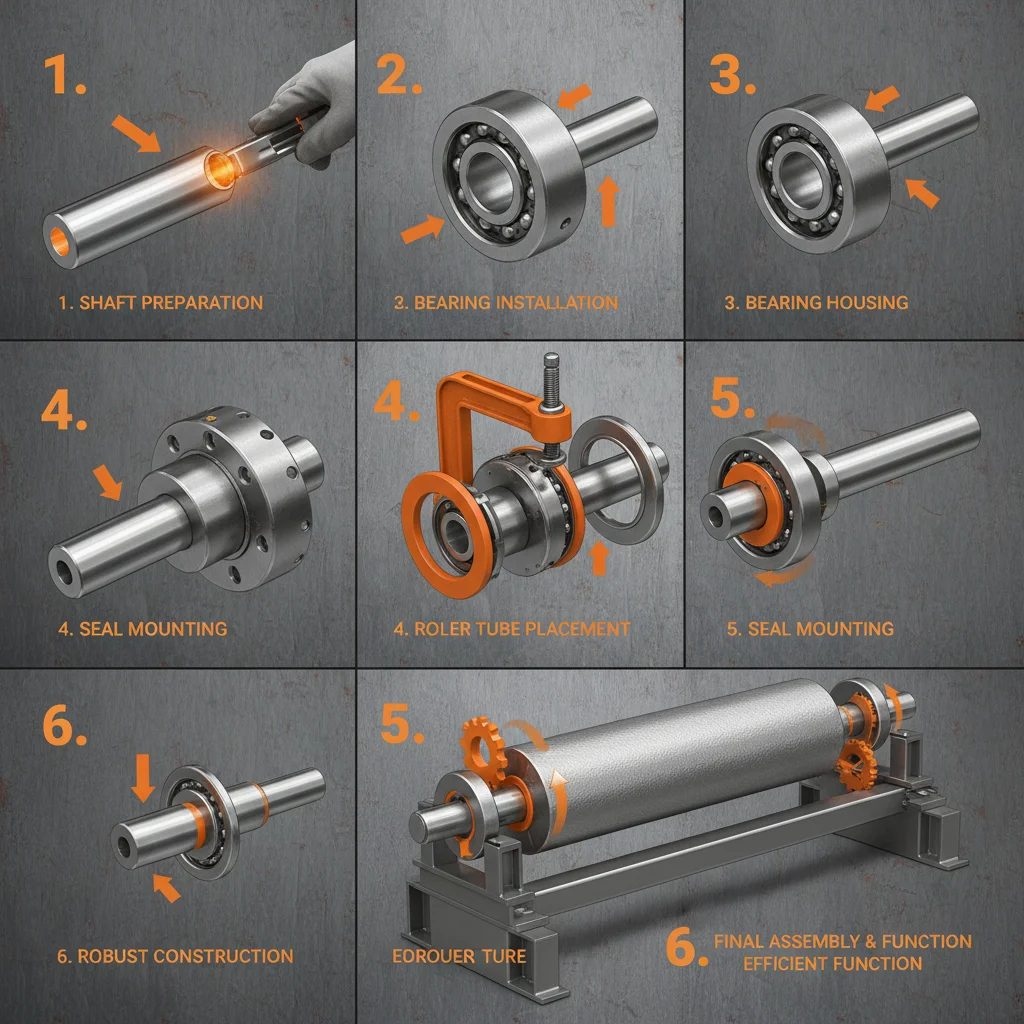
Durability and Low Maintenance – Modern overland conveyors are built with high-quality materials, robust drive drums, and reinforced belts to withstand harsh operating conditions. With proper installation and regular maintenance, overland belt conveyor systems can operate reliably for decades, offering a high return on investment.
Applications Across Industries – Overland conveyor systems are commonly used in:
Mining: Transporting coal, ore, and other mined materials from extraction sites to processing plants.
Cement Industry: Moving raw materials, clinker, and finished cement efficiently over long distances.
Bulk Material Handling: Managing aggregates, sand, and other construction materials across large sites.
By implementing an overland conveyor system, companies can improve operational efficiency, reduce transportation costs, and minimize environmental impact while maintaining a safe and reliable workflow.
Conclusion: Investing in an Overland Conveyor System
Investing in a high-quality overland conveyor system is a strategic decision for any business involved in bulk material handling. From overland belt conveyor systems to specialized overland belt solutions, these conveyors offer continuous, safe, and cost-effective transport over long distances.
Companies seeking overland conveyor for sale can benefit from working with experienced overland conveyor companies, ensuring professional guidance on overland conveyor design, installation, and maintenance. Whether transporting coal, cement, aggregates, or industrial products, overland conveying systems improve operational efficiency, reduce labor costs, and enhance environmental sustainability.
With their ability to operate in challenging terrain, maintain consistent material flow, and integrate with automated production lines, overland conveyor belts are a cornerstone of modern material handling solutions. Investing in these systems supports long-term operational efficiency, safety, and profitability.
FAQs About Overland Conveyor Systems
1. What is an overland conveyor system?
An overland conveyor system is a long-distance material handling solution designed to transport bulk materials such as coal, ore, or cement efficiently and continuously, often over several kilometers.
2. How does an overland belt conveyor work?
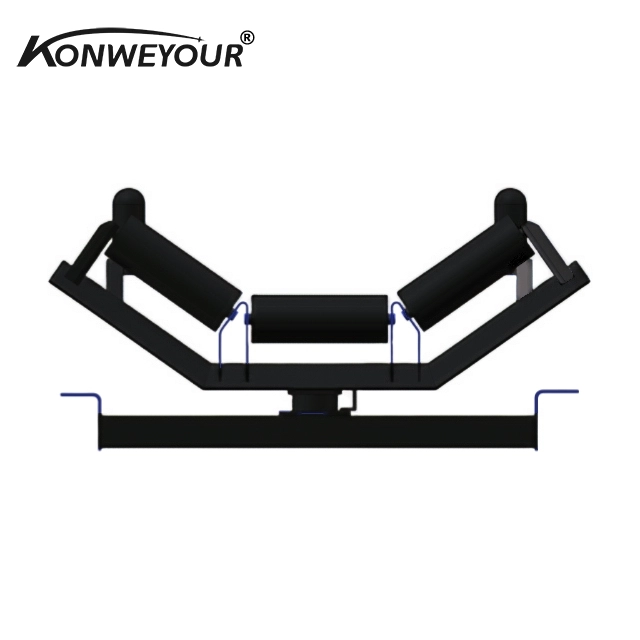
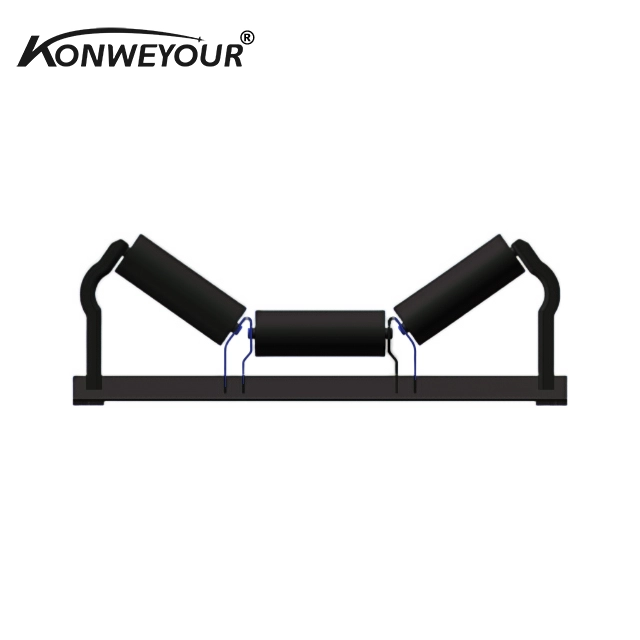
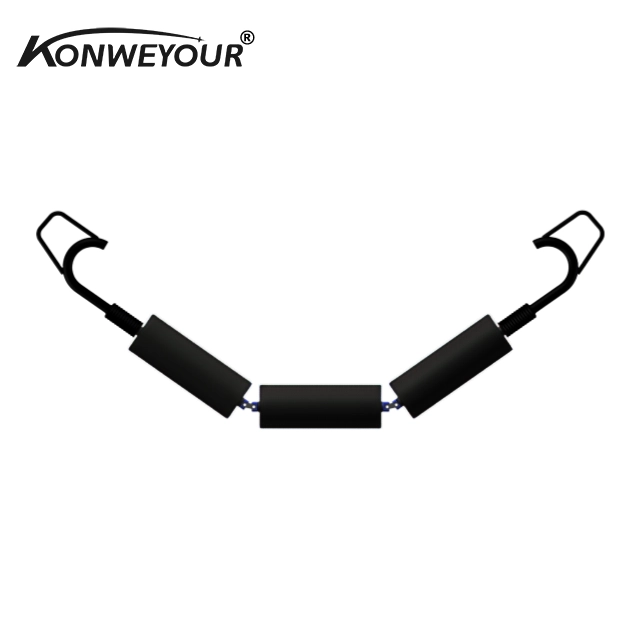
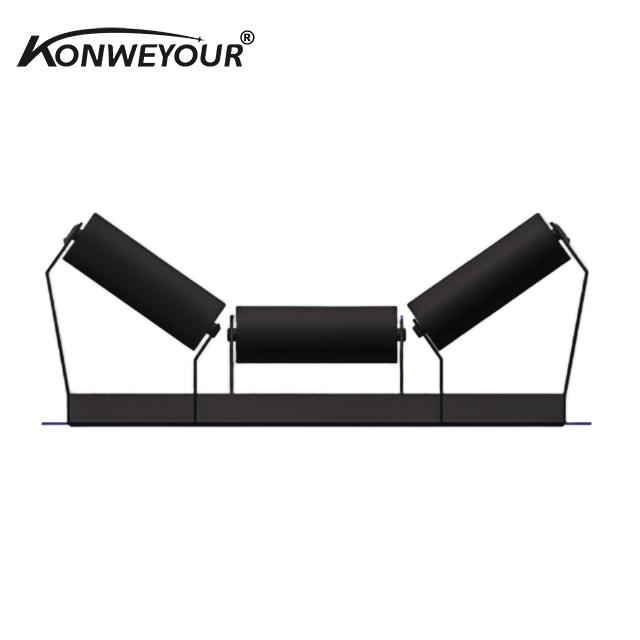
An overland belt conveyor uses a continuous belt supported by rollers or idlers to move materials along a designed path, which can include inclines, declines, and curves.
3. Where are overland conveying systems commonly used?
Overland conveying systems are widely used in mining, cement production, construction material transport, and other bulk material industries.
4. Who manufactures overland belt conveyor systems?
Several overland conveyor companies specialize in designing and manufacturing overland belt conveyor systems, providing custom solutions, installation, and maintenance support.
5. What factors are considered in overland conveyor design?
Overland conveyor design takes into account terrain, material type, belt speed, capacity, energy efficiency, environmental impact, and safety regulations to ensure optimal performance.