What Is a Tripper Belt Conveyor and Why Does It Matter Globally?
At first glance, the term tripper belt conveyor might sound like jargon tossed around in dusty warehouses or huge industrial plants. But if you stop and think about how the world moves vast amounts of bulk materials every day — from coal mines in Australia to grain ports in Europe — you’ll start to see just how vital this technology truly is. Understanding tripper belt conveyors isn’t just an engineering curiosity; it’s a peek into the backbone of modern logistics and industry.
Take the mining sector, for example. According to the International Energy Agency, global mining output contributes trillions annually, and the efficient movement of mined materials hinges heavily on conveyor systems. Tripper belt conveyors, in particular, ensure that materials can be selectively loaded and diverted to multiple points, streamlining operations and reducing mechanical redundancy.
Mini takeaway: Tripper belt conveyors enable large-scale, flexible material handling— a keystone in industries where time, efficiency, and precision truly count.
The Global Context: Why Tripper Belt Conveyors are Key Today
According to a 2023 UN report on industrial sustainability, efficiency in bulk transport systems can reduce greenhouse gas emissions by up to 20% compared to traditional truck transport. A tripper belt conveyor fits neatly into this picture—helping industries reduce reliance on fossil fuel-powered vehicles, lower labor costs, and accelerate throughput.
Globally, manufacturers face the challenge of optimizing space and power while maintaining adaptability in their operations. Tripper belt conveyors can distribute material loads to various locations from a single source belt, dramatically cutting down equipment footprint and increasing operational fluidity. In humanitarian logistics, such as disaster relief scenarios, moving debris or supplies efficiently can be a logistical nightmare — and tripper conveyors have been quietly solving this for years.
Defining a Tripper Belt Conveyor in Simple Terms
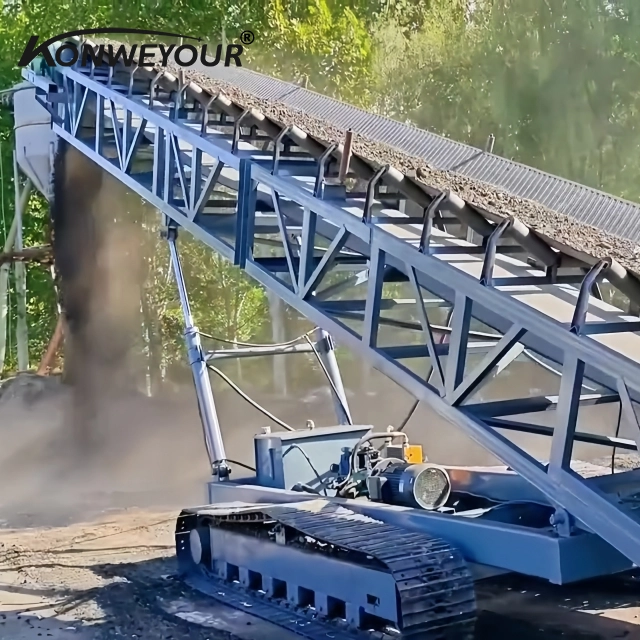
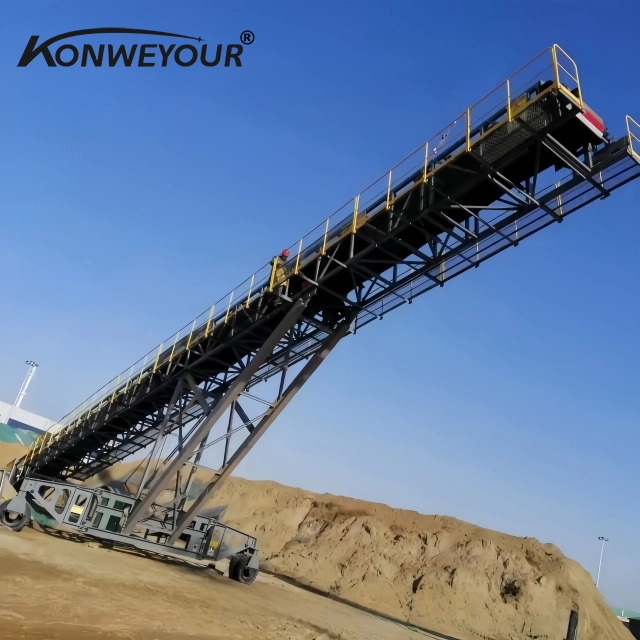
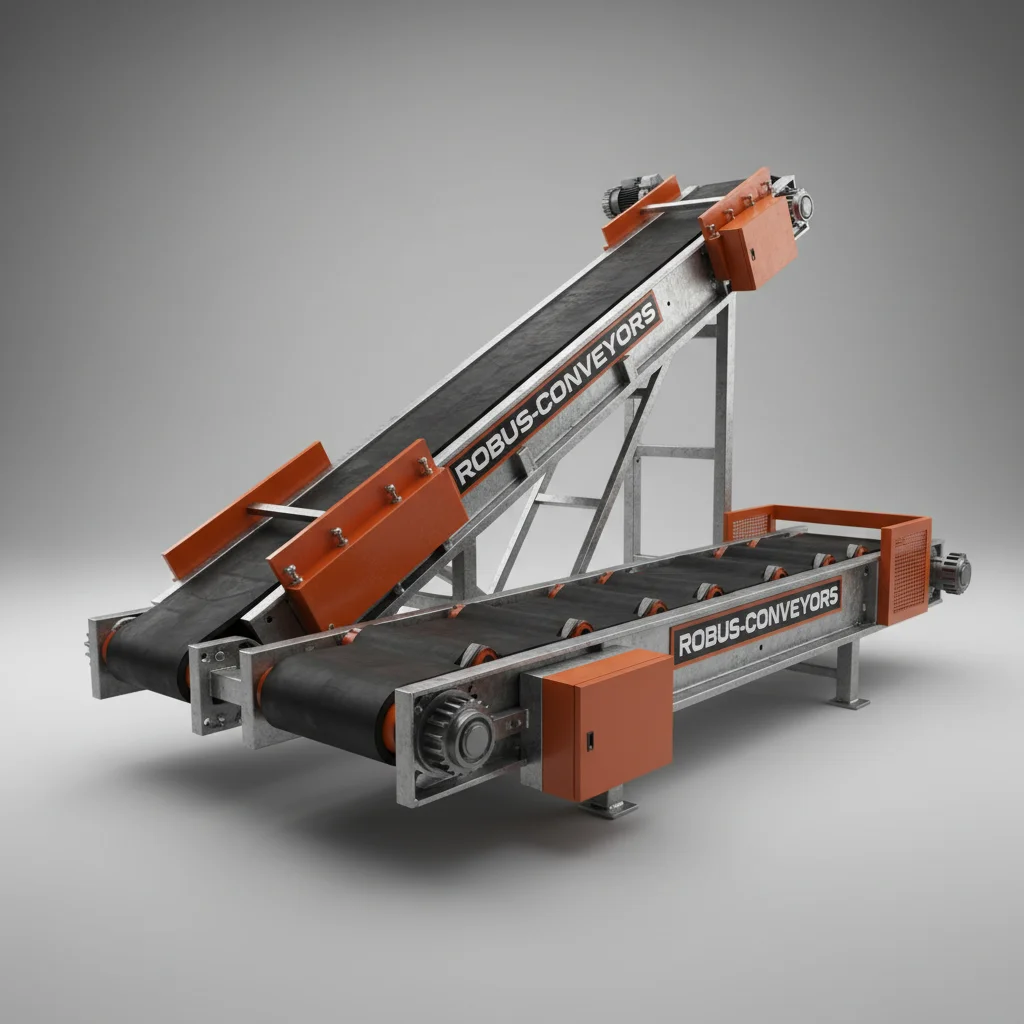
So, what exactly is a tripper belt conveyor? Imagine a long conveyor belt moving material from Point A to Point D. Now, place a device on top — a tripper — that can "trip" or shift the load sideways at different positions along the belt, unloading material at multiple points without stopping the entire belt. Simple, right? This setup allows continuous movement while selectively offloading material where needed.
In more technical terms, a tripper is a movable chute or carriage mounted above the main conveyor, which travels along the length of the belt and deposits material selectively. This system’s versatility finds roots in industries needing increased automation and flexibility — mining, agriculture, recycling, and even large-scale construction. In humanitarian aid scenarios, the same principle aids rapid material deployment or debris removal.
Key Aspects of Tripper Belt Conveyors
1. Durability
These conveyors operate in tough environments — dusty quarries, salty seaports, humid tropical zones. Materials and construction techniques like corrosion-resistant steel and reinforced belts matter. Many engineers swear by impact rubber liners and sealed bearings to keep everything running smoothly for years.
2. Scalability & Flexibility
One big charm is how a tripper conveyor can be tailored: length can vary from a few meters to well over a kilometer. The tripper itself can be motorized for automatic trip unloading or manually positioned for simpler setups. This adaptability makes them invaluable where material routes or storage locations change often.
3. Cost Efficiency
It sounds obvious, but fewer conveyors and loaders equals less power consumption and cuts on labor expenses. Even when initial investment looks steep, the long-term operational savings and faster material throughput justify the cost.
4. Maintenance & Safety
For operators, system reliability and ease of maintenance rank high. Modular design principles, condition monitoring sensors, and accessible parts reduce downtime. Safety-wise, secure tripper controls and emergency stop mechanisms are non-negotiables — accidents around conveyors can be severe.
5. Environmental Impact
By replacing truck-based hauling within operational sites, tripper conveyors cut emissions and dust. Plus, innovations in low-friction belts reduce energy use. Embedding sustainability with performance is increasingly demanded by stakeholders.
Mini takeaway: Longevity, flexibility, cost savings, and green credentials make tripper belt conveyors a smart choice for modern operations.
Where in the World Are Tripper Belt Conveyors Making a Difference?
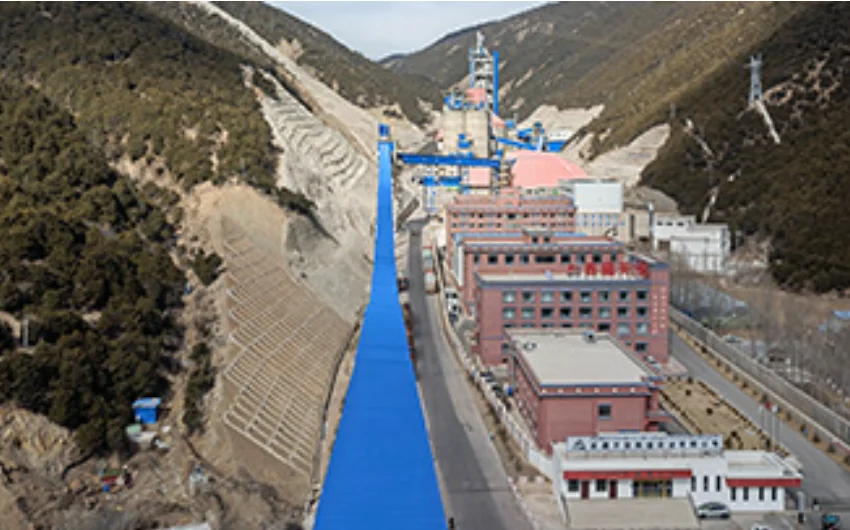
From the dusty mines of Western Australia to the vast grain silos of the American Midwest, tripper belt conveyors help distribute bulk commodities efficiently. In Europe, manufacturers use them extensively in recycling plants to sort materials into categories. In Southeast Asia, mobile tripper systems aid in rapid infrastructure construction projects.
Oddly enough, I once read about a post-disaster relief operation in Japan where temporary conveyors equipped with trippers expedited clearing rubble and transporting emergency supplies—reducing manual labor risks and cutting delivery times by days.
Even in remote industrial zones, where GPS and digital management systems sometimes falter, these machines have been customized with simple controls and rugged designs — a perfect example of how tech evolves but also respects operational realities on the ground.
Advantages & Long-Term Value of Tripper Belt Conveyors
- Cost Savings: Reduced manpower and energy footprint over the system's life.
- Sustainability: Lower emissions compared to truck shuttling; supports circular economy goals.
- Reliability & Safety: Proven heavy-duty design with fewer operational mishaps.
- Operational Agility: Quick adjustments in delivery points save time and boost efficiency.
- Trust & Innovation: Brands investing here signal commitment to customer success and technology leadership.
Many operators will tell you it's less about just moving bulk material and more about building trust — with their clients, their workers, and environmental stakeholders.
Product Specification: Typical Tripper Belt Conveyor System
| Feature |
Specification |
Unit |
| Belt Width |
800 - 1200 |
mm |
| Belt Speed |
3 - 5 |
m/s |
| Capacity |
500 - 2000 |
tons/hour |
| Tripper Travel Speed |
1 - 3 |
m/s |
| Motor Power (Trip Carriage) |
3 - 7.5 |
kW |
| Max Tripper Travel Distance |
100 - 1200 |
m |
Comparing Leading Vendor Solutions
| Vendor |
Customization |
Automation Level |
Warranty |
Approx. Cost (USD) |
| Global Conveyors Inc. |
High (tailored tripper paths) |
Fully automated with sensors |
3 years |
$150,000+ |
| ConveyX Solutions |
Medium (standard tripper models) |
Semi-automated, remote control |
2 years |
$90,000 - $120,000 |
| JT Conveyor Technologies |
High (custom tripper & belt integration) |
Automated + IoT monitoring |
5 years |
$130,000 - $170,000 |
Looking Ahead: Trends & Innovations for Tripper Belt Conveyors
The conveyor industry is evolving, no doubt. I spotted several emerging trends worth noting:
- Smart Sensors & IoT Integration: Real-time belt wear monitoring, tripper carriage diagnostics, automated trip scheduling.
- Energy-Efficient Motors & Regenerative Drives: Reducing power consumption, even feeding energy back to grids.
- Eco-Friendly Materials: More biodegradable or recyclable belt materials and lubricants.
- Modular & Portable Designs: Especially popular in disaster relief and rapidly changing industrial sites.
As environmental policies tighten worldwide, expect manufacturers to emphasize sustainability AND uptime more than ever. A conveyor that’s green but unreliable? No thanks.
Challenges You Might Encounter & How to Overcome Them
It’s not all sunshine and smooth belts (pun intended). Deploying tripper belt conveyors can hit roadblocks such as:
- High initial investment: Well, yes. But phased deployment and modular expansion often ease budgets.
- Maintenance complexity: Training operators and using predictive analytics help keep surprises in check.
- Integration with legacy systems: A common headache mitigated by open communication protocols and custom interfaces.
In my experience, focusing on user-friendly control interfaces and proactive supplier partnerships makes a big difference.
FAQ: Frequently Asked Questions About Tripper Belt Conveyors
- How does a tripper belt conveyor differ from a regular conveyor?
- A tripper belt conveyor includes a movable tripper device that unloads material at multiple locations along the belt, whereas a regular conveyor usually unloads only at the end.
- Can tripper conveyors handle different types of materials?
- Yes. They are designed for bulk solids like coal, ore, grain, and recycled materials. Belt and tripper chute designs can be customized for specific material properties.
- What maintenance is required to keep tripper conveyors running smoothly?
- Routine belt inspections, lubrication of moving parts, and monitoring of tripper carriage mechanisms are essential. Many modern systems include condition sensors to predict failures early.
- Are tripper belt conveyors environmentally friendly?
- Generally, yes. They reduce reliance on trucks for internal site transport, lowering emissions and noise pollution. New energy-efficient motors and eco-friendly materials enhance this benefit.
- Can I integrate tripper conveyors with digital control systems?
- Absolutely. Many vendors offer smart automation and IoT-based monitoring, allowing remote operation and performance analysis.
Wrapping Up: Why Investing in a Tripper Belt Conveyor Makes Sense
From reducing costs to boosting operational agility, the humble tripper belt conveyor packs a punch that’s hard to ignore. Its global applications span industries and even humanitarian efforts, proving its versatility and lasting impact. If you want to optimize your bulk material handling while moving toward greener, smarter practices, a tripper belt conveyor should definitely be on your radar.
Curious to explore customized solutions that fit your needs? Visit tripper belt conveyor specialists and find out how you can streamline your bulk handling for years to come.
Mini reflection: It feels like, despite being a bit "behind-the-scenes," tripper belt conveyors quietly keep our world moving — from raw materials to finished products — with elegance and efficiency.
References
- International Energy Agency (IEA) — Industrial energy efficiency reports, 2023
- ISO — Standards on conveyor safety and environmental management
- Wikipedia: Conveyor belt