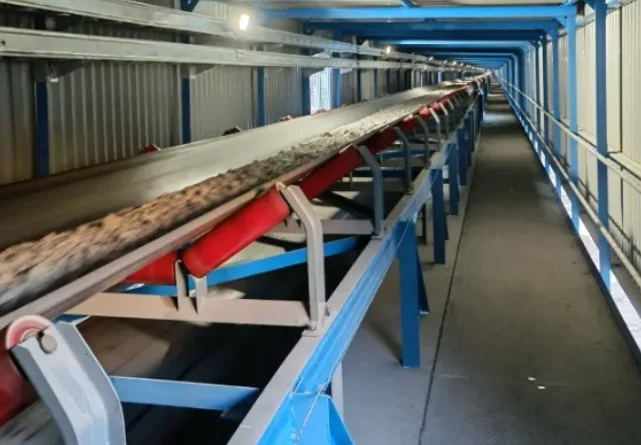
What Is a Sandwich Belt Conveyor and Why It Matters Today
At first glance, a sandwich belt conveyor might sound like some obscure or perhaps culinary invention. But it's actually a crucial piece of industrial equipment quietly powering everything from mining to food packaging worldwide. Understanding its core functions is more important than you’d think, especially as industries relentlessly pursue improved efficiency, sustainability, and safety.
Put simply, these conveyors help transport delicate, loose, or oddly shaped materials without spillage or damage—key in global supply chains circulating raw materials and finished goods. In fact, according to the International Organization for Standardization (ISO), reliable material handling systems like sandwich belt conveyors reduce waste by up to 15% in processing plants. That’s not just cost-saving; it also cuts the environmental impact.
So, if you’re involved in manufacturing, logistics, relief operations, or natural resource extraction, grasping this technology can save you both time and money—quite literally.
Setting the Global Stage: Challenges and Context
Globally, industries are facing increasing pressure to optimize material flow and reduce downtime. The World Bank estimates that inefficient material transport accounts for nearly 20-25% of lost productivity in mining and heavy industries. This is not trivial—it means projects get delayed, costs balloon, and safety risks climb.
Enter the sandwich belt conveyor. Its design addresses some core pain points: material containment, minimizing dust and spillage, and handling fragile or sticky substances gently. As urbanization rises (and with it the need for raw materials), these conveyors help keep complex supply chains humming smoothly.
Oddly enough, in remote mining zones or disaster relief supply lines, you often find these conveyors quietly bridging the gap where road or rail can’t immediately reach. So they’re not just machines; they can be enablers of resilience and quick response.
What Exactly Is a Sandwich Belt Conveyor?
If the phrase puzzles you, think of it as two conveyor belts “sandwiching” the transported material from above and below, gently gripping it so nothing flies off or gets crushed. This ingenious but straightforward system lets operators move everything from powders and granules to fragile fruits without damage or mess.
Sandwich belt conveyors differ from typical single-belt conveyors by virtue of this double-belt arrangement. It’s particularly handy in steep inclines, tricky freight items, or applications requiring precise throughput.
In humanitarian contexts, imagine moving delicate medical supplies or food aid over unstable grounds without the items spilling or getting contaminated — that’s where these conveyors shine.
Core Components and Design Factors
1. Durability and Material Choice
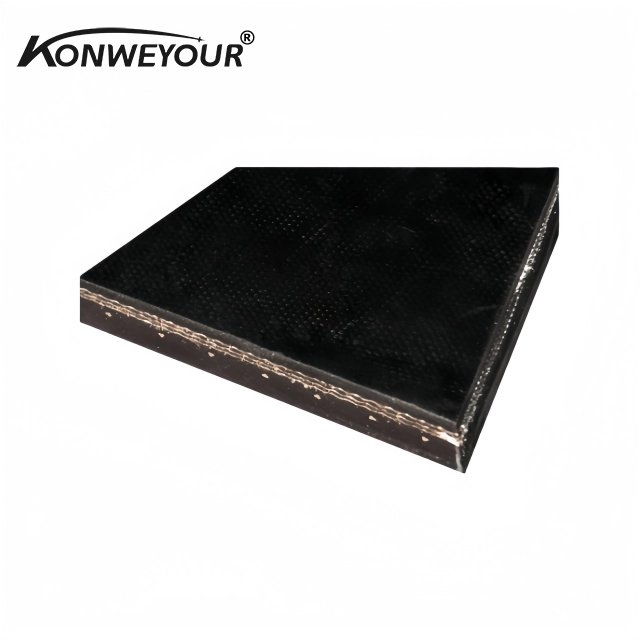
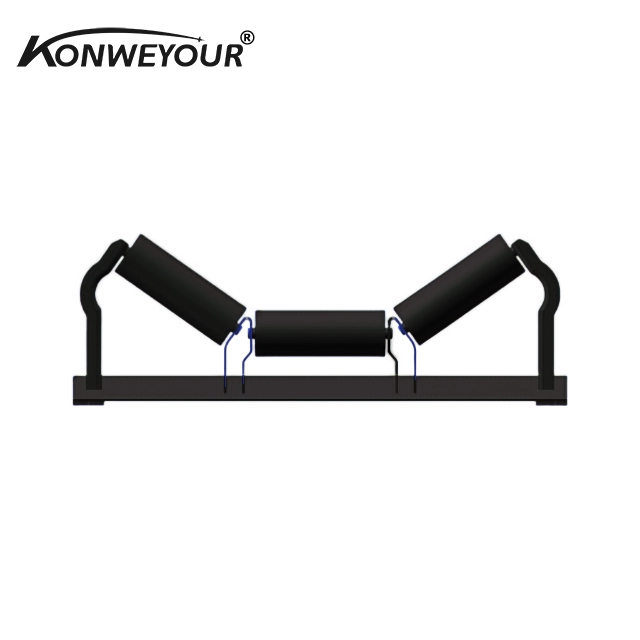
Manufacturers usually use high-tensile steel frames combined with abrasion-resistant belts. The top belt often features a friction-optimized surface to grip materials firmly without tearing them apart. This combination balances longevity with delicate material transport.
2. Scalability and Customization
Whether you’re sorting tiny pharmaceutical granules or giant coal lumps, sandwich belt conveyors scale accordingly. Belt widths, speed controls, and tension systems are adjusted to suit application-specific needs, making these solutions remarkably versatile.
3. Cost Efficiency Through Reduced Waste
The “sandwich” grip reduces material loss dramatically, particularly when handling powders or sticky items. This translates into lower raw material costs, fewer cleanup expenses, and ultimately, a stronger bottom line.
4. Safety and Environmental Impact
By fully containing materials, these conveyors lower dust emissions—a known health hazard—and minimize workplace spills. Some versions even integrate dust suppression systems to meet environmental regulations.
Typical Sandwich Belt Conveyor Specification
| Feature |
Specification |
| Belt Width |
300 mm to 1500 mm (customizable) |
| Conveyor Length |
Up to 50 meters standard, longer on request |
| Maximum Load Capacity |
Up to 3000 kg per meter |
| Speed Range |
0.5 to 3 m/s, variable frequency drive |
| Operating Temperature |
-20°C to +80°C standard; special belts available |
Mini takeaway: The design precision behind sandwich belt conveyors balances durability, adaptability, and safety — making them a smart choice across diverse industries.
Real-World Uses: From Mining to Disaster Relief
Industries worldwide rely on these conveyors, a prime example being the mining sector in Australia and Canada — where loose ore needs contained transport up steep inclines without crushing precious minerals.
In Southeast Asia, I’ve heard NGOs talk about deploying mobile sandwich belt conveyors during post-disaster relief to quickly and hygienically sort medical supplies and food packets — an often overlooked but critical logistical step.
Manufacturing plants in Germany use them to convey fragile electronic components gently, avoiding costly damage, while food processors in the US transport fresh fruit without bruising. With increasingly complex supply chains, many industries can't overlook this quiet conveyor hero.
Advantages and Why They Matter Long-Term
- Cost saving: Less spoilage and waste means fewer raw material losses.
- Environmental Benefits: Dust suppression reduces environmental pollution.
- Reliability: Robust designs mean lower downtime and less maintenance hassle.
- Human Safety: Enclosed material flow reduces workplace hazards.
- Flexibility: Easy to adapt for various materials and production needs.
Frankly, the combination of logical system reliability and emotional peace of mind for operators handling delicate or hazardous materials builds trust that’s hard to quantify but essential for lasting partnerships.
Emerging Trends and Innovative Frontiers
The conveyor world, including sandwich belt systems, is buzzing about digital transformation. Embedded sensors now provide real-time monitoring — from belt tension to throughput consistency — feeding AI-driven predictive maintenance.
Also, there’s a concerted push toward greener belt materials derived from recycled polymers and even bio-based elastomers, partially reducing fossil fuel dependency. Automation helps reduce human exposure to dusty or hazardous conditions.
In years ahead, smart conveyors might even "talk" to warehouse management systems, optimizing flow dynamically in response to real-time logistics demands. It’s not sci-fi; many suppliers already offer parts of these systems.
Challenges and How the Industry Tackles Them
Even the best sandwich belt conveyors aren’t magic. Issues like belt mistracking, wear under abrasive materials, and limits on maximum incline angles can arise. Many engineers tackle this by custom belt coatings, adjustable idler configurations, and enhanced monitoring tech.
Cost remains a factor—custom solutions sometimes scare off smaller businesses. Yet, modular designs and leasing models are emerging to spread investment risk.
Adapting conveyor systems to rapidly changing materials or scaling can be tricky, but many specialists now offer hybrid solutions combining sandwich belts with vibratory or pneumatic conveyors for specific needs.
Comparing Leading Sandwich Belt Conveyor Vendors
| Vendor |
Customization |
Innovation Level |
Price Range |
Global Presence |
| JT Conveyor Solutions |
High — bespoke systems |
Leading edge digital integration |
$$$ (premium quality) |
North America, Europe, Asia |
| Global ConveyTech |
Medium — standard modules |
Focus on automation |
$$ |
Europe, Middle East |
| EcoMove Systems |
Basic customization |
Strong focus on eco materials |
$ |
Asia, Africa |
FAQ: Your Sandwich Belt Conveyor Questions Answered
Q: How does a sandwich belt conveyor improve material handling compared to traditional conveyors?
A: The dual-belt design grips items firmly from both top and bottom, reducing spillage and damage — especially crucial for powders, sticky, or fragile materials. This improves efficiency and cuts waste, unlike single-belt systems that can let materials scatter.
Q: Can sandwich belt conveyors operate on steep inclines or in rough terrain?
A: Yes, that’s one of their main advantages. The "sandwich" action prevents material rollback or spillage on inclines of up to 30 degrees or more, making them ideal for mining or complex industrial layouts.
Q: What maintenance challenges should be expected?
Standard maintenance includes checking belt tension to prevent mistracking, inspecting belt wear, and cleaning dust mites that can accumulate. Digital sensors in modern systems simplify this by sending alerts before issues arise.
Q: Are these conveyors suitable for food and pharmaceutical industries?
Absolutely. Many sandwich belt conveyors feature FDA-compliant belts and easy-to-clean frames designed to meet hygiene standards, ensuring product safety and regulatory compliance.
Q: How to integrate sandwich belt conveyors into existing workflows?
Most vendors offer modular designs or custom-built units tailored for seamless integration. It's important to assess your material type, throughput needs, and space constraints before selecting a model.
Wrapping Up: Why Sandwich Belt Conveyors Are an Industry Staple
In the long run, investing in a sandwich belt conveyor feels less like choosing a piece of equipment and more like embracing a reliable partner in your supply chain. From dust control to material integrity, they walk the line between innovation and simplicity effortlessly.
If you want to explore tailored options that fit your unique industry needs, visit sandwich belt conveyor specialists like JT Conveyor Solutions — they offer a promising blend of cutting-edge tech and expert craftsmanship.
Keep in mind, these conveyors may not get headlines, but they keep the world moving smoothly — often beneath our feet, unnoticed.
Mini takeaway: Whether you’re tackling industrial challenges or delivering critical aid, the sandwich belt conveyor is a subtle yet powerful tool worth knowing about.
References
- ISO Environmental Management System
- World Bank - Industry and Infrastructure Data
- Wikipedia: Conveyor System