Understanding the Travelling Tripper Belt Conveyor: A Global Industrial Lifeline
In the vast world of industrial logistics and material handling, the travelling tripper belt conveyor is one of those quiet heroes that keeps things moving smoothly. Whether it's mining, bulk material transport, or large-scale construction, these conveyors carry the heavy lifting, literally. Globally, as industries race towards better efficiency and sustainability, understanding these machines isn't just for engineers—it benefits planners, humanitarian organizations, and even environmental strategists alike.
Why does it matter so much worldwide? Because moving raw materials quickly and safely, especially in challenging environments, can dramatically reduce costs and optimize operations. Plus, when infrastructure is fragile or rapidly changing—as in disaster relief—the flexibility of these conveyors really shines. So, knowing what a travelling tripper belt conveyor does, how it’s built, and where it fits in modern industry means you’re better equipped to appreciate or even leverage this technology.
Industry Context: The Rising Importance of Travelling Tripper Belt Conveyors
Picture this: According to the UN’s International Labour Organization, over 60 million tons of bulk materials like coal, ore, and grain are transported daily across the globe. Much of that movement depends on belt conveyors. But fixed conveyors have their limits—enter the travelling tripper belt conveyor.
This specific type of conveyor system addresses the challenge of delivering materials over large, often uneven or temporary, sites without the need for multiple installed chutes or transfer points. World Bank data shows a growing demand for flexible bulk handling in emerging economies and remote industrial zones.
In other words, these conveyors solve a looming problem: how to move large volumes swiftly, adapt to shifting site layouts, and minimize downtime. And the rising focus on sustainability means less reliance on heavy machinery and trucks—which ironically, helps reduce carbon emissions.
What Exactly Is a Travelling Tripper Belt Conveyor?
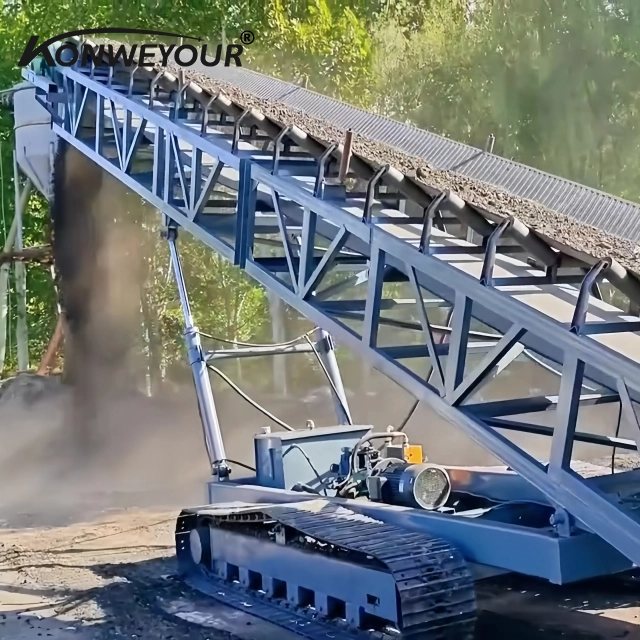
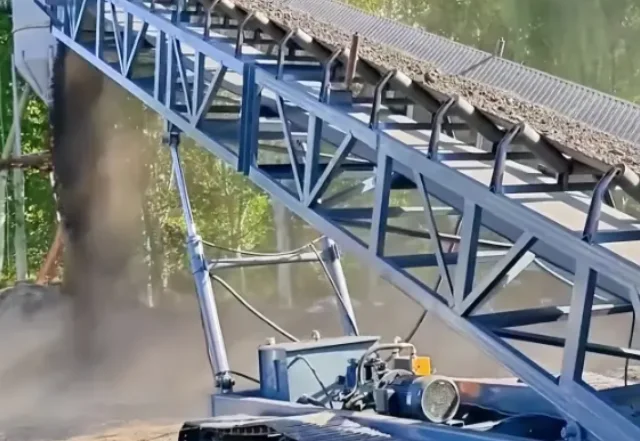
Simply put, a travelling tripper belt conveyor is a type of conveyor system fitted with a “tripper” that can move along the length of the belt. The tripper offloads material at various points as it travels, depositing bulk materials like sand, gravel, or coal to different stockpiles or processing zones without stopping the belt itself.
Think of the tripper as a moving gatekeeper that scoops material and deposits it right where you need it. This flexibility means fewer fixed chutes, reduced manual handling, and faster site changes. For industries and humanitarian projects that rely on quick setup and adaptability, like mining camps or disaster response stations, it’s a game changer.
Core Components and Key Factors Behind Travelling Tripper Belt Conveyors
1. Durability: Built to Endure Harsh Environments
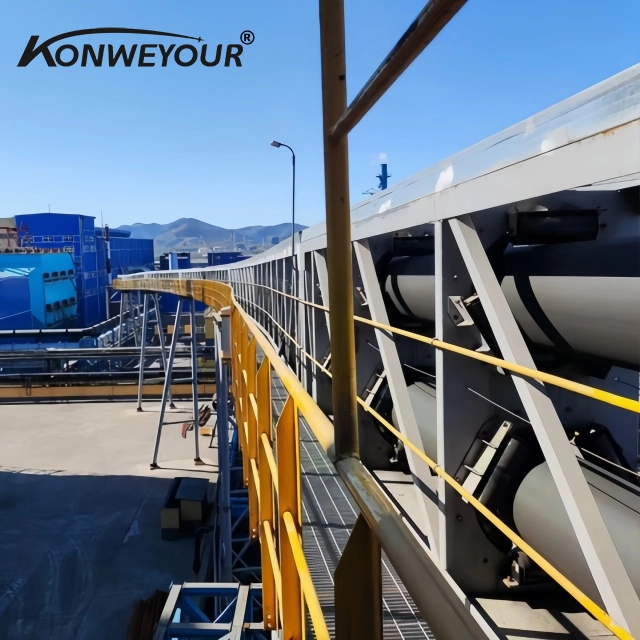
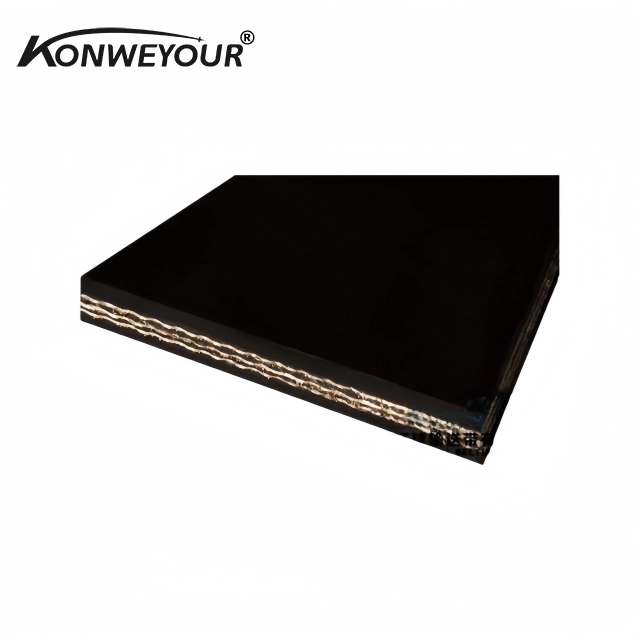
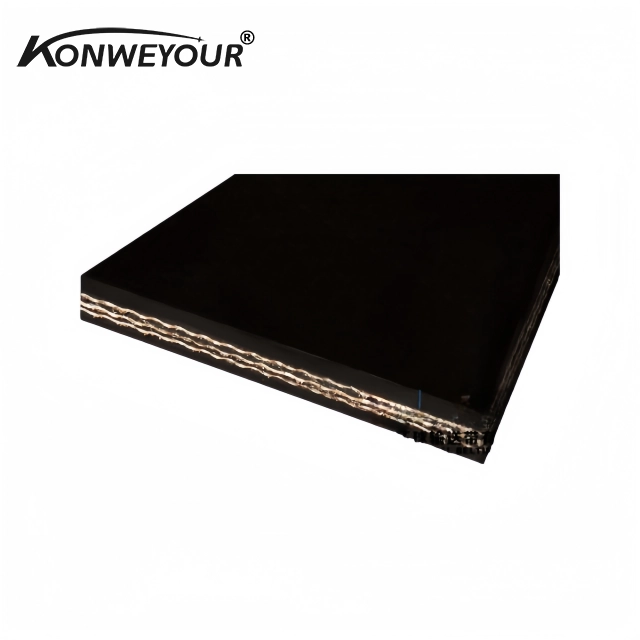
Materials handled are abrasive, often dusty, or wet. Components like steel frameworks, robust conveyor belting, and weather-resistant paints are critical. Many engineers emphasize the importance of corrosion resistance, especially in coastal or tropical regions.
2. Scalability: From Small Sites to Mega Projects
The conveyor length and tripper capacity can be tailored. Modular designs allow easy expansion as operational needs grow. For example, a small mining site in sub-Saharan Africa can gradually upgrade to handle increased volume without a complete overhaul.
3. Cost Efficiency: Reducing Operational and Maintenance Costs
Using a travelling tripper means fewer fixed equipment and less need for re-routing materials manually, saving time and labor. The continuous belt movement saves energy compared to truck haulage, especially at scale.
4. Ease of Use and Safety Features
Controls allow operators to position the tripper remotely, minimizing falls and accidents. Emergency stops, guard rails, and sensor-based monitoring are often integrated.
5. Adaptability to Terrain
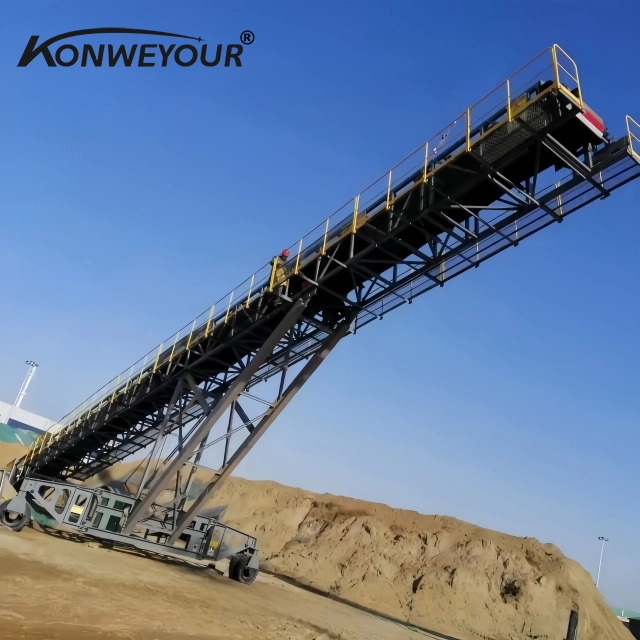
Variable inclines and rough landscapes don’t faze these conveyors. Their design can accommodate slopes and uneven ground, critical when traditional conveyor systems are impractical.
Summary takeaway: The travelling tripper belt conveyor combines strength, flexibility, and smart design to meet complex industrial challenges.
Global Applications and Real-World Examples
Really, these conveyors are everywhere once you start looking. In Australia’s booming iron ore mines, they efficiently stockpile massive volumes with minimal site footprint. In Canada’s forestry sector, they transport wood chips to pulp mills. Even the Stone Age feels distant here.
Humanitarian uses are just as important. After the 2010 Haiti earthquake, relief organizations used travelling tripper belt conveyors to shift debris and move reconstruction materials quickly—crucial when roads were destroyed and time was tight.
Mining in remote parts of Mongolia and infrastructure projects in South America use this conveyor style to adapt swiftly to shifting conditions, proving its versatility beyond heavy industry.
Typical Specification Table
| Specification |
Standard Range |
Notes |
| Belt Width |
600mm – 1400mm |
Varies by material volume |
| Belt Speed |
1.6 – 3.2 m/s |
Depends on drive and load |
| Tripper Travel Length |
Up to 100 meters |
Adjustable to site layout |
| Conveyor Incline |
0° – 15° |
Steeper requires special belts |
| Maximum Material Capacity |
Up to 500 tons/hour |
Depends on belt speed & width |
Advantages and Long-Term Benefits
The travelling tripper belt conveyor offers a host of solid advantages. Logically speaking, it cuts down labor costs and minimizes wear and tear caused by manual rehandling of materials. Emotionally, operators appreciate safer work conditions and less exhausting processes. There’s something reassuring in knowing that a system reduces hazards.
From a sustainability angle, fewer truck movements mean less diesel burned, less noise pollution, and a smaller carbon footprint. Some newer models integrate energy-efficient motors and can work off-grid with solar support, giving them a green edge.
Comparing Top Vendors
| Vendor |
Customization |
Delivery Time |
Warranty / Support |
Pricing Tier |
| JT Conveyor |
High – Modular Designs |
6–8 weeks |
2 years + remote support |
Mid-range |
| Global Belt Systems |
Moderate |
4–6 weeks |
1 year standard |
Budget |
| ConveyorTech Inc. |
Custom Engineering |
8–10 weeks |
3 years premium |
Premium |
Looking Ahead: Future Trends in Travelling Tripper Belt Conveyor Technology
Advancements continue to come. Automation is making the whole setup smarter with AI-driven predictive maintenance, helping avoid costly breakdowns. Imagine sensors reporting belt wear before it becomes a problem, or tripper positioning optimized in real-time.
Materials science is contributing too with ultra-durable lightweight alloys and eco-friendly belts made from recycled polymers. Plus, many manufacturers are integrating renewable power sources—a nod towards greener industry.
Policy frameworks, especially ISO standards for bulk handling and safety, are tightening, pushing vendors and users alike to innovate and comply.
Challenges and Practical Solutions for Travelling Tripper Belt Conveyors
Challenges? Sure, they exist. Tripper moving mechanisms can jam if maintenance lags or if debris builds up. Remote areas may lack skilled operators. Sometimes adapting to unexpected terrain angles causes delays.
The key is proactive maintenance, operator training programs, and modular designs that make parts swap easy in the field. Many sector experts now recommend integrating IoT sensors for remote diagnostics—a huge help when your job site feels unreachable.
Frequently Asked Questions About Travelling Tripper Belt Conveyor
1. How does a travelling tripper belt conveyor differ from a fixed conveyor system?
The main difference lies in flexibility. While fixed conveyors deposit material at a single point, the travelling tripper moves along the belt, allowing material to be offloaded at varying locations without stopping the conveyor. This means quicker, more efficient bulk handling on changing sites.
2. What industries benefit most from this conveyor type?
Mining, construction, agriculture, and even humanitarian relief operations use travelling tripper conveyors. Anywhere bulk materials need efficient, flexible stockpiling or transfer, they’re a strong fit.
3. Can travelling tripper belt conveyors handle wet or abrasive materials?
Yes, they’re designed with wear-resistant belts and materials to handle a range of conditions, including wet, sticky, or abrasive loads. Proper maintenance, however, is critical to prolong lifespan.
4. Are these conveyors energy-efficient compared to truck haulage?
Generally, yes. Conveyors consume electric power but are more efficient per ton-kilometer moved than diesel trucks, especially at scale, making them better for long-term sustainability goals.
5. How can companies ensure safety when operating travelling tripper belt conveyors?
Incorporating sensors, emergency stops, remote controls, operator training, and routine inspections reduces risk substantially. Always follow local industrial safety guidelines.
Wrapping It Up: Why Travelling Tripper Belt Conveyors Matter Long-Term
So, while the travelling tripper belt conveyor might not grab headlines like flashy tech, it’s a pillar in bulk material handling—quietly improving efficiency, safety, and adaptability worldwide. Its blend of mechanical ingenuity and practical function makes it a lasting favorite in tough environments.
If you’re looking to upgrade your bulk handling system or want to explore high-quality travelling tripper belt conveyor options, then taking a closer look at the technology and vendors is a smart first step.
After all, ongoing innovation in this space means better operations and less downtime tomorrow. And that’s a win for everyone involved.
References and Credible Sources:
- Wikipedia: Conveyor belt
- International Labour Organization statistics
- ISO Standards for Bulk Material Handling