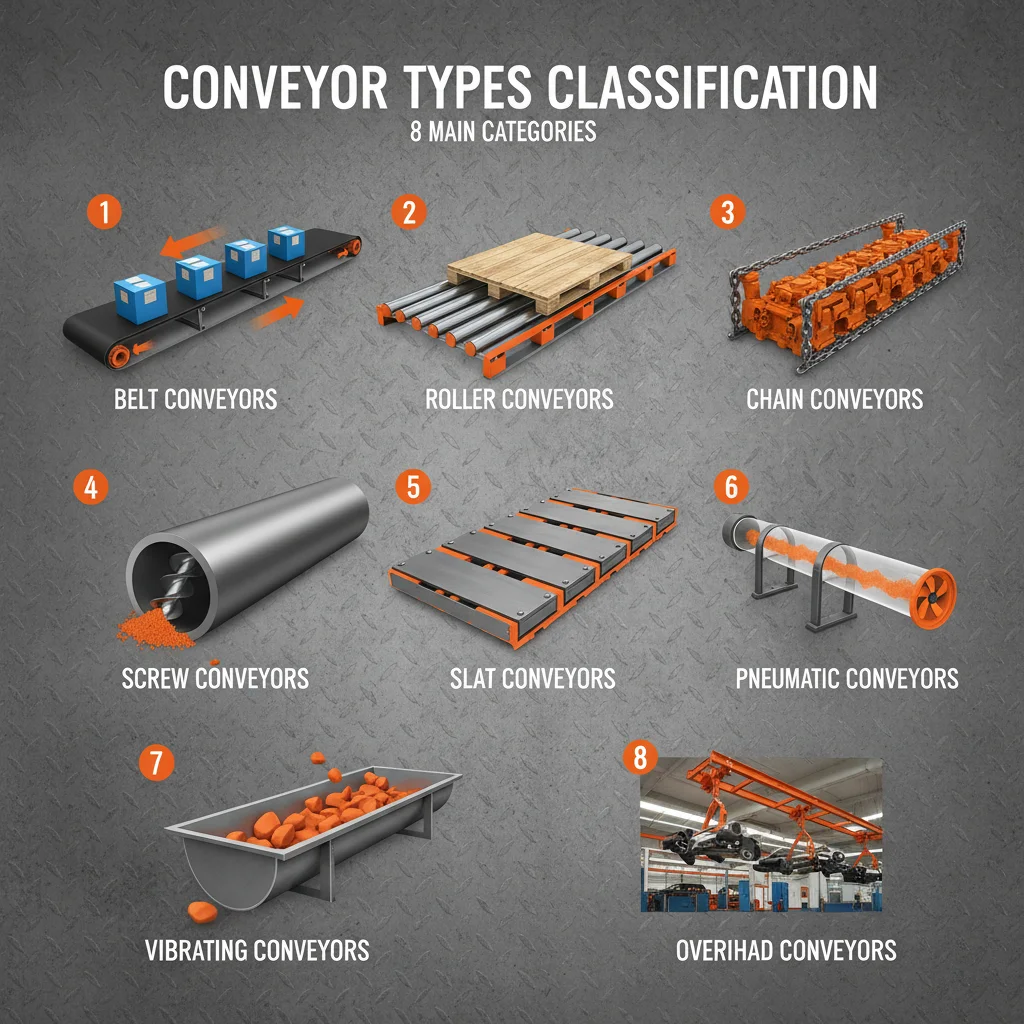
What Exactly Is an Easy Vey Belt Conveyor and Why Should We Care?
Conveyor belts aren’t exactly headline-grabbing tech. But for anyone who’s ever watched supply chains hum, warehouses bustle, or even disaster relief supplies arrive on time, understanding easy vey belt conveyor systems becomes surprisingly important. This topic matters globally because it’s in these humble, continuous loops of rubber and steel that the modern world moves — literally.
From shipping ports in Rotterdam to remote mining sites in Australia, the conveyor belt revolutionizes how goods, raw materials, and even humanitarian aid are efficiently transported. Knowing the nuts and bolts of easy vey belt conveyor designs unlocks huge time and cost savings for industries — and sometimes, it’s a lifeline where access is challenging.
Global Context: Why the World Relies More Than Ever on Easy Vey Belt Conveyor Systems
In the last decade, global trade volume has skyrocketed by over 60%, according to the World Bank, and the logistics sector has had to keep pace with quickly changing demands. ISO standards for conveyor safety and durability keep evolving, but the push for scalability and easy deployment remains a universal theme.
The core challenge these belt conveyors address is simple but critical: how to move heavy goods safely and efficiently, often in tight or tough environments. Industries ranging from automotive to agriculture, and NGOs during disaster relief, lean heavily on conveyor technology that’s reliable yet easy to install and maintain.
So, What Do We Mean by Easy Vey Belt Conveyor?
Simply put, an easy vey belt conveyor is a type of conveyor belt designed for quick setup, modular flexibility, and minimal technical fuss. Unlike traditional, fixed conveyor lines, these systems prioritize user-friendly components that can be adjusted or repositioned on the fly.
In real terms, that might mean a lightweight frame, plug-and-play motors, or standardized belt sizes that reduce downtime. These features make the easy vey belt conveyor indispensable not only in industrial assembly lines but also in humanitarian contexts — think rapid deployment of supply chains where infrastructure is damaged or incomplete.
Key Parts That Make the Easy Vey Belt Conveyor Tick
Durability
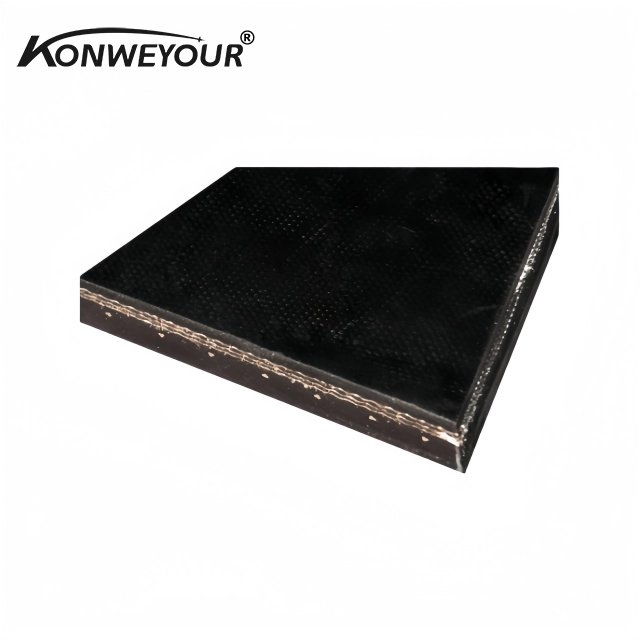
One engineer friend recently told me, “You don’t want your conveyor breaking down during a big run.” The materials used—usually heavy-duty rubber or PVC belts combined with aluminum frames—ensure these conveyors withstand harsh wear and tear, from dusty mines to humid ports.
Scalability
The hallmark of easy vey systems is how scalable they are. Need to extend the line? Swap out a module? The setup’s modular design permits hassle-free length changes and easy integration with other equipment.
Cost Efficiency
Lower installation time directly translates to cost savings. Also, the use of standardized, interchangeable parts reduces maintenance expenses over the conveyor’s lifecycle.
Energy Efficiency
Modern belts incorporate energy-saving motors and smarter control systems, which cut the operational footprint. Given the global push for sustainability, this aspect can’t be overlooked.
Safety Features
With ISO guidelines tightening, safety is a big point. Easy vey conveyors often come with emergency stop switches, protective guards, and low-dust materials, making them workplace-friendly.
Mini takeaway: These core components give easy vey belt conveyors a balance of robustness and adaptability — that combo powers industries worldwide.
How and Where Are These Conveyors Shaping the World?
Actually, you find them in the most surprising places. In Southeast Asia’s bustling export hubs, flexible conveyor belts speed up packing and shipping operations. Notably, in remote mining outposts in Canada, where terrain complicates large-scale construction, their modular form lets companies install and shift lines seasonally.
Humanitarian organizations like the Red Cross have reported using easy vey conveyors for rapid sorting and distribution of supplies after natural disasters — where every minute counts, and setup time can’t stretch for days.
And industry-wide, automotive assembly plants in Germany—known for precision—use these systems for smooth movement between stages without lengthy downtime.
Advantages & The Big Picture Benefits
- Cost-effectiveness: Less installation and downtime mean more savings.
- Reliability: The sturdy build resists failure, keeping production on track.
- Sustainability: Energy-efficient motors and recyclable parts reduce environmental impact.
- Social impact: Enables faster aid delivery, improving human dignity during crises.
- Safety: Meets and often exceeds workplace safety standards, reducing accidents.
The mix of emotional and logical benefits means that, beyond spreadsheets and charts, these conveyors literally help people, their jobs, and entire communities.
Looking Ahead: Innovations Steering the Future of Easy Vey Belt Conveyors
Emerging trends include IoT integration—sensors that monitor belt tension, wear, or jams in real-time and alert operators remotely. Some companies experiment with bio-based or recycled materials for belts to boost sustainability further.
Automation is another frontier. Frankly, the conveyor industry isn’t just about belts anymore; it’s a crucial node in automated factories and smart warehouses.
And last but not least, solar-powered units for off-grid use are gaining traction, which is a game-changer for remote zones and disaster scenarios where power isn't guaranteed.
Current Challenges and How They’re Being Tackled
Despite the progress, some challenges remain:
- Wear and tear speed: High-load environments still wear belts faster than ideal.
- Limited customization for niche needs: Off-the-shelf parts sometimes can't perfectly fit unique processes.
- Installation expertise: While easier than ever, proper setup still needs trained personnel.
Innovative polymer blends help belts last longer, while some firms offer bespoke modular kits customizable via CAD models. Plus, remote installation guidance using augmented reality is a growing solution to bridge expertise gaps.
Easy Vey Belt Conveyor Product Specification Table
| Specification |
Details |
| Belt Width |
300mm – 1200mm (modular segments) |
| Motor Type |
High-efficiency DC servo motors |
| Max Load Capacity |
500 kg/meter |
| Speed Range |
0.2 – 3 m/s, variable |
| Material |
PVC reinforced with nylon & aluminum frame |
| Installation Time |
Approx. 2 hours per 10 meters |
Comparing Popular Easy Vey Belt Conveyor Vendors
| Feature |
JT Conveyors |
FlexiMove |
SpeedLink |
| Installation Speed |
Fast (plug & play) |
Moderate (some assembly) |
Fast |
| Customization Options |
High (modular parts) |
Moderate |
Low |
| Energy Efficiency |
Excellent (DC motors) |
Good |
Fair |
| Market Focus |
Industrial & Humanitarian |
Industrial |
Warehouse Automation |
| Warranty |
5 years |
3 years |
2 years |
FAQ: Common Questions About Easy Vey Belt Conveyor
- Q: How quickly can an easy vey belt conveyor be deployed at a new site?
- A: Typically, installation takes about 2 hours for every 10 meters of conveyor. Thanks to modular design and plug-and-play parts, setup is significantly faster than traditional belts which often require days of assembly and calibration.
- Q: Are these conveyors suitable for heavy industrial loads?
- Yes, most easy vey belt conveyors support loads up to 500 kg per meter, which is sufficient for a wide range of manufacturing and logistics operations. However, for extremely heavy or specialized loads, custom options may be required.
- Q: What maintenance is needed to keep these conveyors running smoothly?
- Routine inspections for belt tension, motor functionality, and cleanliness are recommended. The modular parts make replacements quick, and many modern units feature sensors to warn operators of wear or misalignment.
- Q: Can these conveyors be integrated with digital warehouse management systems?
- Absolutely. Leading models come equipped with IoT sensors and compatible interfaces, enabling real-time monitoring, automation, and efficient workflow management within smart facilities.
Conclusion: Why Easy Vey Belt Conveyors Are Worth Your Attention
In short, the easy vey belt conveyor embodies a pragmatic, cost-effective, and increasingly high-tech approach to moving goods. It’s reliable enough for heavy industry, flexible enough for emergency relief, and efficient enough to meet modern environmental goals.
For those interested in exploring turnkey solutions or custom industrial conveyors, I’d recommend checking out easy vey belt conveyor offerings at JT Conveyors — they seem to strike that rare balance between innovation and practicality.
Mini takeaway: When conveyors work smoothly, the whole supply chain hums — and that, frankly, makes the world go round a little better.
References
- World Bank: Transport Overview
- Wikipedia: Conveyor Belt
- ISO Standards on Conveying Equipment