
In the fast-paced world of industrial logistics, conveyor design serves as the backbone of operational efficiency. Whether it is moving bulk minerals in a mine or sorting delicate parcels in a warehouse, the engineering behind these systems determines the throughput, safety, and energy consumption of the entire facility. A well-thought-out design transforms a simple belt into a strategic asset that minimizes downtime and maximizes profit. Globally, the demand for sophisticated material handling is surging as supply chains become more complex. From the implementation of high-capacity Overland Belt Conveyors to the precision of Tubular Belt Conveyors, the ability to move materials
High-performance bulk material handling requires a sophisticated balance of traction, durability, and system alignment. In demanding industrial environments, the efficiency of a conveyor is often determined by the interface between the belt and the pulley, where slippage and wear are most prevalent. This article examines the technical requirements of modern conveying systems and how specialized components optimize throughput. For engineers and procurement managers, selecting the right equipment involves analyzing the specific stressors of the operational environment such as moisture, abrasive dust, and heavy load capacities. Integrating high-strength materials with advanced bonding techniques allows for a more stable transportation ecosystem
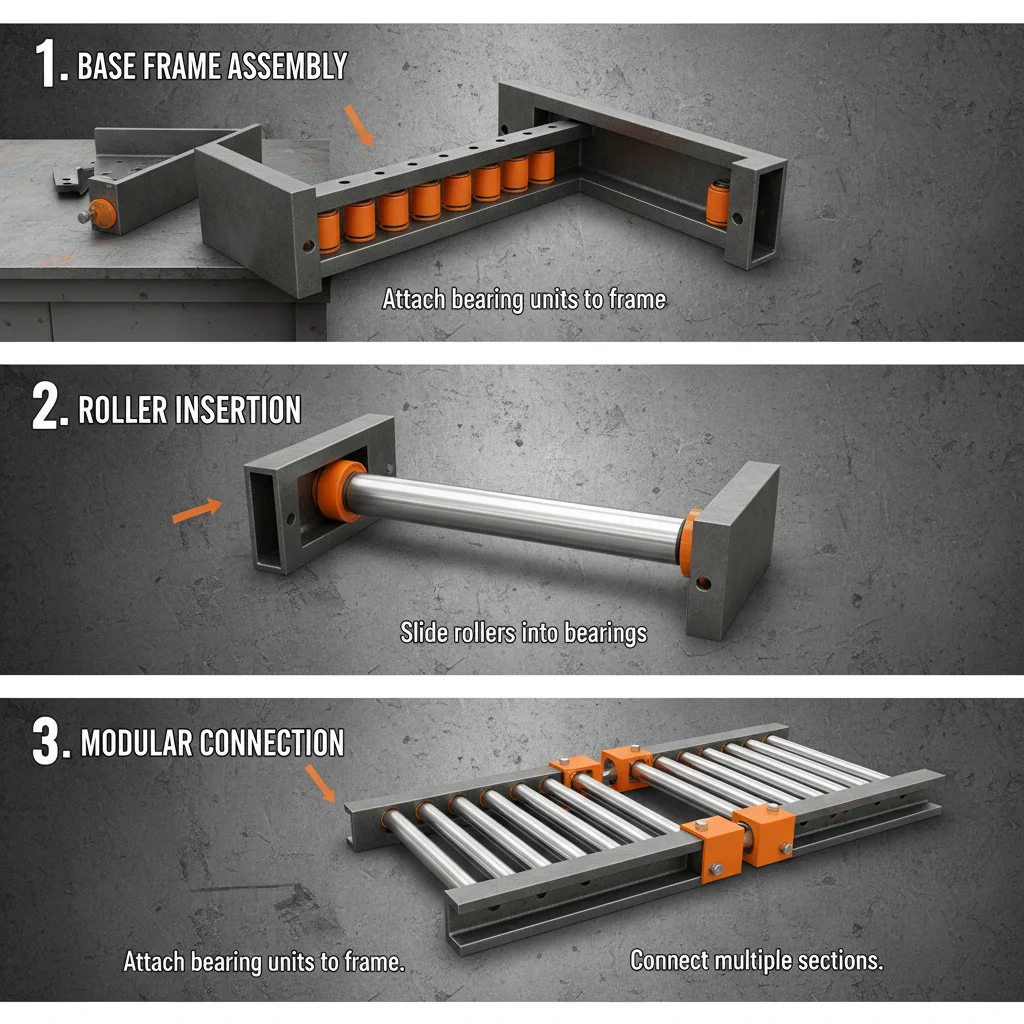
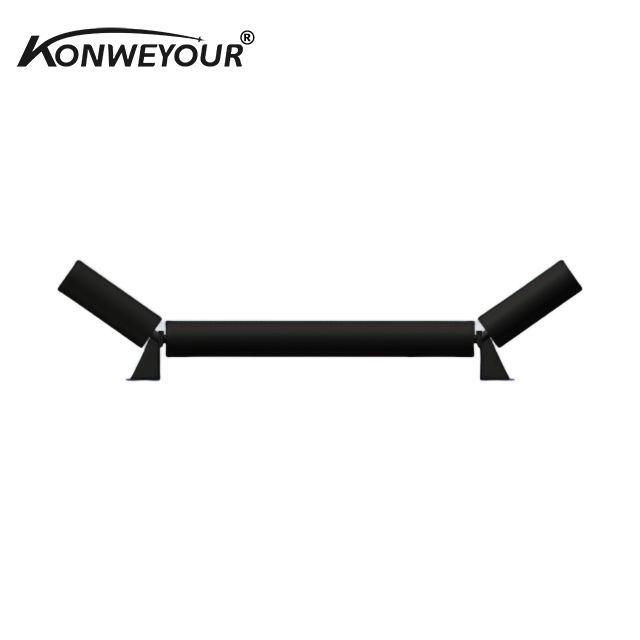
Roller conveyor rollers are the unsung heroes of countless industrial and logistical operations. These seemingly simple components are crucial for efficient material handling, streamlining processes, and boosting productivity. At JT Conveyor, we specialize in providing high-quality roller conveyor rollers tailored to diverse applications. This article will delve into the types, materials, applications, and key considerations for selecting the right rollers for your specific needs. Whether you're optimizing a warehouse, manufacturing line, or distribution center, understanding roller conveyor rollers is essential for maximizing efficiency. Roller conveyor rollers aren’t one-size-fits-all. They come in various types, each designed for specific applications and load capacities. The most common types include: Powered Rollers, Non-Powered (Gravity) Rollers, Tapered Rollers, Spherical Rollers. Choosing the correct type depends on your specific needs, including the weight of the conveyed materials, the distance traveled, and the required level of control.