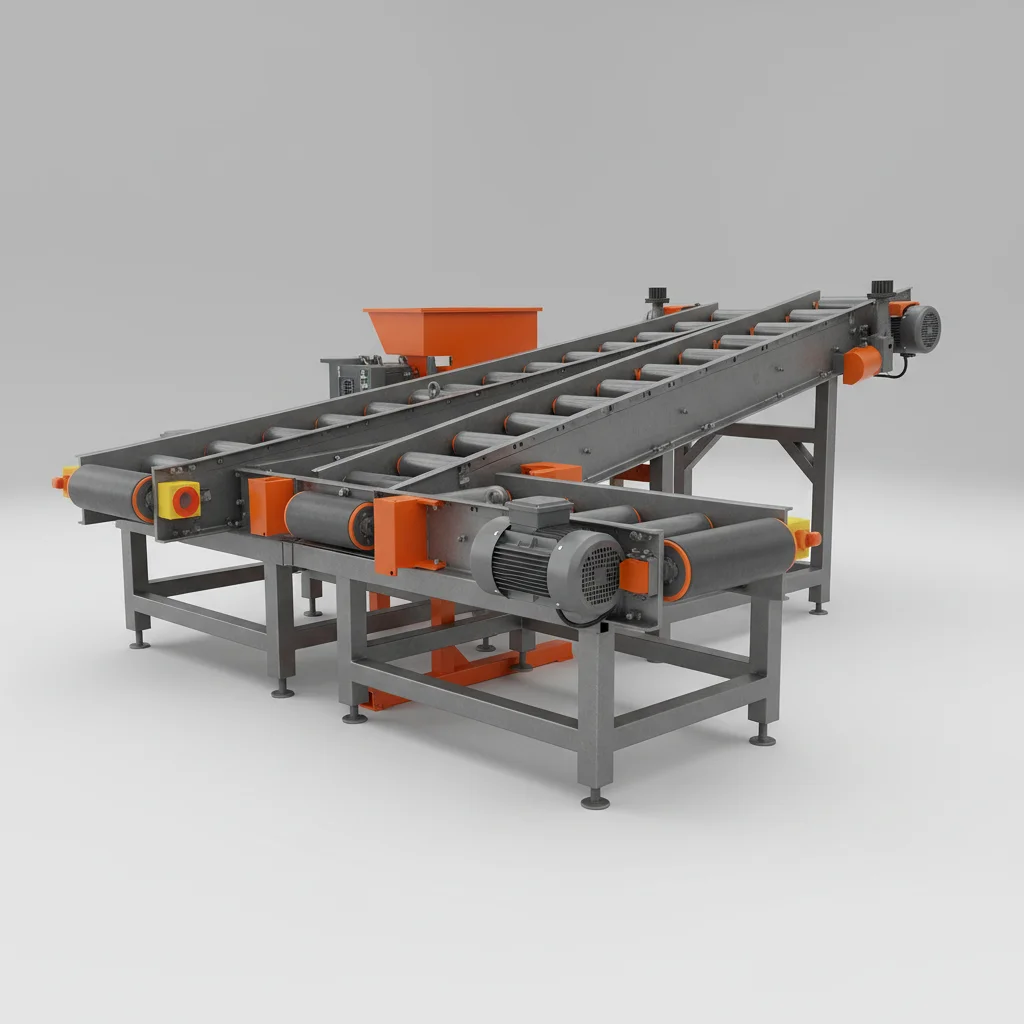
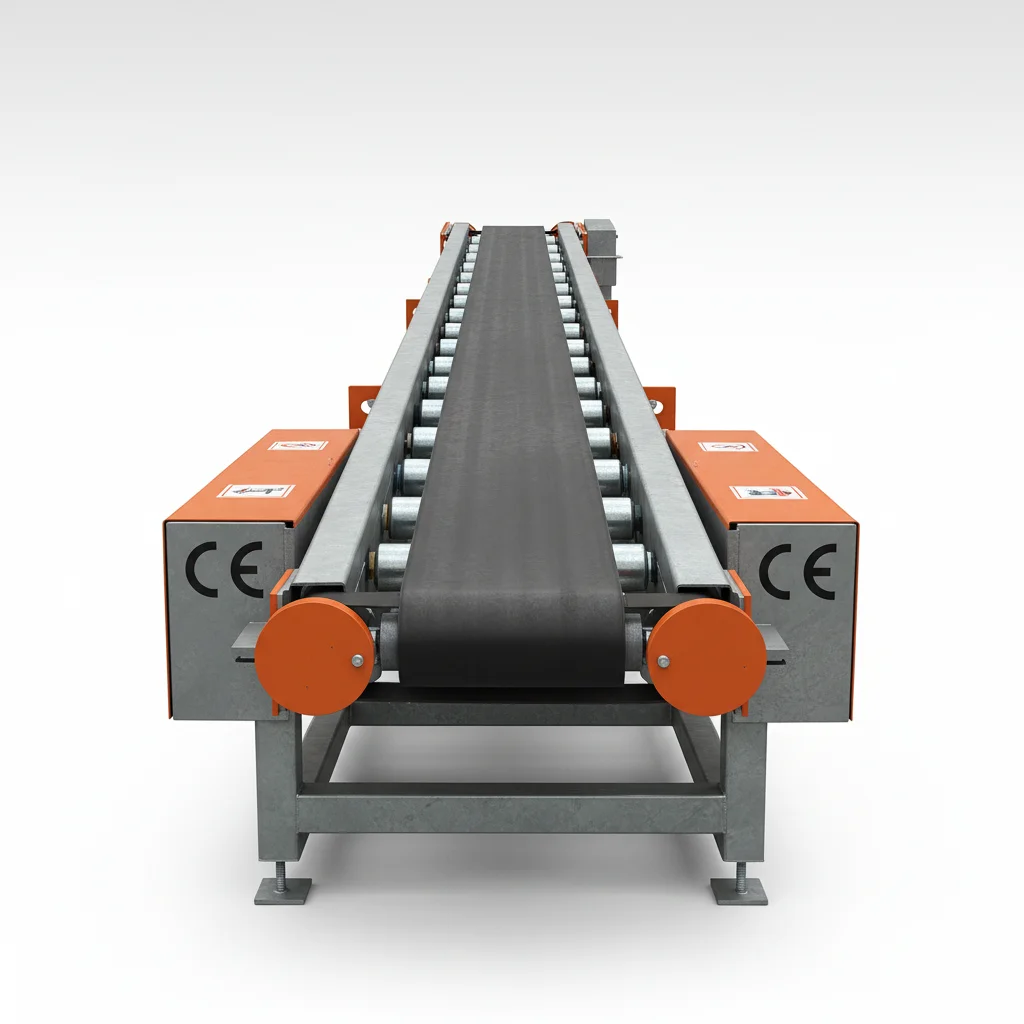
In the fast-paced world of industrial logistics, conveyor design serves as the backbone of operational efficiency. Whether it is moving bulk minerals in a mine or sorting delicate parcels in a warehouse, the engineering behind these systems determines the throughput, safety, and energy consumption of the entire facility. A well-thought-out design transforms a simple belt into a strategic asset that minimizes downtime and maximizes profit.
Globally, the demand for sophisticated material handling is surging as supply chains become more complex. From the implementation of high-capacity Overland Belt Conveyors to the precision of Tubular Belt Conveyors, the ability to move materials across vast distances with minimal loss is a critical competitive advantage. Modern engineering now integrates sustainability and smart monitoring, ensuring that systems are not only powerful but also environmentally responsible.
Understanding the intricacies of conveyor design allows businesses to move beyond "off-the-shelf" solutions. By focusing on the specific properties of the material, the environmental conditions of the site, and the long-term maintenance requirements, companies can implement systems that reduce operational costs and enhance worker safety through ergonomic and automated layouts.
The Fundamental Principles of Conveyor Design
The foundation of any effective conveyor design begins with a deep analysis of the material being transported. Engineers must consider the bulk density, particle size, moisture content, and abrasiveness of the product. For instance, transporting wet ores requires different belt materials and cleaning mechanisms than transporting dry grains, as the former can lead to significant buildup and premature wear on the system components.
Beyond the material, the geometric constraints of the installation site play a pivotal role. Calculating the optimal incline, the necessary belt tension, and the drive power requirements ensures that the system operates within its mechanical limits. A failure to align these principles often results in belt slippage or excessive energy consumption, which undermines the productivity of the entire production line.
Core Components Influencing System Performance
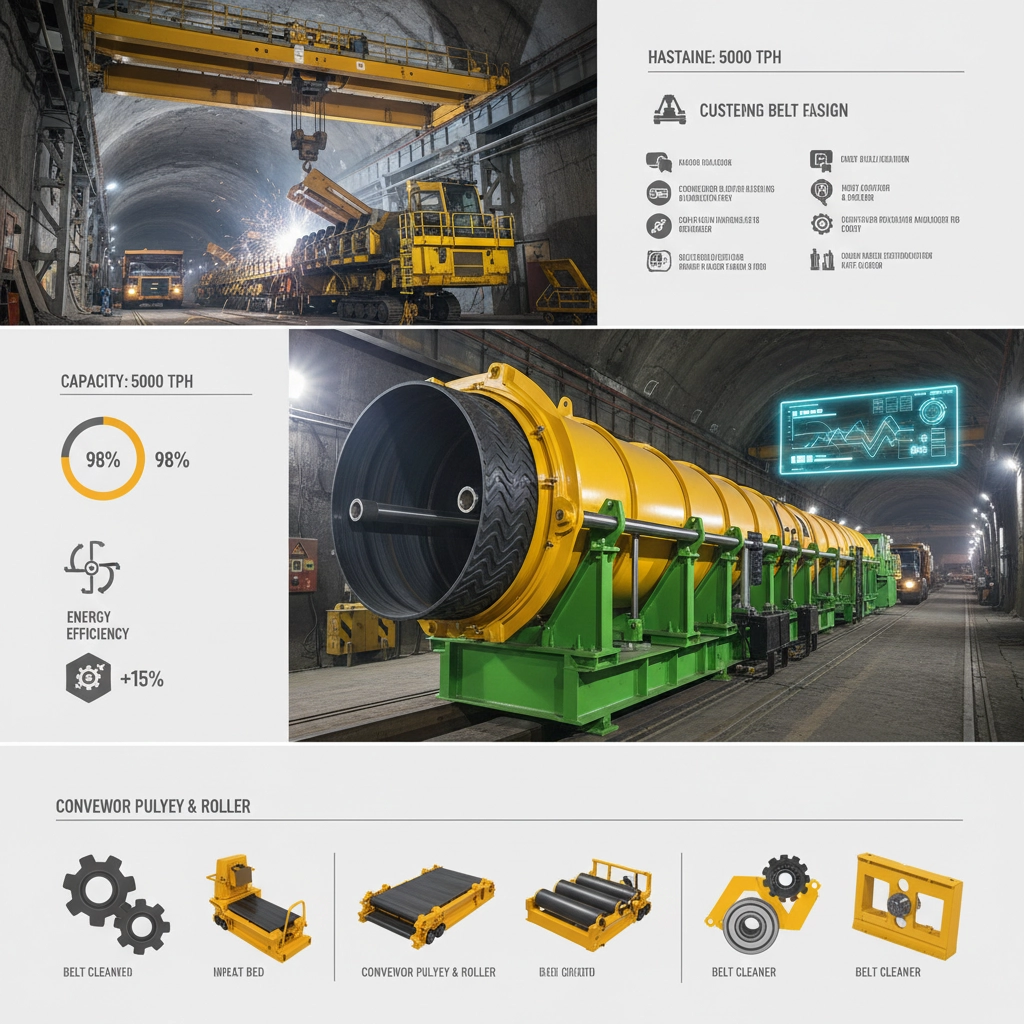
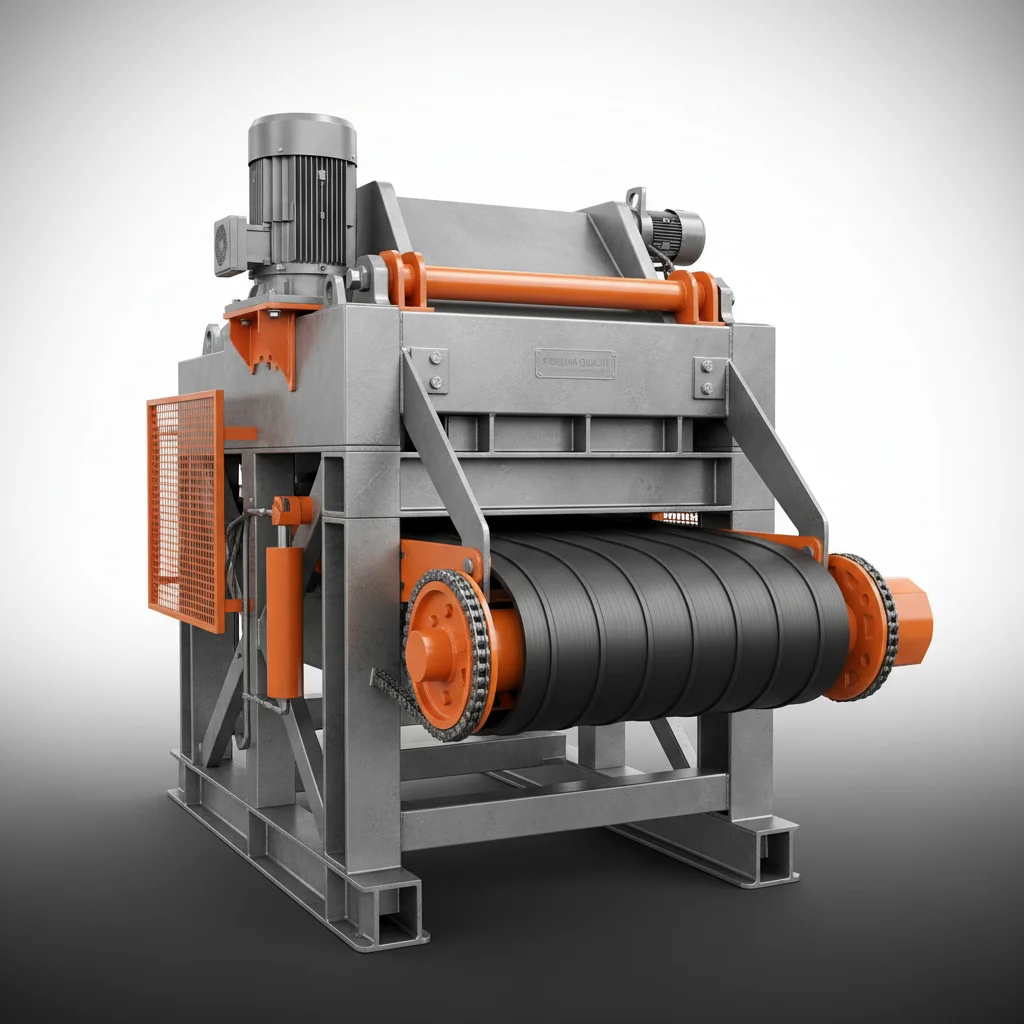
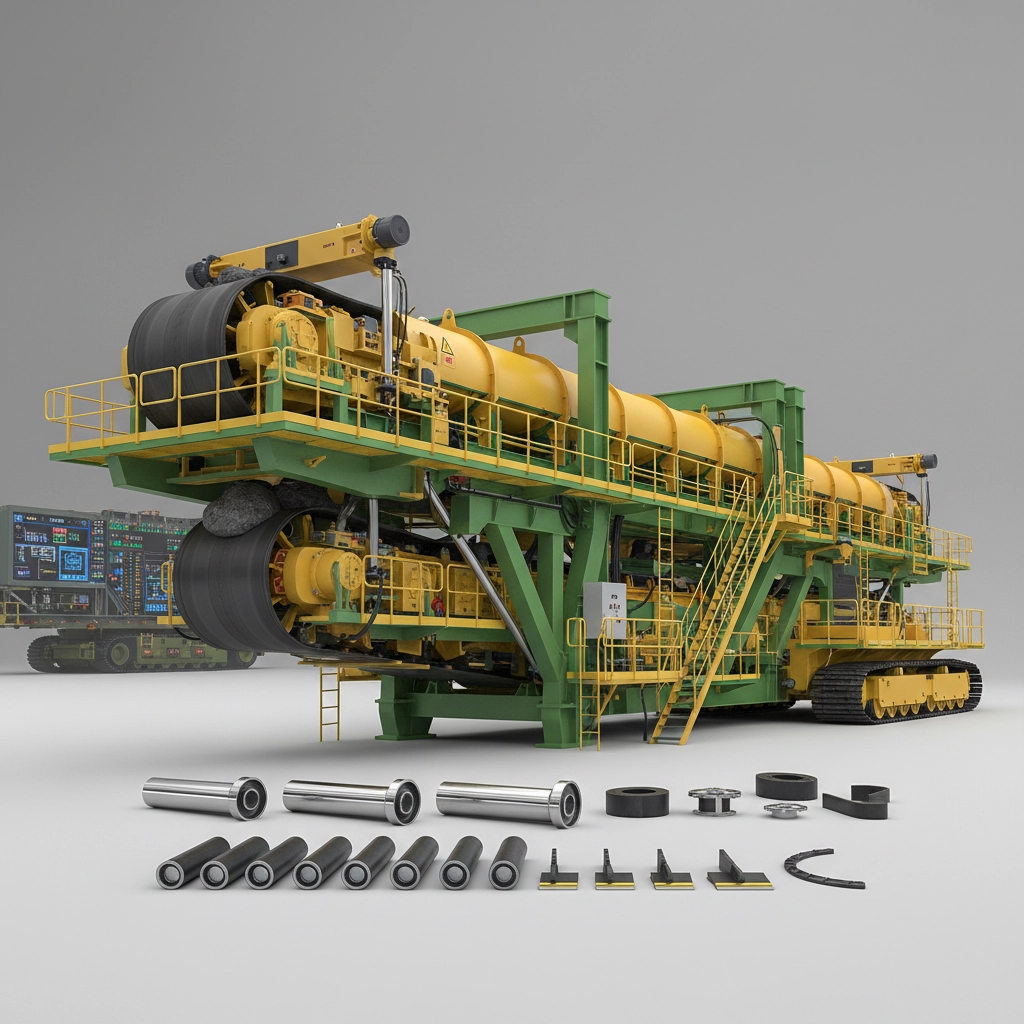
A high-performing system is only as strong as its weakest link. In conveyor design, the selection of Conveyor Pulleys and Conveyor Rollers is paramount. Pulleys must be engineered to provide sufficient friction for the belt to move without slipping, while rollers must be aligned perfectly to prevent edge wear and material spillage. The use of high-grade steel and precision bearings in these components significantly extends the mean time between failures (MTBF).
Furthermore, the integration of specialized accessories like Belt Cleaners and Impact Beds is essential for maintaining system hygiene and longevity. Impact beds protect the belt from damage at loading points where heavy materials drop from height, reducing the risk of punctures and tears. Meanwhile, high-efficiency cleaners remove residual material, preventing "carry-back" which can clog the return rollers and create hazardous working environments.
Finally, the choice of the conveyor belt itself—whether it is a standard rubber belt, a Corrugated Sidewall Conveyor for vertical lifting, or a specialized Underground Conveyor Belt—defines the system's capacity. The belt must be matched to the specific tension and environmental stresses of the application, ensuring that the structural integrity of the conveyor design remains intact over years of continuous operation.
Engineering Factors for Durability and Scalability
Durability in conveyor design is achieved by over-engineering critical stress points and utilizing corrosion-resistant materials. In harsh environments, such as salt mines or chemical plants, the use of stainless steel or specialized coatings prevents premature structural failure, ensuring that the system can withstand the elements without requiring frequent, costly replacements.
Scalability is equally important, allowing a facility to increase its throughput as demand grows. A modular approach to conveyor design enables operators to add new sections, upgrade motor capacities, or integrate Mobile Belt Conveyors into existing lines without a total system overhaul, thus protecting the initial capital investment.
Cost efficiency is not about choosing the cheapest parts, but about optimizing the Total Cost of Ownership (TCO). By investing in precision-engineered components and a robust conveyor design during the planning phase, companies reduce long-term spending on energy and unplanned maintenance, leading to a much higher return on investment.
Global Industrial Applications and Use Cases
In the mining sectors of Australia and Brazil, conveyor design is scaled to an immense level through Overland Belt Conveyors. These systems transport millions of tons of iron ore across rugged terrains, replacing traditional rail transport and significantly lowering the carbon footprint per ton of material moved. The design focuses on long-distance stability and autonomous tensioning systems to handle environmental fluctuations.
In contrast, the logistics hubs of North America and Europe utilize highly flexible conveyor design for e-commerce sorting. Here, the emphasis shifts to speed and precision, incorporating sensors and automated diverters. In urban distribution centers, space-saving designs like Tubular Belt Conveyors are employed to move materials through tight corridors without spilling, ensuring high throughput in restricted environments.
Efficiency Comparison of Conveyor Design Methods
Long-Term Value and Operational Advantages
The primary value of a superior conveyor design lies in its ability to provide unwavering reliability. When a system is engineered to handle peak loads without stress, the risk of catastrophic belt failure is minimized. This reliability fosters a sense of trust within the workforce, as operators can rely on the equipment to perform safely and consistently, reducing the psychological stress associated with machinery malfunctions.
Beyond reliability, the logical advantage is found in sustainability. Optimized designs reduce friction and energy drag, directly lowering electricity costs and greenhouse gas emissions. By integrating energy-efficient motors and low-rolling-resistance rollers, modern conveyor design aligns industrial growth with global environmental goals, providing both economic and ethical value to the organization.
Future Trends in Automation and Green Energy
The future of conveyor design is being reshaped by the Industrial Internet of Things (IIoT). Smart conveyors now feature embedded sensors that monitor belt tension, temperature, and vibration in real-time. This allows for predictive maintenance, where a worn-out roller can be identified and replaced before it causes a belt tear, shifting the maintenance paradigm from reactive to proactive.
Furthermore, the integration of AI-driven control systems is optimizing speed and load distribution dynamically. These systems can automatically slow down conveyors when the downstream process is bottlenecked, preventing material piles and reducing unnecessary energy consumption. This intelligent conveyor design creates a seamless, self-regulating ecosystem of material flow.
We are also seeing a shift toward biodegradable and recycled materials for belt manufacturing. As industries face stricter environmental regulations, the move toward "green" conveyor design involves not only how the machine operates but also the lifecycle of its components, ensuring that materials can be recycled at the end of their service life.
Overcoming Common Challenges in System Design
One of the most persistent challenges in conveyor design is managing material carry-back and spillage. Even the most expensive systems can suffer from material sticking to the belt, which leads to buildup on return idlers and increases the risk of belt misalignment. The solution lies in a multi-stage cleaning approach, combining primary tungsten carbide scrapers with secondary brush cleaners.
Another common hurdle is the "start-stop" shock load, which can stretch belts and damage drive components. Expert engineers overcome this by implementing Variable Frequency Drives (VFDs) and soft-starters into the conveyor design. These technologies allow the belt to accelerate gradually, distributing the torque load and significantly extending the life of the motor and the belt carcass.
Finally, aligning a system over long distances remains a technical difficulty. Modern solutions involve laser-guided alignment tools and adjustable frame components that allow for fine-tuning during installation. By prioritizing precision during the setup phase, companies can avoid the chronic tracking issues that often plague poorly executed conveyor design projects.
Comparative Analysis of Conveyor Design Solutions for Common Industry Challenges
| Challenge |
Design Solution |
Implementation Complexity |
Effectiveness Score (1-10) |
| Material Spillage |
Edge Seals & Skirting |
Low |
8 |
| Belt Misalignment |
Self-Aligning Idlers |
Medium |
9 |
| High Impact Loading |
Impact Bed Installation |
Medium |
10 |
| Energy Waste |
VFD & High-Eff Motors |
High |
9 |
| Material Carry-back |
Multi-stage Belt Cleaners |
Low |
8 |
| Long Distance Drift |
Automatic Tensioning |
High |
9 |
FAQS
The most critical factors include the physical properties of the material (abrasiveness, density, moisture), the required throughput volume, the environmental conditions (temperature, corrosion), and the spatial constraints of the facility. A successful conveyor design balances these variables to ensure the belt doesn't slip, wear prematurely, or consume excessive energy.
Modular design allows companies to scale their operations without replacing the entire system. By using standardized components and flexible frame sections, businesses can easily add new modules or redirect the flow of materials. This reduces downtime during upgrades and significantly lowers the capital expenditure required for facility expansion.
Yes, absolutely. By optimizing the belt tension, selecting low-friction rollers, and implementing Variable Frequency Drives (VFDs), a professional conveyor design can reduce energy consumption by 20-30%. Proper alignment also minimizes internal friction, which reduces the load on the motor and lowers electricity bills.
Standard belt conveyors are flat and typically used for bulk transport in open environments. Tubular belt conveyors wrap the belt into a closed pipe shape. This specific conveyor design is ideal for transporting materials through dusty environments or urban areas because it prevents spillage and protects the material from external contamination.
Replacement schedules vary based on material abrasiveness. However, belt cleaners should be inspected monthly, and rollers should be checked quarterly. A system utilizing predictive maintenance sensors can provide real-time data, allowing you to replace components based on actual wear rather than a generic calendar schedule.
Yes, most existing systems can be retrofitted with sensors, PLCs (Programmable Logic Controllers), and automated diverters. The key is to ensure the structural conveyor design can support the new hardware and that the electrical system is upgraded to handle the automation controllers.
Conclusion
Effective conveyor design is much more than the arrangement of belts and pulleys; it is a complex orchestration of material science, mechanical engineering, and operational strategy. By focusing on durability, scalability, and the integration of smart technologies, industries can achieve a seamless flow of materials that reduces waste and maximizes throughput. From the selection of high-impact beds to the implementation of energy-efficient drives, every detail contributes to the overall stability and profitability of the industrial process.
Looking ahead, the convergence of IIoT and sustainable materials will redefine how we move goods globally. Companies that prioritize precision in their conveyor design today will be the ones best positioned to integrate the automation and green energy solutions of tomorrow. We recommend conducting a comprehensive audit of your current material handling systems to identify bottlenecks and efficiency gaps. For professional guidance and high-quality components, visit our website: www.jtconveyor.com.