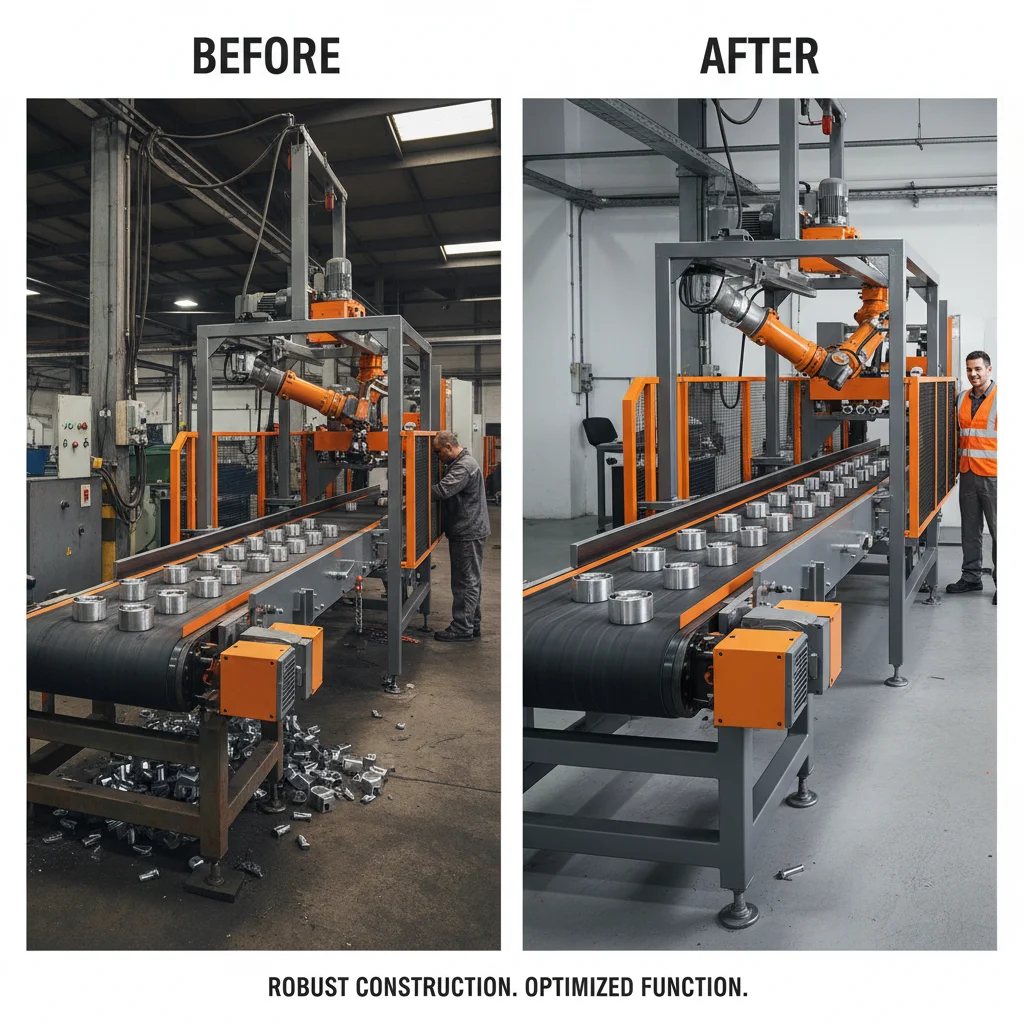
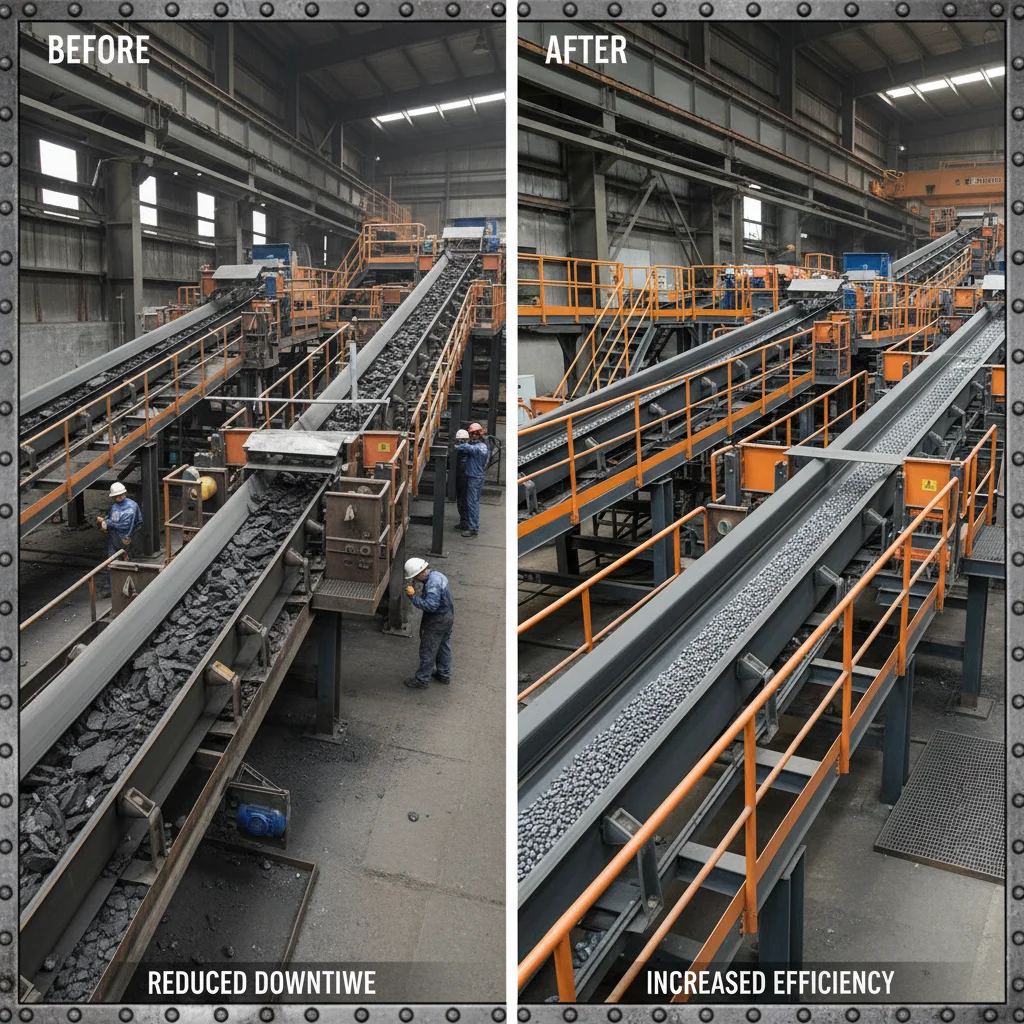
The Secret Behind Efficient Material Handling: Why a 45 Degree Conveyor Matters
Globally, industries are under increasing pressure to maximize efficiency while minimizing costs and environmental impact. Enter the 45 degree conveyor — a seemingly modest component that quietly revolutionizes how materials move through factories, warehouses, and ports worldwide. Whether it’s the reliable pivot in automotive assembly lines or the backbone in food packaging, this solution impacts billions in economic value yearly. Understanding why a conveyor inclined specifically at 45 degrees can make or break your supply chain is more than just practical — it’s essential for staying competitive.
Why the 45 Degree Conveyor Holds Global Significance
The global logistics and manufacturing sectors drive trillions of dollars annually, and yet, they consistently wrestle with one core challenge: efficiently moving goods through constrained spaces. According to the International Organization for Standardization (ISO), industrial automation and material handling standards are a continuing priority for economic sustainability. The 45 degree conveyor solves an age-old problem — how do you move materials upward or downward without taking up too much horizontal space or risking slippage?
Interestingly, the incline angle isn't arbitrary. Studies from the Material Handling Industry have demonstrated that a 45-degree angle strikes an optimal balance between gravity and mechanical assistance for a vast array of products. This angle minimizes power usage and wear, all while keeping throughput rates high — a trifecta that any operations manager dreams about.
What Exactly Is a 45 Degree Conveyor?
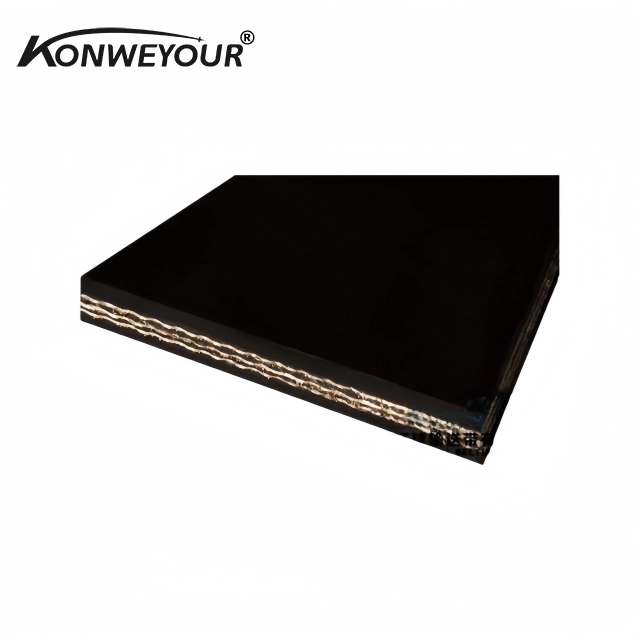
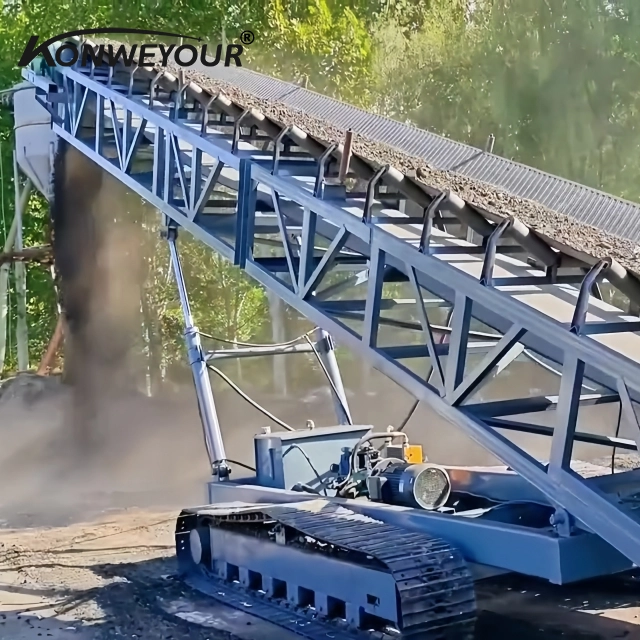
At its simplest, a 45 degree conveyor is a conveyor belt system inclined at — you guessed it — a 45-degree angle. This inclination is often used to elevate materials from one level of a facility to another or to feed packaging lines from bulk storage. The belt can be made from rubber, PVC, or modular plastic, fitted with cleats or sidewalls depending on the product needs.
From a humanitarian perspective, this equipment also finds use in disaster relief logistics. Picture rapid deployment warehouses where supplies must be moved quickly uphill through temporary setups — here, conveyors at 45 degrees ensure steady flow without the risk of backsliding cargo, which is crucial when every hour counts.
Key Factors That Make 45 Degree Conveyors Tick
Durability: Built to Last in Tough Environments
Many manufacturers opt for high-grade steel frames and abrasion-resistant belts to handle everything from heavy machinery parts to fragile food items. Durability directly relates to lower downtime — a big deal when you operate 24/7. For instance, in mining operations in Australia, conveyors must tackle abrasive materials under harsh conditions, and 45-degree setups have been a part of those solutions.
Scalability: From Small Plants to Mega Warehouses
One of the neat things about a 45 degree conveyor is how flexible it is. You can have a compact system lifting small parcels or sprawling arrays moving palletized goods. The modular design often allows scaling up with minimal adjustment, which means operations can grow without costly overhauls.
Cost Efficiency: Saving Energy and Space
Using a 45-degree angle helps optimize floor space, which translates into real estate savings (not trivial when rent skyrockets in industrial hubs). Moreover, the balance of forces at this angle reduces motor sizes needed, bringing down energy bills — a triple win in both eco and economic terms.
Safety: Keeping Materials and Workers Secure
Slippage prevention is a major concern. Specialized cleated belts or grit surfaces prevent materials from falling back, reducing hazards. For workers, well-designed conveyors reduce manual lifting injuries. In food-grade environments, hygienic belt designs also maintain compliance.
Customization: Tailored Solutions for Diverse Industries
From adjustable speed controllers to sensor-based automation, conveyors are no longer 'dumb' belts. Integration with smart factory systems helps monitor throughput, predict maintenance, and adjust angles if needed. Many providers offer bespoke designs tailored to unique needs — a convenience that’s only growing.
Product Specifications for a Typical 45 Degree Conveyor
| Specification |
Details |
| Belt Type |
PVC with cleats |
| Frame Material |
Powder-coated steel |
| Angle of Incline |
45 degrees ±2° |
| Motor Power |
0.75 kW – 2.2 kW, variable speed |
| Load Capacity |
Up to 500 kg per meter |
| Belt Width |
300–800 mm |
How Industries Worldwide Harness 45 Degree Conveyors
It’s fascinating how this conveyor configuration finds itself everywhere — from the sprawling logistics hubs of Rotterdam to remote factories in Southeast Asia. In the electronics sector, tiny components ascend inclined conveyors gently, minimizing damage. Meanwhile, major agricultural exporters in Brazil utilize them to funnel coffee beans uphill for processing.
On a humanitarian note, organizations like the UN use mobile conveyor systems set at 45 degrees in refugee camps, facilitating rapid distribution of aid materials. Such applications underscore the conveyor’s adaptability and reliability — critical when lives depend on timely deliveries.
Vendor Comparison: A Quick Look at Leading 45 Degree Conveyor Providers
| Vendor |
Customization |
Delivery Time |
Warranty |
Eco-Friendliness |
| JT Conveyor |
High (modular designs) |
2–4 weeks |
3 years |
Uses recycled materials |
| Global Conveyors Inc. |
Medium (standard models) |
6–8 weeks |
2 years |
Limited eco options |
| Efficient Movers Ltd. |
Low (off-the-shelf only) |
1 week |
1 year |
Standard materials |
Why Invest in a 45 Degree Conveyor? Long-Term Benefits Worth Noting
- Cost-Saving: Reduced footprint and energy consumption add up to serious budget wins.
- Sustainability: Smart materials and efficient motors align with green initiatives — a big plus for industrial reputation.
- Reliability: When uptime counts, these conveyors rarely disappoint.
- Safety & Dignity: Automating heavy or awkward lifting means fewer injuries and supports worker wellbeing.
- Innovation: Seamless integration with IoT and Industry 4.0 means future-proofing your operations.
Emerging Trends and What’s Next for 45 Degree Conveyors
It’s not just about moving stuff uphill anymore. The future sees conveyors embracing digital twins (virtual replicas for real-time monitoring), AI-driven predictive maintenance, and lightweight composite frames that reduce carbon footprints. 45 degree conveyor systems are also pairing with renewable energy — solar-powered belts in remote facilities, for example.
Moreover, automation is making modular conveyor lines increasingly adaptable on the fly, speeding up changeovers and reducing labor costs. This blend of innovation and environmental awareness feels like the kind of leap the conveyor industry needed for decades.
Common Challenges and How Experts Are Fixing Them
Still, no solution is perfect. Some challenges include:
- Material Slippage: Addressed with improved cleat designs and friction-enhanced belts.
- Noise Pollution: Innovations in belt materials reduce operational hum.
- Space Constraints: Compact modular units help, and creative facility layouts are in use.
- Maintenance Downtime: Sensors now predict faults before they escalate.
Experts recommend regular audits and adopting modular components that can be swiftly replaced rather than repaired on site. This approach keeps things humming and reduces unexpected interruptions — which, frankly, saves headaches.
FAQ: What You Really Want to Know About 45 Degree Conveyors
1. What types of materials work best on a 45 degree conveyor?
Generally, foods, packaged goods, small parts, and certain bulk materials move well if the belt is appropriately cleated or textured. Slippery or irregular shapes may require sidewalls or specialized attachments to prevent falling.
2. Can the incline angle be adjusted if my process changes?
In many modular systems, yes. Though the standard is 45 degrees, some conveyors can be reconfigured between approximately 30 and 50 degrees, depending on frame design and motor specs.
3. How energy-efficient are 45 degree conveyors compared to alternatives?
Because of the angle’s physics, these conveyors require lower motor power than steeper inclines, usually translating into 10-20% savings on electricity in daily operations.
4. Is it difficult to maintain a 45 degree conveyor?
Not particularly. Routine belt cleaning, tension adjustments, and motor checks are standard, but intelligent sensors now make maintenance easier by flagging issues early.
5. Are these conveyors suitable for outdoor use?
Yes, if built with weather-resistant materials and proper protection against dust and moisture. Outdoor conveyor setups often include covers or enclosures for extended durability.
Wrapping It Up: Why the 45 Degree Conveyor is Worth Your Attention
In the end, the 45 degree conveyor isn’t just a belt going uphill — it’s a key operational ally that blends practical design with technological sophistication. It conserves energy, saves space, and keeps production flowing smoothly. If you’re looking for solutions that maximize uptime while lowering costs, this is definitely a contender worth researching more deeply. Need a system tailored to your unique needs? Visit 45 degree conveyor for expert support and customizable options.
Few conveyor designs combine simplicity and impact like those at a 45-degree incline — a small tilt with a huge upside.
References
- ISO - Material handling standards
- Wikipedia - Conveyor
- Material Handling Industry Fundamentals