Understanding Heavy Duty Belt Conveyors: The Backbone of Modern Industry
If you’ve ever wondered how massive quantities of raw materials, products, or debris get from point A to point B—often across daunting distances and rough terrain—the answer often lies in the humble but mighty heavy duty belt conveyor. Beyond just moving stuff, these systems power key sectors globally and keep supply chains humming smoothly. Understanding their mechanics, advantages, and future can be a surprisingly rewarding insight into the pulse of industrial progress.
Setting the Scene: Why Heavy Duty Belt Conveyors Matter Globally
Worldwide, industries from mining in Australia to recycling centers in Europe rely heavily on belt conveyors designed for tough environments. The United Nations Industrial Development Organization (UNIDO) notes that conveyor systems improve output efficiency by up to 40% in heavy industries—a figure that’s huge when you think about volumes handled daily. Yet, a common challenge remains: transporting heavy bulk materials quickly and safely, without frequent maintenance downtime or environmental setbacks.
With global mining expected to reach nearly 2.9 billion tons in 2025 (World Bank estimates), the need for reliable bulk transport solutions has never been greater. Heavy duty belt conveyors address this head-on, helping to reduce costs, energy consumption, and workplace accidents in one fell swoop.
Mini takeaway:
- Heavy duty belt conveyors are essential in managing massive volumes in critical industries worldwide.
- They offer a solution to increasing production demands while battling cost and environmental challenges.
What Exactly Is a Heavy Duty Belt Conveyor?
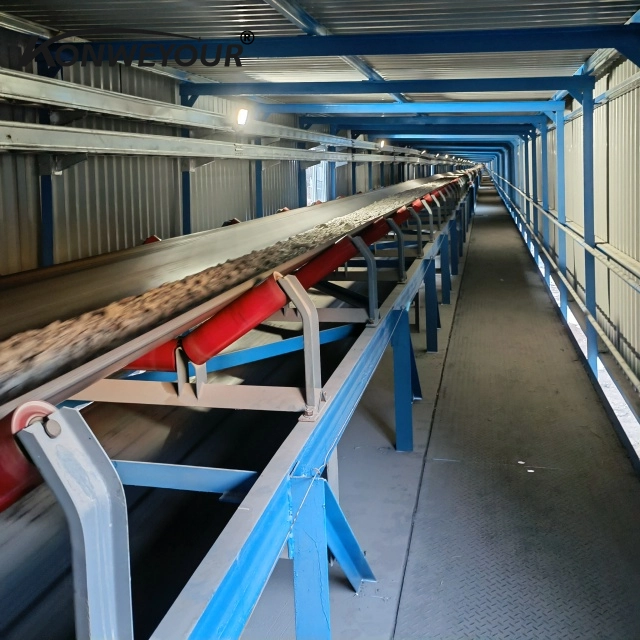
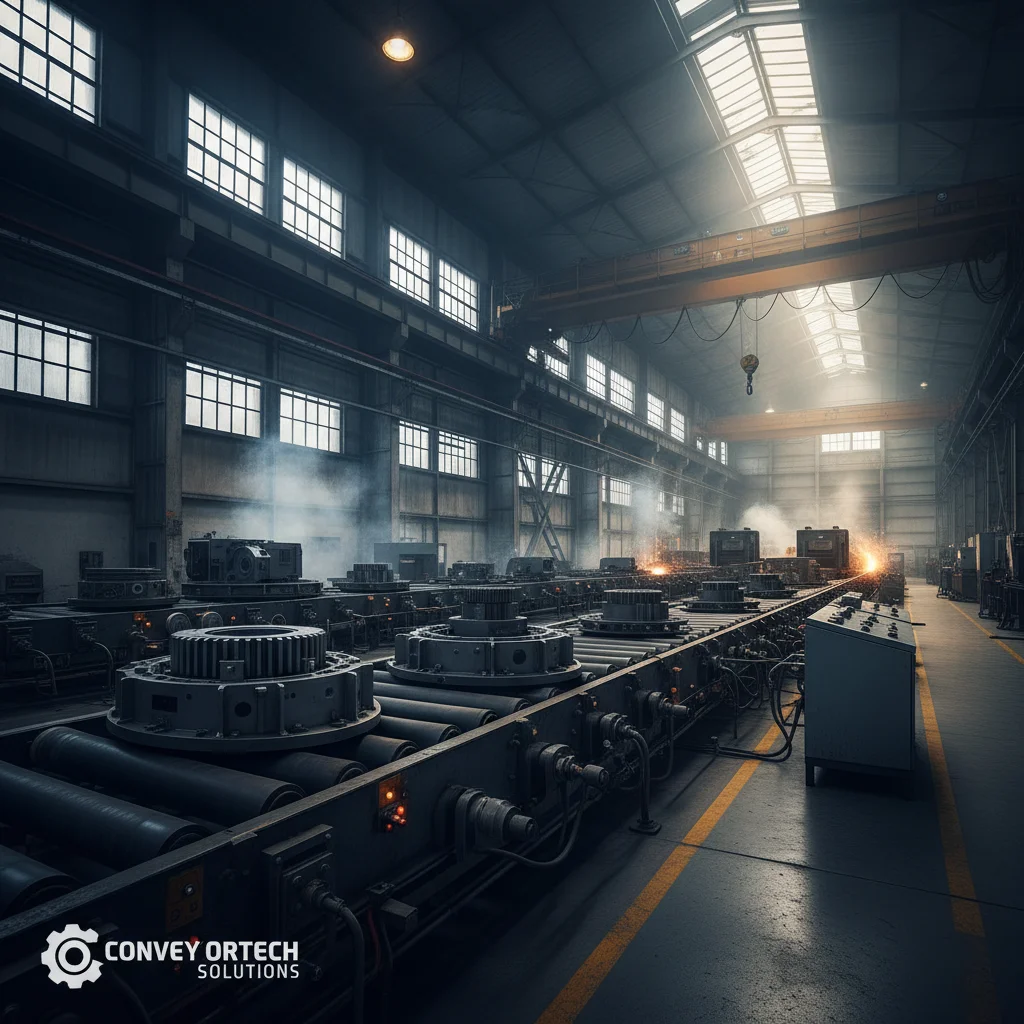
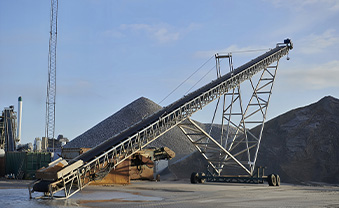
At its core, a heavy duty belt conveyor is a robust mechanical system that moves materials using a reinforced belt looped around pulleys. Designed for weighty, sometimes abrasive cargo, their structure is stronger and more resilient than standard belts. Think of them as the industrial highways, safely ferrying tons of ore, coal, or even finished goods across factories or open landscapes.
Interestingly, these conveyors aren’t just about industry—they also play roles in humanitarian projects. For example, moving construction materials quickly after natural disasters helps communities rebuild faster and safer.
Mini takeaway:
- Heavy duty conveyors specialize in tough environments and heavy loads.
- They serve both industrial and humanitarian logistics sectors.
Core Components That Make It All Work
1. Durability
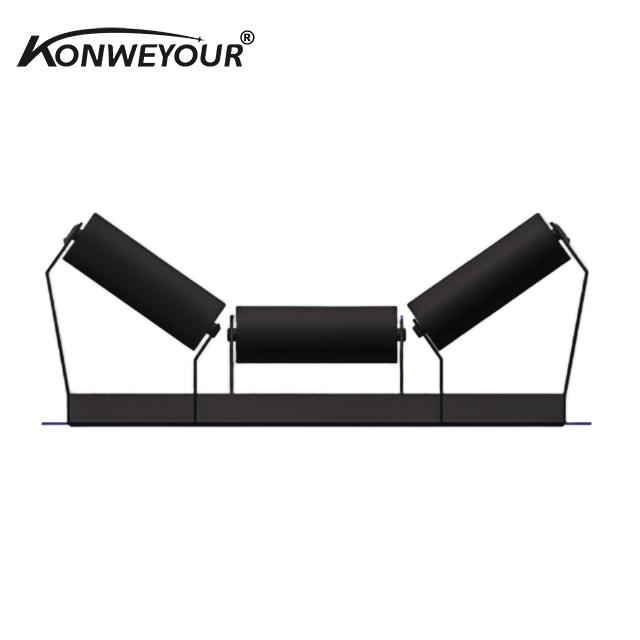
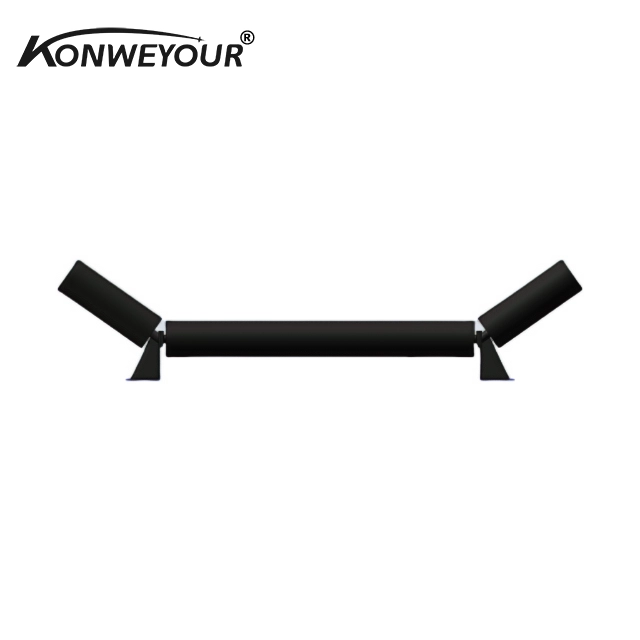
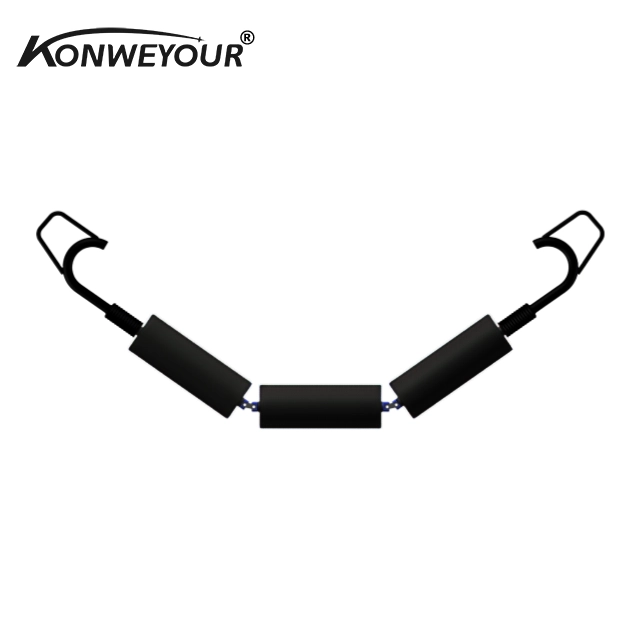
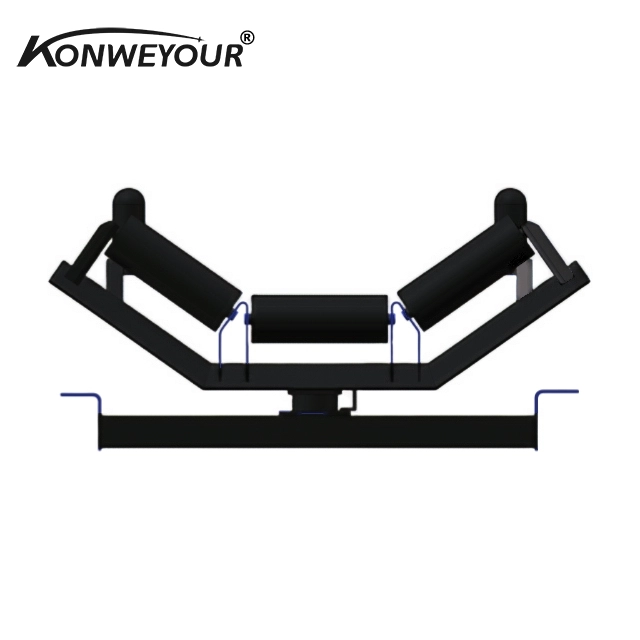
A heavy duty belt conveyor’s durability isn’t just a buzzword. It involves high-tensile strength belts, reinforced frames, and wear-resistant materials designed to last years, even in punishing conditions like open-pit mines. You’ll often find multi-ply synthetic or steel-cord belts that stand up to cuts, abrasion, and temperature extremes.
2. Scalability
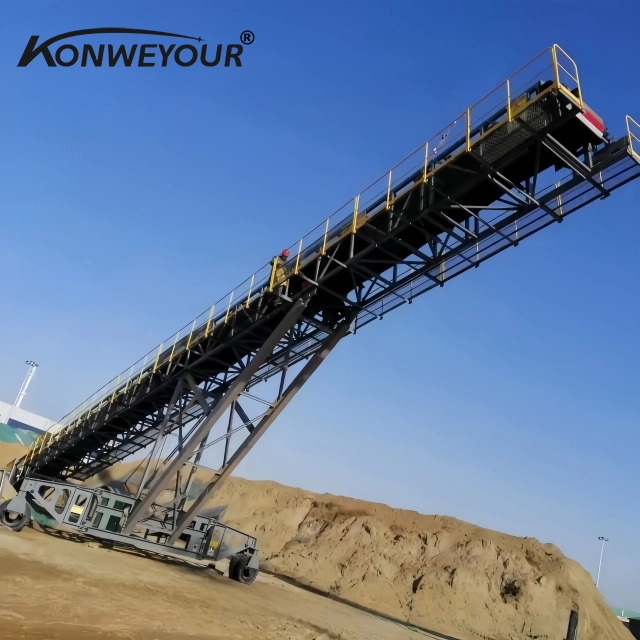
One of the nicest things about these conveyors is how adaptable they are. Whether you need a short run inside a plant or a conveyor stretching several kilometers across a landscape, they can be customized accordingly. Modules and adjustable components mean the system can grow as needs change. Sort of like industrial Lego for moving heavy stuff.
3. Cost Efficiency
Initially, these conveyors might seem like a big investment, but many engineers say the ROI is solid due to reduced manual labor, faster processing speeds, and less downtime. Plus, fewer accidents mean fewer costly interruptions or insurance claims—easy to overlook but crucial benefits.
4. Safety Features
Advanced heavy duty conveyors come equipped with emergency stop systems, protective covers, and transfer guards, designed to minimize hazards to workers and reduce environmental contaminants like dust.
5. Energy Efficiency
Modern systems integrate low-friction bearings, optimized belt tensioning, and intelligent motors to lower energy consumption. Lately, solar-powered or hybrid models have started appearing in remote industrial zones.
Mini takeaway:
- Durability and scalability make conveyors versatile across industries.
- Efficiency and safety are vital for long-term operational success.
Real-World Applications: From Mines to Humanitarian Aid
Heavy duty belt conveyors truly shine in sectors requiring the bulk movement of hefty materials:
- Mining & Quarrying: Australia, South Africa, and Chile exploit these conveyors to move billions of tons of minerals yearly.
- Ports & Shipping: Conveyor systems handle coal, grain, and containers efficiently at ports worldwide.
- Recycling & Waste Management: Conveyors sort and process tons of scrap metal and plastics daily.
- Disaster Relief: After earthquakes or floods, construction materials get moved swiftly to rebuilding sites via portable conveyors.
For instance, in remote mining operations in Northern Canada, a heavy duty belt conveyor reduced material haul time by 25%, facilitating faster project completion and reduced environmental footprint.
Mini takeaway:
- Heavy duty conveyors serve varied industries globally, proving their universal utility.
- In crisis zones, they help rebuild faster by easing logistics.
Advantages & Long-Term Value of Heavy Duty Belt Conveyors
Advantages? Plenty. Beyond the obvious increase in material throughput, these conveyors contribute to:
- Cost Reductions: Less manual labor and maintenance.
- Environmental Sustainability: Lower emissions compared to trucks.
- Enhanced Safety: Safer than human or truck transport in many scenarios.
- Reliability: Designed for 24/7 operation under harsh conditions.
On an emotional level, these systems bring peace of mind to managers who hate unexpected downtime, and dignity to workers who can avoid the most dangerous tasks.
Heavy Duty Belt Conveyor Product Specifications
| Specification |
Typical Range/Value |
Notes |
| Belt Width |
600 mm to 2400 mm |
Custom widths available for unique applications |
| Load Capacity |
500 to 5000 kg/m |
Depends on belt strength and frame design |
| Maximum Length |
Up to 5 km |
Modular design allows extended runs |
| Belt Speed |
0.5 to 6 m/s |
Adjustable based on material nature |
| Operating Temperature |
-30°C to +80°C |
High temp belts available for hotter environments |
| Power Source |
Electric, Solar Hybrid |
Remote locations may favor solar-powered systems |
Comparing Major Heavy Duty Belt Conveyor Vendors
| Vendor |
Main Strength |
Geographic Reach |
Customization Options |
Typical Industries |
| JT Conveyors |
Robust modular designs, fast delivery |
Global |
High (length, belt type, covers) |
Mining, Ports, Construction |
| TransPort Inc. |
Energy-efficient motors, minimal maintenance |
North America, Europe |
Medium |
Recycling, Manufacturing |
| Global Belt Systems |
Heavy loads & extreme conditions expertise |
Australia, South Africa |
Custom engineering solutions |
Mining, Industrial |
Emerging Trends & What’s Next?
Innovation never sleeps, right? Several exciting trends are shaping the future of heavy duty belt conveyors:
- IoT and Digital Twins: Remote monitoring for proactive maintenance is becoming standard—cutting unexpected failures.
- Eco-Friendly Materials: Recycled belt materials and lower-emission motors help reduce carbon footprints.
- Automation Integration: Fully integrated systems communicating with broader plant controls streamline workflows.
- Solar & Hybrid Power: Especially for remote mining, solar-powered conveyors reduce reliance on diesel generators.
Challenges & How to Tackle Them
Of course, heavy duty belt conveyors aren’t hassle-free. Common problems include:
- Belt Slippage: Often addressed with better tensioning and textured belts.
- Wear & Tear: Ongoing replacement of belt surfaces and idler rollers keeps machines reliable.
- Initial Setup Complexity: Can be eased with modular designs and pre-configured kits.
Many suppliers now offer predictive maintenance services—using AI to flag problems before they grow into costly shutdowns. It feels like the future is finally catching up to good old industrial pragmatism.
FAQ: Your Questions About Heavy Duty Belt Conveyors
- Q: How long can a heavy duty belt conveyor run continuously?
A: Most are designed for 24/7 operation with proper maintenance. Downtime usually results from scheduled upkeep rather than wear out.
- Q: Can these conveyors handle abrasive materials like coal or ore?
A: Absolutely. Heavy duty belts are strengthened and often have abrasion-resistant covers to withstand rough cargo.
- Q: How customizable are these systems?
A: Very. From length and width to belt speed and environmental protection, systems can be tailored to your exact needs.
- Q: What about energy consumption?
A: Advances in motor efficiency and belt materials have significantly improved energy profiles. Solar-powered options add sustainability for off-grid locations.
- Q: Can NGOs utilize heavy duty belt conveyors in disaster zones?
A: Yes. Portable, modular designs help in rapid deployment and efficient material transport during relief operations.
In Closing: Why Heavy Duty Belt Conveyors Will Keep Moving the World
So, what’s the takeaway? Whether it’s moving millions of tons of ore or delivering relief materials in disaster zones, the heavy duty belt conveyor is a quiet but crucial hero. Its blend of durability, adaptability, and innovation will make it indispensable for decades to come. Curious to see what fits your needs or just want to geek out about conveyor designs? Head over to JT Conveyor for insights and solutions tailored to your industry.
References
- UNIDO Industry 4.0 Overview
- World Bank Global Mining Data
- Wikipedia: Conveyor Belt