Understanding Brake Belt Conveyor: Why It Matters Globally
In a world that never stops moving, the humble brake belt conveyor quietly powers much of the heavy lifting behind industries ranging from mining to waste management. It’s one of those “invisible” technologies that often go unnoticed but is absolutely critical to efficient, safe, and sustainable material handling. Understanding brake belt conveyors isn’t just for engineers or logistics professionals; it’s increasingly relevant as global supply chains seek smarter, cost-effective solutions that also reduce environmental impacts.
Put simply: brake belt conveyors are specialized conveyor belt systems equipped with braking mechanisms that control the movement of materials, preventing mishaps like belt slippage or sudden load shifts. Such precision is vital when dealing with hazardous materials, steep inclines, or variable transport speeds.
But why the global fuss? According to ISO reports, industrial logistics operations waste billions of dollars annually due to inefficiencies and equipment downtime. Brake belt conveyor systems, by enhancing safety and reliability, help curb this waste, pushing industries toward greener, more economically sound practices.
Mini takeaway: Brake belt conveyors blend safety, efficiency, and sustainability — making them a quiet but global backbone of modern material transport.
A Global Context: Challenges & Roles of Brake Belt Conveyor Systems
From bustling ports in Rotterdam to the vast mining operations in Australia, brake belt conveyors help businesses keep goods moving smoothly. The World Bank estimates that improving industrial transport logistics could increase productivity in developing countries by up to 40%. Yet challenges persist—uneven terrain, fluctuating loads, and safety regulations demand conveyor systems that can adapt.
Consider disaster zones where relief materials need quick, controlled movement over unstable grounds. Brake belt conveyors ensure that aid reaches those in need without stoppages or accidents. Oddly enough, the same friction-based technology that prevents overruns in a remote quarry is also at play in high-volume recycling centers mitigating environmental hazards.
What Exactly Is a Brake Belt Conveyor?
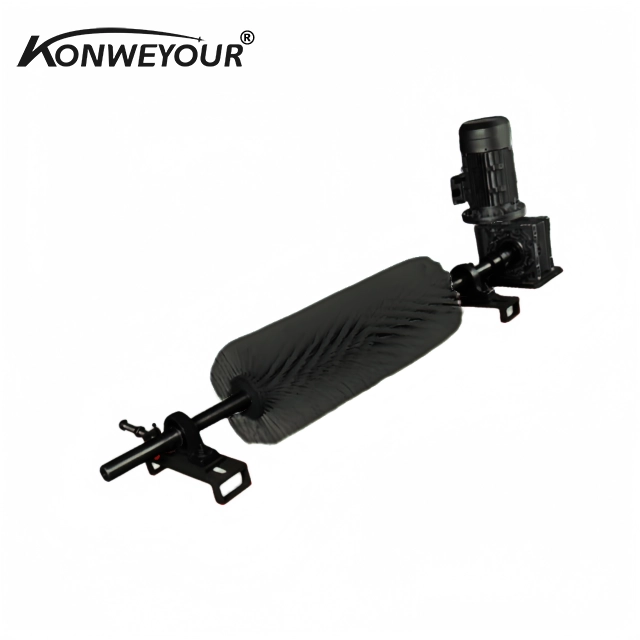
Think of a brake belt conveyor as a standard conveyor belt but with a built-in braking system — kind of like a car’s brake pads but for moving materials. These brakes can be mechanical, electromagnetic, or hydraulic, designed to control belt speed or halt it completely. They prevent uncontrolled belt acceleration or rollback, particularly important on steep inclines or heavy loads.
In modern industry, these conveyors interface with sensors and automated systems to modulate flow or act as emergency stops. Their relevance extends beyond factories, helping humanitarian operations, agriculture, and even airport baggage handling maintain order and safety.
Key Elements to Consider in Brake Belt Conveyor Systems
1. Durability and Material Quality
Many engineers stress that brake belt conveyors must withstand harsh environmental conditions — dust, moisture, even corrosive substances. Industrial-grade steel brakes combined with weather-resistant belts can extend machine life by years.
2. Scalability and Customization
Because industries vary from tiny workshops to mega logistic hubs, conveyor dimensions, belt materials, and brake types need to be customizable. Scalability ensures they can handle everything from light parcels to tons of ore.
3. Energy Efficiency
Modern brake systems often incorporate energy-saving electromagnetic brakes that reduce electric consumption. The smarter the system, the less waste—large industrial facilities can save significant overhead through such efficiencies.
4. Safety Features
Overload sensors, fail-safe brakes, and emergency stop mechanisms ensure worker safety while reducing equipment wear. Nobody wants a runaway belt causing injury—plus, downtime is costly.
5. Maintenance Friendliness
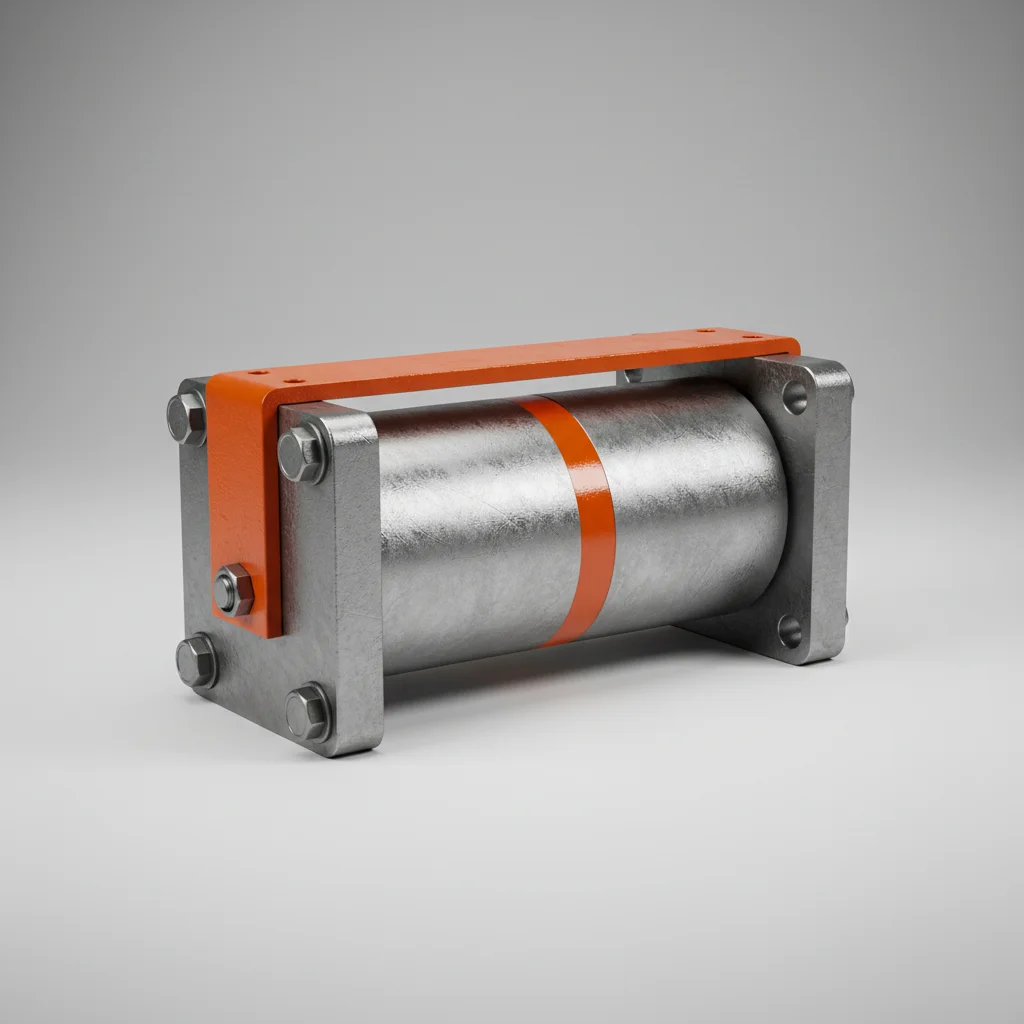
The best brake belt conveyors come with easy-to-access brake units and replaceable parts to slash maintenance time and costs.
Mini takeaway: Durability, scalability, safety, and efficiency create a sweet spot that makes brake belt conveyors both reliable and cost effective.
Real-World Applications: Where Brake Belt Conveyors Shine
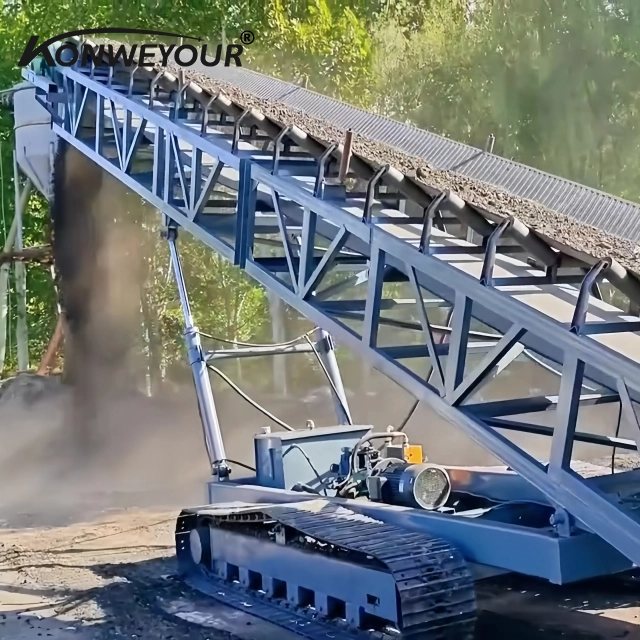
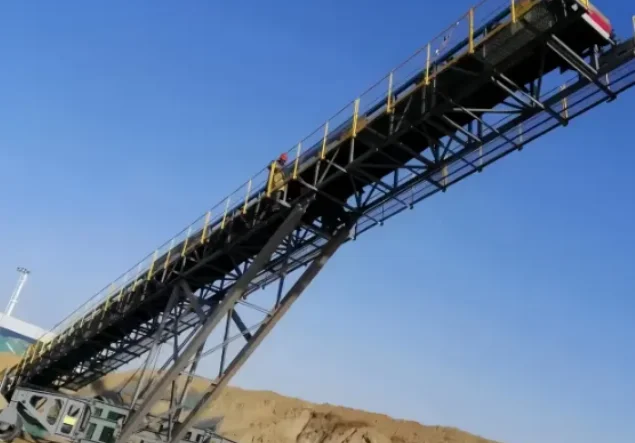
In mining, brake belt conveyors play a starring role moving raw ores across processing plants on inclines. Australia’s iron ore giants rely on these systems 24/7, often integrated with automation to optimize flow.
Ports use similar setups to safely transfer containers, avoiding load shifts that risk damage or spillage.
In waste management, specialty brake belt conveyors help sort recyclables by gently controlling belt speed, minimizing dust and spillage — a green win. Meanwhile, aviation relies on precise braking conveyors for baggage handling, ensuring bags don’t tumble or jam.
Interestingly, humanitarian organizations have tapped these technologies for fast deployment relief supply chains — moving essentials through temporary facilities with safety and speed.
Industries & Regions Typically Benefiting
- Mining: South America, Australia, Africa
- Shipping & Logistics: Europe, North America, Asia
- Waste Management & Recycling: Global
- Humanitarian & Disaster Relief: Global hotspots
Why Invest in Brake Belt Conveyor Systems? The Long-Term Benefits
From a practical standpoint, these systems reduce equipment failure, cut downtime, and lower operating costs. Socially, safer conveyors protect workers and reduce accidents, boosting morale and compliance with safety regulations.
Environmentally, the ability to modulate belt speed carefully means less energy use and lower emissions—a small but meaningful step toward corporate sustainability goals.
Emotionally, businesses trust these systems to reliably move their goods and personnel safely, kind of like the unseen guardian of supply chain stability.
The Future Is Moving: Innovations in Brake Belt Conveyor Technology
Smart sensors and IoT integration are revolutionizing braking systems, enabling predictive maintenance—where issues are flagged before causing downtime.
Material science advances are producing belts with self-cleaning surfaces and brakes crafted from lighter, yet stronger composites, easing energy consumption.
Green energy-powered conveyor systems are also on the rise, fueled by solar and regenerative braking technologies that feed energy back into grids.
Challenges You Should Know — and How They’re Tackled
Common problems include brake wear under heavy loads, environmental damage, and integration difficulties with legacy systems. But many vendors now offer modular brake units, allowing swap-outs with minimal disruption.
Also, rigorous testing framed by ISO standards ensures new designs run safely under harsh conditions, verified by independent labs.
FAQ: Answering Your Top Questions About Brake Belt Conveyors
- What types of brakes are most common on brake belt conveyors?
- Typically, mechanical drum brakes, electromagnetic brakes, and hydraulic brakes are used. Each type suits different environments—electromagnetic for precision, mechanical for heavier loads.
- How often should brake systems be inspected or serviced?
- Routine checks every 3-6 months are advisable, though heavy-use systems might require monthly inspections. Quick maintenance access helps keep downtime low.
- Are brake belt conveyors customizable for specific industry needs?
- Absolutely. Vendors usually offer multiple belt widths, brake types, and control options tailored for mining, logistics, or recycling.
- Can brake belt conveyors be integrated with automated systems?
- Yes. Most modern units come with sensor integration and remote monitoring compatibility to fit into smart industrial environments.
- What environmental benefits do brake belt conveyors offer?
- They improve energy efficiency through controlled speed and reduce spillage, decreasing material waste and lowering overall environmental footprint.
Product Specification Table: Typical Brake Belt Conveyor
| Feature |
Specification |
| Belt Width |
500 mm to 1500 mm |
| Brake Type |
Electromagnetic / Mechanical / Hydraulic |
| Load Capacity |
Up to 1000 kg/meter |
| Speed Range |
0.5 to 3 meters/second |
| Power Supply |
AC 220V / 380V |
| Environmental Rating |
IP54 (dust & splash-resistant) |
Vendor Comparison: Leading Brake Belt Conveyor Suppliers
| Feature / Vendor |
JT Conveyor |
Global Conveyors Inc. |
TransMove Tech |
| Customization Options |
High |
Medium |
High |
| Lead Time |
4-6 weeks |
6-8 weeks |
5-7 weeks |
| Energy Efficiency |
Advanced electromagnetic brakes |
Standard mechanical brakes |
Hybrid hydraulic-electromagnetic |
| Global Support |
Extensive |
Moderate |
Limited |
| Warranty |
3 years |
2 years |
1 year |
Wrapping Up: Why Brake Belt Conveyors Are a Long-Term Investment
In a nutshell, brake belt conveyors aren’t just conveyor belts with a bit of extra tech slapped on. They are safety lifelines, efficiency boosters, and sustainability champions wrapped into one. Global industries rely on them for seamless operations, worker protection, and even social responsibility goals.
Should you be considering upgrading or investing in brake belt conveyor systems, don’t hesitate — the benefits ripple way beyond the immediate bottom line.
For more detailed information, product options, or a consultation tailored to your needs, visit brake belt conveyor. You might just find the ideal conveyor waiting for you.
Mini takeaway: Smart design, strong safety, and cutting-edge innovation make brake belt conveyors industry essentials for today and tomorrow.
References
- International Organization for Standardization (ISO)
- World Bank: Logistics Performance Index
- Wikipedia: Conveyor Belt