Understanding the Long Distance Belt Conveyor: Why It Matters Globally
If you've ever wondered how massive quantities of minerals, grains, or even waste get transported smoothly across vast landscapes, the long distance belt conveyor is most likely playing a starring role. This unassuming piece of industrial equipment quietly supports global supply chains, from mining operations in Australia’s Outback to grain export terminals in Canada’s prairies.
Why should anyone care about this technology? For starters, globally, the demand for efficient, safe, and cost-effective material transport solutions keeps climbing—especially as industries try to reduce their carbon footprints and logistical expenses. Understanding long distance belt conveyor systems offers insight into how infrastructure projects can stay both economically viable and environmentally responsible.
Mini takeaway: Long distance belt conveyors are foundational silent heroes in global industry, enabling vast material flows with notable cost and energy efficiencies.
Why the Long Distance Belt Conveyor Is a Global Game Changer
Worldwide, industries transport billions of tons of bulk material every year. According to the Wikipedia entry on conveyor systems, belt conveyors account for a significant chunk. Plus, organizations like the International Organization for Standardization (ISO) are constantly evolving standards to help manufacturers improve durability and safety standards.
Mining, construction, agriculture, and even humanitarian relief missions often rely on these conveyors to move materials over tens of kilometers without constantly needing trucks running back and forth. For instance, the World Bank recently highlighted infrastructure projects in emerging markets where conveyor systems drastically decrease operational costs and environmental impact.
Yet, some challenges remain—terrain, weather, maintenance, and safety concerns continue to push the technology’s limits.
Mini takeaway: The conveyor industry isn’t just about moving stuff; it’s about moving economies and building sustainability into global operations.
So, What Exactly Is a Long Distance Belt Conveyor?
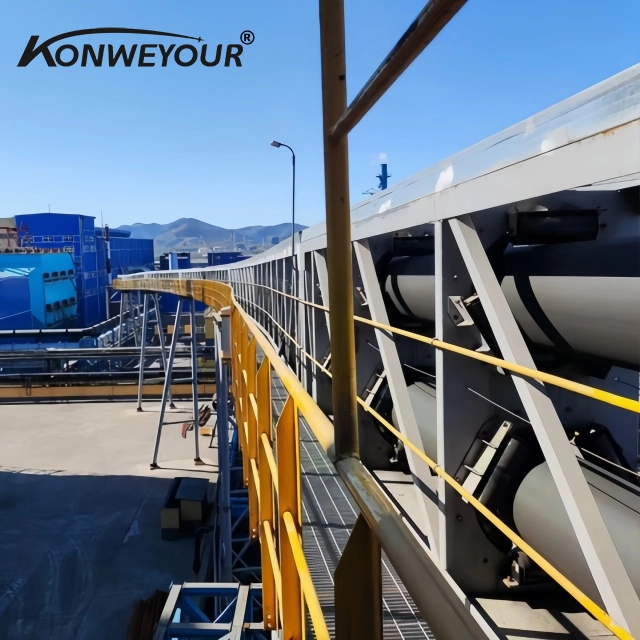
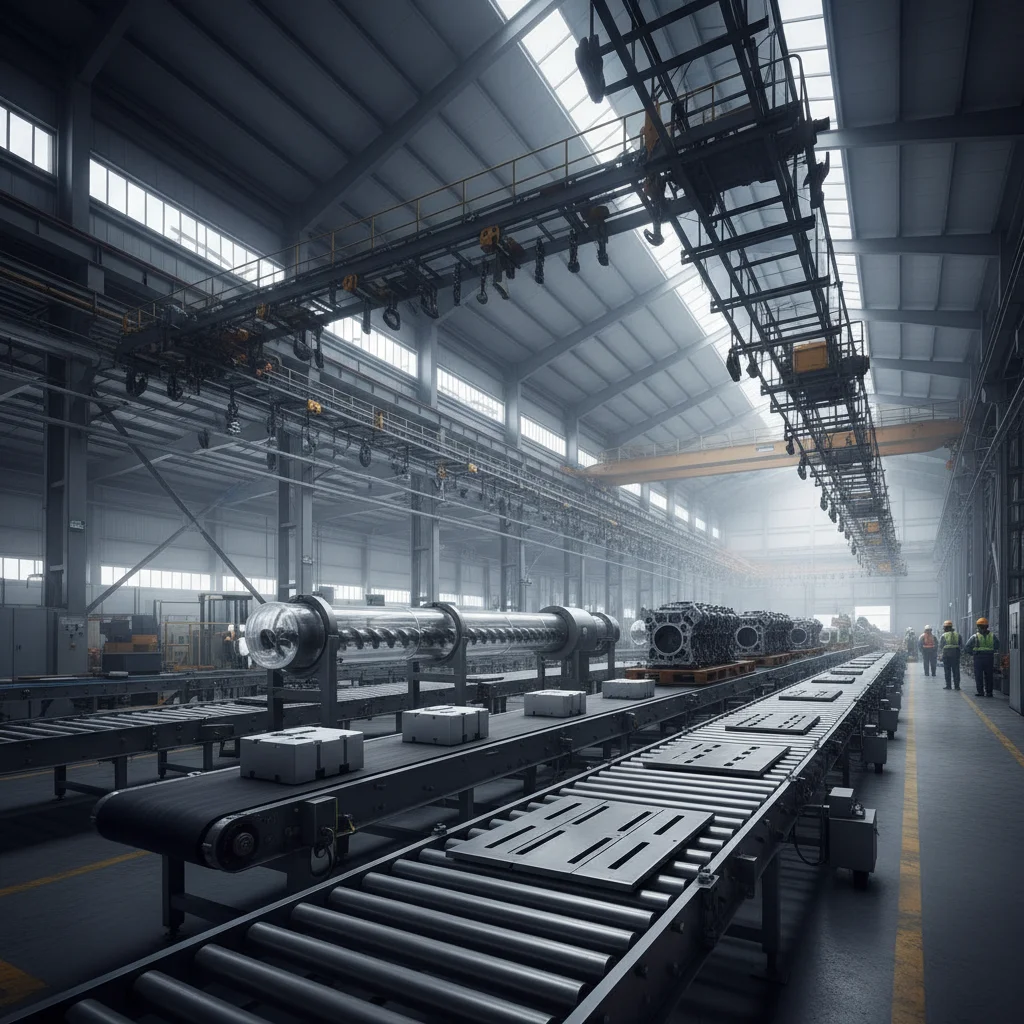
Put simply, a long distance belt conveyor is an industrial system designed to transport bulk materials over considerable distances — typically more than a few kilometers — using a continuous belt loop powered by motors and rollers. It's kind of like the industrial equivalent of a moving sidewalk, but designed to haul tons of minerals, coal, grains, or even waste.
These systems reduce reliance on trucks and trains, which often emit more CO₂ and consume more fuel. Beyond industry, long distance conveyors can also contribute to humanitarian logistics—think emergency relief supplies moved swiftly after natural disasters by conveyor systems that span damaged infrastructure.
Mini takeaway: A long distance belt conveyor is much more than a belt and motor; it’s an energy-efficient artery for modern industrial and humanitarian needs.
Core Components and Key Factors Behind Effective Long Distance Belt Conveyors
Durability and Material Quality
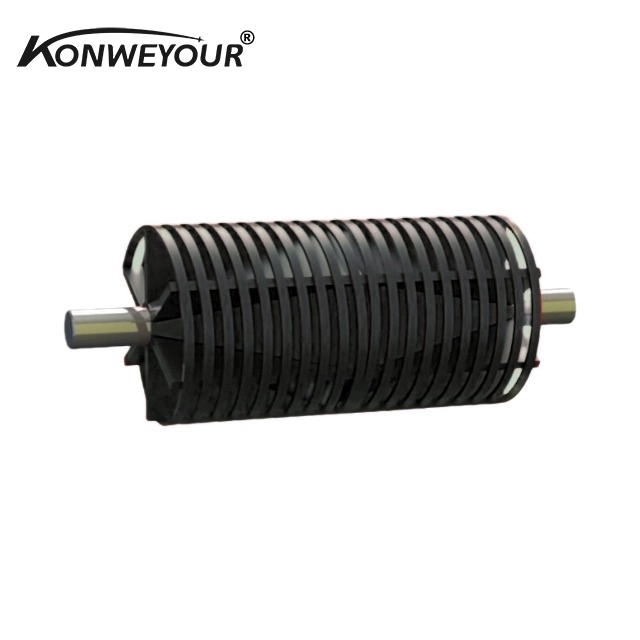
These conveyors often run for years in harsh conditions—extreme heat, abrasive minerals, rain, dust… The belts themselves are typically made of multiple layers of synthetic fabrics combined with rubber or PVC, designed to resist tearing and stretching. Additionally, rollers and pulleys require corrosion protection, often using galvanized steel or even stainless steel for coastal or humid climates.
Power and Drive Systems
Keeping a belt moving across 10 or even 30 kilometers takes careful engineering. Most systems use distributed drive stations to minimize power loss and reduce mechanical strain on the belt. Variable frequency drives (VFDs) are commonly deployed to adjust speed smoothly, increasing lifespan and saving energy.
Scalability and Modularity
One neat thing about long distance conveyors is their modular nature. They can be designed in segments, making it easier to fit complex terrains, cross valleys, or dodge obstacles like rivers or roads. This scalability is invaluable in remote locations where construction costs can skyrocket.
Cost Efficiency and Maintenance
Frankly, the initial investment can be hefty, but operational savings make it worthwhile over time. Lower labor costs, fewer moving parts than trucks, and less fuel consumption contribute to a compelling long-term ROI. Maintenance tools like predictive sensors and remote monitoring are increasingly common, catching issues before they become costly breakdowns.
Safety Systems
Conveyors are big, fast, and can be dangerous without proper safeguards. Emergency stops, fire detection, and conveyor belt tracking systems ensure workers stay safe and production doesn’t come to an unexpected halt.
| Specification |
Typical Range/Value |
Notes |
| Conveyor Length | 5 km to 35+ km | Dependent on terrain and project need |
| Belt Speed | 1–7 meters/second | Variable frequency drives enable speed control |
| Belt Width | 400 mm to 2400 mm | Customized to throughput volume |
| Tensile Strength | Up to 3000 N/mm | Critical for long spans and heavy loads |
| Power Consumption | Varies significantly | Depends on length, load, and speed |
Where You’ll Find These Long Distance Belt Conveyors in Action
Mining is the poster child for applications. Australia’s iron ore belt, Brazilian bauxite mines, and Canadian potash operations routinely depend on conveyors that snake for more than 20 km. But the story doesn’t end in mining. Ports use them to transfer grain or coal efficiently; construction sites sometimes deploy conveyors to handle bulk concrete or debris.
Interestingly, humanitarian organizations have begun exploring conveyor installations in places where road infrastructure has been compromised by disaster. Long distance conveyors can deliver emergency supplies reliably over tough terrain where trucks simply can’t cut it.
Regions like Sub-Saharan Africa, Southeast Asia, and parts of South America benefit heavily, where infrastructure is developing but distances and terrain are challenging.
Mini takeaway: Long distance conveyors bridge gaps—physical and economic—in some of the most demanding environments on earth.
The Tangible Benefits of Long Distance Belt Conveyor Systems
- Operational Cost Savings: Compared to truck fleets, conveyors have lower fuel and labor expenses.
- Environmental Sustainability: Lower greenhouse gas emissions and noise pollution.
- Safety and Reliability: Reduces road traffic accidents and weather-related disruptions.
- Social Impact: Creates jobs and improves supply reliability in remote areas.
From an emotional point of view, operators often say it “feels safer” handing bulk material transport off to a fixed conveyor line rather than risking truck convoys over difficult terrain. And innovation-wise, each generation of belt conveyors gets smarter and more automated, giving companies more control and less downtime.
Emerging Trends and Innovations You Should Watch
It's fascinating how digitalization has seeped into conveyor tech. Smart sensors combined with AI can now predict wear and suggest optimal maintenance schedules. Solar-powered and energy-recovering conveyors are also turning heads, especially in remote regions where grid power is scarce.
Materials science is another hot frontier—lighter but stronger belts made with aramid fibers, or self-cleaning belts designed to reduce downtime. Plus, modular designs allow for faster setup and reconfiguration, ideal for mining operations that move sites often.
Facing Challenges Head On: What Holds Long Distance Belt Conveyors Back?
Despite the benefits, challenges like initial capital investment, terrain-specific engineering, and unexpected downtime persist. Weather extremes can cause belt slippage or degradation. Road crossings introduce complexity to safety and regulatory compliance.
Experts recommend integrating real-time monitoring combined with preventative maintenance plans. Some vendors offer ruggedized systems specifically tailored for hostile environments. Training staff properly on inspections can save big costs down the line.
| Vendor |
Typical Conveyor Length |
Innovations |
Sustainability Focus |
Pricing Tier |
| JT Conveyor Co. |
Up to 35 km |
AI-enabled monitoring, solar integration |
High (carbon-neutral goals) |
Mid to High |
| Global Belt Systems |
15–25 km |
Robust belt materials, modular pulley systems |
Medium |
Competitive |
| EcoConvey Tech |
Up to 20 km |
Bio-based belt composites |
Very High (focus on circular economy) |
High |
FAQ: Your Burning Questions About Long Distance Belt Conveyor
- How far can a long distance belt conveyor realistically transport materials?
- Depending on design and terrain, these conveyors can handle distances exceeding 30 kilometers. Some specialized installations even reach beyond 40 km, but require advanced engineering and segment division.
- Are these conveyors adaptable to uneven or mountainous terrain?
- Yes, modular construction with intermediate supports and drive stations makes it possible to navigate complex landscapes, including slopes and valleys, though costs and design complexity increase accordingly.
- What materials can these conveyors transport?
- Mostly bulk solids like coal, ores, grains, fertilizers, and even waste. The choice of belt type and speed depends largely on the material’s abrasiveness and moisture content.
- How do long distance conveyors stack up against trucking from an environmental standpoint?
- Conveyors generally emit fewer greenhouse gases per ton-kilometer since electric motors tend to be more efficient than diesel engines, and traffic-related wear and tear on roads is also reduced.
- What maintenance practices ensure longevity?
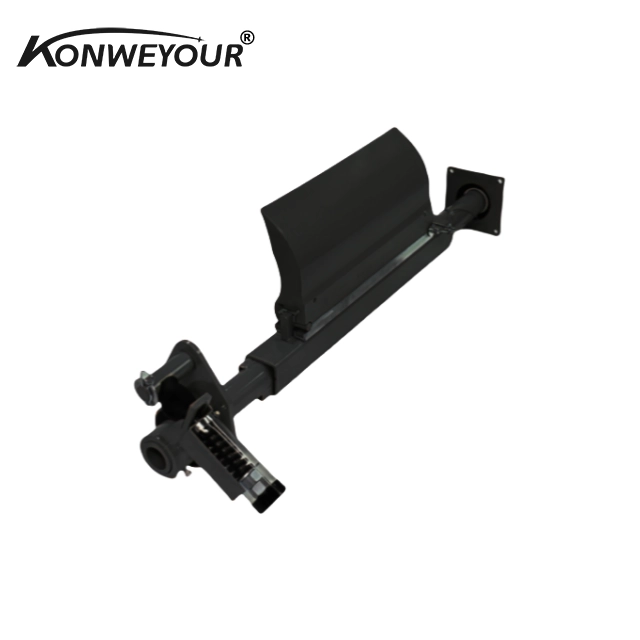
- Routine inspections, use of predictive sensors for wear, proper belt tension monitoring, and timely replacement of rollers or pulleys keep these systems running smoothly for decades.
Wrapping Up: Why You Should Consider a Long Distance Belt Conveyor
In real terms, long distance belt conveyors are robust, economically savvy, and environmentally friendlier alternatives for bulk material transport. They offer safety, scalability, and technological sophistication that modern industries demand. If you’re thinking about upgrading or building a transport system across challenging geography, they’re worth a serious look.
Curious? Interested in how these conveyors can fit your project needs? Visit our website at https://www.jtconveyor.com to learn more and connect with experts who understand the full scope of your challenges.
References & Further Reading
- Wikipedia: Conveyor System
- International Organization for Standardization (ISO)
- World Bank Infrastructure Overview