Why Stainless Steel Roller Conveyors Matter in Today's Global Industries
If you've walked through a manufacturing plant, airport luggage facility, or even seen packages move magically on their way, you've likely encountered a stainless steel roller conveyor system in action. But why does this simple sounding piece of equipment matter so much worldwide? In essence, these conveyors are crucial arteries in the flow of goods, materials, and even humanitarian aid — handling everything from car parts to vaccine shipments. The efficiency, durability, and reliability they offer directly impact supply chains, productivity, and safety globally.
Understanding the tech behind these conveyors isn’t just for engineers or warehouse managers — it’s a peek into how modern logistics and production work, and why durability combined with hygiene (stainless steel, anyone?) often makes all the difference in critical industries.
Setting the Stage: The Global Role of Stainless Steel Roller Conveyors
Worldwide, factory automation and material handling solutions are expected to grow steadily by over 7% annually according to industry forecasts (International Federation of Robotics). Stainless steel roller conveyors play a key role here — they're the go-to for sectors demanding cleanliness (think pharmaceuticals and food production) plus robustness in tough environments. The UN's Sustainable Development Goals indirectly underline such systems’ importance: reliable supply chains are essential to ensure clean water, clean energy, and health access.
Yet, challenges remain. Conveyor systems must cope with diverse climates, corrosion risks, and increasing demand for faster, safer operations. Here’s where the choice of stainless steel isn’t just a material upgrade — it’s a solution to an evolving problem.
Mini Takeaway:
The humble stainless steel roller conveyor is an unsung hero in global logistics, essential for sectors prioritizing hygiene and durability. It blends simplicity with industrial innovation to keep goods moving safely and efficiently.
What Exactly is a Stainless Steel Roller Conveyor?
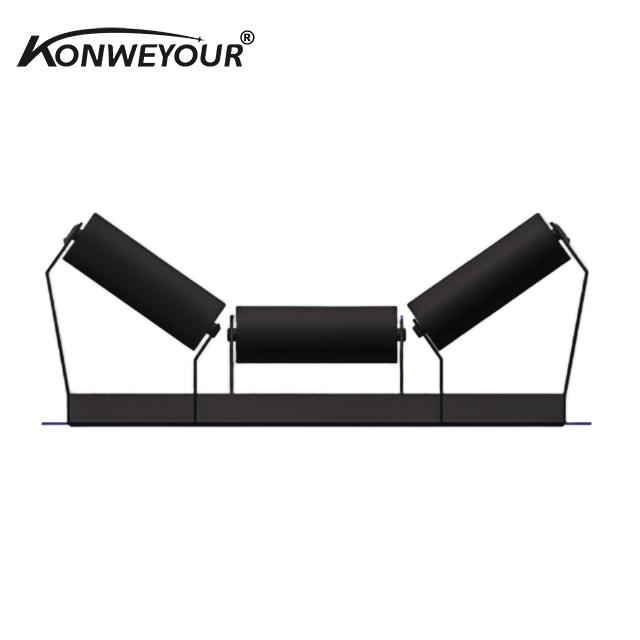
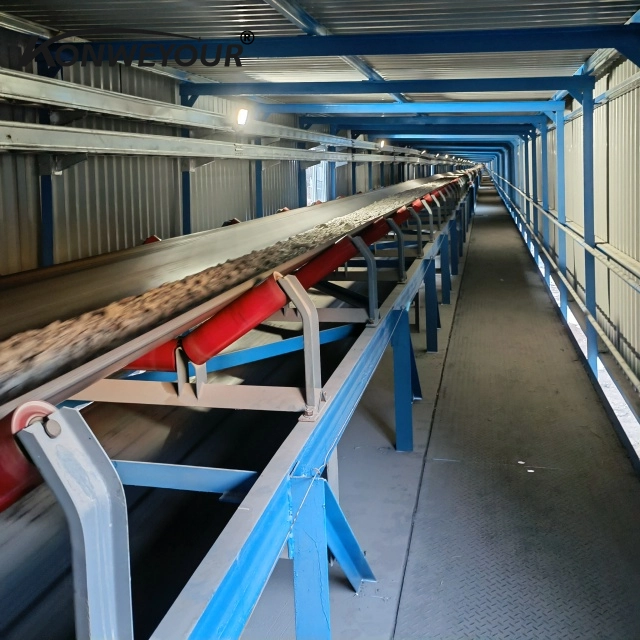
At its core, a stainless steel roller conveyor is a material handling system made up of rollers mounted on a frame, where the rollers are constructed from stainless steel. This structure facilitates smooth movement of products or materials along a set path, typically automated or manual. It’s the conveyor’s shiny armor and low-maintenance nature that make it indispensable across many industries.
Whether it’s boxes on an airport belt or items heading down a food processing line, stainless steel roller conveyors reduce friction, resist corrosion, and often meet strict industry hygiene standards. This makes them vital not only to modern manufacturing but increasingly also to humanitarian logistics — delivering supplies where conditions require toughness plus cleanliness.
Core Components & Key Factors Shaping Stainless Steel Roller Conveyors
Durability in Diverse Environments
Stainless steel conveys strength and longevity. It’s corrosion-resistant, tolerates moisture, aggressive cleaning chemicals, and temperature fluctuations — essentials in food plants or coastal warehouses. This means less frequent replacements and repairs, translating to better uptime.
Scalability & Flexibility
These conveyors come in modular segments. Need a longer run or a curved path? Easy. The design supports easy expansion and integration with other systems. Today’s plants demand this kind of agility to adapt quickly without massive downtime or re-investment.
Cost Efficiency Over Time
Sure, stainless steel conveyors can be pricier upfront than painted steel or plastic alternatives. But when you factor in their resistance to rust, minimal maintenance, and long lifespan, the total cost of ownership often leans heavily in their favor.
Sanitation & Hygiene Compliance
Especially in pharmaceuticals, food, and medical device manufacturing, meeting hygiene standards is paramount. Stainless steel’s smooth surface and sterilization capability make cleaning faster and more thorough, helping facilities comply with FDA, ISO 22000, and other certifications.
Load Handling & Reliability
Conveyors must handle diverse weights and sizes. Stainless steel rollers often come with precision bearings and strong shafts engineered to handle continuous operation without sagging or jamming. Trust here isn’t just about tech specs — it’s peace of mind on a busy production floor.
Mini Takeaway:
- Durability and resistance to corrosion lead the benefits.
- Modular and flexible to match evolving needs.
- Higher initial cost but greater long-term savings.
- Crucial for hygiene in sensitive industries.
Across the Globe: Where Stainless Steel Roller Conveyors Shine
This technology's reach is impressively widespread: from the bustling ports of Rotterdam to remote industrial hubs in Southeast Asia. Here are some vivid examples:
- Food and Beverage Industry: In Europe and North America, they’re essential for hygienic handling of baked goods, canned drinks, and ready-to-eat meals.
- Pharmaceutical Manufacturing: Clean rooms in India and China rely heavily on stainless steel conveyors to maintain sterility as medicines and vaccines are packaged.
- Disaster Relief Logistics: After earthquakes or floods, aid convoys use stainless steel conveyors for quick, contamination-free sorting of supplies, ensuring that nothing gets held up or contaminated.
- Automotive Assembly Lines: Japan and Germany’s precision manufacturing floors utilize these systems for moving heavy engine parts without risking contamination or wear.
Oddly enough, the same rugged qualities that make stainless steel conveyors ideal in factory settings also serve well in refugee camps and remote research stations, where reliable material flow can literally save lives.
Advantages Worth Celebrating — More Than Just Metal and Rollers
What’s fascinating is how these conveyors connect practical needs with a bigger picture:
- Economic sense: They reduce downtime, lower maintenance expenses, and speed up throughput.
- Sustainability: Stainless steel is recyclable, and long-lasting conveyors cut waste — a better choice in our eco-conscious times.
- Safety and dignity: No rust or sharp edges mean safer workspaces and products delivered in pristine condition.
- Trust and innovation: Knowing your conveyor system won’t fail aids confidence — encouraging investment in other automation tech.
Product Specifications at a Glance
| Feature |
Specification |
Benefit |
| Roller Material |
304 / 316 Stainless Steel |
Corrosion resistance & hygiene |
| Roller Diameter |
50mm - 75mm (customizable) |
Adjustable load handling |
| Load Capacity |
50kg to 300kg per meter |
Suitable for light to medium-heavy loads |
| Modular Frame |
Aluminum or stainless steel frames |
Flexible & durable assembly |
| Surface Finish |
Polished / Matte options |
Meets hygiene and aesthetic needs |
Comparing Leading Stainless Steel Roller Conveyor Providers
| Vendor |
Specialization |
Customization |
Lead Time |
Typical Markets |
| JT Conveyor |
Hygienic conveyors for food & pharma |
High – modular design, custom sizes |
4-6 weeks |
Global (Europe, Asia, Americas) |
| SteelRoll Systems |
Heavy-duty stainless steel conveyors |
Medium – fixed modules, some curves |
6-8 weeks |
Industrial, automotive |
| CleanFlow Conveyors |
Sterile room conveying systems |
High – ultra-clean, FDA approved |
3-5 weeks |
Pharma, biotech |
Future Trends in Stainless Steel Roller Conveyors
Looking ahead, the conveyor market is embracing sustainability and tech upgrades like never before. Expect more digitally integrated systems — think IoT sensors tracking wear and performance in real-time, automatically scheduling maintenance before any failure. Plus, there's a wave of innovation around eco-friendly materials refinements, and hybrid metals that blend stainless steel’s strength with lighter composites.
Sustainability isn’t just hype; companies want conveyors that consume less energy and are easier to recycle when their lifecycle ends. Also, robots and AI will increasingly choreograph material flow, making conveyors smarter partners in precision tasks.
Common Challenges & How Experts Solve Them
Of course, no solution is perfect. Stainless steel conveyors sometimes face:
- High initial investment: Countered by financing options and emphasizing long-term ROI.
- Weight concerns: Older models can be heavy — newer designs focus on aluminum framing combined with stainless rollers to save weight.
- Noise: Continuous roller motion can be noisy without proper bearings or dampeners.
- Complex customizations: Early consultation with designers can prevent costly redesigns.
Many engineers I chatted with say starting the design process with the specific operational environment in mind saves headaches later. Plus, partnering with vendors who offer on-site support and modular upgrades helps tackle challenges proactively.
FAQs: Answering Your Practical Questions About Stainless Steel Roller Conveyors
- Q: How do stainless steel roller conveyors compare to plastic rollers in food processing?
- A: Stainless steel rollers excel in hygiene, chemical resistance, and durability under high temperatures, making them preferred in food processing where sanitation is non-negotiable. Plastic rollers may be cheaper but degrade faster under heavy use.
- Q: Can these conveyors be customized to fit irregular spaces?
- A: Absolutely. Most stainless steel roller conveyor systems are modular and can be tailored with curves, inclines, or varied lengths to fit tight or complex layouts.
- Q: What maintenance is needed for stainless steel roller conveyors?
- A: Minimal. Regular cleaning to remove debris, occasional lubrication of bearings, and inspections for wear ensure longevity—far less demanding than painted or plastic alternatives in corrosive environments.
- Q: Are stainless steel conveyors eco-friendly?
- A: Yes. They are highly recyclable and have long service lives, reducing waste and resource consumption compared to short-lived materials.
- Q: How quickly can I expect delivery for a custom stainless steel conveyor system?
- A: Typical lead times range from 3–8 weeks depending on complexity, size, and supplier location. Early planning is advised for urgent projects.
Wrapping It Up: Why Choose Stainless Steel Roller Conveyors?
Stainless steel roller conveyors aren’t just another piece of factory equipment; they’re foundational to reliable, hygienic, and efficient material handling worldwide. Their durability, adaptability, and cleanability bring long-term value across sectors from food and pharma to logistics and disaster relief. If you want a conveyor system that lasts and keeps your operation safe and smooth, this is the way to go.
For all your conveyor needs, consider checking out stainless steel roller conveyor options from experts who know what the industry demands.
Mini Final Thought:
Good conveyor systems aren’t flashy. They’re quietly dependable—a sort of backbone, if you think about it. Choosing stainless steel means betting on resilience and smart design — in short, future-proofing your workflow.
References:
- Wikipedia: Conveyor system
- ISO 22000 Food Safety Management
- World Bank: Ports and Shipping